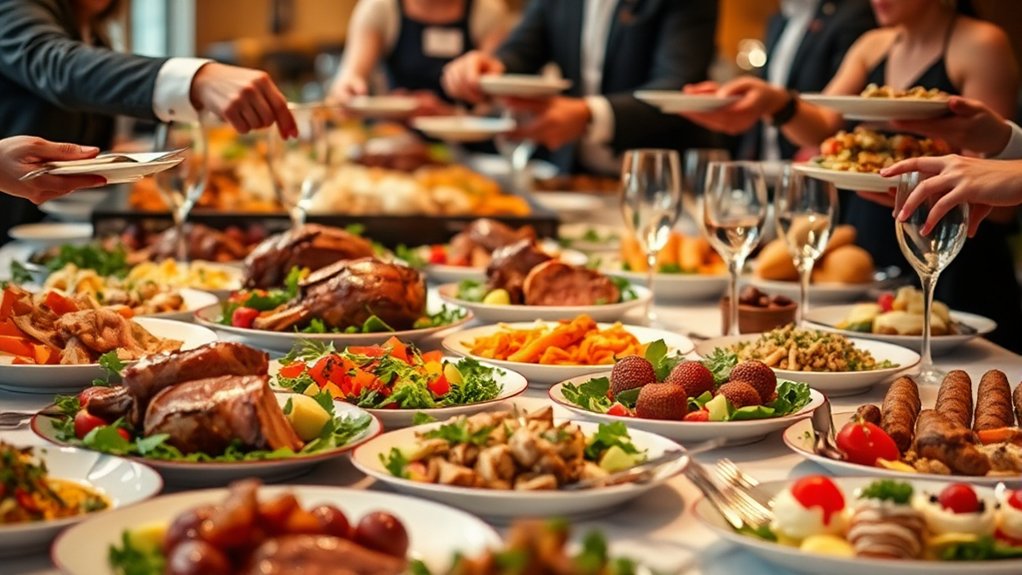
How Do You Spell Buffet
If you’ve ever found yourself unsure how to spell or pronounce “buffet,” you’re not alone. Many people struggle with this word, especially when trying to describe a self-serve meal or the action behind the term. How Do You Spell Buffet.
Getting it right is important to avoid confusion and communicate clearly.
You spell buffet B-U-F-F-E-T. When you’re talking about a self-serve meal with a variety of dishes, pronounce it “BUF-fay.” It comes from French and originally meant a sideboard for food.
Confusing it with other spellings or mixing noun and verb forms can cause misunderstandings.
Knowing the right spelling helps you communicate clearly whether referring to food or action.
Keep exploring to uncover its origins, meanings, and proper usage.
Key Takeaways
- The correct spelling is “buffet,” with two Fs and one T.
- “Buffet” is pronounced “BUF-fay” when talking about meals, and “BUF-it” when referring to furniture.
- Avoid common misspellings like “bufet” or “buffay.”
- The word comes from French, meaning a sideboard or meal setup.
- Use “buffet” without accents or extra letters in menus and writing.
Correct Spelling of Buffet
The correct spelling of “buffet” is straightforward but important to get right, especially if you’re writing about food or dining. You’ll find that the word “buffet” is spelled B-U-F-F-E-T, and sticking to this spelling guarantees clarity in your writing.
Getting the spelling of “buffet” right is key for clear writing about food and dining.
If you’re unsure how to say it, here are some useful buffet pronunciation tips: pronounce it as “BUF-fay” when referring to a self-serve meal or “BUF-it” when describing a piece of furniture.
Understanding buffet etymology insights can also help. You’ll learn that it comes from the French word “buffet,” meaning a sideboard or meal laid out on a table. This origin explains why the word has dual meanings in English.
Remembering these nuances and sticking to the correct spelling will boost your confidence in using “buffet” properly, whether you’re talking about a delicious meal or a dining room fixture.
Why Is Buffet’s Spelling Often Confusing?
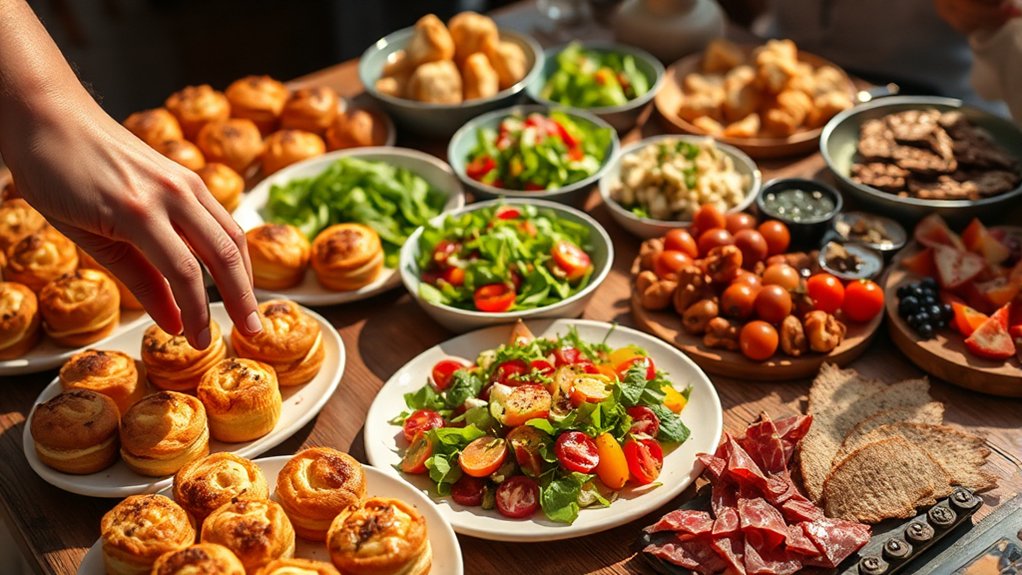
Although you might think spelling “buffet” is simple, it often trips people up because it looks like it could be spelled multiple ways. You might wonder if it’s “buffet,” “bufet,” or even “buffay.”
These spelling variations arise because the word sounds different depending on how you pronounce it. For example, some say “buff-ay” while others say “buff-it,” which makes you second-guess the correct letters.
This inconsistency in pronunciation differences leads to confusion in writing. Furthermore, “buffet” can refer to different things, a meal setup or a piece of furniture, making it harder to remember which spelling fits each meaning.
When you see the word, these factors create a mental mix-up, so it’s common to hesitate or misspell it. Understanding how pronunciation influences spelling variations helps you get it right every time without overthinking.
Origin and History of Buffet
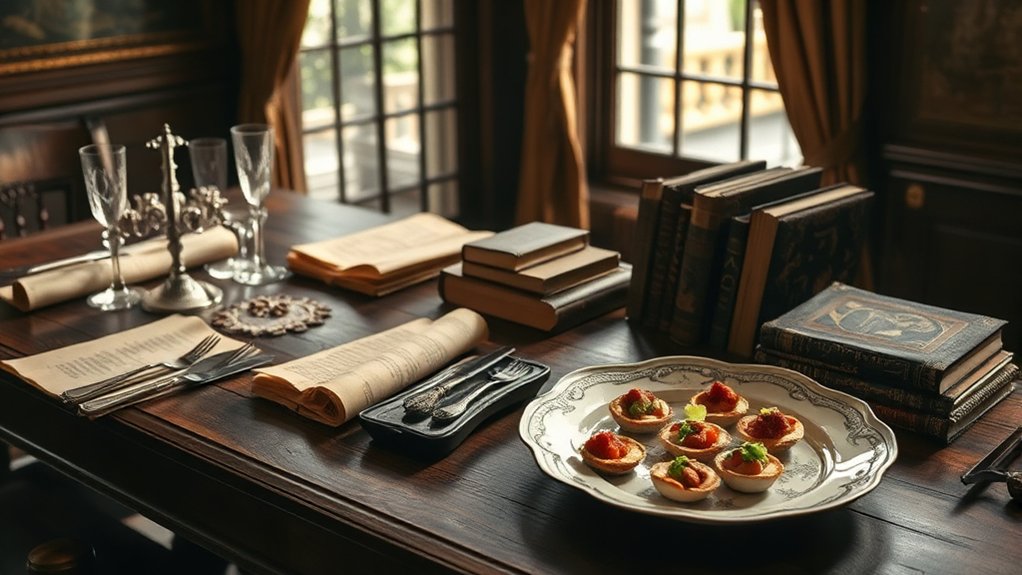
Understanding why “buffet” confuses people makes it easier to appreciate where the word comes from. The term “buffet” originates from French, where it described a sideboard or a piece of furniture used to display food. This evolved in culinary traditions to mean a meal where dishes are laid out for self-service.
You’ll find this style traces back to Europe, especially in France and Sweden, where communal dining emphasized variety and ease. As buffet dining grew popular, it also influenced dining etiquette. You’re expected to serve yourself politely, taking only what you can eat and using appropriate utensils.
This shift made dining less formal but still respectful. Understanding this history helps you see that “buffet” reflects a balance of convenience and social manners, rooted in centuries of shared meals. So, when you spell or use “buffet,” you’re connecting to a rich tradition blending food presentation and polite self-service.
Meanings of Buffet as Noun and Verb
Buffet can mean more than one thing, and knowing the difference helps you use the word correctly. As a noun, “buffet” often refers to a meal where various dishes are laid out for self-service. You might encounter different buffet styles, from casual to formal setups, each with its own buffet etiquette.
For example, you should always take only what you can eat and use the serving utensils provided to keep things sanitary.
As a verb, “buffet” means to strike or hit repeatedly, often by wind or waves. When you hear that a ship has been buffeted by storms, it means it’s been battered by harsh conditions.
Understanding these meanings lets you grasp the context and communicate clearly. Whether you’re talking about dining or describing a forceful impact, using “buffet” correctly shows you know your words well.
Using Buffet as Noun vs. Verb
Here’s a quick table to help you picture the difference:
| Usage Type | Meaning | Example |
|---|---|---|
| Noun | Self-serve meal | “The buffet at the party was vast.” |
| Verb | To strike repeatedly | “Waves buffet the rocky shore.” |
| Pronunciation | Noun: buff-ay; Verb: buff-it | Pay attention to this difference! |
Buffet vs. Similar Words
Mistaking buffet for similar words like “buffet” (the verb) or “buffet” (the noun related to food) can confuse your meaning and pronunciation. When you use buffet terminology, it’s important to distinguish between the verb “to batter,” meaning to strike repeatedly, and the noun “buffet,” referring to a self-serve meal arrangement.
If you mix these up, your message might get lost or misunderstood.
Understanding the buffet cultural significance also helps. The noun “buffet” often evokes images of social gatherings and diverse food choices, reflecting cultural traditions worldwide.
The noun buffet conjures images of social gatherings and diverse culinary traditions celebrated globally.
Meanwhile, the verb “batter” is less common in everyday conversation and relates more to physical action or weather impacts.
When you spell and use these words correctly, you respect both their meanings and the rich cultural context they carry. So, stay clear on buffet terminology to communicate effectively and appreciate the cultural importance behind the word.
Common Buffet Spelling Mistakes to Avoid
How can you guarantee you spell buffet correctly every time? Understanding common pitfalls is key. Many confuse “buffet” with similar-sounding words or misspell it because of pronunciation uncertainties.
Using buffet pronunciation tips can help you internalize its correct form. At the same time, appreciating its cultural significance reinforces the word’s importance.
Watch out for these common spelling mistakes:
- Swapping “buffet” with “buffay” or “buffit”
- Omitting one “f” or one “t”
- Confusing it as a verb vs. a noun
- Adding unnecessary letters like “buffett”
Remembering Buffet’s Correct Spelling
One effective way to recall the correct spelling of “buffet” is to break it down into its two parts: “buff” and “et.” You can associate “buff” with strength or fullness, while “et” is a common ending in many English words.
This simple division helps anchor the spelling in your mind, especially when you combine it with buffet pronunciation tips. Keep in mind that “buffet” can be pronounced as “buff-ay” when referring to a meal style and “buff-it” when meaning to strike.
Understanding these pronunciation differences reinforces your spelling recall. Moreover, recognizing buffet cultural significance, such as its origins in French dining traditions, can further embed the word in your memory.
Grasping pronunciation nuances and cultural roots deepens your connection to the word, boosting spelling confidence.
Knowing that a buffet represents abundance and variety can link the concept to the word’s structure, making it easier for you to remember. By focusing on these elements, you’ll confidently spell “buffet” without hesitation.
Examples of Buffet Used Correctly
Now that you know how to spell buffet, let’s talk about how to use it correctly. You’ll often see it as a noun when referring to a meal setup—a spread of food where you serve yourself. But it can also be a verb, meaning to strike or push repeatedly. Knowing both meanings will help you use buffet with confidence. Easy, right?
Buffet As A Meal
A buffet offers a variety of dishes laid out for you to serve yourself, making it a popular choice for gatherings and events. When you attend a buffet meal, understanding buffet etiquette helps you enjoy the experience while respecting others.
In many places, buffet culture emphasizes using a clean plate each trip to avoid mixing foods, taking reasonable portions to reduce waste, using serving utensils provided (not personal cutlery), and waiting your turn patiently without crowding the line.
Buffet As A Verb
Imagine strong winds that buffet your face during a storm. That’s how the verb “buffet” is commonly used. It means to strike repeatedly or to batter. For example, you might say, “The waves buffeted the boat all night,” showing how the action is continuous and forceful.
When you understand buffet as a verb, you’ll see it’s different from buffet as a meal. Still, knowing buffet etiquette and buffet styles helps you avoid confusion in conversation. While buffet etiquette guides how you serve and eat food, buffet as a verb focuses on physical force or impact.
Using “Buffet” Correctly in Menus and Descriptions
When you’re writing menus or descriptions, it’s important to spell “buffet” correctly and avoid mixing it up with “buffé.” It’s a common mistake to add unnecessary accents or get the singular and plural forms confused. Just keep an eye out for those little errors.
Also, make sure you place the word “buffet” clearly so customers instantly know you’re offering a self-serve meal option. That way, there’s no confusion about what’s being offered.
Buffet Vs. Buffé Differences
Choosing the right spelling between “buffet” and “buffé” can confuse many, especially when creating menus or descriptions. You should stick with “buffet,” the standard and widely accepted spelling in English. The accented “buffé” is uncommon and might distract your readers or seem like a typo.
When you’re describing different buffet styles or outlining buffet etiquette, clarity matters. Here’s what to keep in mind:
- Use “buffet” for all references to self-service meals or food arrangements.
- Avoid “buffé” unless you’re referencing a specific foreign language term.
- Highlight buffet etiquette clearly to guide guests.
- Specify buffet styles (e.g., breakfast buffet, salad buffet) without accents.
This way, your menus and descriptions stay professional and easy to understand.
Common Buffet Usage Errors
Now that you know to use “buffet” without the accent, it’s important to avoid common mistakes when including it in menus and descriptions. First, don’t confuse “buffet” with similar-sounding words or add unnecessary accents. It’s simply “buffet.”
When describing your offerings, focus on clarity by highlighting key items and reflecting current buffet trends, like customizable stations or health-conscious options. Also, respect buffet etiquette by clearly communicating serving rules or portion sizes to avoid confusion.
Avoid vague phrases like “buffet style” without context. Instead, specify what guests can expect. Using “buffet” correctly not only improves professionalism but also aligns your menu with customer expectations, making your descriptions more inviting and accurate.
Keep it straightforward, and your menu will stand out for the right reasons.
Menu Placement Tips
Although placing “buffet” on your menu might seem straightforward, strategic positioning can make a significant difference in how guests perceive your offerings. You want to guarantee your menu layout highlights the buffet section clearly without overwhelming other options.
Use concise descriptions that emphasize variety and quality, pairing “buffet” with appealing food presentation details. Consider these tips to optimize placement:
- Position “Buffet” in a distinct section, ideally near the top or center of your menu
- Use clear headings and spacing to separate buffet items from à la carte options
- Include brief descriptions focusing on the range and freshness of the buffet selections
- Highlight any unique or signature dishes within the buffet to attract attention
This approach helps your guests understand what to expect while making the buffet an enticing choice.
Frequently Asked Questions
Can “Buffet” Be Used in Formal Writing?
Yes, you can use “buffet” in formal writing, especially when discussing buffet etiquette or buffet history. When writing formally, make sure you use the word correctly and clearly.
For example, you might investigate how buffet dining evolved or outline proper buffet etiquette at formal events. Just keep your tone professional and precise, and your readers will appreciate the clear explanation of buffet-related topics.
What Are Some Famous Buffet Restaurants Worldwide?
When it pertains to buffet dining, you’re stepping into a world where variety is king. Famous buffet restaurants like The Bellagio in Las Vegas and Din Tai Fung in Taipei showcase global buffet trends with iconic buffet dishes such as sushi, dim sum, and carving stations.
You’ll find these spots offer a feast for all senses, combining diverse flavors and cultures. So, immerse yourself and savor the endless options that define legendary buffet experiences worldwide.
How Do You Pronounce “Buffet” in Different English Accents?
You’ll notice the British pronunciation of “buffet” sounds like “buff-ay,” with a softer ending. In contrast, the American pronunciation usually sounds like “buff-it,” with a sharper, more clipped ending.
When you say it, you’ll hear these subtle differences depending on where you are. So, if you’re in the UK, go for “buff-ay,” and in the US, “buff-it” feels more natural to most people.
Are There Regional Variations in Buffet Menu Offerings?
As far as buffet menus are concerned, regional preferences paint the plate with colorful menu variations. You’ll find that what’s served in one area might be completely different in another, reflecting local tastes and ingredients.
How Has the Concept of Buffet Dining Evolved Culturally?
You’ve seen how buffet dining’s cultural significance has grown by blending various dining traditions worldwide. It’s evolved from simple communal meals to elaborate experiences reflecting local flavors and customs.
You’ll notice that many cultures now use buffets to celebrate diversity and social connection, making it more than just food. As you relish a buffet, you’re partaking in a dynamic tradition that honors sharing, abundance, and cultural exchange.
Conclusion
You might think spelling “buffet” is as tricky as balancing plates at a crowded party, but once you know its roots and uses, it’s smooth sailing. Just like a well-laid buffet table, each meaning and spelling detail fits perfectly when you pay attention.
Remember, even top chefs double-check their menus. So, keep this guide handy, and you’ll never fumble “buffet” again, serving up your words flawlessly every time!