3 Tips to Choose Durable Long-Lasting Furniture
Finding furniture that stands the test of time can feel overwhelming. You’re not alone—many people struggle with picking pieces that not only look great but also last for years.
If you want to avoid constant replacements and wasted money, choosing durable, long-lasting furniture is key.
To choose durable, long-lasting furniture, look for solid hardwoods like oak or walnut that resist wear and warping.
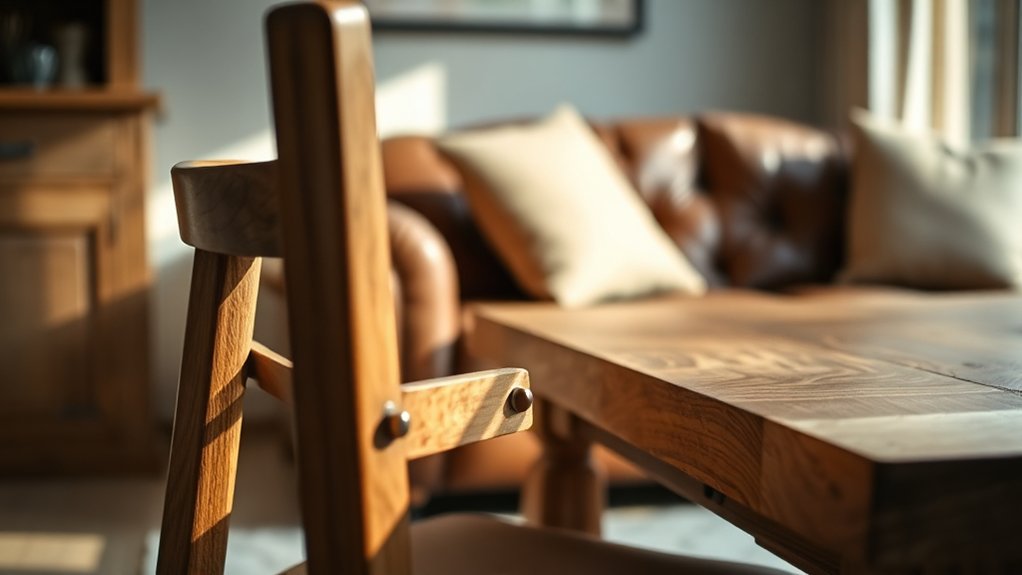
Check the construction quality by ensuring strong joinery, such as dovetail or mortise-and-tenon joints, rather than just nails or staples.
Finally, pick timeless styles like Mid-Century or Scandinavian that won’t go out of fashion quickly.
These steps help you invest smartly in pieces that last—keep exploring to uncover how to extend their lifespan even further.
Key Takeaways
- Select solid hardwoods like oak or walnut for strong, durable furniture that resists wear and warping. These woods really stand the test of time.
- Inspect joinery, preferring dovetail or mortise-and-tenon joints for enhanced stability and longevity. Good joints make all the difference in how long your furniture lasts.
- Choose timeless styles such as Mid-Century or Scandinavian for versatile, long-lasting aesthetic appeal. These designs stay stylish no matter the trends.
- Opt for tightly woven fabrics or leather upholstery and maintain them with regular cleaning and conditioning. This keeps your furniture looking fresh and durable.
- Invest in high-quality finishes like lacquer or polyurethane to protect surfaces from scratches and moisture. A good finish is key to preserving your furniture’s beauty.
Identify Durable Furniture Materials That Last
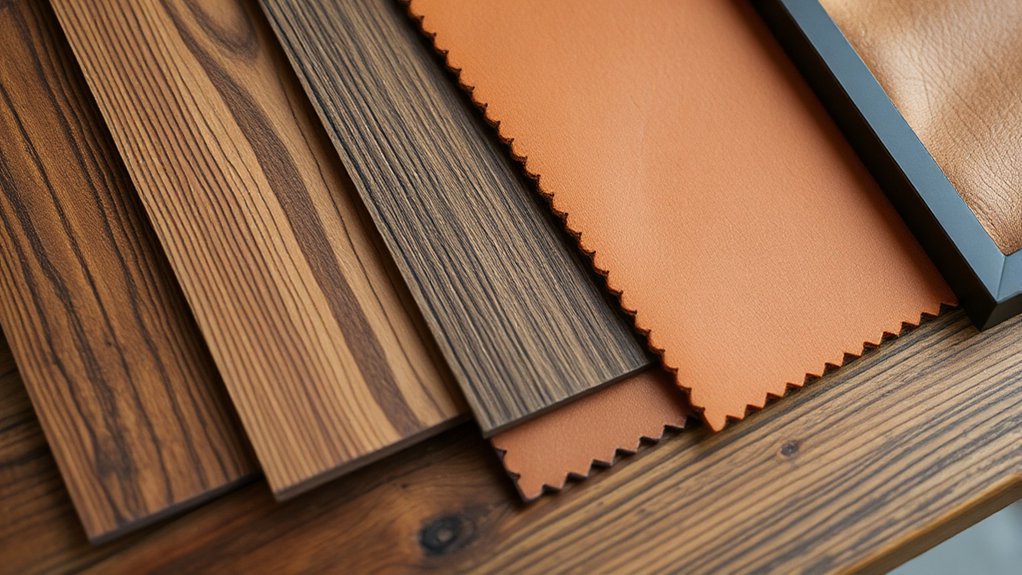
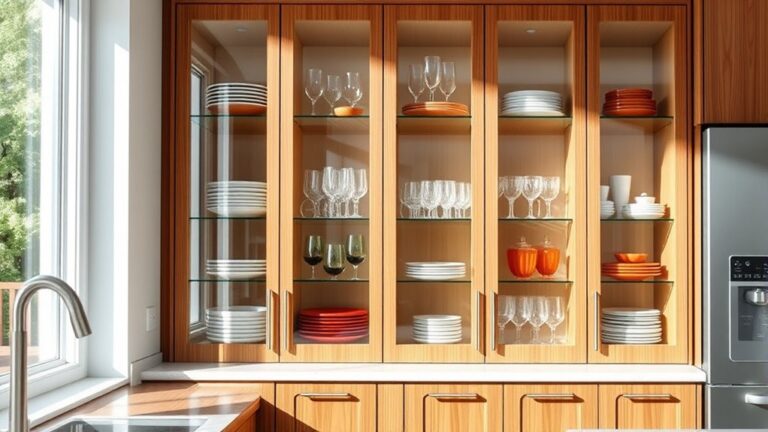
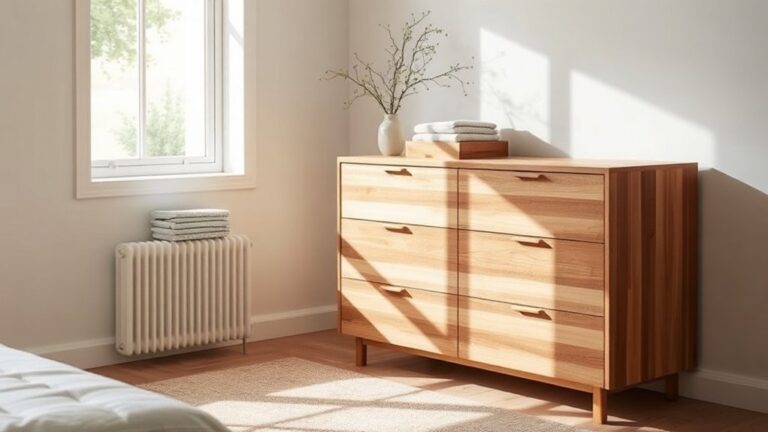
When you choose furniture, focusing on materials that stand the test of time can save you money and hassle. Start by looking for solid hardwoods like oak, maple, or walnut. They resist wear and don’t warp easily. These materials also align well with eco-friendly goals, especially when sourced sustainably.
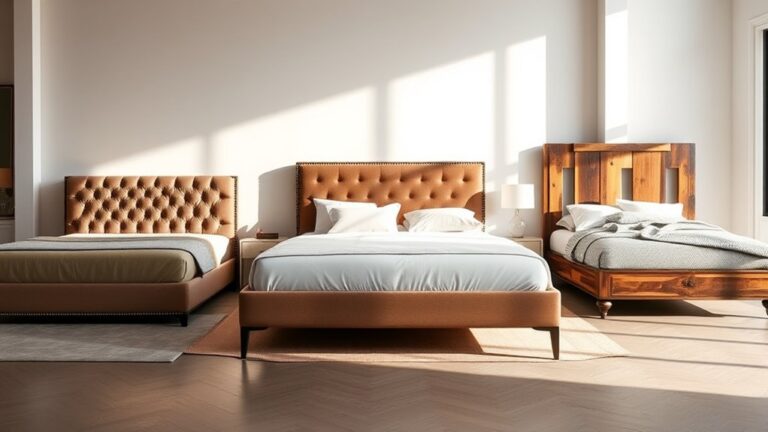
For upholstery, opt for tightly woven fabrics or leather, as they handle daily use better and require less frequent replacement. Incorporating furniture maintenance tips like regular cleaning and conditioning can extend their lifespan even more.
Avoid particleboard or cheap veneers that deteriorate quickly under stress or moisture. Metal furniture with powder-coated finishes also offers durability and low upkeep.
Check Durable Furniture Construction for Quality
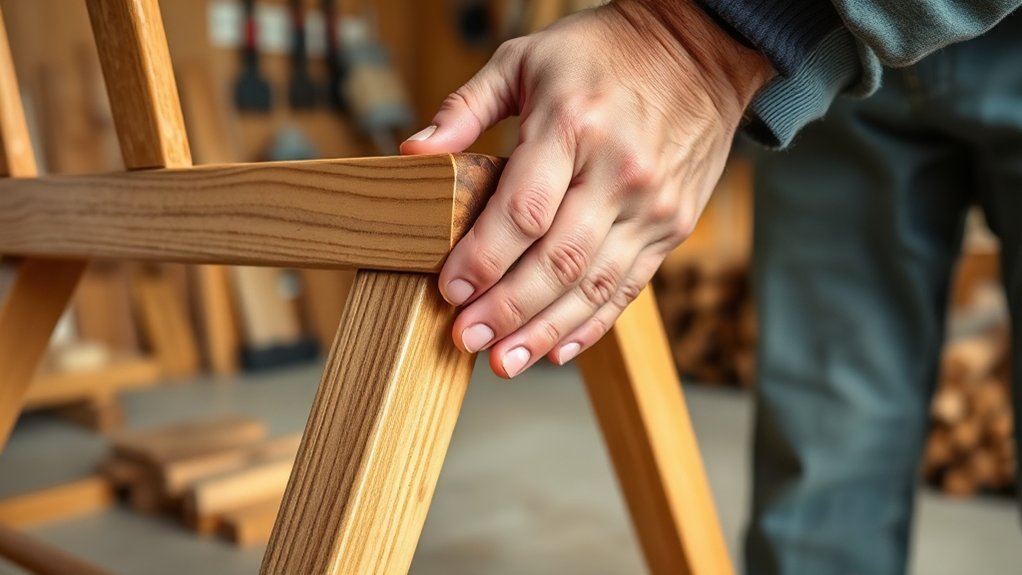
Although selecting durable materials is essential, you should also check how the furniture is constructed to guarantee lasting quality. Pay close attention to the joinery techniques used, as these determine the strength and stability of the piece. Look for joints like dovetail or mortise-and-tenon, which are proven to hold up well over time. Avoid staples or nails alone, as they tend to weaken with use.
Besides joinery, examine the finish types applied. A high-quality finish not only improves appearance but also protects the furniture from scratches, moisture, and wear. Opt for finishes like lacquer or polyurethane, which provide durable, long-lasting protection. Make sure the finish is even and smooth without bubbles or rough patches, as these signal poor craftsmanship.
Choose Timeless Furniture Styles That Resist Wear
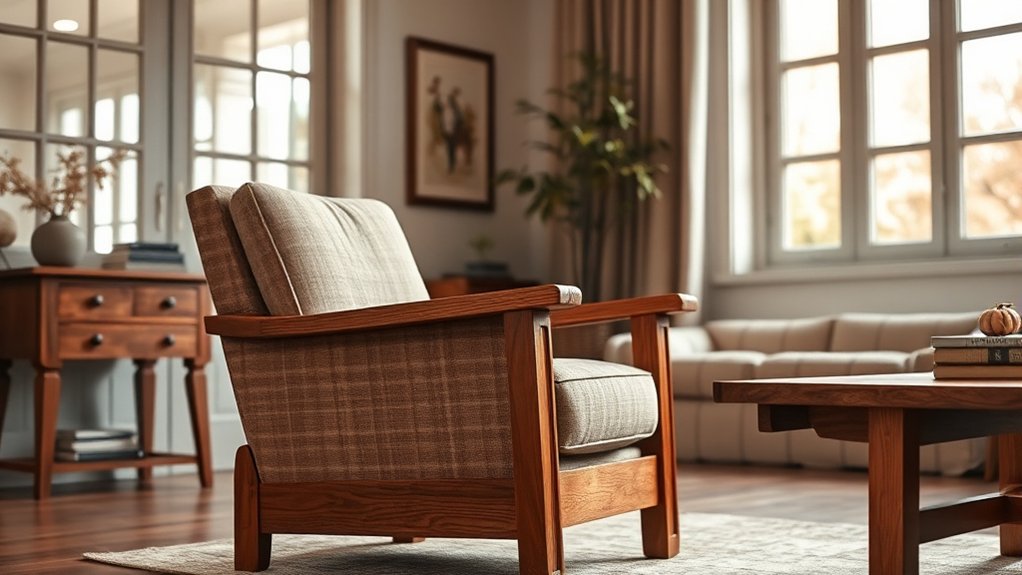
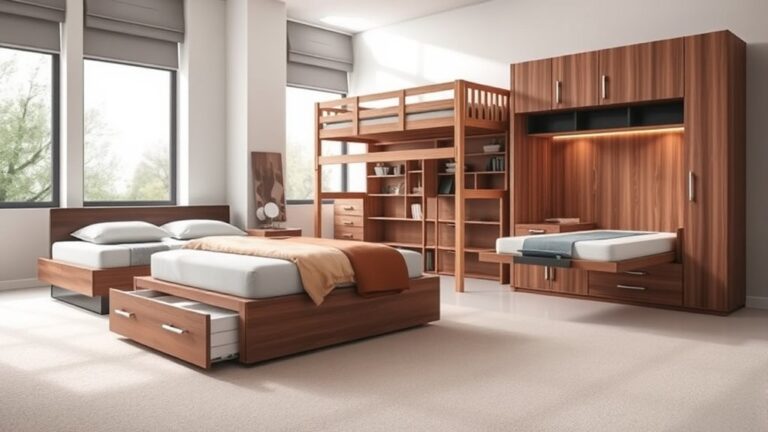
Since you want your furniture to stand the test of time, choosing timeless styles is essential. Opt for pieces with classic design elements that won’t feel outdated as trends change. This way, your furniture maintains appeal and practical use for years.
Also, look for versatile aesthetics that blend with various decor styles. This makes it easier to refresh your space without replacing key items.
Here’s a quick guide to help you pick styles that resist wear and stay relevant:
| Style Type | Key Feature | Why It Lasts |
|---|---|---|
| Mid-Century | Clean lines | Simple, adaptable look |
| Traditional | Ornate details | Classic design, timeless feel |
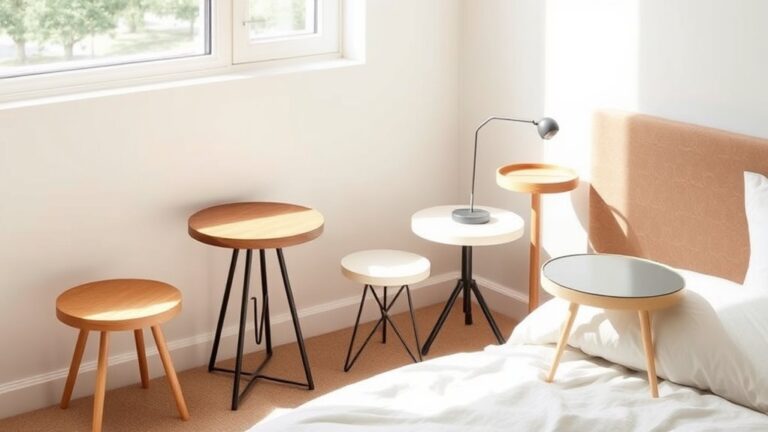
| Scandinavian | Minimalist approach | Versatile aesthetics, durable |
Frequently Asked Questions
How Can I Properly Maintain Furniture to Extend Its Lifespan?
You can properly maintain furniture to extend its lifespan by regularly cleaning and protecting its surfaces based on the furniture materials. For wood, use gentle cleaners and polish occasionally. For fabric, vacuum and spot-clean stains promptly.
Establish maintenance routines like checking joints and tightening screws to prevent damage. Avoid direct sunlight and moisture exposure, which can degrade materials. By staying consistent with these care habits, you’ll keep your furniture looking great and lasting longer.
What Are the Best Cleaning Products for Different Furniture Materials?
For wood care, you’ll want to use a gentle cleaner like a mixture of mild soap and water or a specialized wood cleaner to avoid damaging the finish.
For upholstery cleaning, vacuum regularly and spot-clean with fabric-specific cleaners or a mixture of water and vinegar. Avoid harsh chemicals on delicate fabrics.
Always test a small area first to make sure the cleaner won’t cause discoloration or damage. This keeps your furniture looking great longer.
How Does Climate Affect Furniture Durability and Care?
While dry air might seem harmless, humidity effects can warp wood and weaken joints, whereas excessive moisture invites mold and mildew. Temperature fluctuations cause materials to expand and contract, leading to cracks or loosened fittings.
You’ll need to balance these extremes by controlling indoor climate, using dehumidifiers or humidifiers as needed. That way, you’ll protect your furniture’s integrity and extend its life despite challenging environmental changes.
Are There Warranties or Guarantees for Durable Furniture?
Yes, many durable furniture pieces come with warranty options that protect your investment. These warranties often cover structural defects and can vary in guarantee lengths, ranging from one year to a lifetime.
When you shop, check the fine print to understand what’s included and how long the coverage lasts. Choosing furniture with solid warranty options gives you peace of mind, ensuring your purchase stays protected against unexpected issues.
How Often Should I Inspect My Furniture for Repairs?
You should inspect your furniture for repair signs at least every three to six months. Regular checks help you catch furniture wear early, preventing small issues from turning into costly repairs.
Look for loose joints, scratches, or sagging cushions as common repair signs. If your furniture gets heavy use, like in living rooms or offices, inspect it more frequently to keep it sturdy and looking great for years to come.
Conclusion
Choosing durable furniture is like planting a strong oak tree. You want it to grow steady and last for years. Imagine your living room with pieces that stand firm through daily life, just like that oak weathers every season.
By focusing on quality materials, solid construction, and timeless style, you’ll invest in furniture that not only looks great but stays reliable. Remember, durable furniture is your home’s long-lasting foundation, ready to support countless memories.
In the end, choosing durable furniture means making a smart investment in comfort and style that lasts.