7 Factors That Affect How Much Furniture Costs
Finding the perfect furniture that fits your style and budget can be frustrating. You’re not alone if you’ve ever felt overwhelmed by the costs or unsure why prices vary so much. Many people struggle with understanding what really drives furniture prices, making it hard to decide when and what to buy.
You’ll pay more for furniture based on seven key factors. The materials used like solid wood or eco-friendly fabrics impact durability and price.
Brand reputation adds value and trust, often pushing costs up. Skilled craftsmanship and complex designs demand higher labor expenses.
Where the furniture comes from influences shipping and quality. Current design trends and luxury finishes also affect prices.
Finally, timing your purchase can save you money. Keep exploring to uncover how each factor shapes what you pay.
Key Takeaways
- Furniture material quality and sustainability significantly influence cost due to durability, aesthetics, and eco-friendly sourcing expenses.
- Brand reputation affects pricing through perceived quality, warranty support, and consumer trust.
- Skilled craftsmanship and design complexity increase labor costs and overall furniture price.
- Origin and shipping add costs based on production standards, import fees, and logistical challenges.
- Timing and market demand impact prices through seasonal sales, trends, and consumer preferences.
How Furniture Materials Affect Price
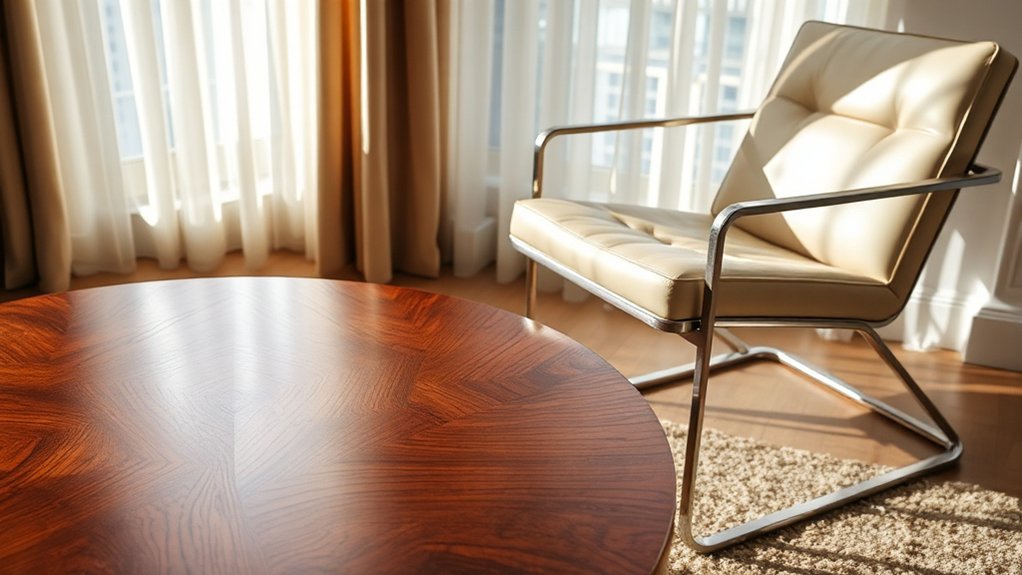
While shopping for furniture, you’ll notice that the materials used play a big role in the price. Different wood types, like solid oak or pine, vary greatly in cost due to their durability factors and aesthetic appeal.
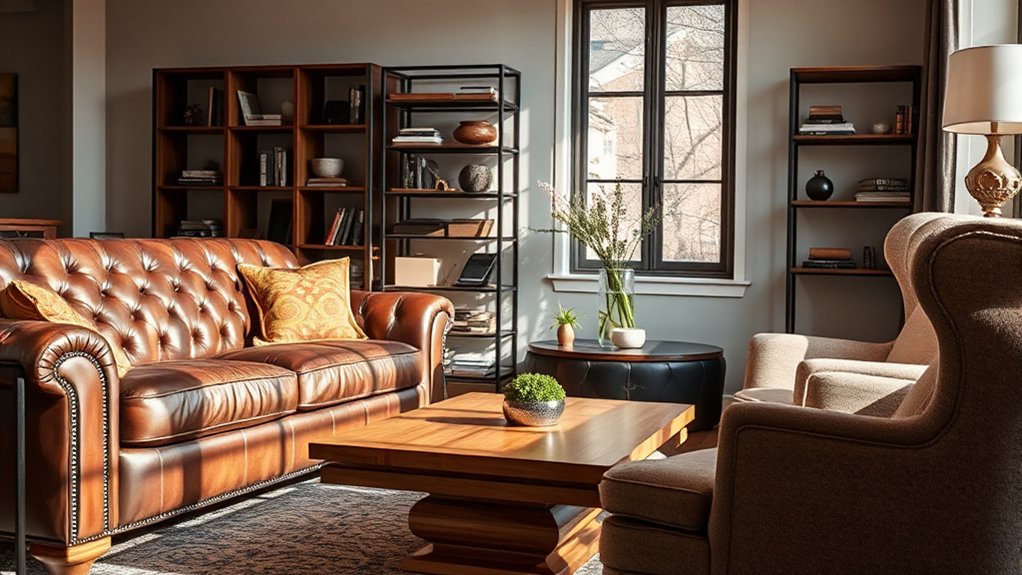
Upholstery options also impact price. Natural fabrics like leather tend to cost more than synthetic ones but often require less maintenance. Metal finishes affect both style and longevity; polished brass or brushed steel can raise costs compared to basic metal coatings.
Eco friendly materials are becoming popular, often priced higher due to sustainable sourcing and specialized manufacturing processes. These processes can add to labor costs but improve quality.
You’ll find that furniture with higher durability factors usually demands less upkeep, balancing initial investment with maintenance requirements. By understanding these material choices, you can make informed decisions that fit your budget and preferences while ensuring your furniture lasts and looks great.
Why Brand Reputation Raises Furniture Costs

You’re paying more for furniture from well-known brands because they promise higher quality and value. It’s not just about the product itself; their marketing and prestige add to the price, making you feel confident in your purchase.
And there’s more to it—when you buy from these brands, you often get better warranty and service support, which less expensive brands might not offer. So, you’re really paying for peace of mind as much as the furniture.
Perceived Quality And Value
Perception plays a powerful role in how you evaluate furniture prices. When a piece meets your consumer expectations, especially in perceived durability and aesthetic appeal, you’re more willing to pay a premium. This sense of quality often ties into your emotional connection with the brand, which builds brand loyalty over time.
Sustainable practices also influence perceived value, as eco-conscious buyers tend to favor brands aligned with their values.
Here are four key factors shaping your perception of furniture value:
- How durable the furniture feels and looks.
- The emotional connection you build with the brand.
- The resale value you expect based on market trends.
- The brand’s commitment to sustainable practices.
These elements all raise the furniture’s perceived quality and justify higher costs.
Marketing And Brand Prestige
Brand reputation plays an essential role in determining furniture costs because it shapes how much trust and desirability you associate with a product. When a brand uses effective marketing strategies, its market positioning enhances, making you view its pieces as more valuable.
Luxury branding often involves exclusive collaborations and targeted advertising impact, which boost social influence and consumer perception. These efforts create a sense of prestige around the brand, encouraging you to pay a premium.
As you develop brand loyalty, you’re more likely to choose their furniture despite higher prices, trusting in quality and style. In short, the stronger a brand’s reputation, the more you’re willing to invest, directly increasing the cost of its furniture offerings.
Warranty And Service Support
Strong brand reputation often goes hand in hand with thorough warranty and service support, which can greatly influence furniture costs. When you buy from a well-known brand, you’re paying for more than just the product; you’re investing in peace of mind backed by reliable customer support.
Here’s why that raises costs:
- Longer warranty duration guarantees your furniture is protected against defects for years.
- High service quality means prompt, professional help when issues arise.
- Flexible repair options let you fix problems without replacing entire pieces.
- Dedicated customer support offers guidance, making your experience smoother.
These factors add value by reducing risk and hassle, which is why reputable brands can charge more. You’re not just buying furniture; you’re buying trust and lasting service.
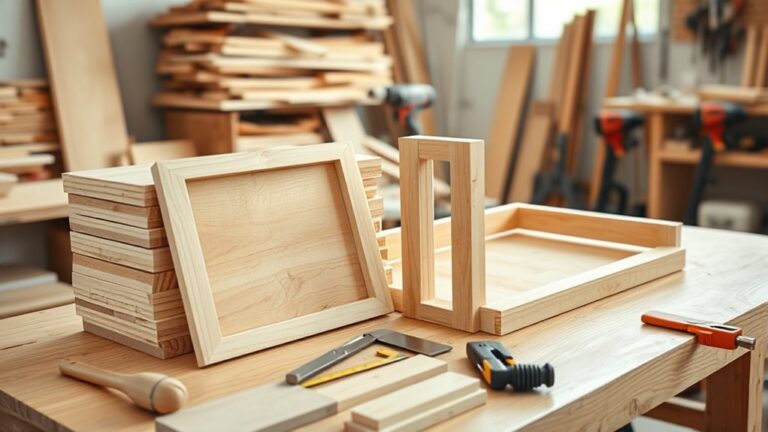
How Craftsmanship Impacts Furniture Prices

You’ll notice that furniture prices often reflect the skill level needed to create each piece. It’s all about the time craftsmen spend perfecting details and working expertly with materials. Because of this, handcrafted furniture usually ends up costing more. When you understand these factors, it’s easier to see why the price is higher.
Skill Level Required
Although you might not always notice it, the skill level required to craft furniture plays a major role in its price. Different skill levels influence how artisans handle production techniques and meet assembly requirements. Here’s why it matters:
- Design Expertise: Higher skill levels allow craftsmen to execute complex designs, raising costs.
- Craftsmanship Variations: Skilled workers produce finer details, demanding better training programs and certifications.
- Tool Accessibility: Advanced tools require trained operators, impacting labor markets and pricing.
- Industry Standards: Adhering to strict standards means more experienced workers are needed, affecting cost.
When you buy furniture, you’re paying for the craftsmanship shaped by skill certifications, training, and the ability to navigate production complexities efficiently.
Time Investment Needed
Because craftsmanship demands significant time investment, the hours spent on each piece directly affect furniture prices. When you consider the time commitment involved, you’ll see how project duration influences labor costs.
From the planning phase to sourcing materials, every step takes careful attention. You’ll need to allow for design iterations, which guarantee the final product meets your expectations but also add to the timeline.
Assembly requirements can vary, with more complex pieces demanding additional skilled work. Delivery timelines also play a role, as coordinating transport for handcrafted furniture often requires extra effort.
When you understand these factors, it’s clear that the time invested by artisans directly contributes to the overall cost of your furniture, reflecting both quality and care.
Material Handling Expertise
The hours artisans spend on each piece don’t just add up in time. They also reflect the skill required to handle materials properly. When you consider material handling expertise, you’re looking at how craftsmanship influences furniture costs through every step of the supply chain.
Expert handling reduces damage, improves logistics efficiency, and guarantees smooth warehouse management. Here’s how it impacts prices:
- Material sourcing demands precision to select and transport quality components.
- Handling techniques minimize defects and boost durability.
- Inventory control keeps materials organized, reducing waste.
- Transportation costs stay lower with damage prevention and efficient logistics.
You’ll find that skilled artisans and well-managed supply chains directly affect the final price you pay by protecting value throughout production and delivery.
How Furniture Origin Influences Prices
When you consider where furniture is made, you quickly realize how much origin impacts its price. Import regulations and shipping costs can add significant expenses if the piece travels far.
The origin of furniture greatly influences its price through import rules and shipping fees.
You’ll notice that furniture crafted in countries with higher labor standards often costs more, reflecting fair wages and better working conditions. Local craftsmanship plays a huge role, too. Artisans in certain regions bring unique skills and cultural influences that increase a piece’s value.
Historical significance can also raise prices, especially if the style or technique is tied to a renowned tradition. Furthermore, you should think about the environmental impact. Sustainable practices may cost more upfront but appeal to conscientious buyers, driving demand.
Market demand for furniture from specific origins can fluctuate, affecting prices accordingly. By understanding these factors, you’ll better grasp why furniture from different places varies so much in cost.
How Design Trends Shape Furniture Pricing
As design trends evolve, they directly influence how much you’ll pay for furniture. When you choose pieces aligned with trending styles, expect prices to reflect current consumer demand. Modern aesthetics and minimalist trends often drive popularity, impacting costs through their sleek appeal.
Here are four ways design trends shape pricing:
- Sustainable design: Eco-friendly materials and processes can raise prices because production costs are higher.
- Luxury finishes: Premium textures and finishes increase the perceived value and price.
- Innovative features: Adding ergonomic designs or smart technology makes things more complex and adds to the cost.
- Consumer demand: Popular trends boost demand, which can push prices up as brands capitalize on the hype.
How Size and Complexity Drive Furniture Prices
Although many factors influence furniture prices, size and complexity play a major role in determining the final cost. When you choose larger pieces, expect higher prices because they require more materials and labor.
Complex designs with intricate details or multiple components also increase costs, as they demand skilled craftsmanship and longer assembly times. If you prioritize space optimization, you might opt for multifunctional furniture, which often involves sophisticated mechanisms or clever storage solutions, both adding to the price.
Likewise, design functionality that improves usability or adaptability usually means extra engineering and quality materials, further driving up costs. Keep in mind that simpler items with straightforward designs typically save you money, but they might not meet your specific needs for efficient space use or improved function.
When and Where to Buy for the Best Furniture Deals
Timing your furniture purchases carefully can help you access significant savings. Knowing when and where to buy makes all the difference in getting the best deals.
Take advantage of seasonal sales, holiday promotions, and clearance events to snag quality pieces at reduced prices. Don’t overlook online discounts, which often offer exclusive deals not found in stores.
Here are four top tips to find great furniture deals:
- Shop warehouse sales and clearance events for deep discounts on overstocked or discontinued items.
- Visit local markets, thrift stores, and auction houses to uncover unique, affordable pieces.
- Monitor online discounts and holiday promotions for timely savings on popular furniture brands.
- Plan purchases around seasonal sales, especially end-of-season or holiday periods when retailers clear inventory.
Frequently Asked Questions
How Does Furniture Warranty Affect the Overall Cost?
A furniture warranty affects the overall cost by giving you peace of mind through its length and coverage details. Longer warranties often mean higher upfront prices, but they protect you against defects or damage for years.
When you choose furniture with extensive coverage details, you’re less likely to pay for repairs or replacements later. So, while the initial cost might be higher, the warranty can save you money and stress in the long run.
Do Delivery and Assembly Fees Impact Furniture Pricing?
Definitely, delivery logistics and assembly services do impact furniture pricing. When you choose convenient delivery options or require professional assembly, sellers often charge extra to cover these specialized services.
These fees can noticeably nudge up the total cost, especially if your furniture is bulky or complex. So, if you want to avoid surprises, you should always ask about delivery and assembly fees upfront before finalizing your purchase.
How Do Return Policies Influence Furniture Purchasing Decisions?
Return policies heavily influence your furniture purchasing decisions because return convenience gives you peace of mind. When a store offers hassle-free returns, you’re more confident buying, knowing you can easily exchange or return items if they don’t fit or meet expectations.
This boosts customer satisfaction, making you more likely to shop there again. So, clear and generous return policies make your shopping experience less stressful and more enjoyable.
Can Financing Options Affect the Total Furniture Price?
Yes, financing options can definitely affect the total furniture price. Did you know that nearly 60% of furniture buyers use financing?
When you choose financing terms with high interest rates, you’ll end up paying more over time than the sticker price. It’s important to compare interest rates and understand the repayment schedule so you don’t get surprised by extra costs.
Smart financing can save you money, while bad terms inflate your final bill.
Does Eco-Friendly Certification Change Furniture Costs?
Yes, eco-friendly certification can change furniture costs. When you choose certified furniture, you’re investing in sustainability benefits, which often means higher quality materials and responsible material sourcing.
These certifications require more rigorous processes and eco-conscious practices, so manufacturers might charge more. However, you’re supporting environmental health and often getting durable, well-made pieces, making it a smart choice despite the slightly higher price.
Conclusion
You might think buying furniture is just about picking what looks good, but it’s amazing how materials, brand, craftsmanship, origin, design, size, and timing all collide to shape the price you pay. It’s like a perfect storm of factors working together, whether you realize it or not.
So next time you shop, remember these elements. They’ll help you spot a great furniture deal just when you need it most.