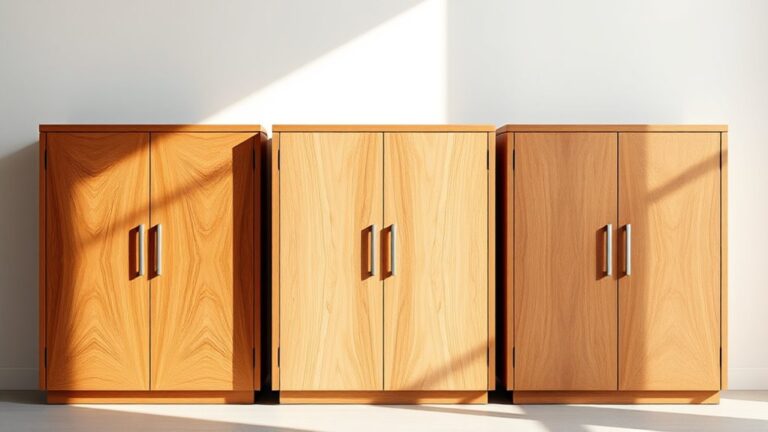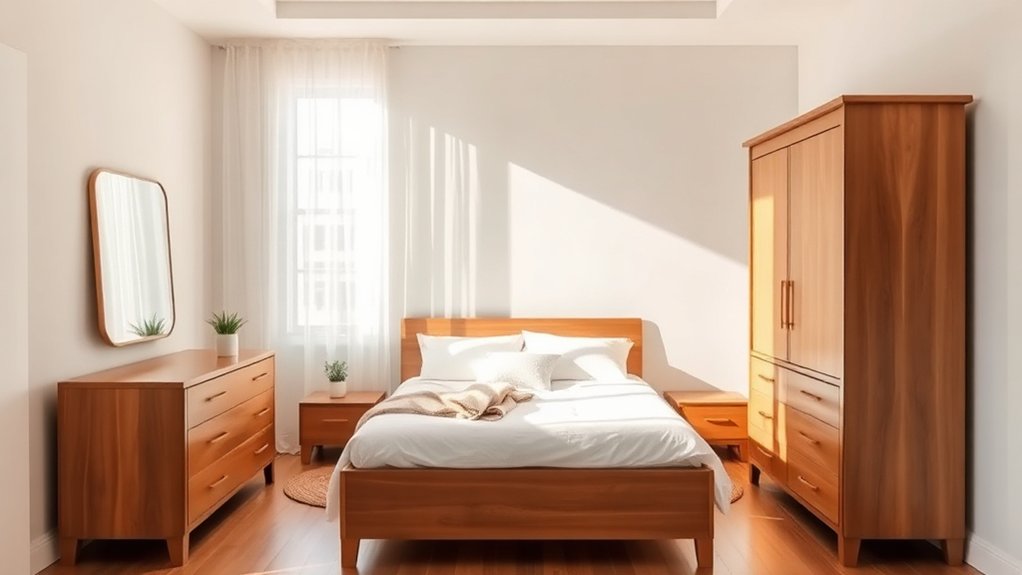
10 Tips on How Many Dressers a Bedroom Should Have
Figuring out how many dressers a bedroom should have can feel overwhelming. You want enough storage to keep things tidy but not so much that the room feels cluttered or cramped.
If you’ve struggled with this balancing act, you’re not alone—many people face the same challenge when organizing their bedrooms.
You should base how many dressers you need on your bedroom size, storage habits, and style. Larger rooms can fit multiple dressers, but smaller spaces often work better with one versatile piece.
Consider if you need drawers for bulky clothing, accessories, or daily essentials.
Placement matters too. Keep dressers near closets and out of traffic flow.
Watch for clutter or hard-to-move areas, which mean you might have too many.
Keep exploring to find smart storage solutions and balance.
Key Takeaways
- Assess your clothing volume and storage habits to determine the necessary dresser size and number.
- Consider bedroom size and layout to avoid overcrowding and ensure smooth traffic flow.
- Choose dresser styles that complement your room’s aesthetic and coordinate with existing furniture.
- Maximize storage by using vertical space, multifunctional furniture, and strategic dresser placement near closets.
- Avoid clutter and overload by limiting dressers, using creative storage alternatives, and maintaining organized surfaces.
Deciding How Many Dressers Your Bedroom Needs
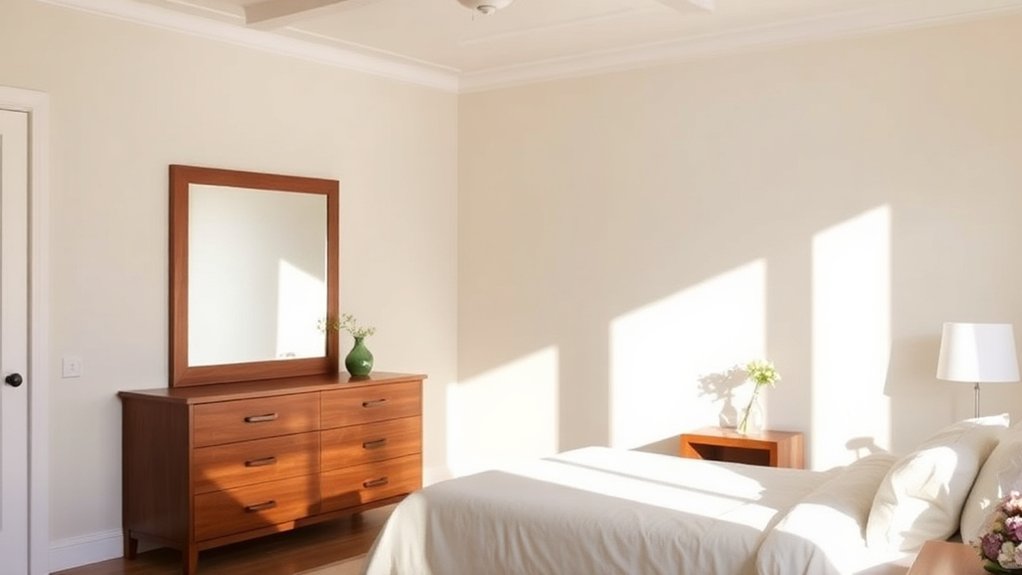
How do you determine the right number of dressers for your bedroom? Start by evaluating your storage needs based on the clothing you have and how you prefer to organize it.
Consider various dresser styles, from tallboy to lowboy, which affect both storage capacity and room aesthetics. Different styles offer unique advantages, so choose one that fits your lifestyle and complements your bedroom decor.
Explore dresser styles like tallboy and lowboy to enhance storage and complement your bedroom’s style.
Pay close attention to drawer sizes; larger drawers suit bulky items like sweaters, while smaller ones help keep accessories organized. You might find that one dresser with versatile drawer sizes can replace multiple smaller units.
Also, think about how you use the dresser. Do you need space for daily essentials or seasonal clothes? Balancing these factors helps you decide whether a single dresser or multiple pieces are best.
How Bedroom Size Affects Dresser Quantity
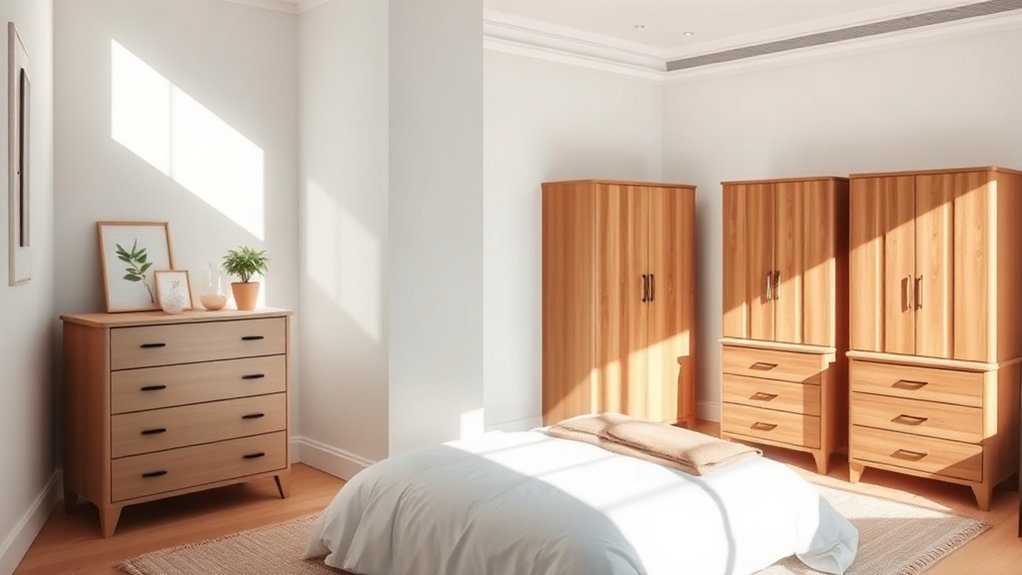
Your bedroom’s size directly influences the number of dressers you can comfortably fit without crowding the space. When planning, consider your bedroom dimensions carefully. Larger rooms can accommodate multiple dressers, while smaller spaces require more strategic choices.
Pay attention to dresser proportions. Oversized dressers in tight areas disrupt 空间规划 and reduce storage efficiency. Instead, choose pieces that complement your room’s scale to maintain design harmony.
Efficient use of vertical space can also help if floor area is limited. This allows you to add storage without sacrificing movement. Remember, cramming too many dressers can clutter your bedroom, making it feel cramped and less inviting.
Focus on balancing storage needs with spatial comfort. Ensure each dresser adds value without overwhelming the room. By aligning dresser quantity and size with your bedroom’s dimensions, you create a functional, stylish space that maximizes storage efficiency and maintains 空间规划 throughout.
Matching Dressers to Your Bedroom’s Style and Space
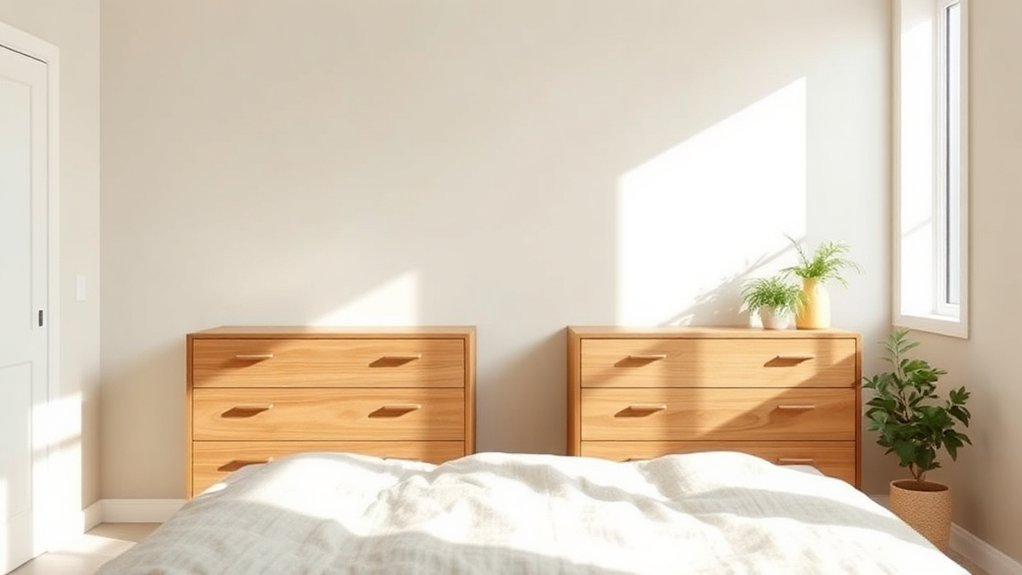
Choosing the right dresser involves balancing style and space to improve your bedroom’s overall look and functionality. Start by evaluating your room’s style, whether you lean toward bohemian dressers with their eclectic charm or prefer sleek pieces that reflect modern aesthetics.
Vintage appeal can add character, but make sure it blends well with your existing décor. Pay attention to color coordination. Matching dresser hues to your walls, bedding, or flooring creates style harmony that feels intentional and polished.
If your space is small or you want a clean look, a minimalist approach works best, avoiding bulky or overly ornate dressers. Remember, the dresser should complement, not compete with, your bedroom’s vibe.
Ultimately, choose a dresser that fits both your space and style preferences, enhancing your room’s comfort and appearance without overwhelming it. This careful match creates a cohesive, inviting environment tailored just for you.
When to Choose Multiple Dressers vs. One Large Dresser
You’ll want to think about how much space you have and the storage you actually need before choosing between multiple dressers or one large piece. Also, consider how each option fits with your room’s layout and flow. Doing this will help you figure out what works best for your bedroom’s function and style.
Space Availability Considerations
Although it might seem easier to pick a single large dresser, evaluating the available space in your bedroom can reveal when multiple smaller dressers make more sense. Start by measuring your room proportions carefully, noting where furniture fits without crowding walkways or windows.
Consider dresser dimensions in relation to your walls. Sometimes one big piece overwhelms a smaller room or blocks natural light. Multiple smaller dressers offer flexibility, allowing you to spread storage across different spots while maintaining balance. They also adapt better if you rearrange furniture later.
Ultimately, matching dresser size and quantity to your room’s layout guarantees you maximize space without sacrificing style or comfort. Pay close attention to how each option complements your bedroom’s flow before deciding.
Storage Needs Assessment
How much storage do you really need in your bedroom? Start by evaluating your storage priorities through a wardrobe assessment. Consider your personal preferences and organizational strategies.
If you have seasonal clothing or anticipate lifestyle changes, multiple dressers might serve better. One large dresser suits those with stable needs and clear functional requirements. Balance aesthetic choices with practicality.
| Storage Priorities | Organizational Strategies | Aesthetic Choices |
|---|---|---|
| Seasonal Clothing | Drawer Dividers | Matching Sets |
| Lifestyle Changes | Categorized Storage | Mixed Styles |
| Wardrobe Assessment | Frequent Access Items | Color Coordination |
| Functional Needs | Labeling | Statement Pieces |
| Personal Preferences | Space Optimization | Minimalist Design |
Room Layout Impact
Two key factors in deciding between multiple dressers or one large dresser are your room’s size and layout. You want to balance functionality with aesthetic appeal, considering traffic flow and furniture arrangement.
Multiple dressers work well if you want to create room zoning or highlight decorative accents, while a single large dresser offers a sleek look and helps with color coordination.
Consider these points:
- Use multiple dressers to improve space illusion in smaller rooms and adapt to seasonal changes.
- A large dresser suits bigger rooms where lighting considerations emphasize one statement piece.
- Personal preferences shape your choice, balancing storage needs with room zoning and overall design.
Think about how these elements impact your daily use and style.
How Occupant Storage Habits Influence Dresser Needs
Your storage habits play a major role in determining what kind of dresser will best suit your bedroom. If you tend to accumulate many clothes, accessories, or seasonal items, you’ll need a larger dresser or even multiple dressers to keep everything organized.
On the other hand, if you prefer minimalism or only keep essentials in your bedroom, a single, smaller dresser might be sufficient. Understanding your occupant preferences is key. Do you like to separate items by type, or do you prefer a more consolidated approach?
Do you frequently switch wardrobes, requiring easy access to various clothing types? These storage habits directly influence not just the size but also the style and number of dressers you need. Tailoring your dresser choices to your personal habits guarantees your bedroom stays clutter-free and functional.
This makes your daily routine smoother and more enjoyable. Always assess how you use your space before deciding on dresser quantity and style.
Combining Dressers With Other Bedroom Storage Solutions
Combining dressers with other bedroom storage solutions can maximize your space and keep everything organized. When you think about dresser combinations, look beyond standalone pieces. Creating storage synergy by integrating dressers with shelves, under-bed storage, or closet organizers can dramatically improve your room’s functionality.
Maximize space and organization by combining dressers with shelves, under-bed storage, or closet systems for better functionality.
Consider these three dresser combinations to boost storage synergy:
- Dresser plus floating shelves: Use shelves above your dresser to hold accessories or décor, freeing drawer space for clothes.
- Dresser with under-bed bins: Supplement dresser capacity with slim bins under your bed for shoes or seasonal items.
- Dresser integrated into closet systems: Incorporate a dresser within your closet to centralize storage and reduce clutter elsewhere.
Where to Place Dressers for Maximum Space and Comfort
Placing dressers thoughtfully can transform your bedroom into a more spacious and comfortable retreat. Start by considering dresser height to guarantee it complements your bed and doesn’t block windows or mirrors.
Corner placement often maximizes floor space while maintaining good traffic flow. Make certain drawer accessibility isn’t hindered by adjacent furniture or walls, allowing you to open drawers fully without obstruction.
Balance aesthetics by aligning your dresser with other furniture to create a cohesive look.
| Placement Option | Key Benefit |
|---|---|
| Against a wall | Boosts traffic flow |
| In a corner | Saves floor space |
| Near the closet | Improves drawer access |
Signs You Have Too Many Dressers in Your Bedroom
Too many dressers can quickly clutter your bedroom, making it feel cramped and overwhelming. When you face dresser overload, it’s a clear sign your space needs a rethink. Here are three signs you have too many dressers:
- Limited Floor Space: You struggle to move around without bumping into furniture, making your room feel smaller and less inviting.
- Disorganized Surfaces: Dressers pile up with random items, defeating your organization strategies and creating visual chaos.
- Redundant Storage: You find yourself storing similar items in multiple dressers, leading to wasted space and confusion.
If any of these sound familiar, it’s time to reconsider how many dressers you really need. Simplifying your furniture will not only free up space but also improve your bedroom’s flow and functionality. Focus on smarter organization strategies instead of adding more dressers to keep your bedroom comfortable and clutter-free.
Creative Alternatives to Adding More Dressers
If you’re running out of space, why not go vertical? Shelves or tall storage units can keep things organized without cluttering your floor.
You can also pick multifunctional furniture, like beds with built-in drawers or ottomans that double as storage. These smart options help you make the most of your space without adding more bulky dressers.
Utilize Vertical Storage
One of the smartest ways to maximize your bedroom space is by using vertical storage solutions. Instead of adding more bulky dressers, try to think upwards. Vertical shelving and wall-mounted storage can free up floor space while keeping your belongings organized and accessible.
Here are three ideas to get you started:
- Install tall vertical shelving units beside your bed to store folded clothes and accessories.
- Use wall-mounted storage baskets or cubbies above your dresser for shoes or small items.
- Mount hooks or pegboards on empty walls to hang bags, scarves, or jewelry neatly.
Incorporate Multifunctional Furniture
While adding more dressers might seem like the easiest solution for extra storage, you can save space and boost functionality by choosing multifunctional furniture instead. Opt for multifunctional nightstands with hidden compartments to keep essentials organized without clutter.
Convertible dressers that double as desks or vanities maximize your room’s potential. Storage ottomans and multi-use benches offer seating plus discreet spots for clothes or linens. Incorporate wardrobe integration combined with modular shelving for streamlined storage tailored to your needs.
Stylish hampers and decorative baskets add charm while concealing laundry or accessories. Don’t overlook under bed storage; it’s perfect for seasonal items or shoes. By blending these versatile pieces, you reduce the need for multiple dressers while keeping your bedroom neat and stylish.
Balancing Storage and Layout for a Clutter-Free Bedroom
Although bedroom dressers provide essential storage, you’ll want to arrange them thoughtfully to maintain a clutter-free space. Balancing storage and layout guarantees your room feels open and inviting while reflecting your personal style.
Thoughtful dresser arrangement ensures a clutter-free, open bedroom that reflects your unique style.
Adopt a minimalist design by choosing dressers that offer maximum storage without overwhelming the space. Here’s how you can balance storage and layout effectively:
- Assess your space: Measure your bedroom and note where dressers fit without blocking pathways or natural light.
- Prioritize functionality: Select dressers with compartments that suit your needs, reducing the need for extra storage pieces.
- Create visual harmony: Position dressers to complement your bed and other furniture, keeping the room balanced and uncluttered.
Frequently Asked Questions
What Materials Are Best for Durable Bedroom Dressers?
You’ll want to choose solid wood if you’re after durability and timeless style. It stands up well to daily use and can be refinished if scratched.
Composite materials like MDF or plywood are budget-friendly but usually less durable than solid wood. If you go with composites, look for high-quality ones with a smooth finish.
Ultimately, solid wood dressers offer the best longevity, while composites work if you’re on a tighter budget.
How Do I Maintain and Clean My Dresser Properly?
To maintain and clean your dresser properly, start with gentle cleaning techniques like wiping it down with a soft, damp cloth regularly. Avoid harsh chemicals that can damage the finish.
For wood dressers, use furniture polish or wax occasionally to protect the surface. Keep your dresser away from direct sunlight and humidity to prevent warping.
These maintenance tips will keep your dresser looking great and extend its lifespan.
Are Dressers Suitable for Storing Non-Clothing Items?
Imagine Sarah, who uses her dresser not just for clothes but also for non clothing storage, like her craft supplies and important documents. Yes, dressers are versatile pieces of furniture that adapt well beyond clothing.
You can store books, gadgets, or even kitchen linens. Their versatility means you can organize various items neatly, making dressers a practical solution for non clothing storage in any room you choose.
What Are Popular Dresser Brands and Price Ranges?
You’ll find popular dresser brands like IKEA, West Elm, and Pottery Barn offering a variety of dresser styles from modern to rustic. IKEA is budget-friendly, with prices often under $300. West Elm and Pottery Barn lean higher, ranging from $500 to $1,500.
When doing brand comparisons, consider quality, style, and price to pick what fits your space and budget best. Don’t forget to check customer reviews for durability insights!
Can Dressers Be Easily Moved Without Damage?
Imagine sliding a heavy dresser across your wooden floor without a scratch in sight. Yes, dresser mobility is possible, but you need to be careful.
To prevent damage, lift rather than drag your dresser and use furniture sliders or protective pads under the legs. Secure any drawers or doors before moving to avoid rattling or breakage.
With these steps, you can move your dresser smoothly while keeping your floors and furniture safe.
Conclusion
So, you want to pile on dressers for that “perfect” bedroom, huh? Remember, more isn’t always better unless you’re aiming for a maze of drawers to get lost in.
A bedroom stuffed with dressers might just turn into a furniture showroom rather than your peaceful retreat. Instead, think smart: balance space, style, and storage.
After all, your bedroom should be a haven, not an obstacle course of clunky dressers waiting to trip you up! When deciding how many dressers a bedroom should have, keep that balance in mind.