How Wide Is a Loveseat – Complete Size Guide
Finding the perfect loveseat for your home can feel like a challenge. You want something that fits your space without overwhelming it, but also offers enough comfort for relaxing or entertaining.
If you’ve ever struggled to figure out how wide a loveseat should be, you’re not alone. Many people face this dilemma when balancing style, size, and seating needs. How Wide Is a Loveseat.
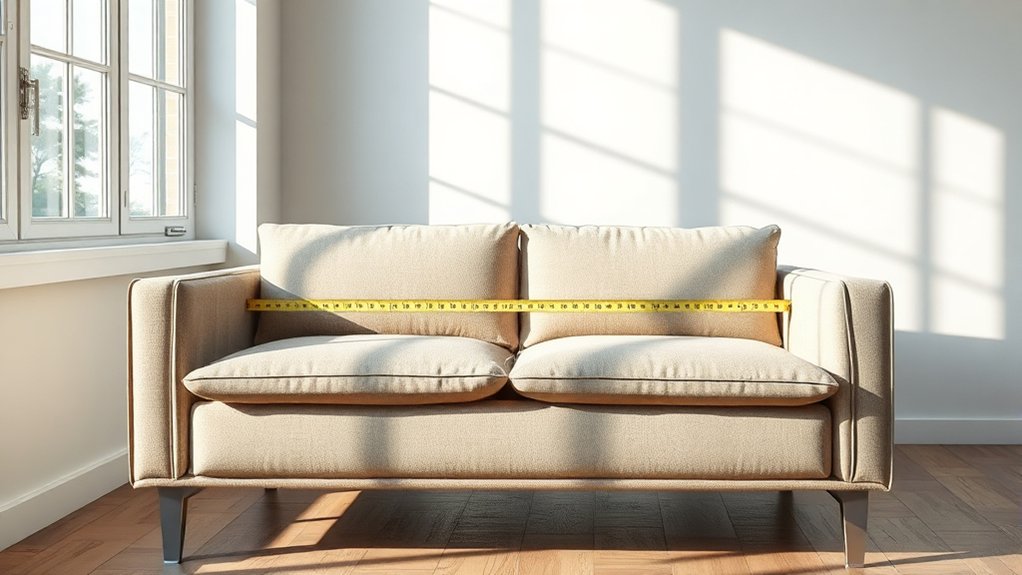
A loveseat typically ranges from 48 to 72 inches wide, with modern, sleek designs usually around 48 to 60 inches and traditional styles closer to 60 to 72 inches. Depths fall between 30 and 40 inches, balancing comfort without overcrowding your room.
Choosing the right width depends on your space and seating needs. Narrower models fit small rooms, while wider ones offer more comfort. Keep your available space in mind to improve flow and style.
There’s much more to uncover about selecting the perfect loveseat size for your home.
Key Takeaways
- Loveseats typically range from 48 to 72 inches in width, with modern styles being narrower and traditional styles broader.
- Standard loveseat dimensions include depths of 30-40 inches and heights of 30-36 inches.
- Small space loveseats are usually 48-54 inches wide with a depth under 35 inches for better room flow.
- Sectional loveseats start at about 60 inches wide and vary depending on design and materials.
- Proper width selection ensures comfort and avoids overcrowding. It’s recommended to have 24-30 inches clearance for movement around the loveseat.
What Is a Loveseat and Why Size Matters
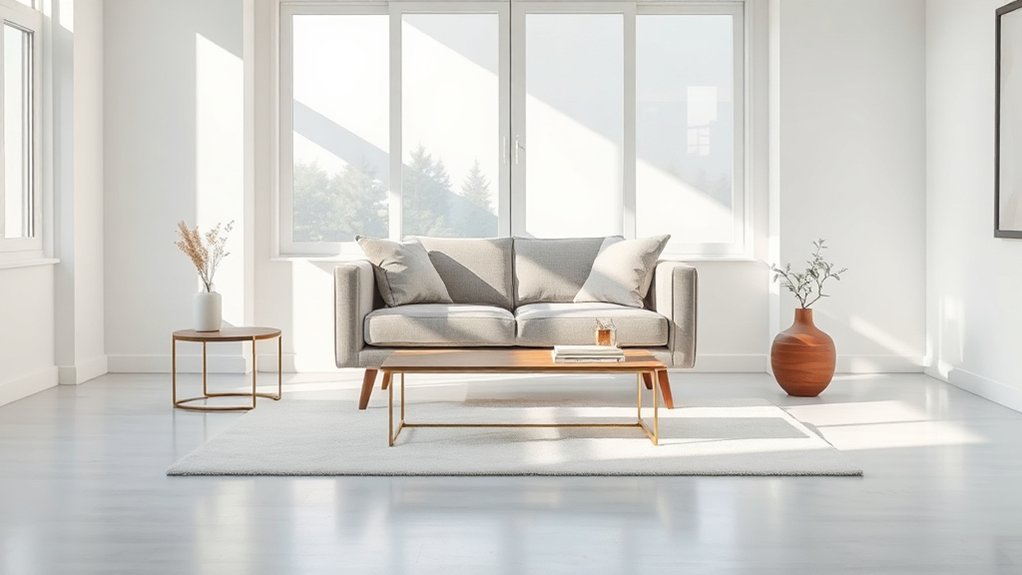
A loveseat is a compact sofa designed to comfortably seat two people, making it a perfect choice for smaller spaces or cozy corners. Understanding the loveseat history helps you appreciate its evolution from a simple two-seater to a versatile piece of furniture.
Originally crafted in the 18th century to accommodate couples, loveseats combined charm with practicality. Today, loveseat functionality goes beyond seating. These pieces often feature reclining options, built-in storage, or convertible designs to maximize utility in tight spaces.
When choosing a loveseat, size matters because it impacts both comfort and the room’s flow. You want a piece that fits well without crowding your space or looking out of place. By grasping what a loveseat is and why size is essential, you’re better equipped to pick one that improves your living area’s style and comfort.
Typical Loveseat Widths: What to Expect
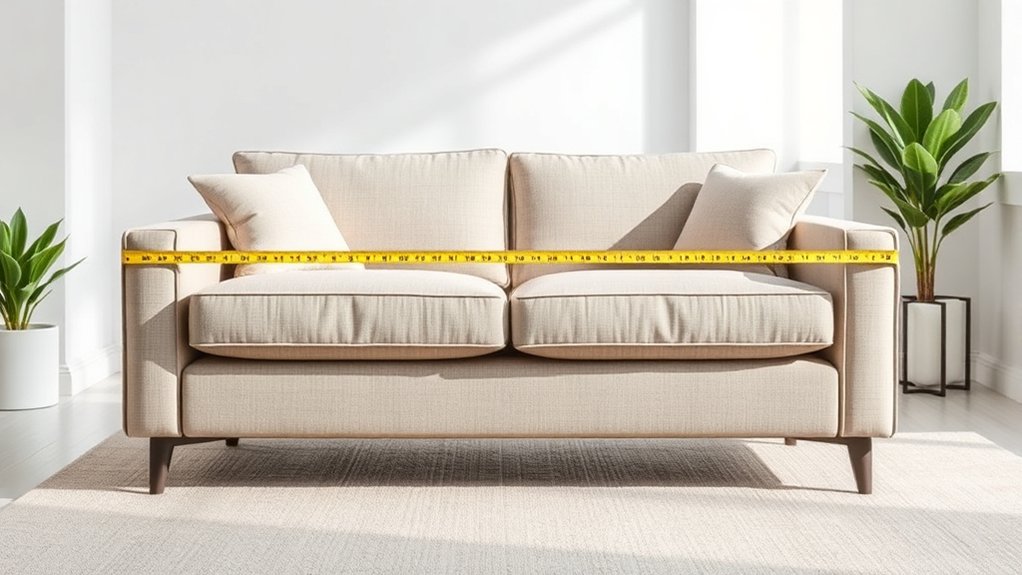
You’ll find that most loveseats fall within a standard width range, but styles can vary quite a bit. So, it’s important to take these differences into account when choosing one that fits your space perfectly. Let’s take a look at what typical dimensions you can expect and how they might impact your room layout.
Standard Loveseat Dimensions
Most standard loveseats measure between 48 and 72 inches in width, making them a versatile choice for smaller spaces. When selecting your loveseat, consider how loveseat materials affect size and comfort. Leather or fabric upholstery might add subtle differences in dimensions due to padding thickness.
Loveseat shapes also influence their footprint. Traditional straight-back designs tend to fit neatly in compact rooms, while curved or rounded shapes may require a bit more space. Keep in mind that standard dimensions typically include a depth of 30 to 40 inches and a height of 30 to 36 inches. This balance offers comfort with practicality.
Variations by Style
When choosing a loveseat, understanding how different styles impact width helps you find the perfect fit for your space. Modern loveseats tend to be sleeker and more compact, often ranging between 48 to 60 inches wide. Traditional styles usually feature bulkier frames and plush cushions, pushing widths closer to 60 to 72 inches.
If you prefer sectional options, these can vary widely but often start at 60 inches and include custom sizes.
Here’s what to take into account:
- Fabric choices and color variations affect visual width, even if dimensions stay consistent.
- Ergonomic designs may add subtle width for comfort without sacrificing style.
- Budget considerations influence whether you opt for standard or custom sizes.
Knowing these helps you select a loveseat that fits both your room and lifestyle.
Space Considerations
Although loveseats vary in style and size, you can generally expect widths between 48 and 72 inches. When planning your room, consider space optimization to guarantee your loveseat fits comfortably without overcrowding.
Measure your available space and leave enough clearance for easy movement around the furniture. Using smart layout strategies, like positioning the loveseat against a wall or near a corner, can maximize floor space and create a cozy seating area.
If your room is small, choose a narrower loveseat to keep the space open and inviting. Remember, balancing comfort with functionality is key. Your loveseat should complement the room’s flow while providing ample seating.
Thoughtful space considerations will help you make the most of your living area without sacrificing style or comfort.
How Loveseat Height, Width, and Depth Work Together
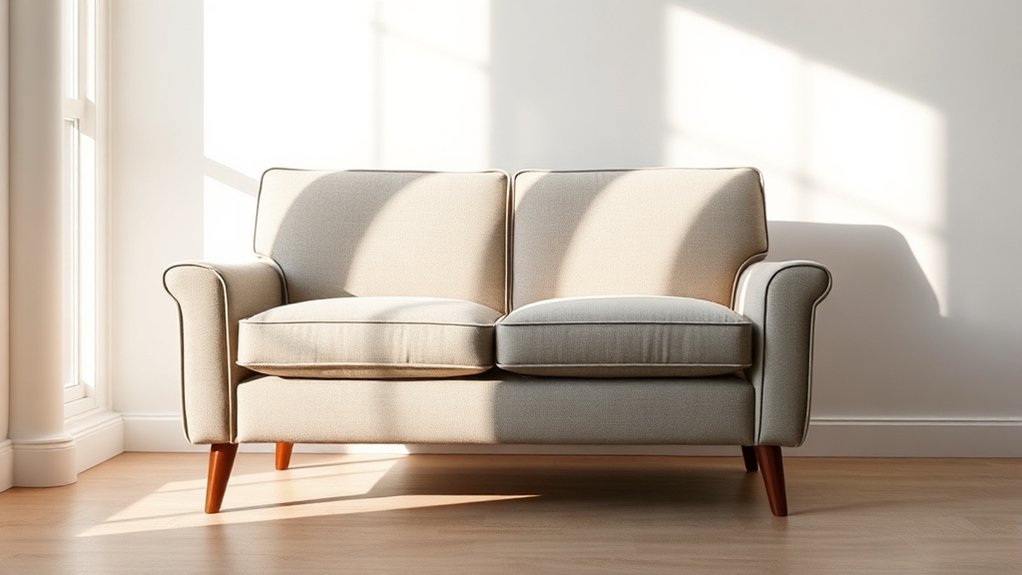
Because the height, width, and depth of a loveseat all influence its comfort and fit, you’ll want to evaluate how these dimensions work together before making a choice. Loveseat proportions directly impact your seating comfort, so balancing these measurements is key.
- Height affects how easily you can sit down and get up. A taller backrest provides better support, while seat height should match your leg length for comfort.
- Width determines how much personal space you have. Too narrow can feel cramped; too wide might reduce coziness.
- Depth influences how much you can recline. A deeper seat offers relaxation, but if it’s too deep, shorter individuals might find it hard to sit properly.
How Loveseat Width Affects Room Layout and Flow
As you arrange your space, the width of your loveseat plays an essential role in determining how easily people can move around and how well the room feels balanced. If your loveseat is too wide for the room dimensions, it can make the area feel cramped and restrict natural pathways. On the other hand, a narrower loveseat can open up the space, improving flow and making the room appear larger.
When considering loveseat placement, think about where foot traffic naturally flows. Positioning a wide loveseat too close to doorways or walkways can disrupt movement and create an awkward layout. Balancing the loveseat width with other furniture pieces guarantees the room doesn’t feel crowded or empty.
Measuring Your Space for the Perfect Loveseat Fit
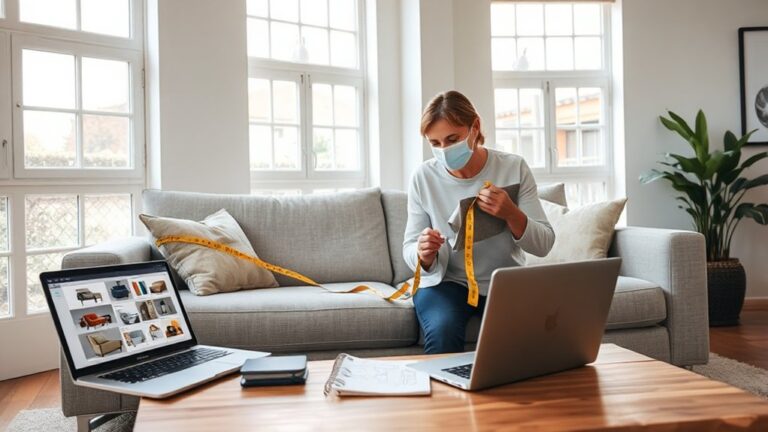
First, grab a tape measure and check out your room’s dimensions to see how much space you really have. It’s super important to keep in mind the traffic flow, too—you don’t want your loveseat blocking any pathways. And don’t forget about the other furniture you’ve got; making sure everything fits comfortably will keep the room feeling balanced and cozy.
Assess Room Dimensions
How do you guarantee your new loveseat fits perfectly in your space? Start by evaluating your room dimensions carefully. This step ensures your loveseat complements the room layout without overcrowding or awkward gaps. Here’s how to measure effectively:
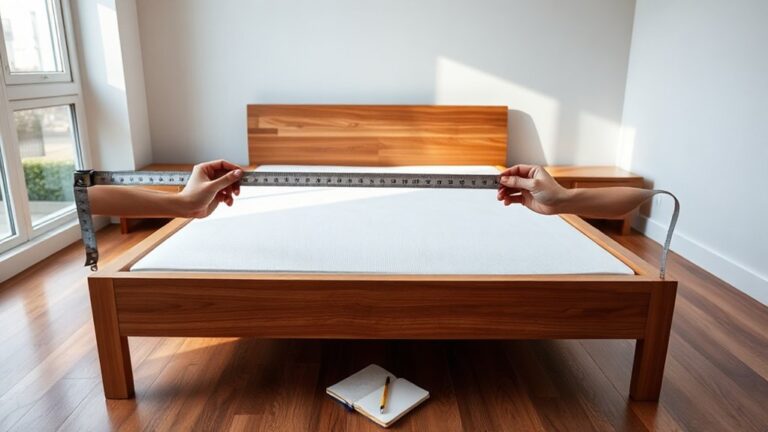
- Use a tape measure to record the length and width of the intended area, noting any protrusions like radiators or door swings.
- Sketch a simple floor plan, marking existing furniture placement to visualize how the loveseat will fit.
- Account for clearance space around the loveseat to maintain comfortable movement and balance in the room.
Consider Traffic Flow
Where will people naturally walk around your loveseat? Understanding traffic patterns is key to placing it without disrupting movement. You want enough space for comfortable passage, usually at least 24 to 30 inches between the loveseat and other furniture or walls.
When planning your furniture arrangement, avoid blocking doorways or creating narrow pathways where people have to squeeze through. Think about how family members and guests will move through the room daily.
Positioning the loveseat in a way that complements natural walkways keeps flow smooth and the space inviting. By considering traffic patterns early, you ascertain your loveseat fits not just physically but functionally, making your living area both cozy and easy to navigate.
Account For Additional Furniture
To guarantee your loveseat fits perfectly, you’ll need to account for all the other furniture in the room. A well-thought-out furniture arrangement guarantees your space feels balanced and functional.
Start by considering these three key factors:
- Measure existing complementary pieces like coffee tables, side chairs, and ottomans to avoid overcrowding.
- Leave enough clearance around the loveseat for easy movement and access to other furniture.
- Think about how the loveseat interacts visually and spatially with your current layout to maintain harmony.
Picking the Right Loveseat Width for Your Seating Needs
When choosing a loveseat, you’ll want to evaluate how much space you have and how many people typically use it. Loveseat configurations vary, so understanding your seating needs is key. If you often host guests or share the space with a partner, opting for a wider loveseat can improve seating comfort without overcrowding your room.
Conversely, if it’s mainly for solo use or occasional visitors, a narrower model might suffice. Consider how the loveseat fits with your existing furniture and the room’s layout. Measure your available area, leaving enough clearance for movement and other pieces.
Best Loveseat Sizes for Small Spaces
Finding the best loveseat sizes for small spaces means balancing comfort with compactness. When you’re tight on room, choosing the right compact seating can transform your area into a cozy arrangement without overcrowding.
Choosing the right loveseat size creates cozy, comfortable seating without overwhelming small spaces.
Here’s what to keep in mind:
- Width between 48-54 inches: This range fits most small rooms while comfortably seating two people.
- Depth under 35 inches: A shallower seat keeps the room feeling open and allows easier movement.
- Height around 30-36 inches: This keeps your loveseat proportional, avoiding bulky visual impact.
Loveseat Styles and Their Typical Widths Compared
Loveseat styles vary widely, and each design influences the typical width you can expect. Modern designs often range from 48 to 60 inches wide, focusing on sleek lines and space-saving solutions.
Traditional styles tend to be wider, around 60 to 72 inches, featuring plush cushions and luxury finishes like tufted leather or rich fabrics. Sectional options can vary more considerably, sometimes extending beyond 70 inches but offering modular flexibility for your room.
Fabric choices and current color trends also affect the overall feel but not the width as much. When you choose ergonomic features, such as built-in recliners or adjustable headrests, you might notice a slight increase in width compared to simpler models.
Whether you’re drawn to minimalist modern loveseats or classic traditional styles, understanding these typical widths helps you pick the right fit without compromising comfort or style.
Styling Tips for Loveseats That Fit Your Room
Choosing the right loveseat for your room starts with measuring your space accurately and considering the room’s layout. Once you know the dimensions, focus on styling to make the piece both functional and visually appealing. Here’s how to style your loveseat effectively:
- Color combinations: Pick colors that complement your existing décor. Neutral loveseats blend well with bold throw pillows, while vibrant loveseats can be balanced with softer wall colors or rugs.
- Fabric choices: Choose fabrics suited to your lifestyle. Durable materials like microfiber or leather work well for high-traffic areas, while velvet or linen add texture and elegance in less-used spaces.
- Placement and accessories: Position your loveseat to optimize flow and conversation. Add a small side table or floor lamp to improve comfort without overcrowding.
Where to Buy Loveseats in Different Widths
When shopping for loveseats in various widths, knowing where to look can save you time and effort. Many loveseat retailers offer a range of sizes, so start by checking local furniture stores where you can see the options in person. This helps you gauge the exact width and comfort level before buying.
If you prefer convenience, online shopping is a great alternative. Websites often provide detailed measurements and customer reviews, making it easier to find the perfect fit for your space.
Look for retailers specializing in customizable loveseats, as they allow you to choose the width that suits your room best. Popular online stores like Wayfair, Amazon, and IKEA have extensive selections, offering everything from compact loveseats to wider models.
Frequently Asked Questions
What Materials Are Loveseats Commonly Made From?
Loveseats commonly come in various loveseat styles, using materials like leather, fabric, microfiber, and velvet. You’ll find leather offers great material durability and easy cleaning, perfect if you want something long-lasting.
Fabric loveseats give you lots of style options and comfort but might need more upkeep. Microfiber is durable and stain-resistant, great for busy homes. Velvet adds elegance but requires gentle care.
Choose materials based on your style and durability needs.
How Do I Clean and Maintain a Loveseat?
Think of your loveseat like a trusty old friend who needs a little TLC to stay vibrant. For upholstery care, vacuum regularly to remove dust and crumbs.
When stains sneak in, act fast with a gentle stain removal solution suited for your fabric. Blot, don’t rub. Spot test first!
Rotate cushions to prevent uneven wear. By caring for it like this, you’ll keep your loveseat cozy and inviting for years to come.
Are Loveseats Suitable for Outdoor Use?
Loveseats can be suitable for outdoor use, but you’ll want to choose one designed with outdoor durability and weather resistance in mind. Look for materials like treated wood, metal, or synthetic wicker paired with weather-resistant cushions.
Regular indoor loveseats typically won’t hold up well against rain, sun, or humidity, so avoid using them outside. With the right loveseat, you can enjoy comfort and style without worrying about the elements wearing it down.
Can Loveseats Be Customized in Size or Fabric?
Of course, you can’t just settle for a one-size-fits-all loveseat because who wants a sofa that doesn’t scream *you*? You’ve got plenty of customization options, from tweaking the size to fit your “cozy” living room to choosing fabric choices that match your personality or your cat’s scratching habits.
What Is the Average Price Range for Loveseats?
You’ll find loveseats typically range from $300 to $1,500, depending on budget considerations and style preferences. If you’re on a tight budget, look for basic fabric options and simpler designs.
For a more luxurious feel, leather or custom upholstery will push the price higher. Keep in mind that trendy styles or well-known brands can also influence costs.
Knowing your budget and style helps you pick the perfect loveseat without overspending.
Conclusion
Now that you know loveseats typically range from 48 to 72 inches wide, you’re better equipped to choose one that perfectly fits your space. Did you know that nearly 60% of small apartment owners prioritize loveseat width when buying furniture? This shows just how essential size is for comfort and style.
Measure carefully, consider your room’s flow, and pick a loveseat that makes your space both cozy and functional. Remember, choosing the right width is key when deciding how wide is a loveseat to suit your home perfectly.