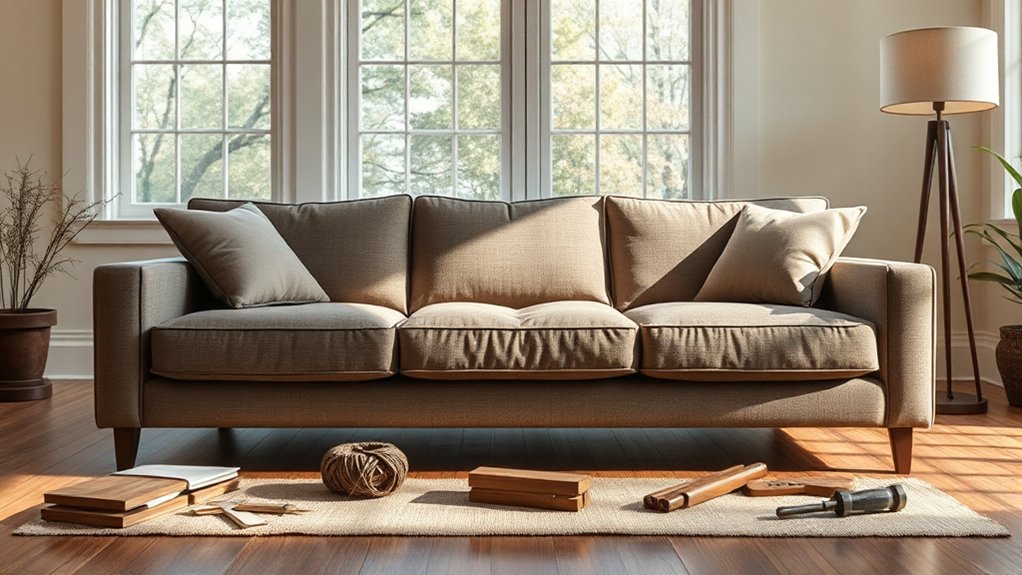
7 Factors That Determine How Much a Sofa Should Cost
Finding the perfect sofa can feel overwhelming, especially when you’re unsure how much you should really spend. You’re not alone—many people struggle with balancing quality, style, and price without overspending. Understanding what drives sofa cost can make your decision easier and help you get the best value for your money. How Much a Sofa Should Cost.
You’ll find that sofa cost depends on seven key factors: the materials used, construction quality, size, and style all influence price, with durable fabrics and strong frames costing more. Brand reputation can raise costs through trusted quality and design innovation.
Comfort features like cushions and recliners add value, while your buying location affects pricing due to demand and overhead. Knowing when to splurge or save helps you get the best deal. Keep exploring to uncover more details.
Key Takeaways
- Sofa material quality, including durability and stain resistance, significantly affects the overall cost.
- The size, style, and design complexity of a sofa directly influence its price.
- Brand reputation and geographic location impact pricing due to quality perception and local market demands.
- Comfort features like ergonomic design, cushion quality, and reclining options increase sofa cost.
- Budgeting strategies balance initial price with long-term value, emphasizing quality over trendy aesthetics.
Why Sofa Materials Affect Price
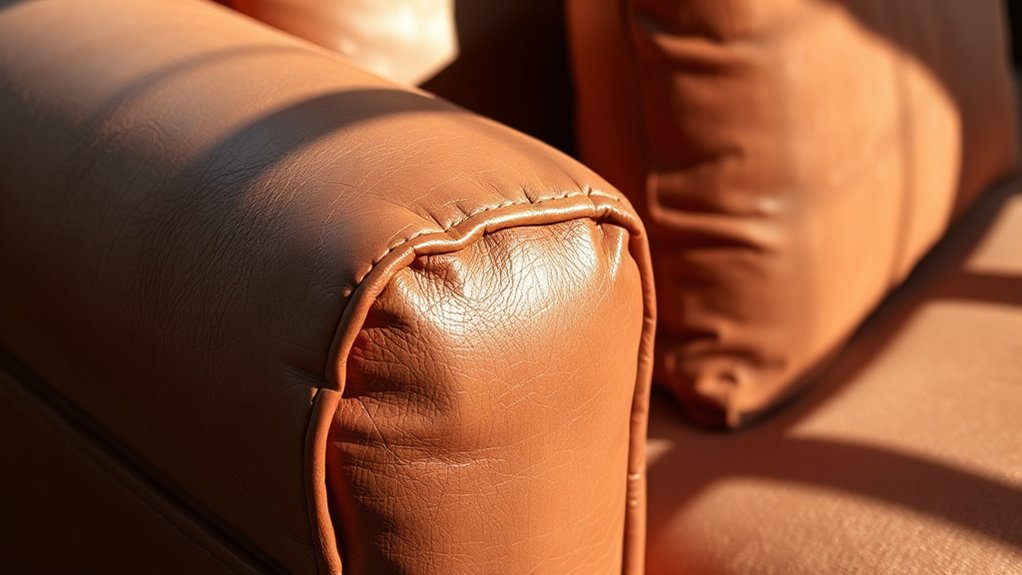
Three main factors make sofa materials impact the price: durability, comfort, and appearance. When you choose a sofa, fabric durability plays a big role because more durable fabrics tend to cost more but save you on maintenance costs over time.
You’ll also notice that eco-friendly options usually come with a higher price tag due to sustainable material sourcing, but they’re worth it if you care about the environment. The texture variety affects your comfort levels and the sofa’s look; softer, plush fabrics often cost more than basic weaves.
Stain resistance is another factor. Materials treated to repel stains can increase the price but reduce cleaning hassle. Finally, color options influence cost, as unique or custom colors might require special dyes or processes.
When you balance these factors, you understand why certain sofas cost more. They offer better durability, ease of care, and comfort tailored to your preferences.
Why Construction Quality Matters for Sofa Prices
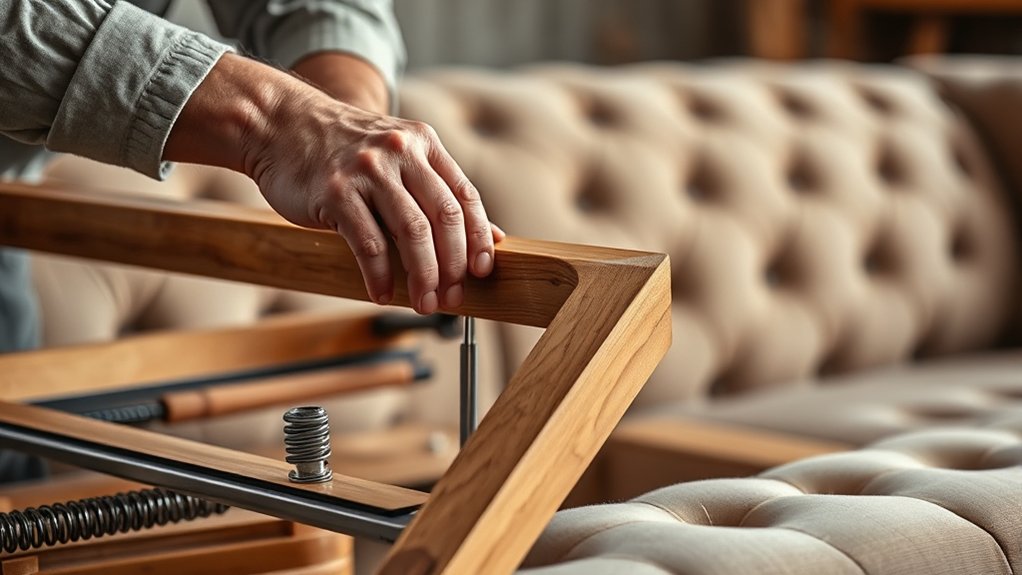
Because the construction quality directly affects a sofa’s durability and comfort, it plays a crucial role in determining the price. When you invest in a sofa, you want it to last and feel great, and that depends heavily on how well it’s built. Here’s what you should consider:
- Frame materials and assembly techniques: Strong frame materials like hardwood and meticulous assembly techniques guarantee construction durability. This prevents sagging or wobbling over time.
- Upholstery quality and craftsmanship standards: High-quality upholstery combined with skilled craftsmanship assures a comfortable, polished finish. It also holds up to daily use.
- Design longevity: A well-constructed sofa maintains its shape and support. This gives you long-term value without needing early replacement.
How Sofa Size and Style Change the Price
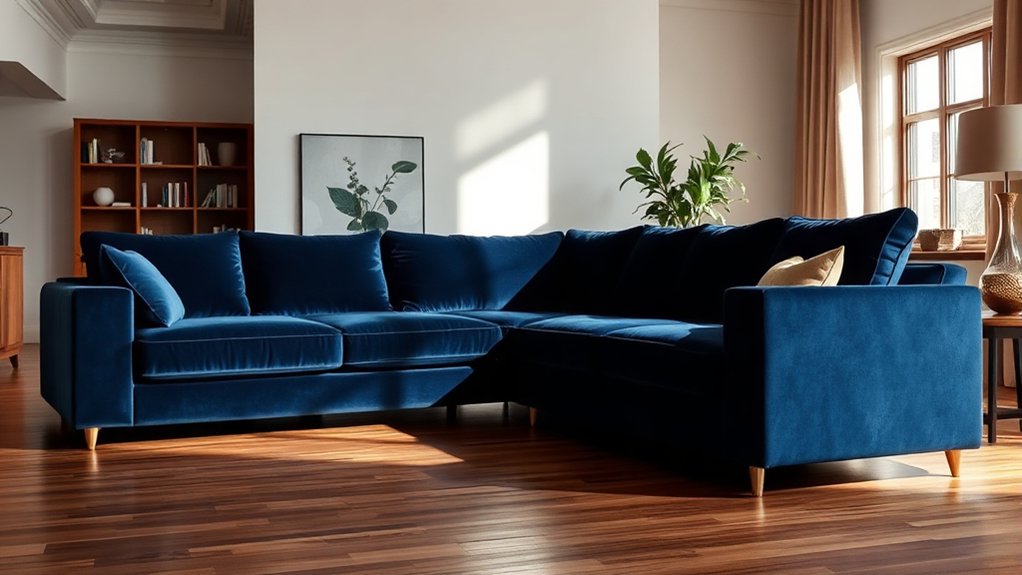
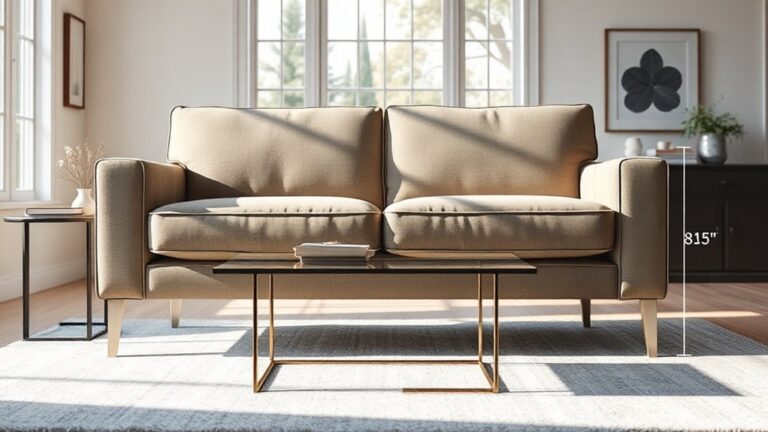
When you’re picking out a sofa, you’ll probably notice that the size has a big impact on the price—bigger sofas tend to cost more. And it’s not just about size; the style you choose matters a lot too. Some designs need more materials or extra craftsmanship, which can drive up the cost. So, it’s a good idea to think about how your space and budget fit together before making a decision.
Impact of Sofa Dimensions
Although it might seem straightforward, the size and style of a sofa play an essential role in its cost. When you consider sofa dimensions, several factors influence the price you’ll pay:
- Sofa proportions and seating capacity: Larger sofas with more seating naturally require more materials, driving up costs. Cushion depth also affects comfort and price.
- Design aesthetics and style versatility: A well-proportioned sofa that fits various layouts offers better design flexibility, which can increase value without extra expense.
- Ergonomic support and layout adaptability: Sofas designed for peak support and space optimization often involve intricate craftsmanship, impacting the price.
Understanding these aspects helps you choose a sofa that balances your space needs and budget efficiently.
Style Influence on Cost
Sofa size sets a foundation for cost, but style shapes the final price in powerful ways. When you pick modern designs, you often pay more for sleek lines and ergonomic features that improve comfort.
Classic aesthetics might use timeless fabric choices, adding to durability and trend longevity, which influences cost differently. Color trends and seasonal styles also play a role, as vibrant or on-trend colors can raise prices.
Cultural influences affect design complexity, impacting cost.
| Style Aspect | Influence on Cost |
|---|---|
| Modern Designs | Higher due to innovation |
| Classic Aesthetics | Moderate, long-lasting appeal |
| Fabric Choices | Varies by quality & texture |
| Color Trends | Seasonal, can increase price |
Space and Price Relation
How much space you have directly affects the price you’ll pay for a sofa. When choosing the right piece, you’ll want to reflect on how size and style impact cost while focusing on space optimization. Here’s what to keep in mind:
- Larger Sofas Cost More: Bigger sofas use more materials and often require more craftsmanship, raising the price.
- Compact Styles Save Space and Money: Smaller, minimalist designs are budget-friendly and perfect if you want to maximize space.
- Price Comparison Matters: Always compare sofas of similar sizes and styles to find the best deal for your space needs.
Why Brand Reputation Affects Sofa Prices
You’ll notice that well-known brands often charge more because you’re paying for trusted quality and reliability. It’s kind of like paying a little extra for peace of mind. Their strong market position means they can set higher prices without scaring away customers. So, when you think about it, brand reputation really does play a big role in why sofas cost what they do.
Brand Trust And Quality
Brand reputation plays an essential role in determining the price of a sofa because it reflects the trust and quality associated with the manufacturer. When you choose a well-known brand, you’re often paying for more than just the sofa itself. You’re investing in brand loyalty and perceived value built over time. Here’s why that matters:
- Craftsmanship quality and material sourcing: Trusted brands use superior materials and ethical production methods, ensuring durability and comfort.
- Customer reviews and warranty offerings: Positive feedback and strong warranties give you confidence in your purchase.
- Design innovation: Leading brands invest in unique designs that blend style with function, increasing the sofa’s overall appeal.
Market Positioning Impact
The reputation a company builds influences where it stands in the market, which directly affects sofa pricing. When a brand adopts luxury positioning, it targets affluent demographics willing to pay premium prices, reflecting exclusivity and high quality.
Conversely, budget positioning appeals to cost-conscious consumers, emphasizing affordability. You’ll notice that competitive analysis and market trends shape these strategies, helping brands align with evolving consumer preferences.
Regional pricing also plays a role, as some areas demand higher or lower prices based on local income levels and competition. Furthermore, retail strategies differ between online versus offline sales channels, impacting costs and discounts.
Seasonal sales further influence pricing, with brands adjusting prices to boost demand. Understanding these factors shows why brand reputation greatly affects how much a sofa costs.
Why Comfort and Features Affect Sofa Prices
Although many factors influence sofa prices, comfort and features play a key role in determining how much you’ll pay. When you’re choosing a sofa, these elements directly affect your daily experience and the sofa’s longevity.
- Seat Support and Cushion Quality: High-quality cushions with excellent seat support provide lasting comfort. This often means using premium materials that raise the price. Sofas with ergonomic design also improve comfort, which justifies a higher cost.
- Fabric Durability and Upholstery Options: Durable fabrics and a variety of upholstery choices let you customize your sofa while ensuring it stands up to wear and tear. This adds to the overall price.
- Additional Features: Features like reclining options, modular systems, and maintenance needs add functionality and convenience. These extras can greatly increase the sofa’s cost because of the complexity and materials involved.
Understanding these factors helps you balance comfort, features, and budget when selecting your ideal sofa.
How Buying Location Affects Sofa Prices
Where you decide to buy your sofa can greatly impact its price, so it’s important to take location into account when budgeting. Geographic trends influence how retailers price their sofas. For example, urban areas with higher living costs often have steeper prices. Local demand also plays a vital role. If a region favors certain styles or materials, prices may rise due to popularity and limited supply.
You might find that sofas cost less in suburban or rural areas where overhead expenses for stores are lower. Shopping locally can save you on shipping fees, but prices may vary depending on competition among retailers. Moreover, some locations benefit from proximity to manufacturers or warehouses, which can reduce costs.
When to Splurge or Save on Your Sofa
Since your sofa is often the centerpiece of a living space, knowing when to splurge or save can make a big difference in comfort and longevity. Balancing budget considerations with design preferences helps you make smarter choices. Here’s when to invest more or cut back:
Choosing when to splurge or save on your sofa enhances both comfort and lasting style.
- Splurge on quality materials and construction if you want your sofa to last years and withstand daily use. Durable frames and high-quality upholstery pay off in comfort and durability.
- Save on trend-driven designs that might go out of style quickly. If your design preferences change often, opt for classic shapes with interchangeable accents like pillows or throws.
- Splurge on comfort features such as deep cushions or reclining options if you spend a lot of time on your sofa. Otherwise, save by choosing simpler models for occasional use.
Frequently Asked Questions
How Long Does a Typical Sofa Last Before Replacement?
A typical sofa lasts about 7 to 15 years before you’ll need a replacement. Durability factors like frame construction, cushion quality, and how often you use it play a big role.
Material impacts also matter. A solid hardwood frame and high-density foam cushions usually extend your sofa’s life. If you choose cheaper materials, it might wear out faster.
Taking care of your sofa with regular cleaning will also help it last longer.
What Are the Best Sofa Cleaning Methods?
Think of your sofa as a garden. Stain removal is like pulling weeds before they take root. You’ll want to use gentle cleaning solutions tailored for your fabric to keep colors vibrant.
Regular upholstery maintenance, like vacuuming and spot cleaning, helps your fabric breathe and stay fresh. Always test cleaners on a hidden spot first so your fabric care routine doesn’t turn into a nightmare.
With consistent love, your sofa will stay cozy and inviting.
Are There Eco-Friendly Sofas Available?
Yes, you can find eco-friendly sofas made from sustainable materials like organic cotton, bamboo, and reclaimed wood. When shopping, look for eco certifications such as GREENGUARD or Global Organic Textile Standard (GOTS) to guarantee the sofa meets environmental and health standards.
Choosing these sofas helps reduce your carbon footprint and supports responsible manufacturing practices. You’ll enjoy comfort while also making a positive impact on the planet.
How Do Warranties Affect Sofa Purchase Decisions?
Warranties can make or break your sofa purchase decision. While a basic warranty might cover just frame defects, extended warranty types protect cushions, fabric, and even workmanship.
Comparing prices without considering warranty value can lead you to overspend or settle for less protection. You’ll want to weigh warranty coverage against cost carefully, so you get the best deal and peace of mind, not just the lowest price tag.
Can Sofas Be Customized After Purchase?
Yes, you can often customize sofas after purchase through post purchase alterations. Many manufacturers and upholstery services offer options like changing fabric, adding cushions, or adjusting the sofa’s size.
However, these changes might cost extra and could affect warranties. It’s a good idea to check with the seller about what post purchase alterations are possible before buying, so you know exactly how flexible your sofa will be.
Conclusion
When choosing your sofa, keep in mind that quality materials and construction often mean you’re investing in comfort that lasts. Did you know that 70% of people are willing to pay more for a sofa that offers better durability and style?
So, think about what matters most to you, whether it’s size, brand, or features, and don’t be afraid to splurge a little where it counts. Your perfect sofa is worth it when considering the factors that determine how much a sofa should cost.