Are Bamboo Sheets Better Than Cotton Sheets?
You’ve probably noticed bamboo and cotton sheets everywhere lately. They’re silky, they breathe beautifully, and they’re supposedly better for the planet. But here’s the thing—they’re not necessarily superior to quality cotton in every way. Before you invest in a new set, you’ll want to consider what matters most to your sleep and wallet. Let’s break down what actually sets these two apart.
Softness and Feel: Bamboo vs. Cotton
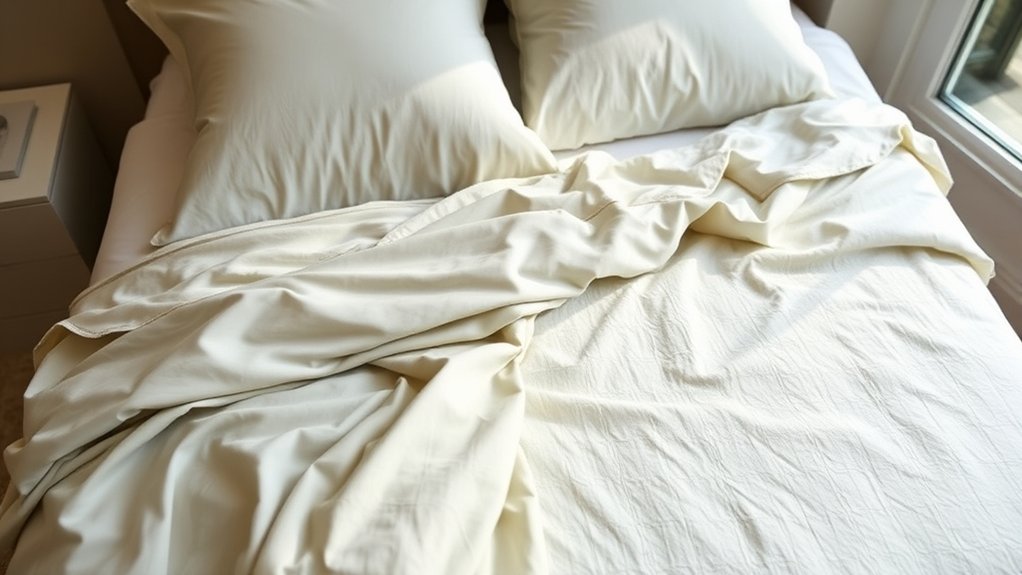
Whether you’re a side sleeper or back sleeper, the softness of your sheets dramatically affects your sleep quality. Bamboo sheets typically feel silkier and more luxurious against your skin than cotton alternatives. They’re naturally smoother because bamboo fibers have a rounder surface structure that reduces friction.
Cotton sheets start out softer initially but require multiple washings to reach peak softness. Bamboo maintains its silky texture wash after wash without deteriorating.
However, cotton’s feel depends on thread count and weave type—high-quality Egyptian or Pima cotton can rival bamboo’s smoothness.
Your preference ultimately determines which wins. If you crave that immediate silky sensation, bamboo delivers instantly. If you appreciate cotton’s classic feel and don’t mind the break-in period, cotton remains a solid choice. Both materials offer exceptional comfort when high-quality.
Breathability and Temperature Control
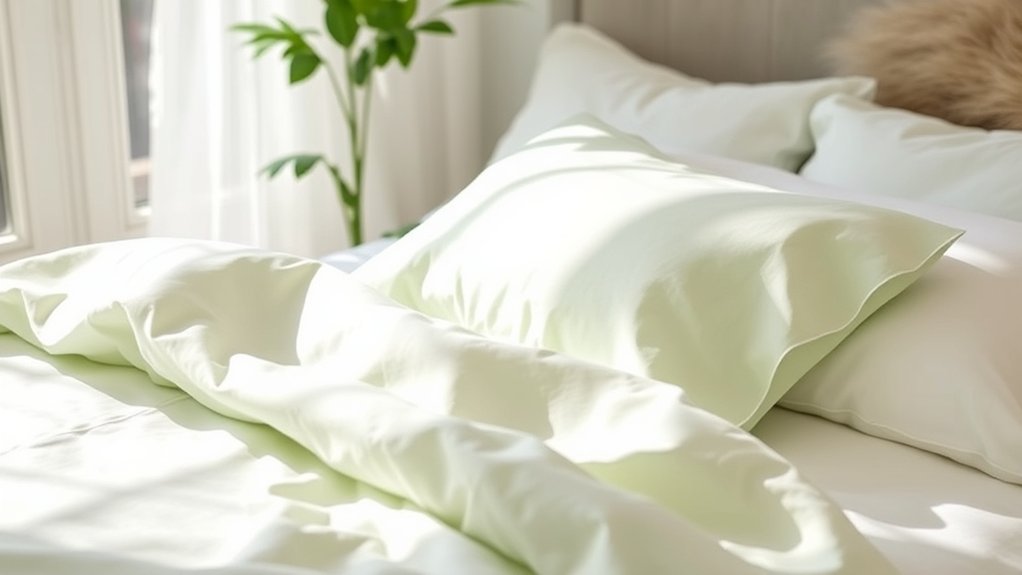
When you’re trying to maintain an ideal sleeping temperature throughout the night, breathability becomes just as important as softness. Bamboo sheets excel at moisture-wicking, pulling sweat away from your skin and dispersing it quickly. This feature makes them ideal if you tend to sleep hot or live in humid climates.
Cotton sheets, particularly high-quality varieties like Egyptian or Pima, also offer excellent breathability. They allow air circulation while absorbing moisture without feeling clammy. However, cotton retains more moisture than bamboo before releasing it.
You’ll find that bamboo’s superior temperature-regulating properties make it better for hot sleepers. Cotton remains the reliable choice for those seeking traditional breathability. Your personal sleep temperature and climate ultimately determine which option suits you best.
Durability and Longevity
While bamboo and cotton sheets both offer comfort, their long-term durability differs significantly.
Cotton sheets, especially high-quality varieties like Egyptian or Pima cotton, actually outlast bamboo sheets when properly maintained. You’ll find that cotton fibers strengthen when wet, making them more resistant to frequent washing and wear over years of use.
Bamboo sheets, conversely, weaken when exposed to moisture, causing them to pill and tear more easily. You should expect bamboo sheets to show visible wear within two to three years of regular use.
Cotton sheets typically last five to seven years or longer.
If longevity matters to you, investing in quality cotton sheets delivers better value. However, if you prioritize initial softness and comfort over lifespan, bamboo sheets remain a viable option that you’ll need to replace sooner.
Environmental Impact: Which Is Greener?
Though both materials come from natural sources, their environmental footprints diverge considerably. Bamboo grows rapidly without requiring pesticides or fertilizers, making it an inherently sustainable crop. However, the manufacturing process often involves harsh chemicals that pollute waterways and harm ecosystems.
Cotton demands extensive pesticide and water usage, consuming roughly 2,700 liters per shirt. These chemicals contaminate soil and water supplies, affecting both wildlife and human health.
When you choose bamboo sheets, you’re supporting faster regeneration and reduced agricultural inputs. Yet you’ll want to verify that manufacturers use closed-loop production systems that recycle chemicals.
Cotton’s environmental cost remains higher overall, though organic cotton offers a greener alternative. Ultimately, sustainably-produced bamboo sheets typically prove more environmentally responsible than conventional cotton options.
Cost, Care, and Value Over Time
Beyond environmental considerations, your wallet matters just as much when selecting sheets. Bamboo sheets typically cost 20-40% more upfront than cotton alternatives. However, they compensate with superior durability—lasting 5-7 years compared to cotton’s 3-5 years.
Care requirements differ significantly. Bamboo demands gentler handling: cold water washing, mild detergent, and low heat drying. Cotton tolerates aggressive laundering, requiring less finesse. These maintenance demands can increase bamboo’s lifetime costs through specialized products.
When calculating value over time, bamboo’s longevity often justifies higher initial investment. You’ll replace cotton sheets more frequently, offsetting price differences. Consider your usage patterns and budget flexibility.
If you prioritize durability and don’t mind delicate care, bamboo delivers better long-term value. For budget-conscious consumers seeking low-maintenance options, cotton remains the economical choice.
Which One’s Right for You?
How do you know which sheets actually match your lifestyle? Consider your priorities first. If you prioritize softness and temperature regulation, bamboo sheets deliver exceptional comfort and breathability. They’re ideal if you sleep hot or have sensitive skin.
Cotton sheets work better if you value durability and budget-friendliness. They improve with washing and withstand years of use without pilling.
Evaluate your maintenance habits too. Bamboo requires gentler care and specific washing instructions. Cotton tolerates regular laundering without fussing.
Think about sustainability concerns as well. Bamboo production raises environmental questions despite being plant-based. Conventional cotton involves pesticides, while organic cotton costs more.
Ultimately, your choice depends on balancing comfort preferences, lifestyle demands, budget constraints, and environmental values. Try both types if possible before committing to full sheet sets.
Conclusion
You’ve got to weigh your priorities when choosing between bamboo and cotton sheets. If you’re a hot sleeper who doesn’t mind frequent washing and higher costs, bamboo’s silky feel and breathability won’t disappoint you. But if you’re after durability and long-term value, you’ll find that quality cotton sheets deliver better performance over time. Pick what matches your sleep style and budget.