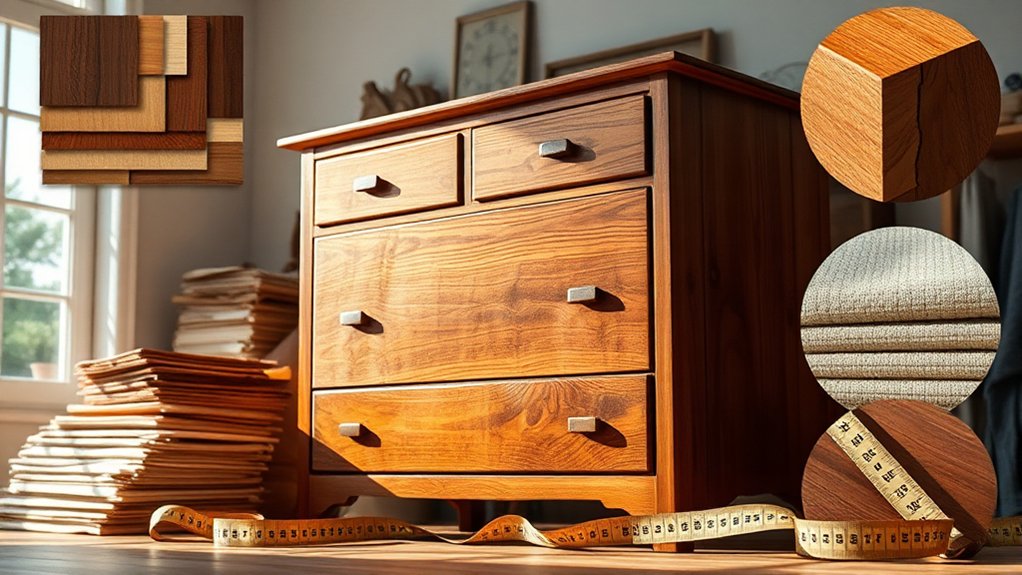
10 Factors That Affect How Much a Dresser Costs
Finding the perfect dresser that fits your style, storage needs, and budget can feel overwhelming. You’re not alone—many people struggle with understanding why dresser prices vary so much.
With so many options out there, it’s tough to know what really affects the cost and where to invest your money wisely.
When you’re shopping for a dresser, expect the price to reflect materials like solid wood or veneer, craftsmanship quality, and size or storage complexity. Brand reputation and hardware choices also play a big role, along with custom features and finishes.
Don’t forget delivery and assembly can add extra costs. Each factor impacts durability, style, and overall value, so understanding these details helps you pick the right dresser that fits your needs and budget.
Investigate further to uncover what truly shapes dresser prices.
Key Takeaways
- Material type and construction quality, like solid wood versus veneer, play a big role in dresser price and durability.
- Size, drawer setup, and design complexity can raise costs because they need more materials and labor.
- Brand reputation and market positioning affect pricing since they influence how people perceive quality and trust the product.
- Premium hardware and durable finishes add to the cost by boosting the dresser’s longevity and style.
- Customization options and delivery methods, including assembly services, also contribute to the final price you pay.
How Materials Affect Dresser Prices
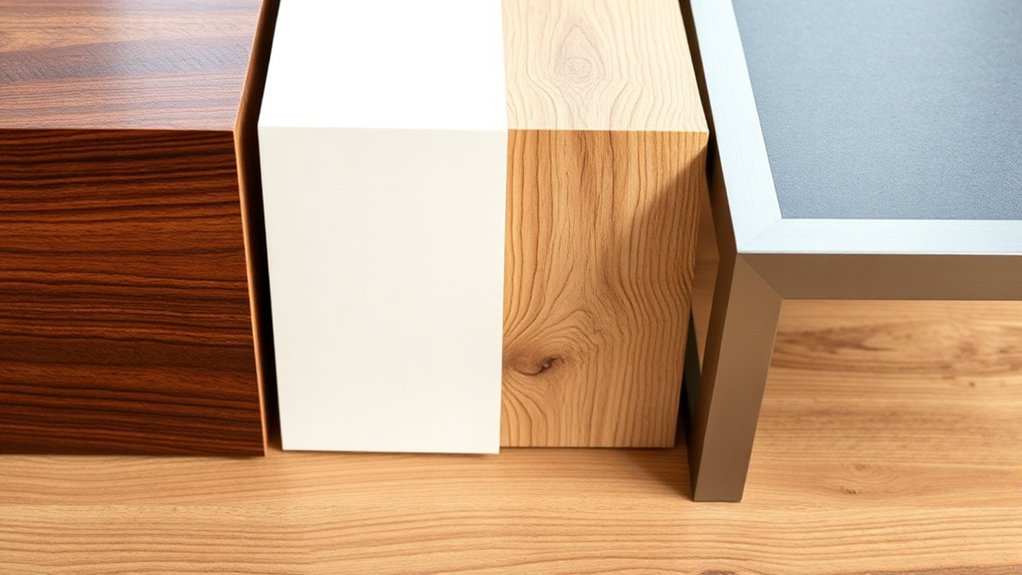
Materials play a major role in determining the price of a dresser. When you choose a dresser, you’re not just picking a style; you’re also deciding on material durability, which directly impacts cost.
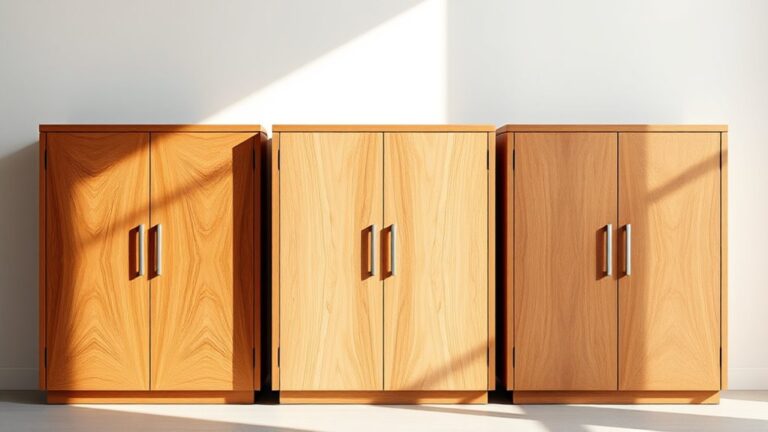
Solid hardwoods like oak or maple tend to be pricier because they last longer and offer higher aesthetic appeal. On the other hand, engineered woods or particleboard usually cost less but might not hold up as well over time.
Solid hardwoods offer durability and beauty but come at a higher price than engineered woods or particleboard.
You’ll also want to take into account eco-friendly materials if sustainability matters to you. These often come with a premium due to responsible sourcing practices.
Finish options add another layer of cost. Custom stains or non-toxic finishes can increase the price but improve appearance and safety.
Weight considerations matter, too. Heavier materials mean sturdier pieces but higher shipping costs.
How Craftsmanship Influences Dresser Costs

Although the materials you choose set the foundation, the craftsmanship behind a dresser greatly impacts its cost. When you invest in a dresser, you’re paying for the artisan skills and craftsmanship techniques that bring it to life.
Traditional craftsmanship often involves labor-intensive construction methods, with skilled artisans focusing on design precision and intricate finishing touches. Modern techniques can streamline some steps but still require quality assurance to maintain high standards.
You’ll notice that dressers made with meticulous craftsmanship tend to last longer and offer superior aesthetics. The level of labor intensity directly influences the price, as expert hands take more time and effort to perfect every joint and surface.
Whether handcrafted or improved by technology, the craftsmanship reflects in the dresser’s durability and beauty. Choosing a dresser with exceptional craftsmanship means you’re prioritizing quality and long-term satisfaction, which naturally affects the overall cost.
How Size and Storage Capacity Impact Price
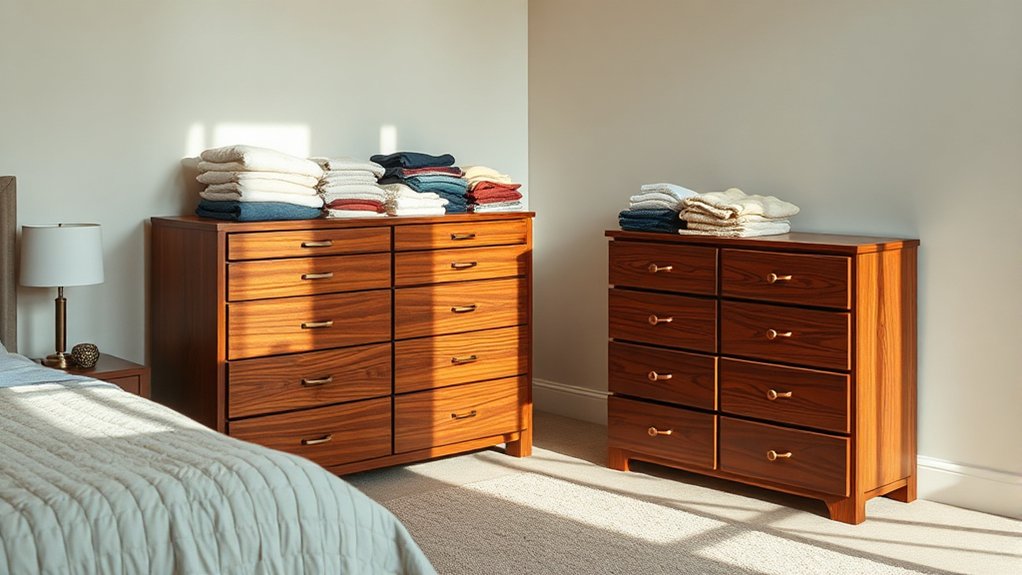
When you pick a larger dresser, you’ll usually pay more since it requires extra materials and takes up more space. Plus, the number and type of storage options—like drawers or shelves—can also change the price. So, knowing how size and storage impact cost really helps you find the perfect balance for what you need.
Larger Dressers Cost More
Since larger dressers require more wood and hardware, they naturally cost more than smaller models. When you consider dresser size, bigger pieces demand additional materials and labor, which drives up the price.
If your storage needs are extensive, opting for a larger dresser makes sense, but be prepared to invest more upfront. Bigger dressers not only offer more space but also require sturdier construction to support the extra weight, adding to the cost.
On the other hand, if you don’t need much storage, a smaller dresser can save you money without sacrificing functionality. Ultimately, balancing your dresser size with your storage needs helps you choose one that fits both your budget and space efficiently.
Storage Options Affect Price
Beyond just size, the type and number of storage options you choose can greatly impact the dresser’s price. When selecting a dresser, consider these factors:
- Drawer configurations affect storage efficiency and can raise costs if they’re customized for specific items.
- Organization features like built-in dividers or trays improve functionality balance but may add to the price.
- Accessibility options, such as soft-close drawers or easy-glide tracks, enhance user experience but increase cost.
- Hidden compartments and modular designs elevate security and flexibility, often making the dresser pricier.
Each feature not only influences price but also impacts the aesthetic appeal and overall practicality. By balancing what you need with these options, you can find a dresser that fits both your budget and lifestyle.
How Solid Wood vs. Veneer Changes Cost
Although both solid wood and veneer dressers can look beautiful, the choice between them considerably impacts the overall cost. Solid wood benefits include durability and timeless aesthetic appeal, but it often comes with a higher price tag. Its maintenance requirements are straightforward. You’ll need occasional polishing to keep it looking great.
Veneer dressers, meanwhile, offer impressive veneer durability at a lower cost. They’re lighter and often more affordable, making them a popular option if you’re budget-conscious. However, veneer can be less resistant to scratches and moisture, affecting longevity.
When considering environmental impact, solid wood is typically more sustainable if sourced responsibly, while veneer uses less hardwood, reducing waste. Comparing costs, solid wood dressers generally cost more upfront but may last longer, offering value over time. Veneer dressers save you money initially but might require replacement sooner.
Knowing these differences helps you choose a dresser that fits your style, budget, and long-term needs.
How Brand Reputation Affects Dresser Prices
When you pick out a dresser from a well-known brand, you’re usually paying for more than just the materials. You’re investing in quality and reliability that the brand has built over time.
Brand reputation really influences how much you end up spending. Trusted names can charge higher prices because of their market position and how customers see them.
Knowing this makes it easier to understand why some dressers cost more, even if they seem pretty similar to others.
Brand Recognition Impact
Perception plays a huge role in how much you’ll pay for a dresser. When a brand has strong recognition, it influences the price through several key factors:
- Brand loyalty encourages you to choose familiar names. You often accept higher prices because of the trust built over time.
- Marketing strategies, including product endorsements and brand storytelling, shape your perception. They can justify premium costs.
- Brand heritage adds value by connecting you to a legacy of quality and craftsmanship. This makes you more willing to invest.
- Competitive pricing and brand differentiation guarantee that recognized brands stand out. This allows them to command higher prices while staying appealing.
Understanding these elements helps you see why brand recognition greatly impacts dresser costs.
Perceived Quality Influence
Confidence in a brand’s reputation directly shapes how much you’re willing to spend on a dresser. When a brand’s perceived value aligns with your consumer expectations, you naturally trust its product longevity and aesthetic appeal.
This brand perception builds an emotional connection, often influenced by social trends and market trends, which can justify a higher price tag.
| Factor | How It Affects Price |
|---|---|
| Perceived Value | Increases willingness to pay |
| Consumer Expectations | Raise price based on quality hope |
| Emotional Connection | Adds premium due to loyalty |
| Social Influence | Boosts price through trends |
Understanding these factors helps you see why reputable brands often command higher dresser costs.
Market Positioning Effect
Although many factors influence dresser prices, a brand’s market positioning plays a crucial role in shaping what you’ll pay. How a company positions itself affects price competition and market demand directly. Here’s what you should consider:
- Luxury positioning often targets affluent demographics, allowing brands to charge premium prices.
- Regional variations and consumer trends impact pricing, especially when brands adapt marketing strategies to local preferences.
- Retail partnerships and the choice between online vs. offline sales channels influence costs through differing overheads and seasonal sales.
- Brands aligned with strong marketing strategies can create higher perceived value, affecting price competition and your final cost.
Understanding these elements helps you anticipate how brand reputation and market positioning drive dresser prices beyond just materials or craftsmanship.
How Design Complexity Raises the Price
When you choose a dresser with intricate details, expect the price to rise accordingly. Design trends and style variations often push manufacturers to incorporate more complex elements, which require advanced manufacturing techniques.
These complexities not only improve the dresser’s aesthetic appeal but also add functionality features that meet evolving consumer preferences. As market demand shifts seasonally, brands respond by introducing unique colors and designs, further influencing cost.
You’ll notice that dressers with popular style variations and appealing color choices tend to command higher prices because of increased consumer interest and brand loyalty. Seasonal influences also affect how much you’ll pay, as limited edition or trendy designs often carry premium pricing.
Ultimately, the more complex the design, the more time and skill go into production, which reflects in the final cost. By understanding these factors, you can better gauge whether a dresser’s price matches its design sophistication and your personal style needs.
How Hardware and Finishes Affect Cost
Beyond design complexity, the hardware and finishes you choose play a significant role in your dresser’s cost. These elements directly influence both the aesthetic appeal and the overall quality impact. Here’s how:
- Hardware Types: Premium knobs, pulls, or handles made from brass or crystal cost more than basic plastic or metal options.
- Finish Durability: Durable finishes like lacquer or varnish can increase price but protect your dresser longer, reducing future maintenance requirements.
- Installation Considerations: Complex hardware installation requires skilled labor, which can add to costs, especially with intricate or custom pieces.
- Maintenance Requirements: High-maintenance finishes or hardware might look great initially but can raise long-term costs through upkeep or replacement.
Choosing the right combination balances cost with durability and style, ensuring your dresser not only looks good but lasts longer without frequent repairs or updates.
Why Customized Dressers Cost More
When you go for a customized dresser, you’re really paying for something unique that matches your style perfectly. It’s all about those special design elements tailored just for you. Plus, it takes skilled craftsmanship to bring those details to life. So, with all that extra attention and care, it’s natural that the overall cost goes up a bit.
Unique Design Elements
Although customized dressers offer a perfect fit for your space and style, their unique design elements often drive up the cost. When you choose a dresser with distinct features, you’re paying for more than just materials. You’re investing in creativity and adaptability.
- Artistic flair and personalization options let you express your taste, adding value through unique color schemes and vintage styles.
- Functional aesthetics combine beauty with usability, including ergonomic features that make daily use easier.
- Cultural influences and trend adaptations reflect your identity and keep your dresser current, but they require specialized design work.
- Modular designs and eco-friendly designs offer flexibility and sustainability, which involve innovative materials and construction methods.
These elements increase complexity and influence the overall price you pay for a dresser that truly stands out.
Specialized Craftsmanship
Because specialized craftsmanship demands skilled hands and meticulous attention to detail, customized dressers often come with a higher price tag. When you choose a dresser crafted with artisan techniques, you’re investing in a piece that reflects a high skill level and deep respect for traditional methods.
These dressers showcase design intricacies and custom features tailored to your preferences, blending modern aesthetics with regional influences. The historical context of the craftsmanship adds unique value, making each dresser more than just furniture. It’s a work of art.
You’ll notice the difference in the finishing touches, which require patience and precision. So, when you opt for specialized craftsmanship, you’re paying for quality, uniqueness, and the expertise that transforms raw materials into a timeless piece.
How Retailer Type Influences Pricing
Since different retailers operate with varying overhead costs and business models, the price you pay for a dresser can change considerably depending on where you shop. Understanding how retailer type influences pricing helps you make smarter buying decisions.
- Retailer Reputation: Well-known stores often charge more due to trusted quality and service, which directly affects price tags.
- Pricing Strategies: Some retailers use dynamic pricing or price match, which can lower or stabilize costs based on demand.
- Online vs. Offline: Online retailers usually have lower overhead, so you might find better deals compared to brick-and-mortar stores.
- Discount Policies and Seasonal Sales: Retailers with aggressive discount policies or seasonal promotions can offer significant savings. Brand collaborations also impact pricing, sometimes adding premium costs due to exclusive designs.
How Delivery and Assembly Affect Cost
Beyond where you buy your dresser, the costs of getting it to your home and setting it up can add up quickly. Delivery methods like curbside drop-off or white-glove service influence price, especially when shipping distances are long.
Assembly options also vary: you can opt to assemble it yourself or pay for professional installation services. Your choice depends on customer preferences and budget. Regional variations impact costs too. Urban areas might charge more for delivery and assembly than rural ones.
Some sellers include warranty inclusions or bundle delivery and setup in promotional offers, which can save you money.
| Delivery Methods | Assembly Options |
|---|---|
| Curbside Delivery | Self-Assembly |
| White-Glove Service | Professional Setup |
| Extended Shipping Distances | Installation Services |
Consider these factors carefully to avoid surprises and find the best value for your dresser purchase.
Frequently Asked Questions
How Do Seasonal Sales Impact Dresser Prices?
Seasonal sales usually lower dresser prices because retailers adjust costs based on seasonal trends. When consumer demand drops during certain times, you’ll find better deals as stores try to clear inventory.
You can save a lot if you shop during these sales since prices often dip to attract buyers. So, keep an eye on seasonal trends and time your purchase when demand is low to get the best dresser prices.
Are There Financing Options Available for Expensive Dressers?
Buying an expensive dresser doesn’t have to break the bank. It’s like spreading sunshine over cloudy days. Many retailers offer payment plans and credit options to help you bring home that perfect piece without a big upfront hit.
These flexible financing choices let you stagger your payments, making luxury feel more like a friendly handshake than a heavy burden. Just check the terms carefully so you know exactly what you’re signing up for.
How Does Regional Location Affect Dresser Cost?
Your dresser cost changes by regional location because market demand varies; high demand can push prices up. Shipping costs add more if materials or finished products travel far.
Local taxes differ, affecting the final price you pay. Material availability and labor costs in your area also influence pricing. Scarce materials or expensive labor raise costs.
Plus, competitor pricing in your region can keep prices competitive or allow sellers to charge more.
Do Environmental Certifications Influence Dresser Pricing?
Yes, environmental certifications do influence dresser pricing. When you choose a dresser with certifications, you’re paying for its sustainability impact. This often means higher-quality materials and eco-friendly production methods.
As consumer demand for green products grows, manufacturers charge more to cover these costs. So, if you care about the planet, be prepared to spend a bit extra on certified dressers that align with your values.
How Does Warranty Coverage Relate to Dresser Price?
Warranty coverage directly impacts the dresser price because longer warranty length and extensive coverage details give you added peace of mind. When you buy a dresser with an extended warranty, you’re protected against defects or damage for a longer period, which often means the manufacturer charges more upfront.
Conclusion
When you choose a dresser, remember: materials matter, craftsmanship counts, and size speaks volumes. Whether you pick solid wood or veneer, trust a top brand, or customize your design, every detail adds up.
Delivery and assembly play their part, too. So, as you shop, consider all these factors—they work together to set the price.
You get what you pay for, and with the right dresser, your investment will truly shine. Understanding these factors that affect how much a dresser costs helps you make the best choice.