10 Factors That Affect How Much a New Couch Costs
Finding the perfect new couch that fits your style, comfort needs, and budget can feel overwhelming. You’re not alone—many people struggle to understand why couch prices vary so much and what factors really matter. Knowing what influences the cost can save you time and help you avoid buyer’s remorse.
When buying a new couch, you’ll notice price depends on factors like materials, size, brand, and design complexity. Sustainable fabrics, durable frames, and high-quality cushions tend to cost more but last longer.
Bigger couches and intricate craftsmanship also raise prices, as do customization options.
Don’t forget delivery, assembly, and warranty fees, which can add up. Understanding these elements helps you find the best balance between cost and quality, and there’s plenty more to take into account for a smart purchase.
Key Takeaways
- Brand reputation and market demand significantly influence couch pricing, with premium brands charging higher prices.
- Material quality, including fabric type and durability, impacts cost. Sustainable and high-durability fabrics usually raise prices.
- Couch size and design complexity affect price due to increased materials, labor, and intricate craftsmanship.
- Cushion quality and frame construction determine comfort and longevity. Hardwood frames and high-density foam typically cost more.
- Customization options, delivery fees, and warranty coverage add to the total expense of purchasing a new couch.
Understanding Couch Pricing: Key Factors to Know

When you shop for a couch, several key factors directly influence its price. First, keep an eye on current couch trends. Popular styles or innovative designs often come with a higher price tag because they’re in demand. If a particular look is trending, manufacturers and retailers adjust prices to reflect that market demand.
You’ll notice that classic or timeless designs sometimes cost less, as they don’t benefit from the hype.
Additionally, the brand’s reputation can play a role. Well-known brands that stay on top of trends tend to charge more since customers trust their quality and style.
Market demand also fluctuates seasonally and regionally, meaning prices might rise when more people are shopping for living room furniture or if a style is highly sought after in your area.
Understanding these pricing dynamics helps you make smarter choices and avoid overpaying for a couch just because it’s trendy or currently popular.
How Materials Affect Couch Price
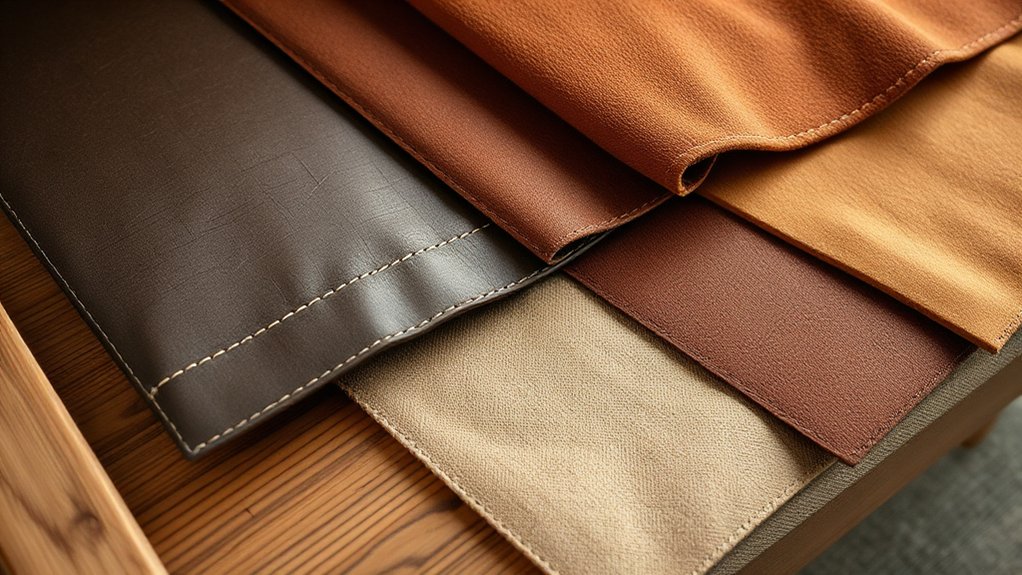
Beyond style and brand, the materials used in a couch considerably impact its price. When you choose materials, think about sustainability impact and environmental factors, which can raise costs if the sourcing is eco-friendly.
Production techniques and upholstery innovations also play a role. Advanced methods often mean higher prices but better durability. Maintenance considerations matter too; some materials need more care, affecting long-term value.
Color choices and texture variations influenced by seasonal trends can drive prices up or down based on demand.
| Material Type | Emotional Appeal | Cost Impact |
|---|---|---|
| Natural Wood Frame | Warm, Timeless | Moderate to High |
| Recycled Fabrics | Eco-friendly, Conscious | Variable |
| Metal Components | Modern, Sleek | Moderate |
| Innovative Foams | Comfortable, Supportive | High |
Selecting materials thoughtfully helps you balance price with quality and sustainability.
How Fabric Type Affects Couch Price

Because fabric directly touches your comfort and style, it plays an essential role in determining a couch’s price. Different fabric variations come with varying costs based on quality and origin. When you choose a fabric, consider these factors:
- Fabric durability: High-durability materials like leather or performance fabrics usually cost more but last longer, saving you money over time.
- Fabric maintenance: Some fabrics demand frequent cleaning or special care, increasing upkeep costs and affecting your choice.
- Fabric aesthetics and comfort: Luxurious textures and softness can raise the price but improve your living room’s appeal and your relaxation.
- Fabric sustainability: Eco-friendly fabrics often carry a premium price due to ethical sourcing and production processes but contribute positively to the environment.
Understanding these elements helps you balance cost with comfort and style. This way, you can pick a fabric that fits your budget without compromising on quality.
How Couch Size Influences Your Budget
Fabric choice affects not only comfort and style but also the overall cost of your couch. Similarly significant are the couch dimensions, which directly impact your budget. Larger couches with greater seating capacity naturally cost more due to increased materials and labor.
Before buying, consider your space carefully. Measuring your room guarantees your new couch fits without overwhelming the area. Layout compatibility matters too; a bulky couch might clash with your room’s flow, while a compact design complements it.
Your style preferences also influence size choices. Sectionals or oversized couches suit casual, spacious rooms, whereas sleek, smaller pieces fit modern, minimalistic aesthetics. Balancing couch size with room aesthetics helps you get a piece that feels right without breaking the bank.
How Design Complexity Affects Couch Price
When you pick a couch with intricate detailing, you can expect the price to go up a bit. That’s because all that extra craftsmanship takes time and skill. On top of that, customization options let you tailor the piece just the way you want it, but they also add to the cost since the complexity increases.
And it’s not just the details or customization. If the design uses layered materials, that can push the price even higher. More materials mean more labor and better quality, which naturally affects the final price. So, the more complex the design, the more you might end up spending.
Intricate Detailing Costs
Although you might focus on size and material, the complexity of a couch’s design can profoundly impact its price. Intricate detailing adds significant craftsmanship value, making the piece unique and often more expensive. Here’s how these details affect costs:
- Intricate patterns require skilled artisan techniques, increasing design labor and time.
- Stitching quality influences durability and aesthetics, demanding precision work that raises prices.
- Finishing touches, like hand-applied embellishments, add to embellishment costs and overall value.
- Customization details involving complex design elements push up labor and material expenses.
When you choose a couch with detailed craftsmanship, you’re paying not just for materials but for the skill and effort behind every stitch and pattern. This directly impacts the final cost.
Customization Options Impact
Customization options play a major role in determining the price of your couch. When you opt for a custom design, you’re tapping into personalization trends that let you tailor every detail to your taste.
Whether you choose unique features like built-in storage or adjustable armrests, these bespoke options naturally increase the cost. Manufacturers consider customer preferences carefully, ensuring your aesthetic choices, from fabric patterns to leg styles, match your vision perfectly.
The more complex and specialized your design requests, the higher the price tends to climb. So, if you want a couch that stands out with distinct elements and personalized touches, be ready for those customization options to impact the final price considerably.
You get exactly what you want, but it comes with a tailored price tag.
Material Layering Complexity
Because the complexity of material layering directly influences durability and comfort, it also plays a significant role in your couch’s price. Different layering techniques affect how long your couch lasts and how it feels.
When manufacturers use advanced layers, they elevate both the aesthetic appeal and durability factors, which come with cost implications. Here’s what you should know:
- Multiple foam densities improve support but increase costs.
- Layering down or feathers boosts comfort, adding to price.
- High-quality fabrics layered over cushioning elevate visual appeal and durability.
- Intricate stitching and padding techniques require more labor, raising expenses.
Understanding these layering complexities helps you see why a seemingly simple couch might cost more because of the quality and craftsmanship behind it.
Why Brand Reputation Matters for Couch Cost
Brand reputation plays an essential role in determining the price of a couch. When you choose a well-known brand, you’re not just paying for the product itself but also for the brand’s heritage and influence in the market.
Brands with a strong reputation have built consumer trust over time, which often translates into higher costs. Their pricing strategy reflects the value customers place on reliability and status. Luxury branding, in particular, commands premium prices because of its perceived exclusivity and quality.
Strong brand reputations build trust that justifies premium pricing tied to reliability and exclusivity.
Your brand loyalty also affects how much you’re willing to spend. If you trust a brand’s market perception and past experiences, you might accept higher prices without hesitation.
The reputation impact goes beyond materials or design. It’s about the assurance you get from buying a product backed by a respected name. Ultimately, brand reputation shapes your expectations and the final price tag of the couch you choose.
How Cushion and Frame Quality Affect Couch Price
You’ll notice that the durability of the cushion material really makes a difference in how long your couch stays comfortable. Plus, the strength of the frame construction doesn’t just impact how long the couch lasts, it also influences the price. So, when you opt for higher-quality materials, you’re basically investing in a couch that not only lasts longer but feels better too.
Cushion Material Durability
Cushion material durability plays a key role in determining a couch’s price and longevity. When you choose cushions, you’re directly affecting comfort level and how long they last. Here’s what to evaluate:
- Cushion longevity varies with materials; high-density foam lasts longer but may cost more upfront.
- Performance fabrics resist stains and wear, reducing maintenance requirements and appealing to busy households.
- Eco-friendly options are growing in demand, influencing consumer preferences and sometimes increasing prices due to sustainable sourcing.
- Warranty coverage often reflects confidence in cushion durability, offering you protection against premature wear amid inflation impact on material costs.
Understanding these factors helps you pick a couch that balances comfort, durability, and price effectively.
Frame Construction Strength
Although cushions greatly impact comfort, the frame construction strength plays a comparably essential role in determining a couch’s durability and price. When you choose a couch, the frame durability largely depends on the construction materials used. Hardwood frames typically last longer than softwood or metal alternatives.
The design stability also affects how well the couch holds up over time. Advanced manufacturing techniques contribute to stronger joints and better overall support. Moreover, assembly quality guarantees all parts fit securely, preventing wobbling or sagging.
Skimping on these aspects may lower the initial cost but can lead to quicker wear and replacement. So, when evaluating couch prices, keep in mind that higher-quality frames with superior materials, precise assembly, and smart design provide better value and long-term comfort.
Why Customization Options Raise Couch Prices
When you choose customization options for a couch, the price often rises because manufacturers invest more time and materials to meet your specific preferences. Customization benefits go beyond aesthetics; they reflect personalization trends driven by buyer expectations for unique features and design preferences. Here’s why customization impacts cost:
Customization increases couch prices by requiring extra time and materials to fulfill your unique style and preferences
- Material Selection: You select fabrics and finishes that match your style, often pricier than standard options.
- Craftsmanship Value: Skilled labor is needed to tailor your couch, increasing production time and cost.
- Consumer Choices: Customized orders require special handling, reducing manufacturing efficiency and raising expenses.
- Market Competition: Brands offer diverse customization to meet rising buyer expectations, adding complexity and value.
These factors together show how personalization not only meets your needs but also influences pricing by emphasizing uniqueness and quality in a competitive market.
How Manufacturing Location Impacts Couch Price
Since manufacturing location directly affects labor costs, material availability, and shipping expenses, it plays a crucial role in determining your couch’s final price. When a couch is produced in regions with higher labor costs or strict manufacturing standards, you’ll likely pay more.
Conversely, locations with lower labor costs and streamlined production efficiency can offer more affordable options. Transportation expenses also matter; if your couch travels a long distance, shipping fees and potential import tariffs add to the cost.
Regional regulations impact how factories operate, influencing both cost and quality. Furthermore, economic factors like local supply chain stability and currency exchange rates affect pricing. If the supply chain in a manufacturing area is disrupted, it might delay production or increase expenses, which you’ll feel in the price.
How Delivery, Assembly, and Warranty Affect Couch Cost
Even if you find a couch at a great price, delivery, assembly, and warranty services can greatly influence the total cost. These factors add layers beyond the sticker price, affecting your final expense.
Delivery fees vary based on shipping distance and service quality. So, longer distances often mean higher costs.
Delivery fees fluctuate with distance and service quality, often increasing costs for longer shipments.
Assembly options can range from simple setups included in the price to paid installation costs for more complex models.
Warranty coverage and protection plans provide peace of mind but may increase the upfront cost depending on the length and scope.
Return policies impact your risk. Flexible terms might come with added fees, influencing how much you ultimately pay.
Frequently Asked Questions
How Often Should I Replace My Couch to Get the Best Value?
You should replace your couch every 7 to 15 years to get the best value. The couch lifespan depends largely on material quality and how often you use it.
Higher quality materials last longer, so investing upfront saves you money over time. Keep an eye on wear and comfort. If your couch starts sagging or feels uncomfortable, it’s time to contemplate a replacement to maintain both style and support.
Do Seasonal Sales Significantly Reduce Couch Prices?
Coincidentally, seasonal discounts often line up perfectly with your couch-buying plans. You’ll find that retailers use these pricing strategies to clear inventory and attract buyers, which means you can score substantial savings.
If you time it right, especially during holiday sales or end-of-season clearances, you’ll see prices drop noticeably. So yes, seasonal sales can considerably reduce couch prices, making it a smart move to shop during these periods.
Can Financing Options Affect the Overall Cost of a Couch?
Yes, financing options can affect the overall cost of a couch. When you choose different financing types, you’ll face varying interest rates that increase the total amount you pay over time.
Lower monthly payments might seem appealing, but they often mean you’ll pay more interest in the long run. Plus, how you manage your payments can impact your credit, so it’s important to pick a plan that fits your budget and credit goals.
How Do Eco-Friendly Couches Compare in Price to Traditional Ones?
Imagine sinking into a lush, earth-toned couch that not only feels good but does good. Eco-friendly couches often cost more upfront than traditional ones because sustainable materials and ethical production raise material costs.
However, you get sustainability benefits like durability and less environmental impact, which can save you money and guilt long-term. So, while your wallet might feel a pinch initially, your values and future savings make it worth the investment.
What Role Do Return Policies Play in Couch Purchasing Decisions?
Return policy impact plays a big role in your couch purchasing decisions because it gives you peace of mind. When you know you can return or exchange a couch easily, your customer satisfaction increases, making you more confident in buying.
A flexible return policy protects you from buyer’s remorse and guarantees you aren’t stuck with something that doesn’t fit your style or comfort. So, always check return policies before you commit.
Conclusion
When you’re hunting for the perfect couch, every tiny detail feels like it could cost a fortune because it can! From fabric to frame, size to style, and even where it’s made, these factors pile up faster than you’d think.
But don’t let that scare you. Knowing what drives the price helps you make smarter choices. After all, your couch isn’t just furniture. It’s the throne of your living room kingdom!
Understanding these key factors can make all the difference when deciding how much a new couch costs.