How Tall Are End Tables and How to Choose the Right Height
Finding the perfect end table can be surprisingly tricky. You want something that fits just right next to your sofa but isn’t too tall or too short.
If you’ve ever struggled to find a table that feels comfortable and looks balanced, you’re not alone—many people face this challenge. How Tall Are End Tables.
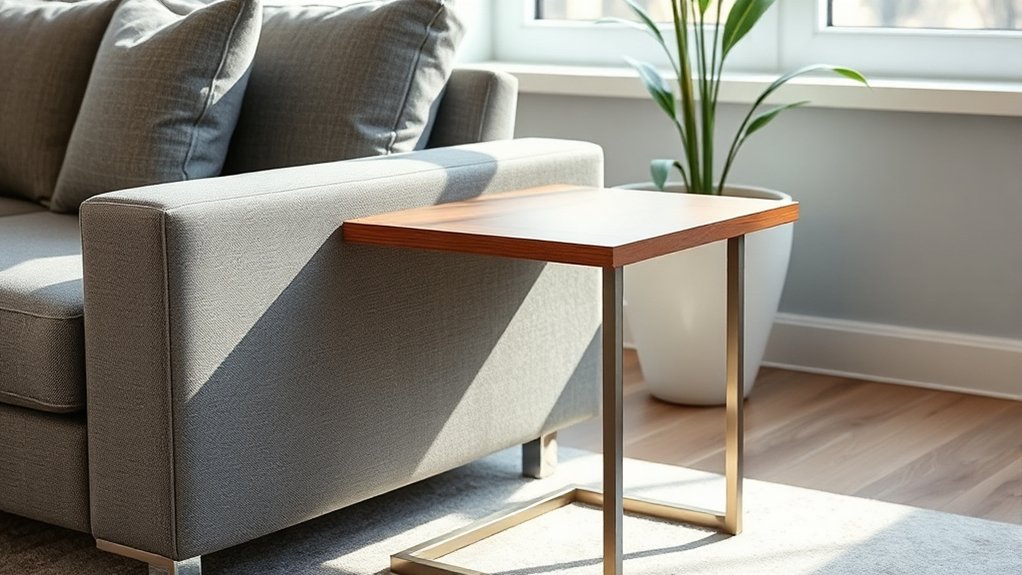
End tables typically stand between 22 and 30 inches tall, and you’ll want to choose one that aligns closely with your sofa’s armrest, usually the same height or up to an inch taller. This makes sure your drinks, lamps, or books are within easy reach and keeps the space looking balanced.
Consider your room size and how you’ll use the table to find the perfect fit.
Keep exploring to uncover tips for comfort, style, and avoiding common mistakes.
Key Takeaways
- End tables typically range from 22 to 30 inches in height, matching common sofa armrest levels for easy access.
- Measure your sofa or chair armrest height to choose an end table that is the same height or up to one inch taller.
- Small rooms favor shorter tables (22-24 inches), while larger rooms accommodate taller tables (24-28 inches) for balanced proportions.
- Align end table height with daily activities, ensuring comfort and accessibility without straining or awkward reaching.
- Adjustable end tables offer flexibility to customize height for different seating and uses, enhancing both function and style.
What Is the Standard Height Range for End Tables?
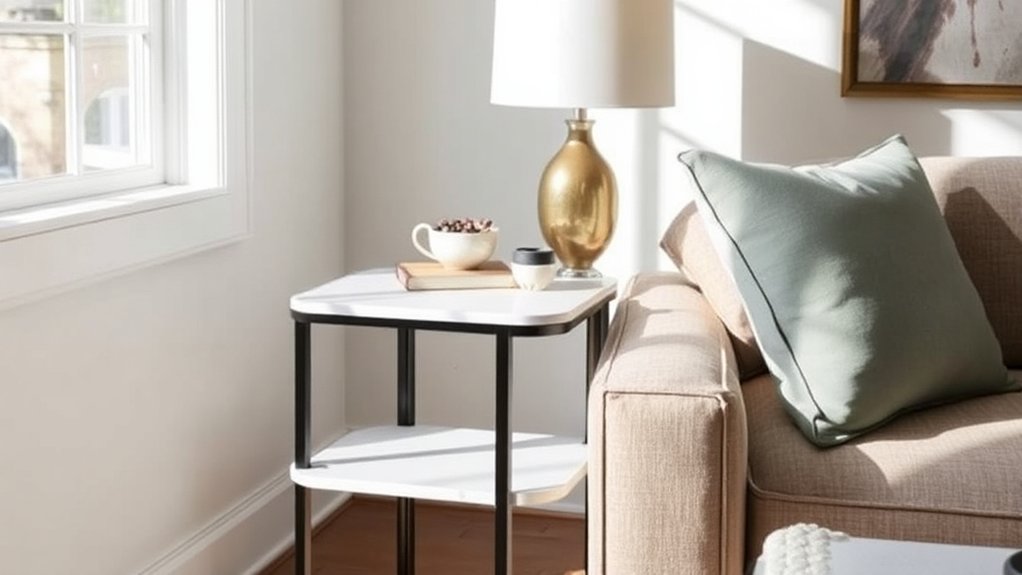
When choosing an end table, you’ll want to take into account the standard height range to confirm it fits well with your seating. Typically, end tables stand between 22 to 30 inches tall. This range guarantees they’re neither too low nor too high, making it easy to reach for a drink or book without awkward stretching.
Keep in mind that different end table styles might influence the height you pick. For instance, sleek modern designs often lean toward the lower side, while traditional pieces may be taller. Balancing height aesthetics with functionality is key to creating a cohesive look in your space.
You don’t want an end table that overwhelms your sofa or feels out of place. Instead, aim for a height that complements your furniture’s shape and size, enhancing both comfort and style. By sticking to this standard height range, you’ll find an end table that fits seamlessly into your room’s overall design.
How to Measure Your Sofa or Chair for the Right End Table Height
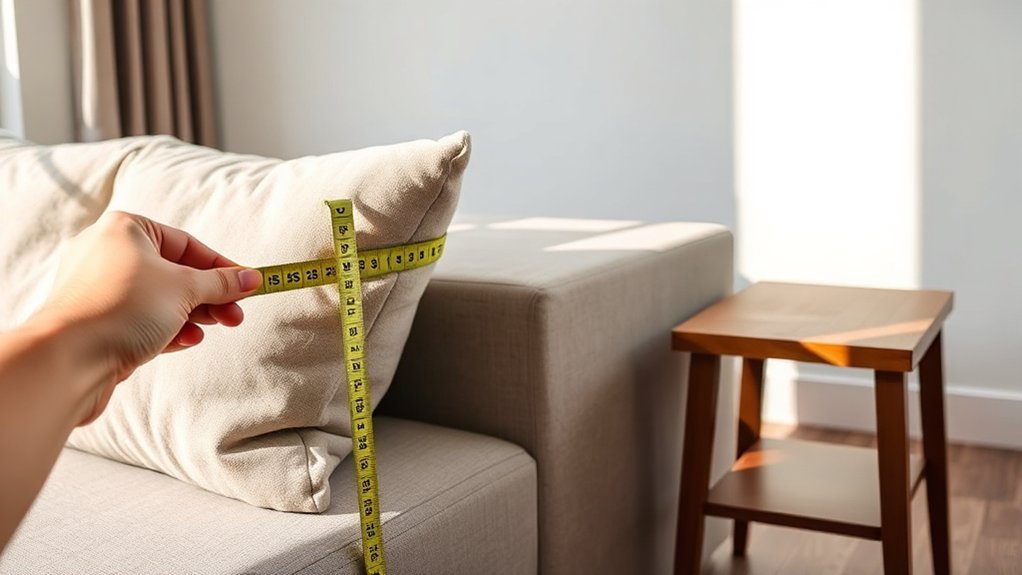
Start by measuring the height of your sofa or chair seat—that way, you get a baseline for your end table. And don’t forget to check the armrest level, too, since your table should be pretty close to it for easy reach. Also, think about how you plan to use the table; this will help you decide if it needs to be taller or shorter.
Measure Seat Height
How do you determine the ideal end table height for your sofa or chair? Start by measuring the seat height, which is the distance from the floor to the top of the seat cushion. Accurate seat measurements guarantee your end table complements your furniture comfortably.
Ergonomic considerations matter. The table should be close to the seat height or slightly higher to keep items within easy reach without straining.
Here’s a quick guide to relate seat height with end table height:
| Seat Height (inches) | Ideal End Table Height (inches) |
|---|---|
| 16 | 18-20 |
| 17 | 19-21 |
| 18 | 20-22 |
| 19 | 21-23 |
| 20 | 22-24 |
Use this to match your seat measurements for an ergonomic setup.
Assess Armrest Level
Why should you consider the armrest level when choosing an end table? The armrest alignment plays a significant role in comfort assessment, ensuring your table doesn’t feel too low or too high beside your sofa or chair.
To measure, use a tape measure to check the height from the floor to the top of the armrest. Your end table should be roughly the same height or up to an inch taller to maintain seamless access and visual balance.
This alignment helps you easily place drinks, books, or remotes without straining. Ignoring armrest level can lead to awkward reaching or an unbalanced look.
Consider Table Function
Although choosing the right height often depends on your sofa or chair, you also need to think about what you’ll use the table for. If your end table will hold drinks or snacks, aim for a height close to your armrest for easy access.
For lamps or decorative items, you might prefer a slightly taller table to improve design aesthetics without crowding the space. Think about functional styles too—whether you want storage, a surface for books, or a spot for charging devices.
Measuring your sofa or chair’s armrest height helps, but aligning table function with design aesthetics guarantees your choice fits both purpose and style. By balancing these factors, you create a cohesive, practical space tailored to your daily needs.
Using Measurements to Choose the Perfect End Table Height
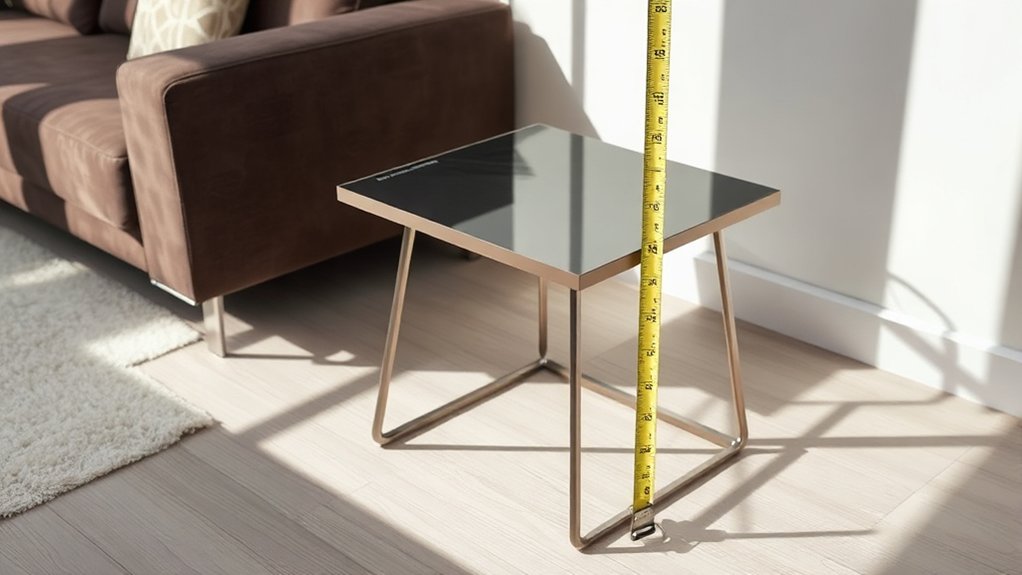
To find the perfect end table height, start by measuring the height of your sofa or chair’s arm. Most standard end tables range between 22 to 28 inches tall. So, you’ll want your table to be within an inch or two of your furniture’s arm height. Using these measurements guarantees your end table fits comfortably and looks balanced in your space.
Standard End Table Heights
Choosing the right height for your end table starts with understanding standard measurements. Most end tables range between 22 to 30 inches tall, designed to complement your sofa or chair height. You want your table to be level with or slightly lower than your seating to guarantee easy reach and comfort.
When exploring end table styles and material choices, keep in mind that height can affect the overall look and functionality. For example, taller metal or glass tables might create a sleek, modern vibe, while shorter wooden tables offer a cozy, traditional feel.
Measuring Sofa And Chair
Understanding standard end table heights gives you a solid starting point, but the best fit depends on your specific sofa and chair measurements. To choose the perfect height, first measure the height of your sofa’s armrest and the seat height of your chairs.
Different sofa styles like low-profile or traditional vary in armrest height, so note these details carefully. Likewise, chair types such as recliners or accent chairs have varying seat heights that affect table placement.
Your end table should be within 1-2 inches of your sofa’s armrest height for easy reach. For chairs, aim for a table height that’s level with or slightly below the seat to guarantee comfort. Taking these measurements ensures your end table complements your furniture seamlessly.
Matching End Table Height to Your Sofa: Why It Matters
When your end table aligns well with your sofa’s height, it not only looks balanced but also boosts comfort and functionality. Choosing the right height improves your room’s design aesthetics by creating a cohesive look that feels intentional rather than haphazard. When your table matches the sofa’s arm height or sits slightly below, it complements the furniture’s lines and proportions, making the space visually pleasing.
Beyond style, matching your end table height offers ergonomic benefits. It lets you easily reach items without awkward stretching or bending, supporting a more natural posture. This alignment helps keep your living area organized and practical, so you can enjoy your space fully. Paying attention to this detail guarantees your room feels thoughtfully designed and user-friendly, blending form and function effortlessly.
How End Table Height Impacts Comfort and Accessibility
Although end tables might seem like simple additions, their height plays an essential role in your comfort and how easily you can access items. When an end table is too low or too high, it can disrupt your comfort levels, forcing you to stretch awkwardly or bend down to reach things. This discomfort can add up, especially if you use the table frequently.
Accessibility factors go beyond just comfort. The right height guarantees you can effortlessly grab a drink, a book, or your phone without straining. It also helps maintain a smooth flow in your living space, making it easier to move around without bumping into furniture.
Picking End Table Height for Different Room Activities and Spaces
When you’re picking an end table height, think about what you’ll be using it for—like reading or snacking. It makes a difference to have the table at just the right level for your activities.
Also, don’t forget to consider how much space you have available. You want the table to fit comfortably without overcrowding the room.
And of course, it’s a good idea to choose a height that complements your other furniture. Matching heights can really help your space feel balanced and functional.
Activity-Based Height Selection
Since end tables serve various purposes depending on the room and activity, you should tailor their height to fit how you use the space. Consider your activity preferences and lifestyle needs when choosing the right height.
For example, if you often read or work while seated on the sofa, pick an end table that matches or slightly exceeds the armrest height for easy access to books or drinks. If you use the table mainly for decorative items or lighting, a slightly lower height might work better to avoid obstructing views.
In family rooms where kids gather, a sturdier, lower table minimizes accidents while still serving functional needs. By aligning the table height with your daily activities, you make your space more comfortable and practical.
Space Constraints Consideration
While choosing the right height for your end table, you also have to take into account the size and layout of your room. Space optimization is key, especially in smaller areas where bulky furniture can overwhelm. Selecting an end table height that complements your seating and allows easy reach helps maintain design balance and functionality.
Here’s a quick guide for space constraints and common room activities:
| Room Type | Recommended Height | Space Optimization Tip |
|---|---|---|
| Small Living | 22-24 inches | Choose slim, taller tables |
| Large Living | 24-28 inches | Balance with larger sofas |
| Bedroom | 20-24 inches | Keep low to avoid clutter |
| Office | 24-26 inches | Prioritize reachability |
| Reading Nook | 22-25 inches | Opt for compact, accessible |
Adjust height wisely to keep your space functional and visually pleasing.
Matching Furniture Heights
Choosing the right height for your end table means matching it carefully with the other furniture in your room to create a cohesive and functional space. To achieve proper furniture proportions and maintain aesthetic balance, consider these tips when picking your end table height:
- Match sofa arm height: Choose an end table height within one to two inches of your sofa arm for easy reach and visual harmony.
- Account for room activity: For rooms where you read or work, slightly taller tables offer better convenience. In casual spaces, lower tables create a relaxed vibe.
- Consider surrounding furniture: Balance your end table’s height with nearby chairs or coffee tables to avoid awkward height differences and preserve flow.
Finding the Most Comfortable End Table Height for Small vs. Large Rooms
When you’re selecting an end table for your space, the size of the room plays a big role in determining the ideal height. In a small room, you want an end table that doesn’t overwhelm the space. Typically, lower heights around 20-22 inches work best to keep things airy and functional.
For a large room, taller tables around 24-28 inches can balance bigger furniture and open areas. This creates a cohesive look without feeling lost.
Here’s a quick guide to help you find the right height:
| Room Size | Recommended End Table Height | Reason |
|---|---|---|
| Small Room | 20-22 inches | Keeps space open, avoids clutter |
| Medium Room | 22-24 inches | Offers balance without overpowering |
| Large Room | 24-28 inches | Complements larger furniture scale |
| Any Room | Match sofa arm height | Guarantees easy reach and comfort |
Adjust your choice based on room size to maintain comfort and style.
Using Adjustable End Table Heights for Greater Flexibility and Style
If you want to maximize both functionality and style, adjustable end tables offer a smart solution. These versatile pieces let you tailor the height to your needs, blending seamlessly with your space while enhancing comfort. With adjustable designs, you gain more control over how your end table complements your seating arrangement and daily activities.
Here’s why you should consider adjustable end tables:
- Custom Comfort: Easily change the height to match your sofa or chair, making sure your drinks, books, and gadgets are always within reach.
- Space Efficiency: Adapt the table for different uses, from a low-profile side table to a taller surface for working or snacking.
- Modern Aesthetics: Many adjustable models feature sleek lines and contemporary materials, perfect for updating your room’s look without sacrificing style.
Common Mistakes When Choosing End Table Height and How to Avoid Them
Picking the wrong height for your end table can throw off both comfort and style in your living space. One common mistake is falling for height misconceptions, like assuming all end tables should be taller than your sofa arm. In reality, the ideal height usually aligns with or is slightly below the armrest to guarantee easy reach.
Another pitfall is ignoring your design preferences. Choosing a table just because it matches your décor but ignoring practical height needs can lead to awkward use. Avoid these errors by measuring your sofa’s arm height first and considering how you’ll use the table daily.
Don’t forget that personal comfort matters more than rigid rules. Finally, steer clear of setting your table too low or too high, as either can interfere with accessibility and visual balance. By focusing on both functionality and your style, you’ll find an end table height that complements your space perfectly.
Where to Buy End Tables in the Perfect Height Range
Since finding the right height is essential, you’ll want to shop where end tables offer precise measurements and variety. This guarantees you get the perfect fit for your space and seating arrangement. Many places now provide detailed specs, making it easier to compare options and avoid guesswork.
Here are three great places to buy end tables in the perfect height range:
- Online retailers like Wayfair or Amazon showcase a wide range of end table styles with exact dimensions listed, so you can filter by height and style easily.
- Furniture stores often let you measure tables in person, giving you a hands-on feel for the height and overall look.
- Specialty home decor shops typically carry curated selections, focusing on unique designs and varying heights that complement your room’s style.
Frequently Asked Questions
What Materials Are Best for Durable End Tables?
You’ll want to choose wood types like oak, maple, or walnut for durable end tables because they resist wear and last long. Metal finishes such as powder-coated steel or brushed nickel also offer great durability and add a modern touch.
Combining these materials gives you strength and style. Avoid softwoods or cheap metals, as they can dent or scratch easily, reducing your table’s lifespan and appearance over time.
How Do I Style an End Table With Other Furniture?
Styling an end table is like painting a picture. Color coordination is your palette. Match your table’s hues with your sofa or rug to create harmony.
Keep height balance in mind; your end table should sit level with or just below the armrest for comfort and flow. Add a mix of textures, like a lamp or a plant, to keep things lively.
This way, your end table complements, not competes, with your other furniture.
What Are Popular Shapes for End Tables?
Popular shapes for end tables include round designs, square shapes, and rectangular styles. You’ll find round designs work great for softer, more casual spaces, while square shapes offer a classic, balanced look.
Rectangular styles fit well beside longer furniture pieces. If you want to make a statement, look for unique silhouettes that add personality and flair to your room. Mixing these shapes can create a dynamic, stylish setup.
Can End Tables Be Used Outdoors?
Yes, you can use end tables outdoors, but you’ll want to choose ones with outdoor durability and weather resistance. Look for materials like treated wood, metal, or synthetic wicker that withstand sun, rain, and humidity.
If your table isn’t designed for outdoor use, consider applying a protective sealant. That way, your end tables stay sturdy and attractive, no matter the weather, making your outdoor space both functional and stylish.
How to Maintain and Clean Different End Table Finishes?
You know what they say: a stitch in time saves nine. For end table care, start by dusting regularly with a soft cloth to prevent scratches. Use coasters to avoid water rings and protect the finish.
For wood finishes, apply polish or wax occasionally to maintain luster. With metal or glass, mild soap and water work best. Always avoid harsh chemicals to keep finish protection strong and your table looking great.
Conclusion
Choosing the right end table height means measuring your sofa, matching comfort with style, and considering your room size. It means avoiding common mistakes, embracing adjustable options, and prioritizing accessibility.
It means creating a space that feels balanced, looks inviting, and works for you every day. So, take your measurements, investigate your options, and pick an end table height that fits perfectly because your comfort and style deserve nothing less.
When you focus on the right end table height, you’re not just adding furniture—you’re enhancing the whole room’s feel. Making the right choice ensures your space looks great and feels just right.