How to Use Furniture Dolly Safely and Effectively
Using a furniture dolly is the quickest way to move heavy or bulky furniture without straining yourself or risking damage. Simply place the furniture piece on the flat platform of the dolly, secure it if needed, and carefully push or pull it to the desired location. This tool reduces friction and distributes weight evenly, allowing safe, controlled transport.
Moving large items like sofas, cabinets, or tables can be exhausting and may cause injuries if handled incorrectly. A furniture dolly transforms heavy lifting into smooth rolling, saving effort and preventing back strain. Understanding how to properly use one ensures the process is both efficient and safe for you and your belongings.
This article will walk through everything from selecting the right furniture dolly and preparing your furniture, to techniques for loading, securing, and maneuvering the dolly. You’ll also find safety tips and maintenance advice to keep your dolly in good shape for future moves.
Choosing the Right Furniture Dolly

Types of Furniture Dollies
Furniture dollies come mainly in two designs: flat platform dollies and four-wheel dollies with straps. Flat platform dollies are ideal for objects with solid bottoms and flat shapes, while four-wheel dollies with straps offer extra security for awkward shapes that might slide off.
Material also varies; plastic dollies are lighter and resistant to rust, ideal for indoor use, whereas steel dollies handle heavier loads and endure rougher surfaces. Selecting the right type affects maneuverability and load capacity.
- Flat platform dolly – low to ground, good for bulky items
- Strap dollies – with adjustable straps for securing
- Plastic vs. steel build – lightweight versus heavy duty
- Load capacity ratings to match furniture weight
Evaluating Load Capacity and Size
It’s essential to match the dolly’s load capacity to the weight of your furniture. Overloading a dolly can cause instability or damage to both the tool and your furniture.
Also, check that the dolly’s platform size supports your furniture’s base. Dollies that are too small can risk tipping, while excessively large ones might be cumbersome to maneuver.
- Check manufacturer’s weight rating
- Measure furniture base dimensions
- Allow for some overhang if furniture shape is uneven
- Choose sturdy wheels rated for smooth rolling
Preparing Furniture for Moving with a Furniture Dolly
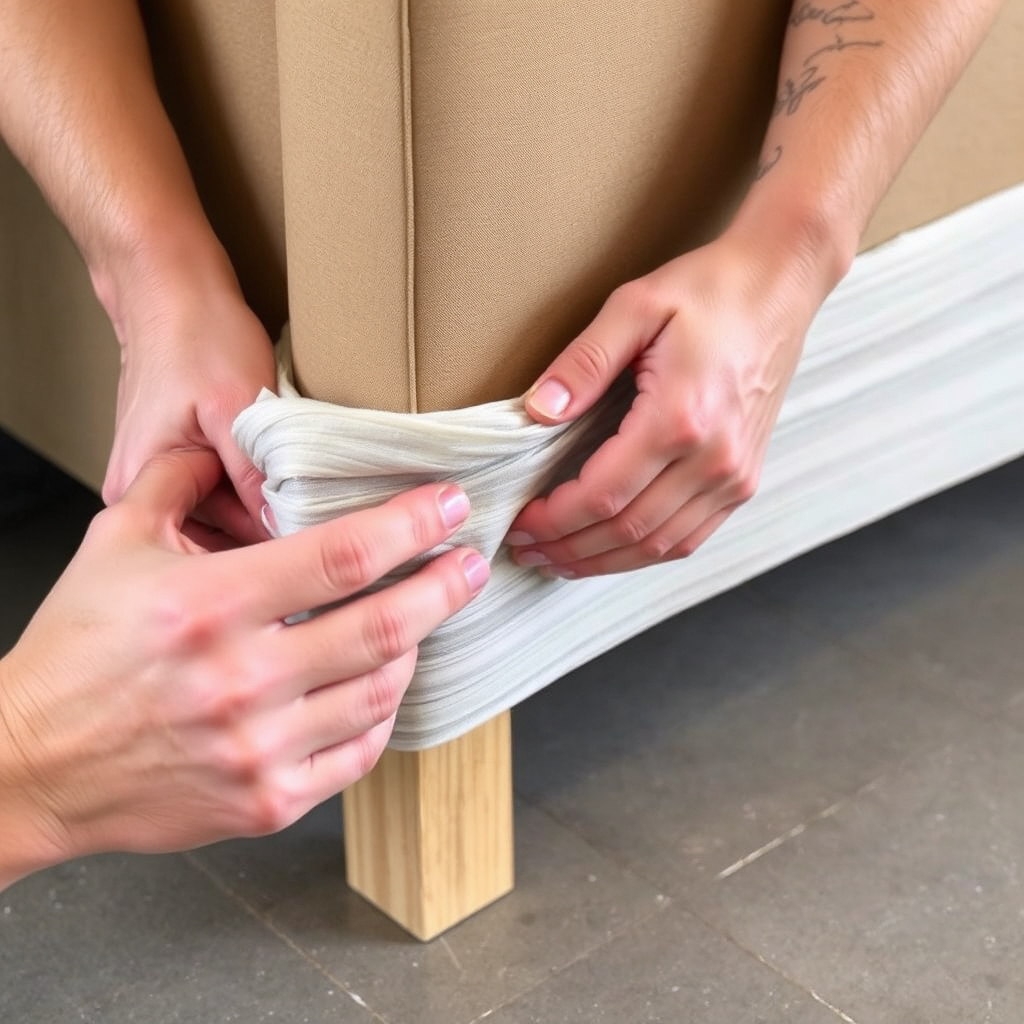
Protecting Your Furniture
Wrap delicate corners and edges with moving blankets or bubble wrap before placing on the dolly. This reduces the chance of scratches or dents during transport.
Removing removable parts like cushions, glass panels, or shelves minimizes weight and reduces shifting risks on the dolly. Store these parts safely until reassembly.
- Use furniture pads or blankets
- Secure loose parts separately
- Wrap with tape carefully without damaging surfaces
For more on this, see our related guide: What Are the Big Queen Bed Size Dimensions?.
Positioning Furniture on the Dolly
Center the furniture on the dolly platform to evenly distribute weight and keep it balanced. Off-center placement increases the chance of tipping or wheel lock.
If the dolly includes straps, fasten them snugly around the furniture to prevent any movement. When no straps are available, use ropes or bungee cords cautiously ensuring they won’t slip.
- Place heavier end towards dolly’s stronger side if specified
- Avoid overhanging furniture parts
- Use straps or cord to stabilize
Mastering the Movement Techniques with a Furniture Dolly
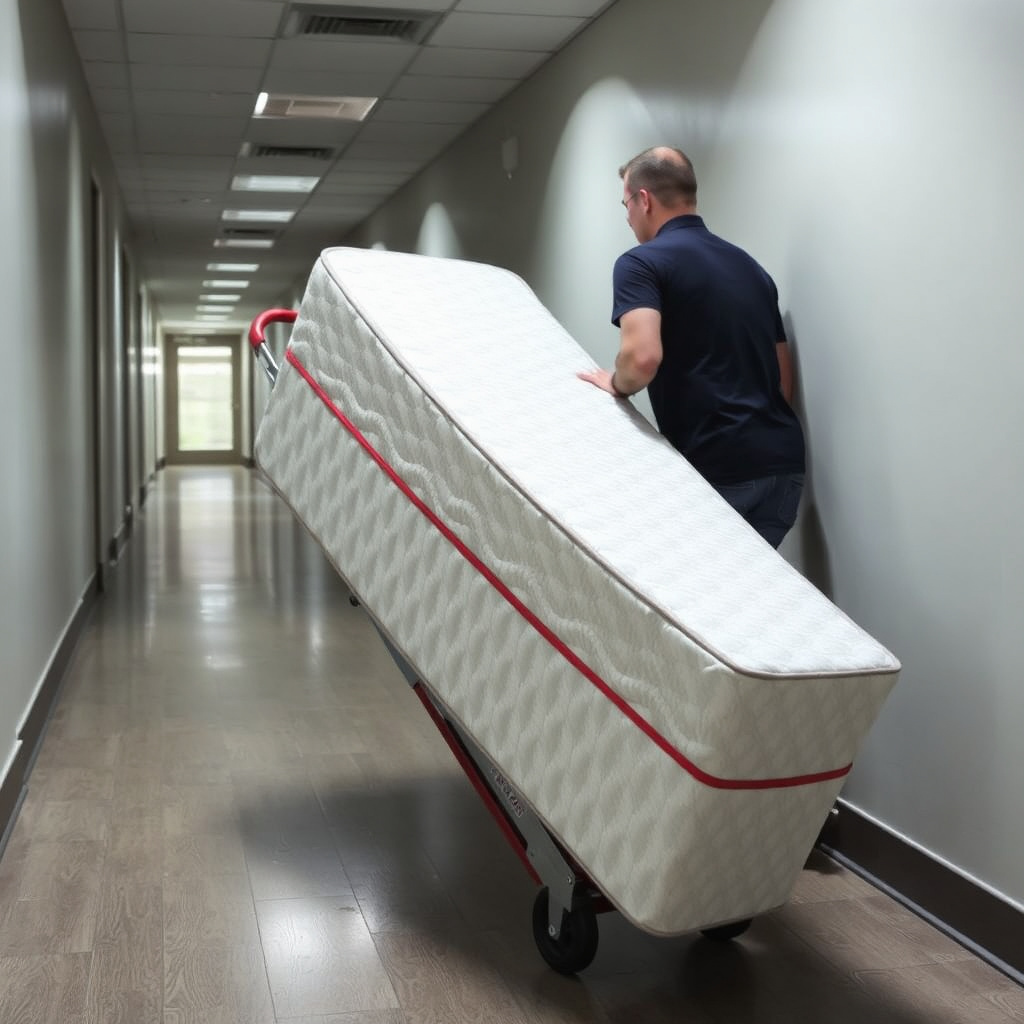
Pushing vs. Pulling Strategies
Whenever possible, push the dolly instead of pulling it. Pushing gives you better control and reduces the risk of strain or accidents by keeping the load in your line of sight.
Pulling can cause jerky movements and less stability, especially when navigating corners or uneven surfaces. If pulling is necessary in tight spaces, move slowly and steadily.
- Maintain firm grip on dolly handle
- Keep load close to you
- Avoid abrupt pushes or pulls
Navigating Corners and Obstacles
Take corners wide and slow to prevent the dolly from tipping or the furniture from catching on doorframes. Wheel types matter; swivel casters offer better maneuverability.
When crossing thresholds or carpets, tilt the dolly slightly if safe to do so or get extra help to lift over obstacles to prevent wheel damage or sudden stops.
- Scout the path before moving
- Use spotters for tight turns
- Lift over uneven surfaces if necessary
Safety Precautions When Using a Furniture Dolly
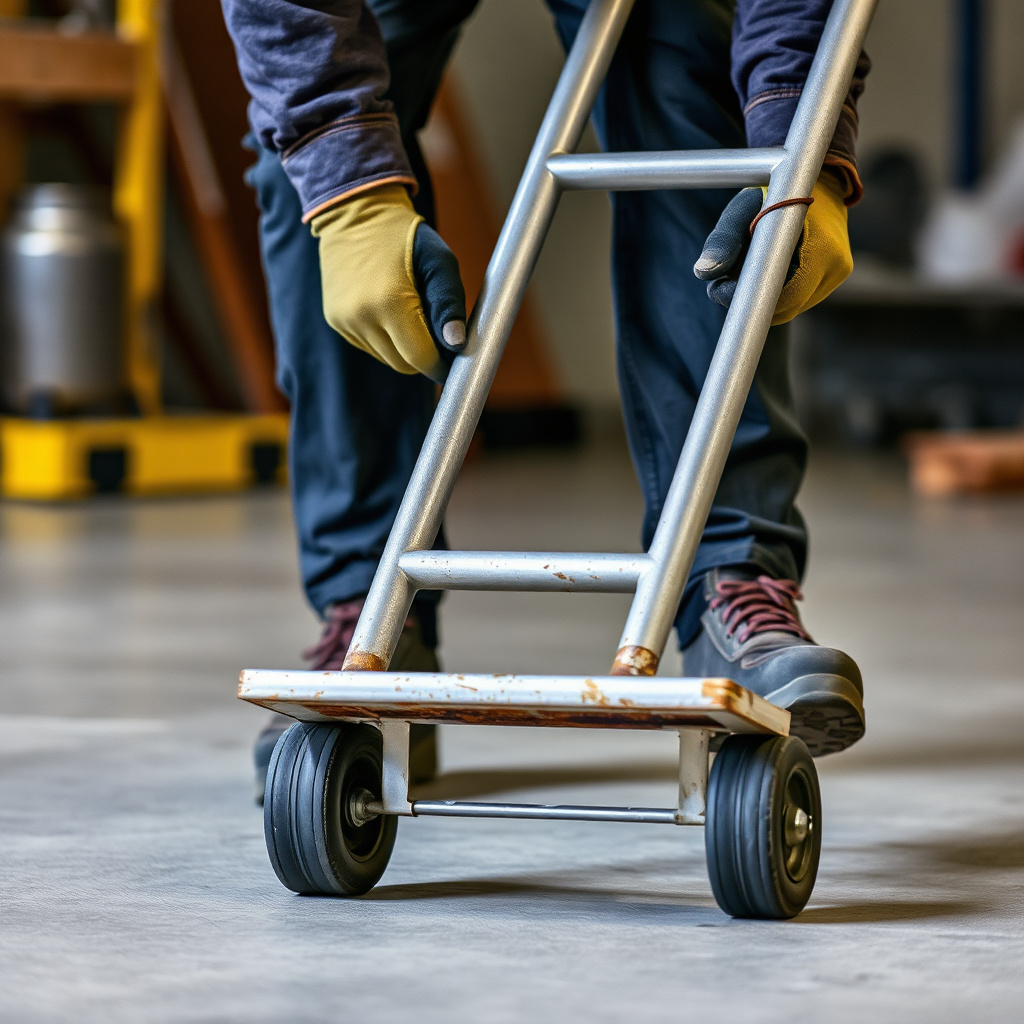
Personal Safety Gear and Posture
Wear gloves to improve your grip and protect hands from sharp edges or splinters. Non-slip shoes reduce chances of slipping during transport.
Keep your back straight and legs bent when loading and unloading to avoid injury. Avoid twisting your torso while pushing or pulling the dolly.
- Use gloves and supportive footwear
- Bend knees when lifting furniture
- Keep arms close to body when moving dolly
For more on this, see our related guide: 7 Best 3-Drawer Filing Cabinets for 2027.
Handling Unexpected Load Shifts
If the furniture begins to shift or slip off the dolly, stop immediately and secure it again. Continuing movement with an unstable load risks falling objects and injury.
Never attempt to stabilize a shifting load by reaching underneath or behind moving furniture; wait for helpers to assist or carefully re-balance.
- Stop and secure load if unstable
- Avoid risky balancing maneuvers
- Use extra help for heavy or awkward items
Maintaining Your Furniture Dolly for Longevity

Cleaning and Wheel Care
Regularly clean the wheels of dirt, debris, and hair to maintain smooth rolling. Accumulations can cause wheels to jam or wear unevenly.
Inspect wheels for cracks or flat spots, replacing them if necessary. A dolly with faulty wheels can damage flooring and increase effort required to move furniture.
- Remove debris after each use
- Check tire wear and replace if worn
- Lubricate wheel bearings as advised
For a detailed overview of different types of dollies and their uses, see the furniture dolly basics on Wikipedia. furniture dolly basics on Wikipedia.
Storage Tips to Preserve Your Dolly
Store your furniture dolly in a dry place to prevent rust or material degradation. Avoid stacking heavy objects on top which can deform the platform.
If the dolly has straps or adjustable parts, loosen or remove them during storage to keep them in good condition and ready for the next use.
- Keep dolly indoors and dry
- Avoid exposure to harsh chemicals
- Store straps loosely to prevent damage
Furniture Dolly Types Comparison
This table compares common furniture dolly types based on key features and ideal uses.
| Type | Material | Load Capacity | Mobility | Best For |
|---|---|---|---|---|
| Flat Platform Dolly | Steel | Up to 1500 lbs | Fixed wheels, moderate | Heavy sofas, appliances |
| Strap Dolly | Plastic with metal frame | Up to 1000 lbs | Swivel wheels, high | Irregular shapes, lamps, dressers |
| Plastic Flat Dolly | Heavy-duty plastic | Up to 800 lbs | Swivel wheels, smooth | Lighter furniture, indoor use |
| Furniture Skates | Rubber pads | Varies | No wheels, sliding | Hardwood floors, short moves |
Frequently Asked Questions
Can I use a furniture dolly on carpeted floors?
Yes, but rolling on carpet requires more effort and slower movements. Dollies with larger or pneumatic wheels work better on carpets to reduce friction.
How do I secure furniture that doesn’t sit flat on the dolly?
Use adjustable straps or bungee cords to hold the item tightly to the dolly. Padding corners and uneven surfaces helps prevent slipping during moves.
Is it safe to move furniture alone using a dolly?
For lighter pieces, yes. However, for heavy or bulky items, having at least one helper is safer to maintain control and manage obstacles.
How do I clean and maintain a furniture dolly?
Remove dirt and debris from wheels after use and lubricate bearings periodically. Store it in a dry place to avoid rust or damage.
What is the maximum weight a furniture dolly can handle?
Weight limits depend on the model, generally ranging from 800 to 1500 pounds. Always check the manufacturer’s specifications before use.
Key Takeaways
- Match the dolly type and size to your furniture’s weight and shape
- Protect your furniture before placing it on the dolly
- Push the dolly carefully and navigate obstacles slowly
- Maintain your dolly regularly to extend its lifespan
Conclusion
Choosing how to use furniture dolly most effectively depends on understanding your furniture’s size, weight, and the work environment. Prioritize a dolly that fits the load capacity and features best suited for your furniture shape and movement path. Attention to preparing the item and managing the dolly during transport minimizes damage risks and physical strain.
For heavier pieces like large sofas or appliances, a steel flat platform dolly with fixed wheels provides solid support and stability. Smaller, oddly shaped items benefit from strap dollies that secure the load while allowing better turning. Carpeted floors may call for dollies with larger, more robust wheels to ease rolling. Regular maintenance, especially of wheels and straps, keeps the dolly safe and functional for repeated use.
The next step is to evaluate the furniture needing moving, select a dolly accordingly, and gather protective wraps and securing straps. Practice careful loading, keeping weight well distributed, and choose a path free of hazards. This practical preparation combined with attention during moving will make furniture transport straightforward and safe.