How to Use a Furniture Dolly: A Step-by-Step Guide for Easy Moving
Using a furniture dolly is the fastest way to move heavy items like sofas, dressers, and tables without straining your back or risking damage. First, position the dolly near the furniture, lift one side carefully, and slide the dolly underneath before rolling it to your destination. This simple tool cuts the effort of carrying and speeds up any moving task.
Moving bulky furniture can be stressful and physically demanding, which is why a furniture dolly offers an effective solution. This wheeled platform distributes weight evenly, reduces the risk of dropping items, and protects floors from scratches. It’s especially helpful when navigating tight hallways and staircases, making your moving experience much less taxing.
This article will cover choosing the right furniture dolly, proper preparation, techniques for loading and maneuvering, safety tips, and maintenance advice. By the end, you’ll feel confident using a furniture dolly for your next move, saving time, and avoiding injury.
Selecting the Best Furniture Dolly for Moving
Types of Furniture Dollies
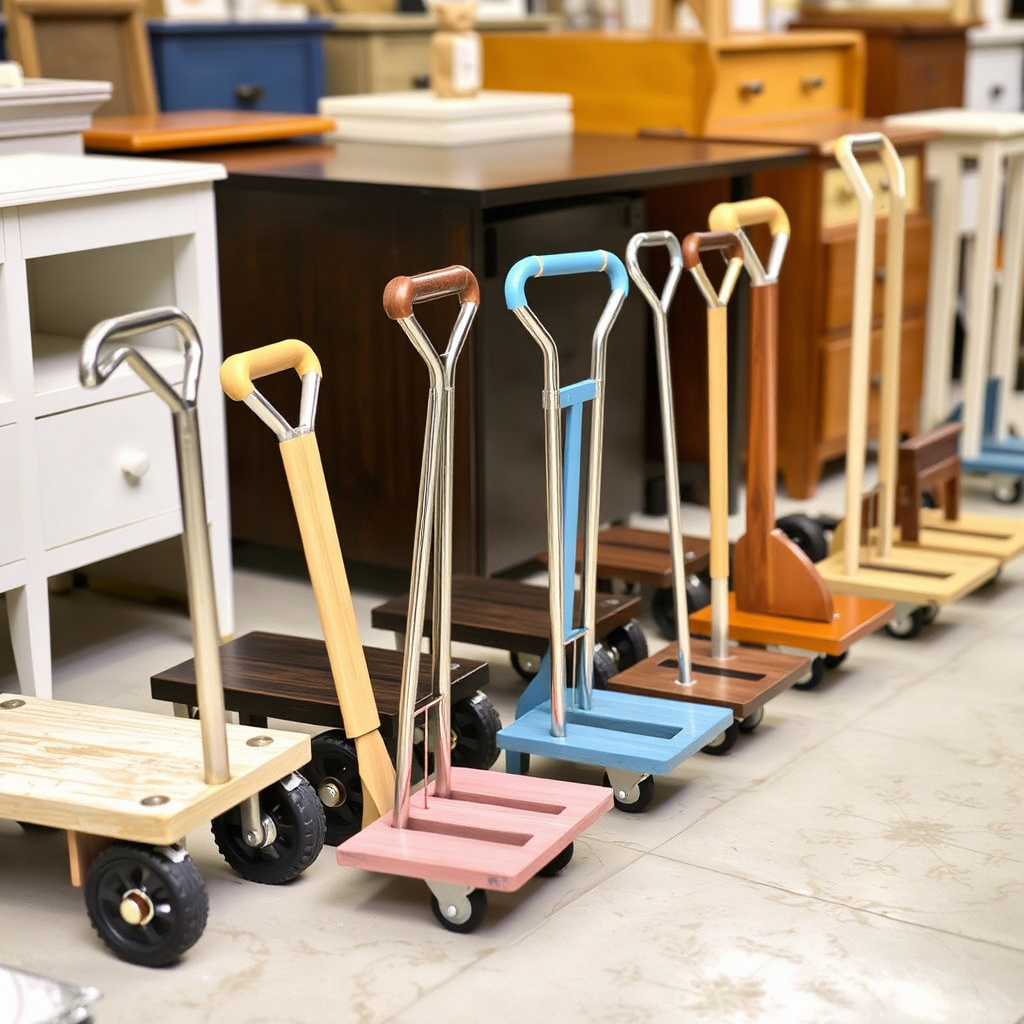
Furniture dollies come in several designs such as utility dollies, four-wheel platform dollies, and adjustable dollies. Platform dollies are versatile, providing a flat surface that supports bulky furniture, while utility dollies often have lips or straps to secure loads. Adjustable dollies allow customization to fit different furniture shapes.
Choosing the right type depends on your moving needs. Platform dollies are ideal for heavy, stable pieces like cabinets, whereas utility dollies work well for boxes or irregular objects. Understanding these differences helps ensure safe and efficient furniture movement.
- Platform dollies hold weight evenly
- Utility dollies have securing features
- Adjustable dollies fit various shapes
- Consider total weight capacity
Material and Wheel Considerations
Furniture dollies are made from steel, wood, or plastic, each with benefits. Steel dollies offer durability for heavy weights, while wood models are often lighter but still sturdy. Plastic dollies resist moisture and won’t rust, good for outdoor moves. Wheel materials like rubber or polyurethane affect maneuverability and floor protection.
Opt for wheels that swivel smoothly and are large enough to roll easily over thresholds and rough surfaces. Soft rubber wheels better protect floors but may wear out faster. Hard polyurethane wheels last longer and handle heavier loads, though they risk floor damage on delicate surfaces.
- Steel for strength, wood for light weight
- Rubber wheels protect flooring
- Polyurethane wheels for rough terrain
- Swiveling wheels improve navigation
Preparing Furniture and Workspace for Dolly Use
Clearing Paths and Floors
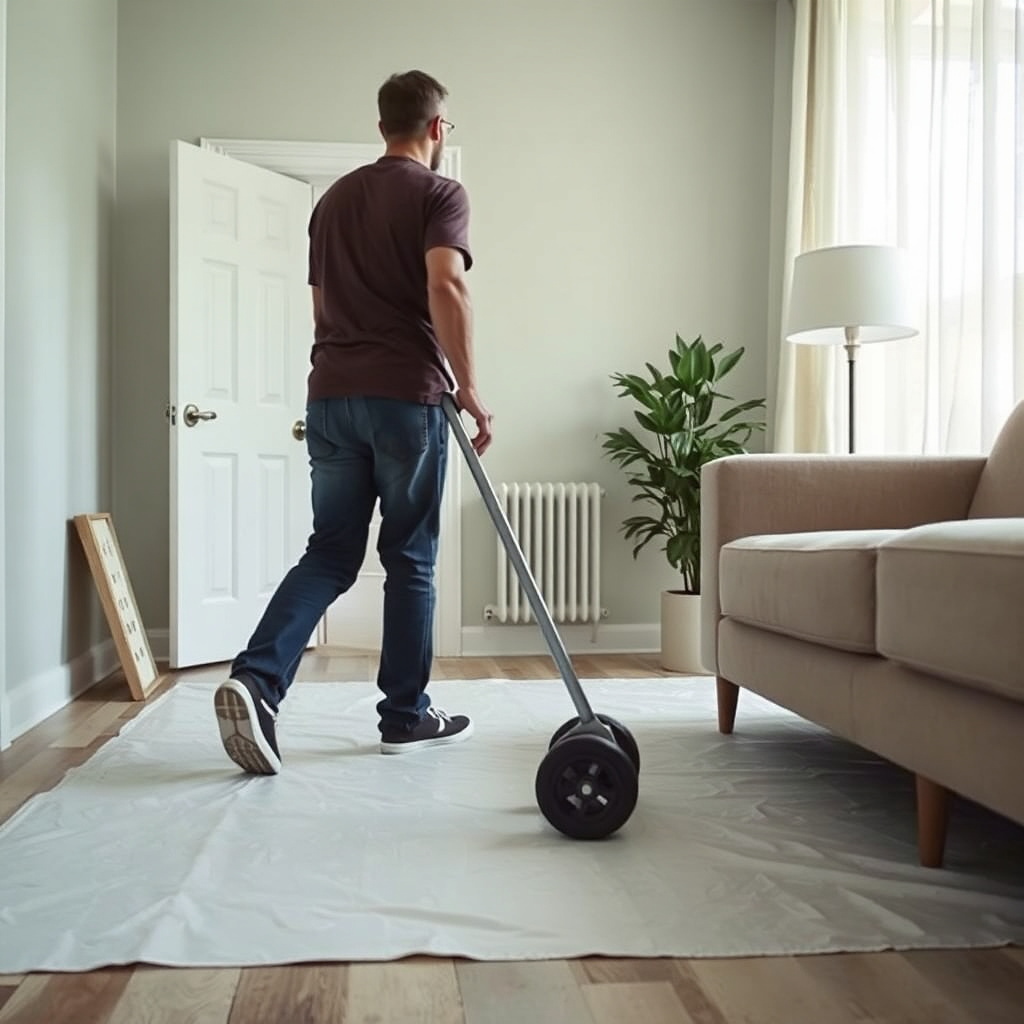
Before using the furniture dolly, clear any obstacles along your moving route such as rugs, cords, or clutter. Check doorways and hallways to confirm that the furniture and dolly together can pass through comfortably. Protect hardwood or tiled floors with blankets or cardboard to prevent scratches from the dolly wheels.
Ensuring a clear and protected path reduces the chances of accidents or floor damage. Good preparation accelerates the move, saves effort, and keeps your home safe during furniture relocation.
- Remove rugs and obstacles
- Measure doorways and hallways
- Use floor protection where needed
- Plan the shortest route
For more on this, see our related guide: What Are the Big Queen Bed Size Dimensions?.
Securing Furniture for Safe Transport
Remove loose items from furniture like cushions, drawers, or decorations to prevent shifting while moving. Wrap furniture in moving blankets or bubble wrap to shield surfaces from scratches during transport. Use straps or bungee cords to fasten items securely onto the dolly to avoid tipping or sliding.
Properly preparing your furniture ensures stability and safety throughout the move. It minimizes damage risk and allows smoother handling, especially when moving over uneven surfaces or through tight spaces.
- Take out removable pieces
- Wrap corners and edges
- Use straps to secure on dolly
- Check for loose components
Loading and Maneuvering a Furniture Dolly Safely

Proper Lifting Techniques
When placing furniture on a dolly, avoid bending from the waist. Instead, bend your knees and keep your back straight to lift with your legs, reducing risk of injury. Lift one side of the furniture slightly and slide the dolly underneath. If the piece is very heavy, use a partner to lift safely.
Using correct form prevents back strain and accidents. Take your time during loading to position the furniture securely on the dolly, positioning the weight evenly across the platform for balanced rolling.
- Bend knees, keep back straight
- Lift with leg muscles
- Work with a partner if heavy
- Place dolly centrally under furniture
Techniques for Moving and Steering
Push the dolly slowly, keeping control and watching for bumps or floor changes. Steering requires gentle turns to prevent tipping. When going over thresholds or slight inclines, angle the dolly carefully and go at a reduced speed. Use ramps if available to cross stairs or curbs safely.
Maintaining smooth, controlled movements decreases the chance of damage to the furniture or surroundings. Mastering dolly maneuvering lets you navigate tight hallways and doors with confidence.
- Push, don’t pull for better control
- Take turns slowly and smoothly
- Use ramps on stairs or curbs
- Adjust speed for uneven surfaces
Safety Tips When Using a Furniture Dolly

Protecting Yourself and Others
Always wear gloves to protect your hands from splinters or sharp edges, and consider steel-toe boots for foot safety. Communicate clearly with helpers and plan each move step to avoid surprises. Never overload the dolly beyond its weight capacity, as this can cause tipping or wheel failure.
Staying safe involves awareness and readiness. Keep bystanders away from the moving area and place warning signs if moving in public spaces. Taking these precautions prevents injuries and accidents.
- Wear gloves and protective footwear
- Never exceed dolly weight limit
- Communicate with helpers
- Clear area of bystanders
For more on this, see our related guide: 7 Best 3-Drawer Filing Cabinets for 2027.
Avoiding Common Furniture Dolly Mistakes
Avoid rushing which can lead to dropping or damaging furniture. Don’t attempt to move oversized items without help or proper equipment. Check the dolly for defects like loose wheels before use. Neglecting these common errors can result in injury or property damage.
Being mindful of common pitfalls helps create a safer, more effective moving process. Maintenance and preparation significantly reduce risks inherent in heavy furniture relocation.
- Inspect dolly before each use
- Move at a controlled pace
- Use team lifting for large items
- Never improvise with faulty equipment
Maintaining Your Furniture Dolly for Longevity

Cleaning and Lubrication
Regularly clean your dolly’s surface and wheels to remove dust, dirt, and debris that can hinder smooth movement. Lubricate the wheel axles with a suitable oil or grease to prevent squeaking and reduce friction. Avoid water exposure to metal parts to prevent rust.
Routine cleaning and lubrication extend the dolly’s service life and maintain its efficiency. A well-maintained dolly offers safer and easier moving experiences over time.
- Wipe down surfaces after use
- Lubricate wheel bearings periodically
- Store in dry place
- Check wheel tightness regularly
For further technical details and history on furniture dollies, see the furniture dolly details on Wikipedia. furniture dolly details on Wikipedia.
Inspecting and Repairing Damage
Frequently inspect dollies for cracks, loose bolts, broken wheels, or bent frames. Replace wheels or hardware promptly if any damage is detected to maintain safety. Minor repairs can often be done at home, but severely damaged dollies should be retired.
Addressing repair needs early prevents accidents caused by sudden failures during use. Keeping your dolly in proper working condition protects both your belongings and yourself.
- Check frame for cracks
- Tighten loose screws
- Replace worn or broken wheels
- Retire overly damaged dollies
Types of Furniture Dollies Compared
This table compares popular furniture dolly categories based on ease of use, weight capacity, and best use cases to help you pick a suitable option.
| Category | Weight Capacity | Mobility | Best Use Case |
|---|---|---|---|
| Platform Dolly | Up to 1000 lbs | High – swiveling wheels | Moving large, heavy furniture |
| Utility Dolly | Up to 800 lbs | Moderate – fixed or swivel wheels | Boxes and irregular items |
| Appliance Dolly | Up to 600 lbs | Moderate – with stair climbers | Heavy appliances and bulky items |
| Adjustable Dolly | Up to 900 lbs | High – customizable size | Various furniture sizes and shapes |
Frequently Asked Questions
Can I use a furniture dolly on carpeted floors?
Furniture dollies with larger, softer wheels work better on carpets as they provide easier rolling and prevent sinking. Hard small wheels may get stuck, so choose dollies designed for diverse surfaces.
How do I secure furniture to the dolly?
Use heavy-duty straps or bungee cords to fasten furniture firmly to the dolly platform. This prevents slipping or tipping while moving, especially on inclines or uneven floors.
Is a furniture dolly suitable for moving stairs?
Standard furniture dollies are not ideal for stairs. Special appliance dollies with stair climber wheels or ramps should be used for transporting heavy items upstairs safely.
What weight limits should I be aware of?
Always adhere to the dolly’s specified weight capacity, usually between 600-1000 pounds, to avoid accidents or equipment failure.
How do I maintain my furniture dolly?
Keep the dolly clean, lubricate wheels regularly, inspect for damage, and store it in a dry place to ensure long life and optimal performance.
Key Takeaways
- Position the dolly properly and lift furniture using safe techniques
- Choose the best furniture dolly type and wheels for your needs
- Clear and protect moving paths before transport
- Maintain your dolly regularly to prolong its lifespan
Conclusion
Understanding how to use a furniture dolly properly involves selecting the right type, preparing the furniture and moving area, and utilizing correct lifting and maneuvering methods. This structured approach reduces injury risk while safeguarding your belongings. Whether you’re moving across the room or relocating to a new home, following these steps ensures efficiency and safety throughout the process.
For light to medium-weight items, a utility dolly with secure straps is often sufficient. However, heavy furnishings like large couches or appliances benefit from platform or appliance dollies with higher weight capacities and specialized wheels. Homeowners who need versatility might find adjustable dollies useful for adapting to various furniture pieces. By matching your dolly choice to the task, you’ll make furniture moving far less strenuous.
Start by assessing your furniture and move environment, then choose your furniture dolly accordingly. Practice safe lifting and secure loading before transporting any items. Finally, store and maintain your dolly properly so it’s ready for future projects. With these guidelines, moving heavy furniture can become a manageable and even straightforward task.