How to Ship a Piece of Furniture Safely and Efficiently
To ship a piece of furniture safely, start by thoroughly cleaning and disassembling it if possible, then carefully wrap and cushion it using moving blankets, bubble wrap, or foam padding. Secure the item with sturdy packing tape and use a strong, appropriately sized box or crate. Label the package clearly and choose a reliable shipping carrier based on your furniture’s size, weight, and delivery speed requirements. How to ship a piece of furniture.
Furniture shipping often involves challenges like preventing damage from impacts, moisture, and rough handling. Knowing how to package and select the right shipping method can save both money and stress, ensuring your valuable or sentimental items reach their destination intact.
This article covers the entire process of shipping furniture, including preparation, packaging materials, carrier options, freight services, insurance considerations, and special tips for delicate or bulky pieces.
Preparing Furniture for Shipping

Cleaning and Disassembly
Before packing, clean your furniture to remove dust, dirt, and debris that could cause scratches. If possible, disassemble larger pieces to reduce size and prevent parts from breaking during transport. Keep screws and small parts organized in labeled bags.
For furniture with detachable components like legs, cushions, or shelves, disassembly lowers shipping costs by fitting into smaller boxes and makes handling safer for shippers.
- Use a screwdriver or Allen wrench
- Label all parts clearly
- Store hardware in sealed bags
Document Condition and Measurements
Take clear photos of the furniture from multiple angles and note any existing damage. Accurate measurements of length, width, and height help to choose suitable packaging and shipping options.
These records are valuable if you need to file an insurance claim or communicate with the shipping company about your shipment.
Packaging Materials and Techniques for Furniture Shipping

Choosing Protective Materials
Moving blankets, bubble wrap, foam padding, and corrugated cardboard are common protective materials. Moving blankets cushion the surface and prevent scratches, while bubble wrap guards fragile areas like glass or carvings. Foam corners help shield edges from impacts.
Selecting the right material depends on the furniture’s fragility, weight, and shape to provide adequate padding without adding unnecessary bulk.
- Moving blankets for surface protection
- Bubble wrap for fragile parts
- Foam padding or corner guards
Wrapping and Securing the Furniture
Wrap the entire piece with moving blankets secured by packing tape or stretch wrap, ensuring no loose ends can catch during shipping. Fragile areas get an additional layer of bubble wrap. For smaller components, wrap separately and pack in boxes.
Strengthen the protection by placing the wrapped furniture in a custom crate or double-walled cardboard box to prevent shifting and external damage.
- Cover corners with foam
- Use stretch wrap over blankets
- Seal openings tightly
Selecting the Best Furniture Shipping Methods

Ground Shipping vs. Freight Services
Ground shipping is suitable for smaller, disassembled furniture that fits standard parcel sizes. Larger or heavy items often require freight services, which specialize in bulky cargo but may have higher costs and longer delivery windows.
Freight options include Less Than Truckload (LTL) and Full Truckload (FTL), with LTL offering shared transport for lower prices, but possibly increased handling.
- Ground shipping for small to medium pieces
- LTL freight for large items
- FTL freight for full load shipments
For more on this, see our related guide: How Much Does American Furniture Warehouse Charge for Delivery?.
Using Professional Moving or Shipping Companies
Hiring professional movers or specialized furniture shippers can simplify the process, offering expertise and packing services. They often provide insurance options and careful handling but come at a higher price point than DIY shipping.
Compare quotes and verify company reputations before selecting movers, focusing on those experienced in shipping items similar to yours.
- Get multiple quotes
- Check reviews and ratings
- Confirm insurance coverage
Shipping Costs and Insurance for Furniture

Understanding Cost Factors
Furniture shipping costs depend on size, weight, distance, shipping speed, and packaging requirements. Oversized or heavy shipments incur higher fees. Disassembling furniture and packing compactly can reduce these costs.
Freight shipping usually charges by dimensional weight or actual weight, so precise measurements are essential for estimating expenses.
- Size and weight
- Distance to destination
- Shipping speed options
Insurance Options and Claims
Standard carrier liability often covers minimal amounts, so purchasing additional insurance protects the furniture’s full value. You can buy insurance through the shipper or third-party providers.
Document furniture condition before shipping and retain all receipts to smooth out any claim process if damage occurs.
- Carrier liability coverage
- Third-party insurance
- Photographs and receipts
Handling Special Types of Furniture
Shipping Fragile or Antique Furniture
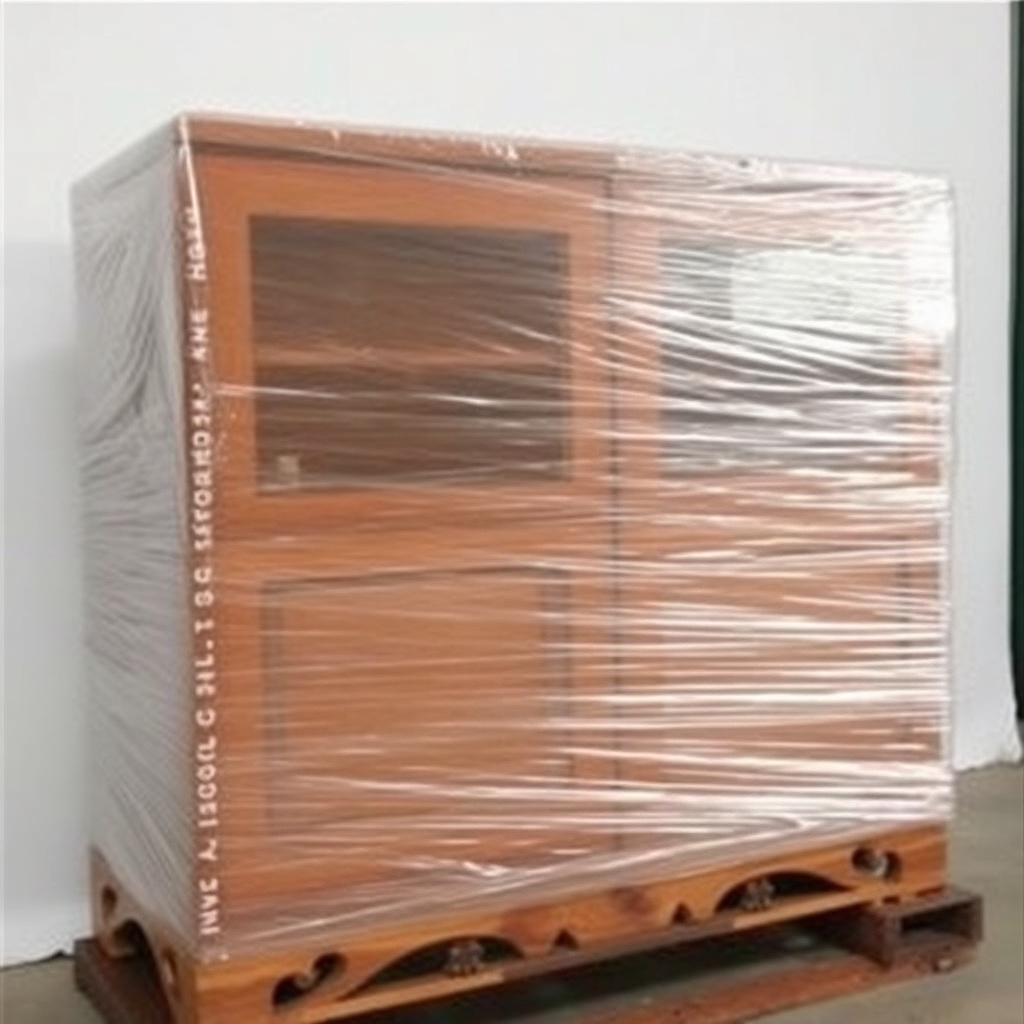
Antique or delicate furniture requires extreme care in packaging with acid-free materials and custom crates to avoid damage or devaluation. Hiring specialists with experience in antiques is highly recommended.
Padding fragile glass, mirrors, or veneer surfaces generously and clearly labeling ‘Fragile’ are key to protecting these items.
- Use acid-free packaging
- Custom wooden crates
- Mark fragile clearly
For more on this, see our related guide: 7 Factors That Affect How Much Furniture Costs.
Moving Upholstered or Heavy Furniture
Upholstered furniture should be wrapped with plastic covers to guard against stains and moisture. Heavy pieces might need lifting equipment or two-person handling for safe packaging and loading.
Plan routes and shipping schedules considering these pieces’ size and weight to prevent damage during transit.
- Plastic wrapping for upholstery
- Team lifting for heavy items
- Pre-planned transport logistics
Tracking and Receiving Your Furniture Shipment

Using Tracking Services
Most carriers offer online tracking tools to monitor your shipment’s location and estimated delivery. Share tracking details with the recipient to coordinate a smooth handoff.
Tracking helps identify delays early so you can adjust plans or contact support if problems arise.
- Carrier tracking portals
- Notifications and alerts
- Coordinating with recipient
For more detailed background on furniture types and handling, consult authoritative furniture shipping guidelines available online. furniture shipping guidelines.
Inspecting and Unpacking Furniture on Arrival
Upon delivery, thoroughly inspect the furniture for shipping damage before signing off. Use your earlier photos and notes to identify new marks. Carefully unpack to avoid damage during removal from boxes or crates.
Report any damage promptly to the shipper and file claims with supporting documentation.
- Check for dents or scratches
- Unpack carefully
- Document any damage immediately
Furniture Shipping Method Comparison
The table below compares common furniture shipping methods based on cost, speed, and suitability for different item sizes and fragility.
| Shipping Method | Typical Cost Range | Delivery Time | Best For | Insurance Options |
|---|---|---|---|---|
| Ground Parcel Shipping | $30 – $150 | 3-7 days | Small disassembled furniture | Carrier standard liability |
| LTL Freight Shipping | $150 – $500 | 5-14 days | Heavy or large furniture | Additional insurance available |
| Full Truckload (FTL) Freight | $700+ | 2-7 days | Multiple large items or full loads | Comprehensive insurance |
| Professional Moving Companies | $300 – $1000+ | Varies | Complex or valuable furniture | Custom insurance packages |
| Specialty Antique Shippers | $500+ | Varies | Antiques and fragile pieces | High-value insurance |
Frequently Asked Questions
Can I ship furniture internationally?
Yes, furniture can be shipped internationally using freight forwarders or international movers. Check customs regulations, taxes, and import restrictions before shipping.
Do I need to disassemble my furniture before shipping?
Disassembling furniture reduces size and risk of damage, lowering shipping costs. However, some items may remain intact if sturdy or oversized.
How should I label my furniture package?
Label with the recipient’s address, sender’s information, and visible handling instructions like ‘Fragile’ or ‘This Side Up’ to assist handlers.
Is additional insurance worth it for furniture shipping?
Additional insurance is advisable for valuable or fragile furniture, as standard carrier liability is often minimal.
How can I protect wooden furniture from moisture during shipping?
Wrap wooden furniture tightly in plastic or shrink wrap after cushioning to protect from moisture and water damage.
Key Takeaways
- Disassemble and clean furniture before packaging to reduce damage risks and shipping costs.
- Use moving blankets, bubble wrap, and custom crates for adequate protection.
- Choose shipping methods based on size, weight, and value of the furniture.
- Purchase additional insurance to safeguard valuable or fragile pieces.
Conclusion
Shipping furniture involves careful planning, from preparing and protecting the pieces to selecting shipping services that handle your items with care. By measuring accurately, documenting conditions, and using proper packaging materials, you minimize risks and make the entire process smoother. Consider factors such as cost, item size, and fragility when choosing between ground parcel services, freight options, or professional movers.
If your furniture is small or can be disassembled, ground shipping or LTL freight offers reasonable pricing and reliability. For large or heavy pieces, full truckload freight or hiring professional movers might provide the security and convenience you need. Antique or fragile items deserve specialized shippers who understand their unique handling requirements, and these services often offer the necessary insurance to cover potential damage.
Start by assessing your furniture’s specifics and decide on packaging methods that fit your budget and timeline. Then, request quotes from multiple carriers or movers who specialize in furniture shipping. Finally, keep thorough documentation and track your shipment actively to respond quickly if issues arise. With careful effort, your furniture will arrive safely and ready for use in its new home.