How to Clean Cloth Furniture: Effective Methods for Fresh Upholstery
How to clean cloth furniture effectively starts with understanding the fabric type and using the right cleaning methods. Most cloth upholstery responds well to vacuuming and spot cleaning with gentle solutions designed for fabric. Immediate attention to spills and regular maintenance can keep your furniture looking fresh.
Regular cleaning of cloth furniture matters because it extends the life of your upholstery, prevents dirt buildup, and keeps your living space inviting. Different fabrics have varying sensitivities, so knowing your furniture’s material ensures you avoid damage while successfully removing stains.
This article will cover how to clean cloth furniture by exploring different fabric types, cleaning products, and stain removal techniques. We’ll also address routine care, drying tips, and when professional cleaning might be the best option.
Understanding Your Cloth Furniture Fabric
Common Types of Upholstery Fabrics
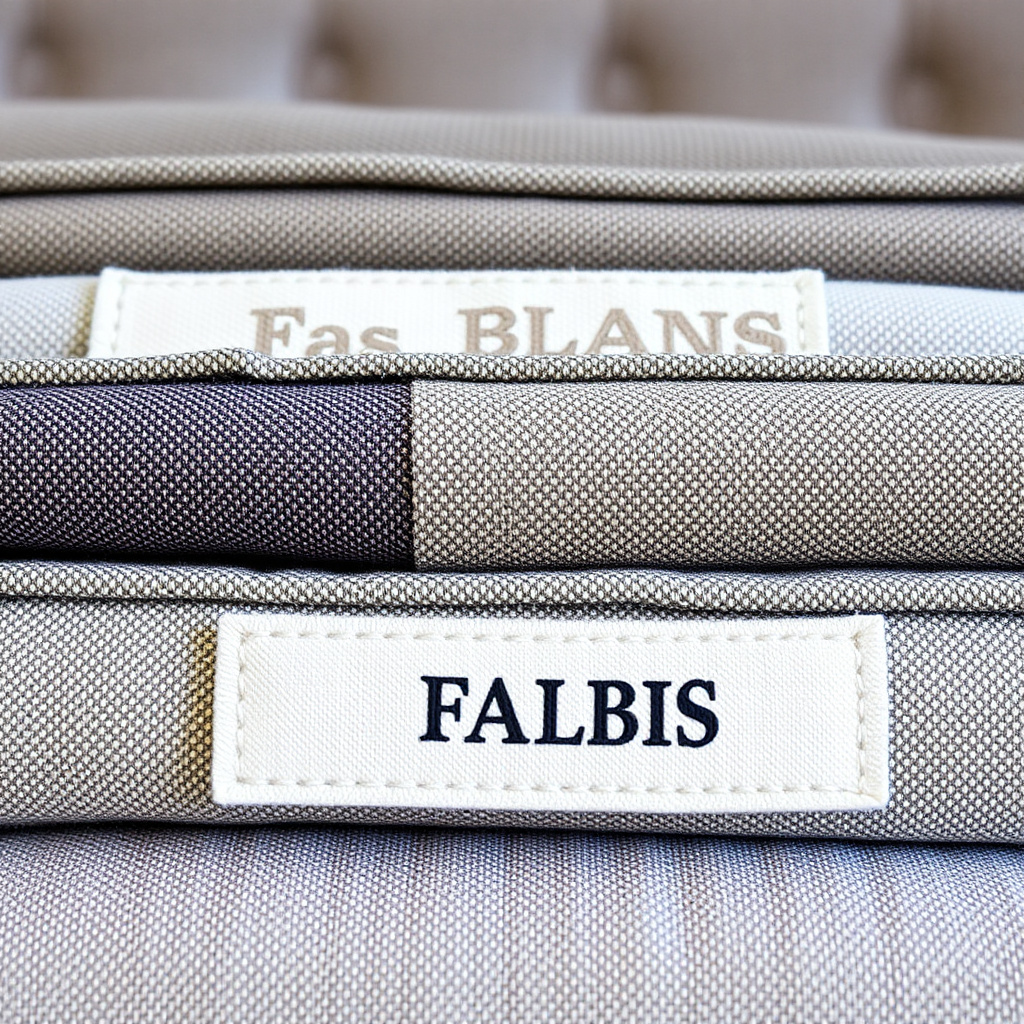
Cloth furniture can be made from natural fibers like cotton, linen, or wool, as well as synthetic fibers such as polyester, microfiber, and nylon. Each fabric reacts differently to cleaning agents, so identifying the upholstery type is the first step toward effective cleaning.
Natural fabrics tend to be more breathable but can stain and wear more easily, while synthetic fabrics usually resist stains better and tend to dry faster. Many blends combine these properties to balance comfort and durability.
- Cotton: breathable, prone to wrinkles and stains
- Linen: lightweight, delicate, requires gentle cleaning
- Wool: durable, resists dirt but sensitive to water
- Polyester: durable, stain-resistant, easy to clean
- Microfiber: tightly woven synthetic, excellent stain resistance
Checking Cleaning Codes on Furniture Tags
Most cloth furniture includes manufacturer cleaning codes on tags to guide safe cleaning methods. Common codes include ‘W’ for water-based cleaners, ‘S’ for solvent-based cleaners, ‘WS’ for either, and ‘X’ meaning professional cleaning only or vacuuming.
Following these codes prevents damage. Using water on a fabric meant for solvents can cause shrinkage or discoloration, so always check this tag before starting any cleaning process.
- ‘W’ – Safe to clean with water-based solutions
- ‘S’ – Requires solvent or dry cleaning products
- ‘WS’ – Suitable for both water and solvent cleaners
- ‘X’ – Vacuum only or professional cleaning recommended
Routine Cleaning for Cloth Furniture
Vacuuming and Dust Removal
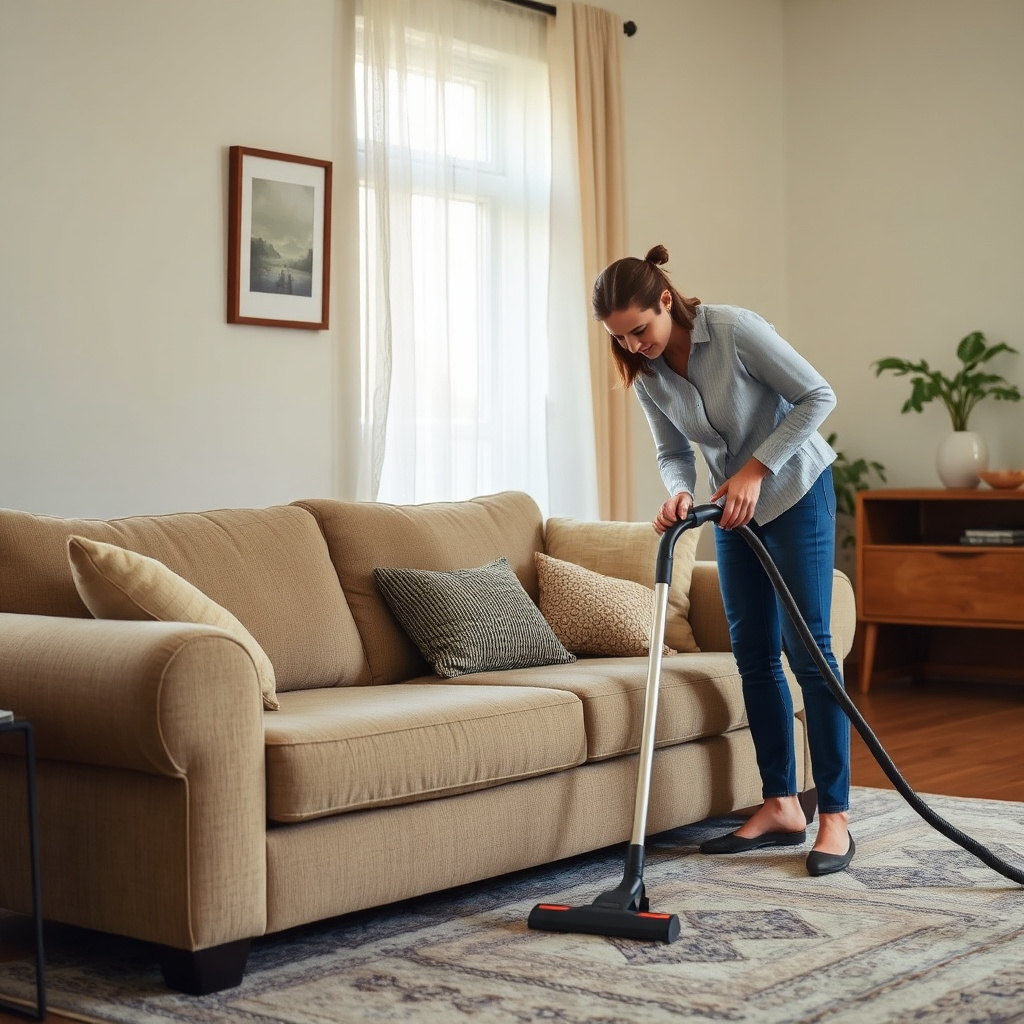
Regular vacuuming is the simplest and most effective way to keep cloth furniture free of dust, dirt, and allergens. Use the upholstery attachment on your vacuum cleaner to reach crevices and seams.
Vacuuming not only improves the furniture’s appearance but also prevents dirt particles from embedding deep within the fibers, which can cause wear and discoloration over time.
- Use low suction to avoid damaging delicate fabrics
- Vacuum once a week or more frequently in high-use areas
- Don’t forget cushions, arms, backrest, and underneath
For more on this, see our related guide: 7 Tips How to Choose Living Room Furniture.
Spot Cleaning Small Stains
Treat spills promptly to prevent permanent stains. Blot the spill with a clean cloth to absorb excess moisture without rubbing, which may spread the stain.
Use a mild water-based cleaner if your fabric’s tag says ‘W’ or a solvent cleaner for ‘S’ fabrics. Testing the cleaner on an inconspicuous spot first helps avoid damage or color change.
- Blot, don’t rub stains
- Apply cleaner lightly and wait before rinsing
- Use soft brushes or cloths suitable for upholstery
Deep Cleaning Techniques for Cloth Furniture
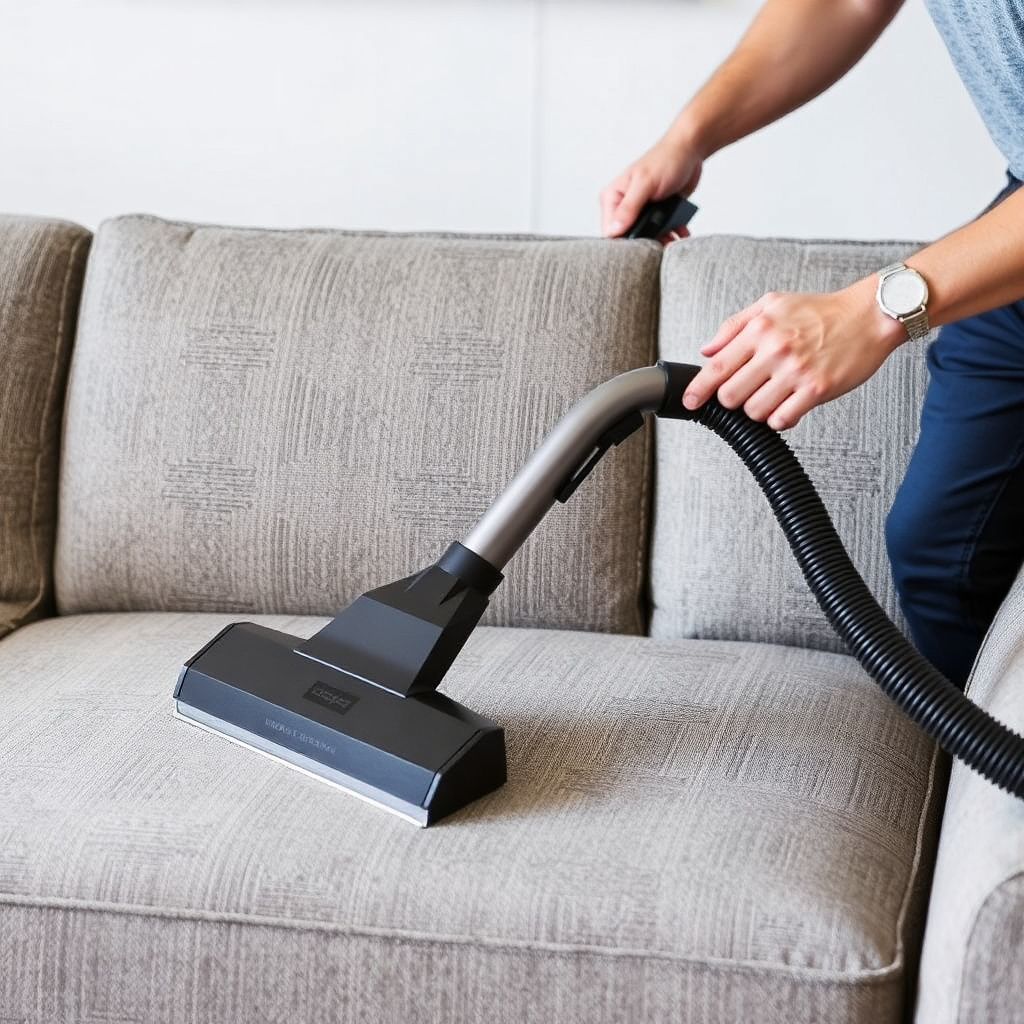
Steam Cleaning for Upholstery
Steam cleaning uses hot water vapor to loosen dirt and kill bacteria without soaking fabric. It works well on ‘W’ and ‘WS’ coded fabrics, helping to refresh furniture and remove stubborn dirt.
Avoid over-wetting the fabric, and allow thorough drying after steam cleaning to prevent mold or mildew. Steam cleaners designed specifically for upholstery usually come with detailing tools for thorough treatment.
- Pre-test a small area for colorfastness
- Use moderate steam settings
- Ensure proper ventilation while drying
Professional Upholstery Cleaning
For delicate fabrics coded ‘X’ or large, heavily soiled pieces, professional upholstery cleaning services can deliver safe and thorough results. Professionals have access to products and techniques not available for home use.
Regular professional cleaning every 12-18 months can extend your furniture’s life significantly, especially in households with pets or children where wear and stains are more frequent.
- Choose certified upholstery cleaning services
- Confirm the cleaning methods suit your fabric type
- Ask about stain protection treatments afterward
Removing Common Stains from Cloth Furniture

Handling Food and Beverage Stains
Food and drink spills like coffee, wine, or ketchup require quick response. Blot up as much liquid as possible, then use a mild detergent or vinegar-water mix on washable fabrics to lift the stain.
For oil-based spills such as grease, sprinkle baking soda or cornstarch to absorb oil before vacuuming, then proceed with cleaning solutions suited to your fabric type.
- Blot spills immediately
- Test stain removers on hidden areas
- Avoid rubbing which can spread stains
For more on this, see our related guide: How to Buy Leather Furniture in 3 Easy Steps.
Dealing with Ink and Pet Stains
Ink stains are challenging and often best addressed with solvents designed for ink removal on ‘S’ or ‘WS’ fabrics. Dab carefully without saturating the fabric to prevent spreading.
Pet stains require deodorizing as well as cleaning. Use enzyme-based cleaners to break down stains and odors effectively without damaging upholstery fibers.
- Use alcohol-based cleaners for ink stains
- Enzyme cleaners neutralize pet odors effectively
- Always blot gently and allow to air dry
Drying and Maintaining Clean Cloth Furniture

Proper Drying Techniques
After cleaning, drying cloth furniture quickly is vital to prevent mildew and odors. Air drying in a well-ventilated space or using fans accelerates evaporation without damaging fabric fibers.
Avoid direct sunlight for prolonged periods, as it can fade colors and weaken fabric. Remove cushions and open seams to promote airflow if possible.
- Use fans to speed drying
- Avoid placing furniture in direct sun
- Elevate cushions for better air circulation
For additional details on fabric types and upholstery care, consult this helpful resource on upholstery cleaning guidelines. upholstery cleaning guidelines.
Routine Upholstery Care
To keep upholstery fresh, rotate cushions regularly to distribute wear evenly. Periodically brush fabric to lift fibers and remove surface debris.
Applying fabric protectors recommended for your furniture type can shield surfaces from future stains and dirt buildup.
- Rotate cushions monthly
- Use fabric-safe protectors
- Brush and vacuum regularly
Cloth Furniture Cleaning Methods Comparison
Here’s a comparison of popular cloth furniture cleaning methods based on effectiveness, safety, cost, and best fabric compatibility.
| Method | Effectiveness | Safety for Fabrics | Cost | Best For |
|---|---|---|---|---|
| Vacuuming | High for dust removal | Very safe | Low | All fabrics |
| Spot Cleaning with Water-based Solutions | Moderate | Safe for ‘W’ and ‘WS’ fabrics | Low | Light stains, washable upholstery |
| Solvent-based Spot Cleaning | High | Safe for ‘S’ and ‘WS’ fabrics | Moderate | Oil and ink stains |
| Steam Cleaning | High | Safe for most ‘W’ and ‘WS’ fabrics if done carefully | Moderate to High | Deep cleaning washable upholstery |
| Professional Cleaning | Very high | Professionally controlled | High | Delicate or heavily soiled fabrics, ‘X’ code furniture |
Frequently Asked Questions
Can I use water to clean all cloth furniture?
No. Water-based cleaning is safe only for fabrics labeled with ‘W’ or ‘WS’. Using water on ‘S’ or ‘X’ coded upholstery can cause damage or staining.
How often should I clean my cloth furniture?
Vacuum weekly and spot clean as needed. Deep cleaning or professional services are recommended every 12-18 months, depending on usage and presence of stains.
What is the best way to remove pet odors from cloth furniture?
Enzyme-based cleaners work best for pet odors as they break down organic stains and neutralize smells without harming upholstery fibers.
Is steam cleaning safe for all fabrics?
Steam cleaning is safe for ‘W’ and ‘WS’ fabrics if done carefully with moderate steam levels. Avoid steam cleaning delicate or ‘S’ and ‘X’ coded fabrics.
Should I use fabric protectors on my cloth furniture?
Applying fabric protectors compatible with your upholstery can help repel stains and dirt, making future cleaning easier and preserving the fabric’s appearance.
Key Takeaways
- Identify fabric types and cleaning codes before starting.
- Vacuum regularly and treat spills quickly with appropriate cleaners.
- Use steam or professional cleaning for deep or difficult stains.
- Dry upholstery thoroughly to prevent mold and odors.
Conclusion
Understanding how to clean cloth furniture comes down to knowing your fabric and matching it with suitable cleaning techniques. Checking manufacturer cleaning codes guides you to avoid damage and maintain upholstery condition. Routine vacuuming and prompt spot cleaning keep surfaces looking fresh while preventing buildup that requires deep cleaning.
For light stains and everyday dirt, water-based cleaners and vacuuming are often enough, especially on cotton or polyester fabrics. For tougher stains or delicate materials like wool or linen, solvent cleaning or professional services work better. Steam cleaning offers a balance for many durable fabrics but requires careful attention to drying. Incorporating fabric protectors can minimize frequent cleanings.
Ultimately, adapting your cleaning method to your specific cloth furniture safeguards investment and comfort. Start by identifying fabric codes, follow care instructions closely, and consider professional help if stains or wear become challenging. Regular upkeep makes sure your upholstery remains cozy and inviting for years to come.