How to Paint Aluminum Patio Furniture for Lasting Outdoor Style
Painting aluminum patio furniture starts with thorough cleaning, light sanding, priming with an etching primer, and then applying multiple thin coats of specially formulated paint made for metal surfaces. Following these steps will ensure the paint adheres properly and lasts despite exposure to the elements.
Properly painting aluminum furniture revitalizes tired or chipped finishes and protects the metal from oxidation and corrosion. This process not only improves the curb appeal of your outdoor space but also extends the lifespan of your furniture by creating a moisture-resistant layer on the surface.
This article guides you through each stage of painting aluminum patio furniture, from surface preparation and primer selection to choosing the best paint and applying topcoats. We’ll also cover essential tips for curing, maintenance, and troubleshooting to help you keep your newly painted pieces looking great season after season.
Preparing Aluminum Patio Furniture for Painting
Cleaning the Surface Thoroughly
Start by removing dirt, grease, and any mildew from the aluminum surface using a mixture of warm water, mild detergent, and a scrub brush or sponge. For tougher grime, use a degreaser specifically designed for metals to break down surface contaminants.
Rinse the furniture well with clean water and allow it to dry completely. Any residue left on the surface can prevent primer and paint from bonding properly, so taking time to clean thoroughly is vital for a smooth finish.
- Use mild detergent or metal cleaner
- Remove rust and old flaky paint if present
- Rinse and dry fully to eliminate residue
Sanding and Removing Oxidation
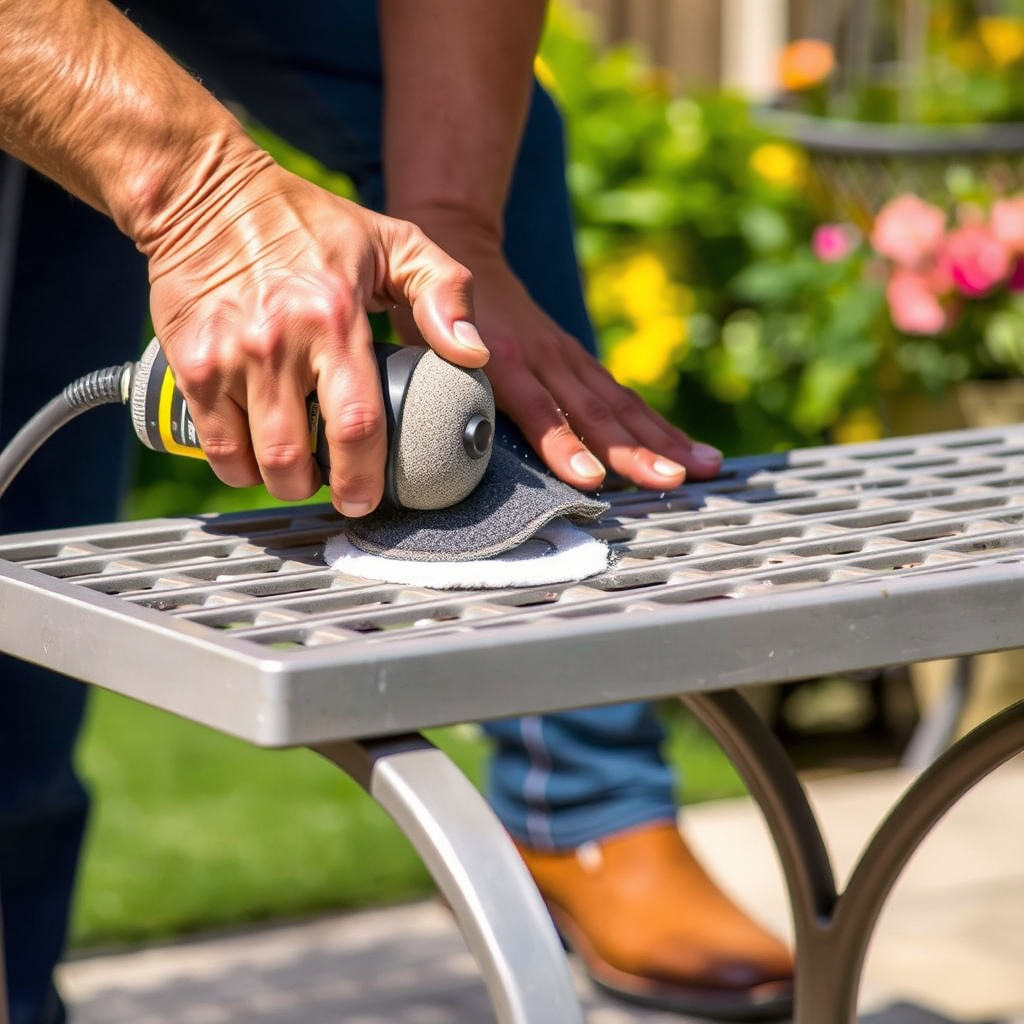
Lightly sanding the aluminum with fine-grit sandpaper (around 220-grit) creates a roughened surface to improve paint adhesion. If oxidation or corrosion is visible, use a wire brush or medium-grit sandpaper to remove it carefully.
After sanding, wipe down the furniture with a tack cloth or a rag dampened with mineral spirits to remove dust and sanding debris. This step ensures the primer will bond securely to the bare metal.
- Sand all surfaces evenly
- Remove oxidation or rust spots
- Wipe clean to clear dust particles
Choosing the Right Primer and Paint
Selecting an Etching Primer for Aluminum
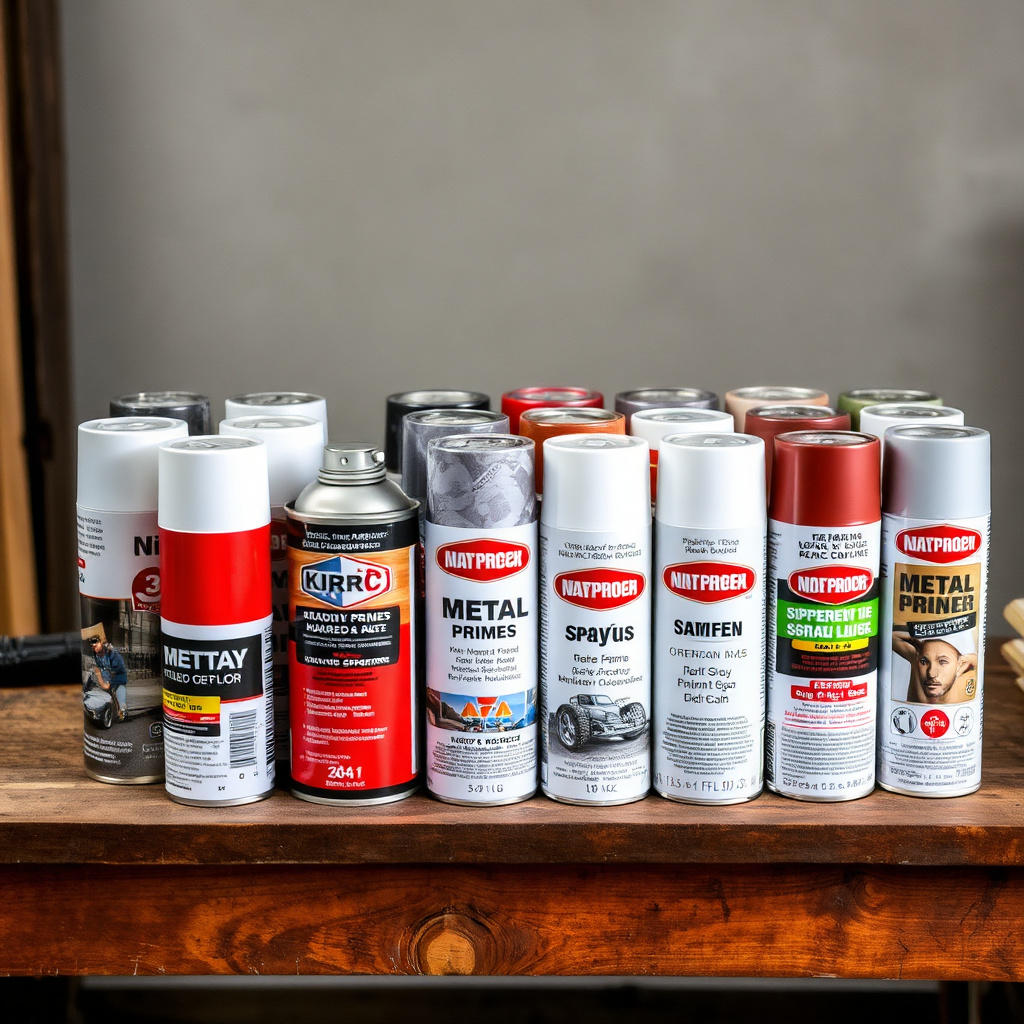
Etching primers contain acid that microscopically etches the aluminum surface to create a strong mechanical bond for paint layers. This type of primer is crucial for aluminum furniture to prevent peeling and flaking over time.
Apply the etching primer in thin, even coats according to the manufacturer’s instructions. Allow proper drying time between coats and before painting to maximize adhesion.
- Use primer labeled for aluminum or metal
- Apply in multiple thin layers
- Follow drying time guidelines strictly
Picking the Best Paint for Aluminum Furniture
The best paint for aluminum furniture is a high-quality exterior-grade acrylic or enamel paint specifically formulated for metal surfaces. These paints offer UV resistance, flexibility, and durability outdoors.
Spray paints designed for aluminum simplify application and reduce brush marks, but brush-on paints provide better control on intricate areas. Both can be layered for a smooth, even finish.
- Choose acrylic or enamel exterior paint
- Consider spray paint for ease and even coverage
- Opt for colors that resist fading in sunlight
Painting Techniques for Aluminum Patio Furniture

Applying Paint with Sprayers or Brushes
When using spray paint, hold the can about 8 to 12 inches from the surface and apply light, overlapping coats. Multiple thin coats reduce drips and promote a more durable finish compared to one thick layer.
If brushing, use smooth, even strokes following the metal’s contours. Foam brushes minimize streaks and work well with enamel or acrylic paints on detailed areas.
- Spray paint: multiple thin layers, 8–12 inches away
- Brush paint: smooth, even strokes with foam brush
- Allow drying between coats
Proper Drying and Curing Times
Allow each coat of primer and paint to dry thoroughly before applying the next. Depending on weather conditions and paint type, drying times can vary from 30 minutes to several hours.
For best durability, let the finished paint cure for at least 24 to 48 hours before using or exposing furniture to moisture. This curing time enhances the paint’s hardness and adhesion.
- Follow manufacturer’s recommended drying times
- Avoid rushing between coats to prevent flaws
- Cure painted furniture 1-2 days before use
Maintaining Painted Aluminum Patio Furniture
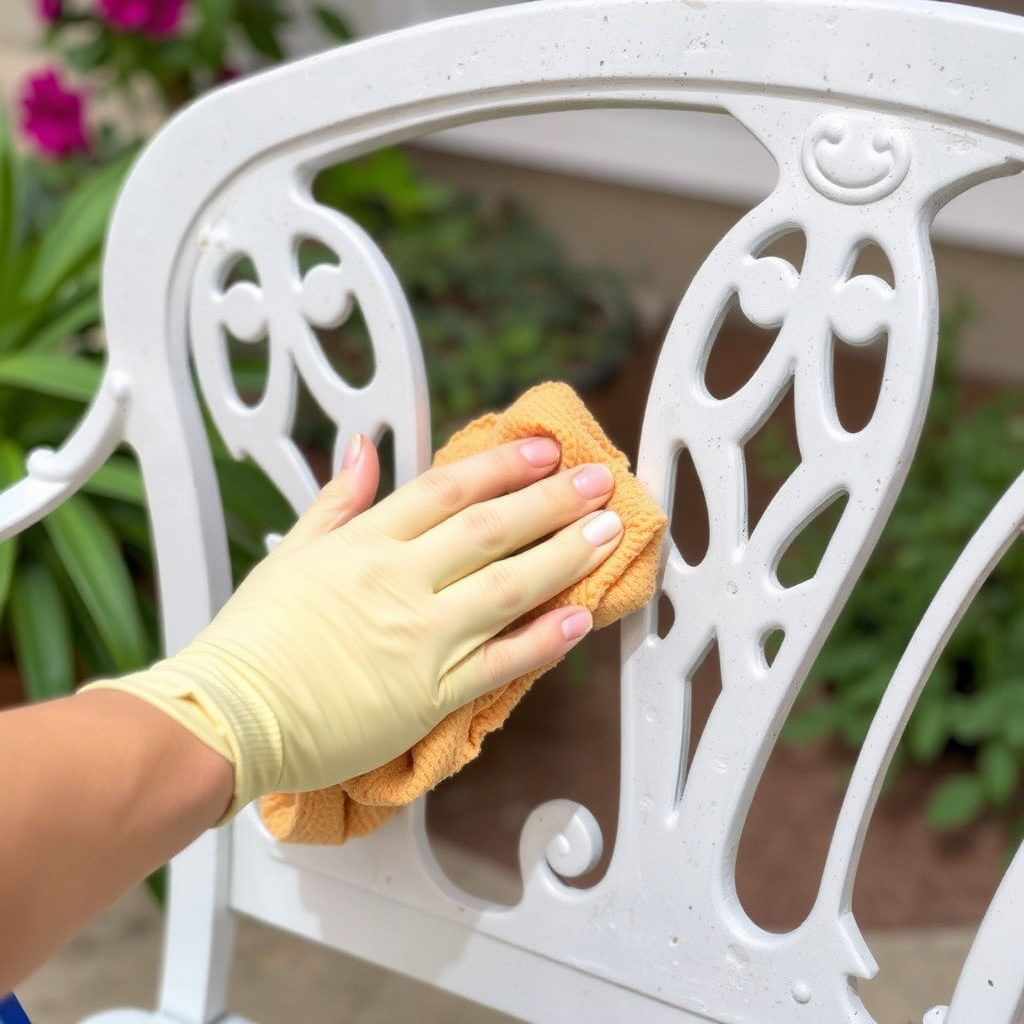
Routine Cleaning and Care
Regular cleaning with a soft cloth and mild soap helps maintain the paint’s appearance and remove dirt buildup. Avoid abrasive cleaners or scrubbers that can damage the paint layer.
Using protective covers during inclement weather reduces exposure to moisture and UV rays, preventing premature fading and peeling.
- Clean with mild soap and water regularly
- Use soft cloths or sponges
- Cover furniture when not in use
Spot Repairs for Scratches and Chips
If you notice scratches or paint chips, clean the area and lightly sand before applying touch-up paint with a small brush. Addressing damage quickly prevents corrosion from developing underneath.
For extensive damage, sanding down the entire piece and repainting may be necessary to restore protection and uniform appearance.
- Touch up small chips promptly
- Sand and repaint larger damaged areas
- Keep extra paint for future repairs
Common Challenges When Painting Aluminum Patio Furniture
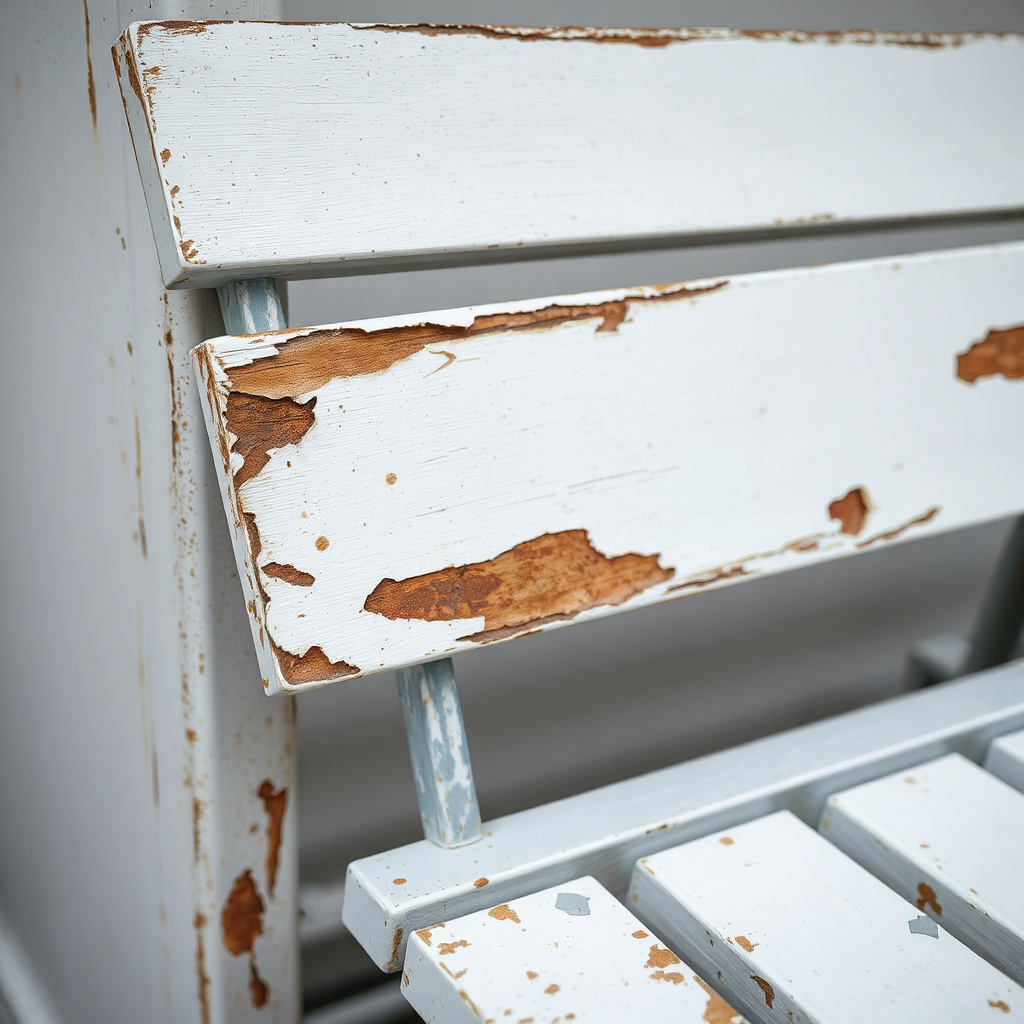
Dealing with Peeling or Flaking Paint
Peeling paint often results from insufficient surface prep or skipping primer layers. To prevent this, removing old peeling paint thoroughly and applying an etching primer before painting is critical.
If peeling occurs, carefully strip the loose paint, sand smooth, and reapply primer and paint to reestablish a solid bond.
- Remove all loose paint before new application
- Use an etching primer to improve adhesion
- Apply paint in multiple thin coats
Avoiding Rust and Corrosion Under Paint
Although aluminum resists rust, corrosion and oxidation can still occur, especially if scratches expose bare metal. Thorough cleaning and sanding before painting reduce these risks.
Applying a sealant or clear topcoat adds another layer of protection, keeping moisture and air from reaching the metal underneath.
- Prepare surface by removing any corrosion
- Use primer designed for metal protection
- Seal paint with clear protective finish
Environmental and Safety Considerations

Working in Well-Ventilated Areas
Spray paints and primers release fumes that can be harmful if inhaled. Painting outdoors or in a well-ventilated space minimizes exposure and ensures proper drying.
Wear a respirator or mask, gloves, and safety glasses to protect yourself during the painting process, especially when spraying.
- Paint outdoors or with open windows
- Wear protective respiratory gear
- Avoid painting on windy or rainy days
For a deeper understanding of aluminum’s characteristics and why specific primers and paints work best, you can read more about aluminum properties and applications. Aluminum properties and applications.
Selecting Eco-Friendly Paint Options
Low-VOC (volatile organic compounds) paints and primers reduce harmful emissions and environmental impact. Many brands offer effective low-VOC options formulated for exterior metal surfaces.
Choosing eco-friendly products promotes safer working conditions and contributes to healthier air quality around your outdoor space.
- Look for low-VOC or water-based metal paints
- Check product labels for environmental certifications
- Dispose of paint cans according to local regulations
Comparison of Paint Types for Aluminum Patio Furniture
Here’s how common paint options stack up regarding durability, ease of application, and weather resistance for aluminum furniture.
| Paint Type | Durability | Ease of Application | Weather Resistance | Cost |
|---|---|---|---|---|
| Oil-Based Enamel | High | Moderate | Good | Medium |
| Acrylic Latex | Medium | Easy | Excellent | Low |
| Spray Paint (Metal-Specific) | Medium-High | Very Easy | Good | Medium |
| Powder Coating | Very High | Professional Only | Excellent | High |
| Rust-Oleum Protective Enamel | High | Easy | Very Good | Medium |
Frequently Asked Questions
Can I paint aluminum furniture without sanding?
Light sanding is recommended to create a surface that paint and primer can bond to. Skipping sanding may cause poor adhesion and peeling over time.
How many coats of primer and paint do I need?
Typically, two coats of etching primer and two to three thin coats of paint provide good coverage and durability on aluminum patio furniture.
What is the best time of year to paint outdoor furniture?
Paint when temperatures are moderate, ideally between 50°F and 85°F, on dry days without rain or strong wind for optimal drying and curing.
Is spray paint better than brush-on paint for aluminum?
Spray paint provides even coverage and is easier for intricate shapes, but brush-on paint offers more control on detailed or small areas.
Do I need to seal painted aluminum furniture?
Applying a clear protective topcoat can extend the life of paint by shielding it from moisture and UV damage, especially in harsh environments.
Key Takeaways
- Clean and lightly sand aluminum thoroughly before painting.
- Use an etching primer designed specifically for aluminum surfaces.
- Apply multiple thin coats of exterior-grade acrylic or enamel paint.
- Allow sufficient drying and curing time for durable results.
Conclusion
Deciding how to paint aluminum patio furniture depends heavily on starting with the right surface preparation to promote adhesion and durability. Attention to detail during cleaning, sanding, and priming sets the foundation for a finish that can withstand outdoor conditions. Selecting paint that resists fading and cracking further contributes to longevity, making maintenance easier and saving replacement costs over time. With a clear understanding of materials and procedures, even beginners can achieve professional-looking results that refresh their outdoor spaces.
For homeowners wanting the best balance between ease and durability, using spray paints specially formulated for aluminum simplifies application while still delivering weather-resistant finishes. However, traditional brush-on acrylic or enamel paints remain excellent choices, especially where precise control on decorative elements matters. Etching primers are non-negotiable for all options to avoid peeling issues. For those aiming for a factory-like finish, powder coating, although professional and costly, offers unmatched toughness. Ultimately, your choice hinges on your budget, tools, and time commitment.
Before beginning your aluminum furniture painting project, gather all necessary supplies like cleaners, sandpaper, etching primer, your preferred paint type, protective gear, and consider the weather forecast. Start with a clean, dry surface and plan to apply several thin coats, letting each one dry properly. Regular upkeep such as gentle cleaning and addressing touch-ups promptly will keep your furniture looking fresh. Painting aluminum patio furniture is a practical way to extend enjoyment of your outdoor sets with vibrant colors and lasting protection.