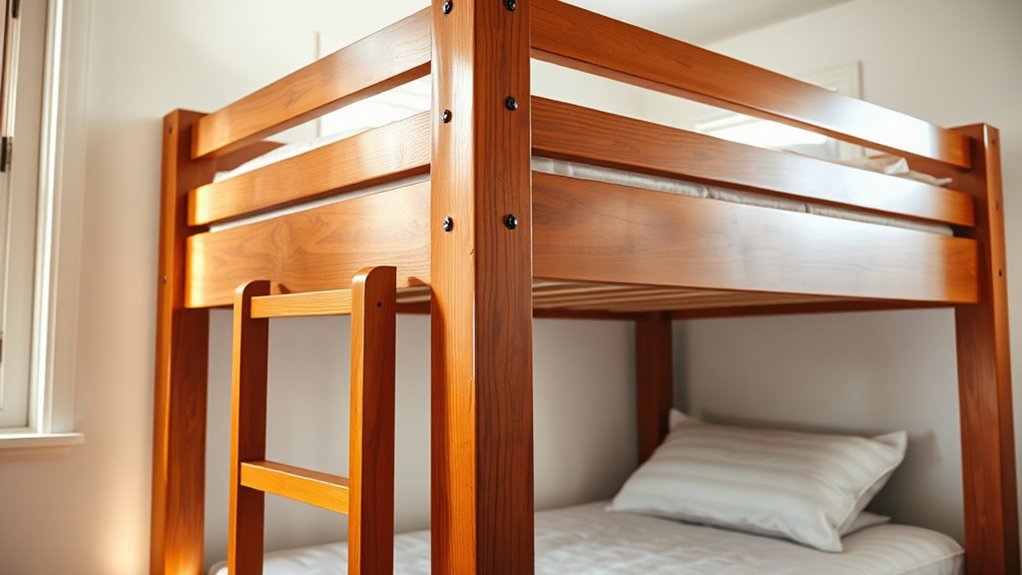
How Long Do Bunk Beds Last and What Affects Their Durability
Wondering how long bunk beds actually last? You’re not alone. Many people struggle with finding a durable bunk bed that can handle kids’ active lifestyles without falling apart too soon.
Whether it’s for sleepovers or everyday use, knowing what affects a bunk bed’s lifespan can save you time, money, and frustration.
You can expect your bunk bed to last about 10 to 15 years if you pick quality wood or metal and stay on top of regular maintenance like tightening bolts and checking for damage.
Kids’ rough play and poor upkeep can shorten its life, so keep an eye on wear and fix issues quickly. Proper care and choosing sturdy construction make a big difference.
There’s plenty to know about maximizing your bunk bed’s durability and safety.
Key Takeaways
- Bunk beds typically last 10 to 15 years with proper maintenance and regular use.
- Material quality, especially the type of wood or metal and its finish, greatly impacts bunk bed durability.
- Strong construction with tight joints and quality hardware really helps extend the bed’s lifespan.
- User behavior, like rough play, speeds up wear and tear, especially on ladders and guardrails.
- Regular maintenance, such as tightening screws every 2-3 months and doing monthly inspections, keeps the bed stable and safe.
How Long Do Bunk Beds Typically Last?
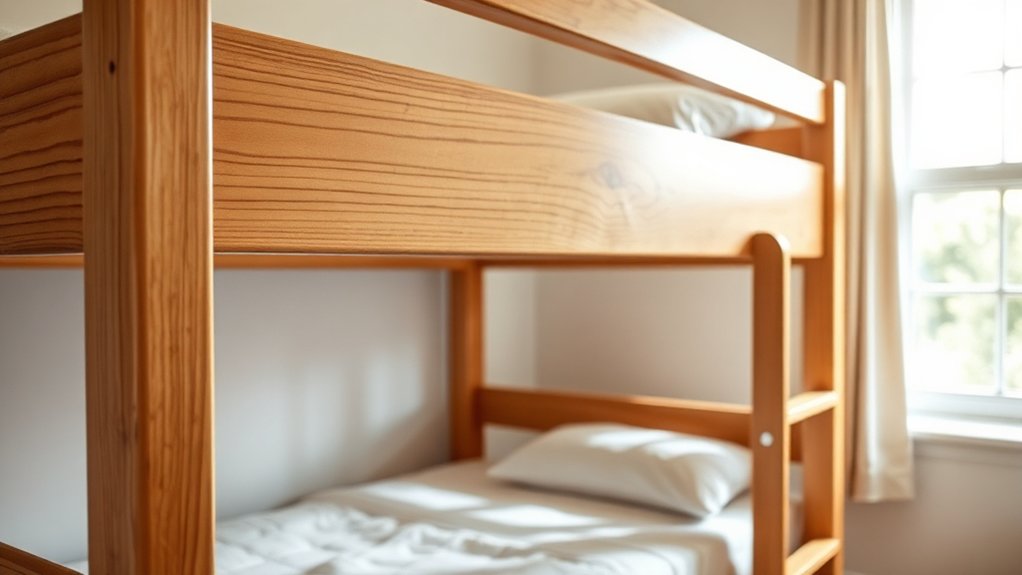
Most bunk beds last between 10 to 15 years with regular use, but how long yours will depend on factors like material quality and maintenance. To maximize your bunk bed lifespan, you need to pay attention to simple maintenance tips.
Regularly check the screws and bolts to confirm they’re tight; loose fittings can weaken the structure and shorten its life. Cleaning the bed frame and mattress helps prevent wear and tear, especially if you spot any damage early on.
Avoid jumping on the bed or overloading it beyond the weight limit, as this stresses the frame and can cause early deterioration. If you notice any cracks, dents, or wobbling, fix them immediately to prevent further damage.
Why Materials Affect Bunk Bed Durability
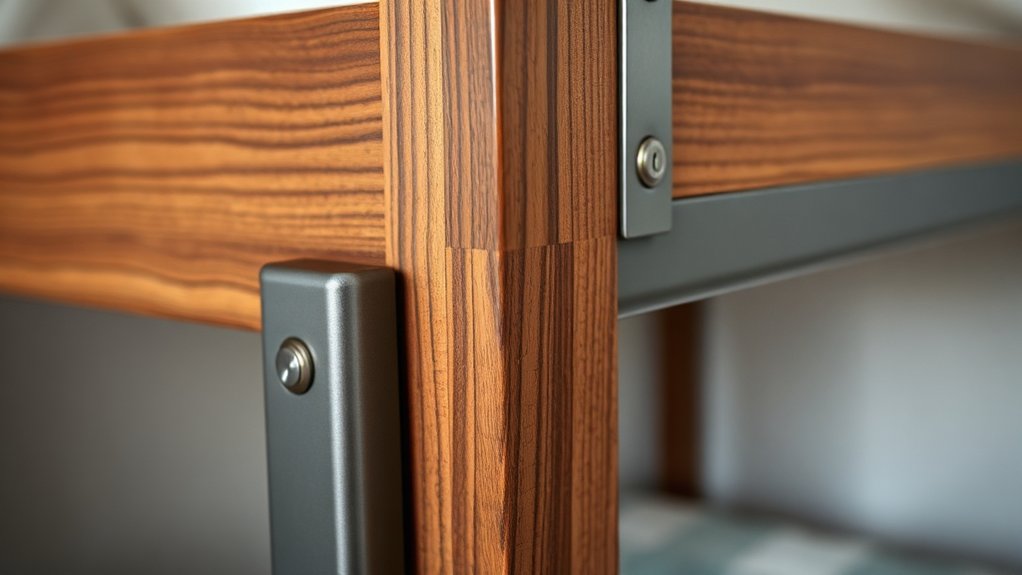
You’ll notice that the type of material plays a big role in how long a bunk bed lasts. Wood and metal each have their own strengths. Plus, the quality of the finish can really help protect against wear and tear. So, understanding these factors makes it easier to pick a bed that stays sturdy over time.
Wood Versus Metal Strength
Although both wood and metal are common choices for bunk bed frames, their strength characteristics influence durability in different ways. When choosing bunk bed materials, understanding how each affects structural integrity helps you pick the best fit.
Wood offers natural sturdiness and aesthetic warmth, but it can be prone to cracks or warping over time. Metal, on the other hand, typically provides stronger resistance to bending and impact, making it more durable in high-use settings.
Imagine the differences:
- Solid oak beams holding firm under heavy weight
- Steel tubes welded tightly for long-lasting support
- Wooden joints that may loosen after years of use
Impact of Finish Quality
Three key factors in finish quality can make or break your bunk bed’s durability. The type of finish and surface treatments directly affect how well the bed resists wear, moisture, and scratches. Choosing the right finish type, like lacquer, varnish, or paint, protects the material and extends the bed’s life.
Surface treatments such as sealing or powder coating add extra defense against damage.
| Finish Type | Durability Effect |
|---|---|
| Lacquer | Provides a hard, glossy protective layer |
| Varnish | Offers strong moisture resistance |
| Powder Coating | Improves metal resistance to corrosion |
Wood vs. Metal Bunk Beds: Which Lasts Longer?
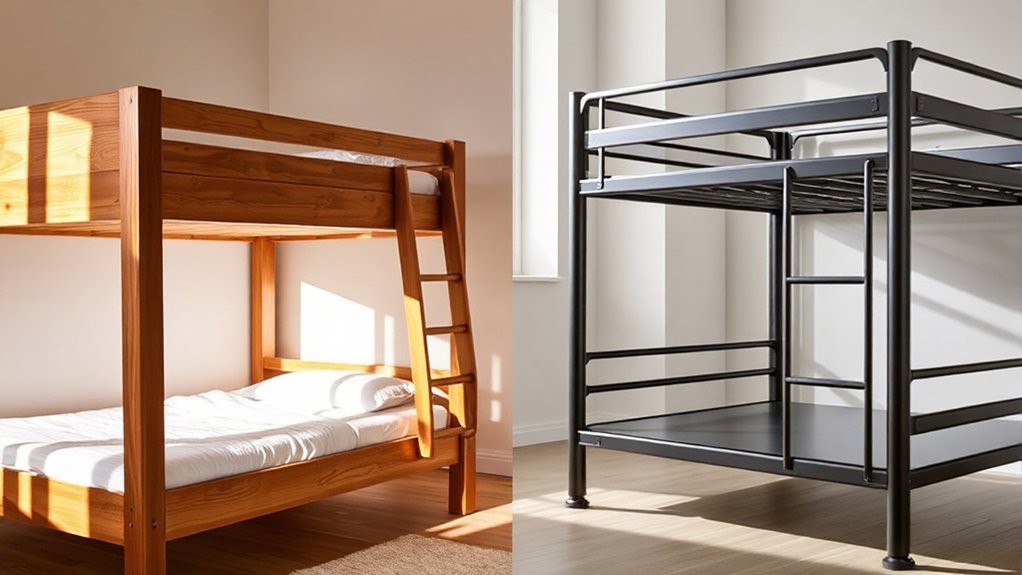
How do wood and metal bunk beds compare regarding durability? When choosing bunk bed materials, understanding their durability comparison can help you pick the best fit for your needs.
Wood bunk beds offer a classic look and solid feel but may be prone to scratches, dents, or warping over time, especially in humid environments. Metal bunk beds, on the other hand, resist these issues better and tend to withstand heavy use without bending or cracking. However, metal can be susceptible to rust if not properly coated.
Consider these points to visualize the durability difference:
- A sturdy wooden frame with visible grain patterns and occasional knots
- Sleek metal tubing with smooth, powder-coated finishes
- Signs of wear: chipped paint on metal versus minor dents on wood
How Build Quality Impacts Bunk Bed Lifespan
Since build quality directly affects a bunk bed’s lifespan, you should pay close attention to construction details before buying. Strong construction techniques and effective joint reinforcement are key factors that guarantee your bunk bed can withstand daily use for years. Poorly built beds may wobble or weaken quickly, cutting their useful life short.
Check for these build quality indicators:
| Feature | Importance |
|---|---|
| Solid wood or metal | Durable frame material |
| Tight joint reinforcement | Prevents loosening over time |
| Quality hardware | Guarantees stability |
| Even weight distribution | Reduces stress on joints |
| Smooth finish | Protects against wear and tear |
When you choose a bunk bed with robust construction techniques and reinforced joints, you’re investing in longevity. This approach reduces maintenance and replacement costs, keeping your bunk bed safe and functional much longer.
How Kids’ Behavior Affects Bunk Bed Durability
Although a well-built bunk bed can endure a lot, your kids’ behavior plays a big role in how long it lasts. Playful behavior, especially roughhousing, can accelerate wear and tear, impacting the bed’s durability.
When kids jump on the bed or use it as a climbing frame, the joints and screws face extra stress, which may loosen them over time. You’ll notice the roughhousing impact most on ladders and guardrails, where constant pulling and pushing occur.
To protect your bunk bed, watch for:
- Kids bouncing or jumping on the mattress
- Using the bed frame for climbing beyond the ladder
- Rough play that causes repeated hits or knocks on the structure
How Weight Limits Influence Bunk Bed Safety and Longevity
When you respect the weight limits set for a bunk bed, you help confirm its safety and extend its lifespan. Weight limits are designed to prevent structural damage caused by overloading. Ignoring these limits can lead to weakened joints, sagging slats, or even sudden collapse.
To maintain durability, you should also consider proper weight distribution. Uneven loads put extra stress on certain parts of the frame, accelerating wear and tear. Following user guidelines is essential. They specify maximum weight for each bunk and sometimes for the ladder or guardrails.
By adhering to these instructions, you avoid unnecessary strain and confirm the bed components function as intended. Remember, weight limits aren’t just suggestions; they’re critical for safe use and longevity. If multiple users occupy the bed, distribute weight evenly and avoid sudden movements that could stress the frame.
How to Choose a Durable Bunk Bed for Long-Term Use
Respecting weight limits plays a big role in keeping your bunk bed safe and sturdy, but choosing the right bed from the start makes a lasting difference. When selecting a durable bunk bed for long-term use, focus on quality materials and construction that meet current safety standards. You’ll want a bed frame that supports mattress compatibility, ensuring the mattresses fit securely without risking sagging or instability.
Choosing a quality bunk bed with sturdy materials and proper mattress fit ensures lasting safety and stability.
Look for these features to guarantee durability and safety:
- Solid hardwood or heavy-gauge metal frames resistant to wear and tear
- Secure guardrails and ladders designed to meet safety standards
- Mattress compatibility marked clearly to prevent improper sizing
How Regular Upkeep Keeps Your Bunk Bed Lasting Longer
To keep your bunk bed strong and safe over time, you need to perform regular upkeep. Bunk bed maintenance isn’t just about cleaning; it involves routine inspections that catch loose bolts, worn screws, or cracked wood early. By staying proactive, you prevent minor issues from becoming safety hazards, ensuring longevity.
Here’s a simple upkeep checklist to guide your routine inspections:
| Task | Frequency |
|---|---|
| Tighten bolts/screws | Monthly |
| Check wood for cracks | Quarterly |
| Inspect ladder safety | Monthly |
| Test bed stability | Quarterly |
| Clean surfaces | Weekly |
Signs Your Bunk Bed Needs Replacement
Regular upkeep can keep your bunk bed sturdy for years, but there comes a point when repairs aren’t enough. You need to recognize when your bunk bed has reached that stage to avoid safety risks. One clear sign is bunk bed sagging. If the bed frame or slats dip noticeably, it compromises support and stability.
Regular maintenance helps, but sagging frames signal your bunk bed may no longer be safe or stable.
Mattress wear is another indicator. If your mattress has lost its firmness or shows uneven indentations, it affects comfort and safety on the bed. Furthermore, pay attention to structural issues like loose joints or cracked wood that don’t tighten or repair well anymore.
Look out for these signs that your bunk bed needs replacement:
- Uneven or sagging bed frame causing discomfort or instability
- Mattress wear with visible lumps, sagging, or loss of support
- Persistent creaking noises or loose joints despite tightening
If you notice these problems, it’s time to evaluate replacing your bunk bed for safety and comfort.
Tips to Keep Your Bunk Bed Safe and Sturdy Longer
Although bunk beds undergo daily use, you can extend their lifespan considerably by following a few simple maintenance practices. Regular bunk bed maintenance helps keep your bed safe and sturdy, preventing accidents and costly repairs.
Start by tightening all bolts and screws every few months to avoid wobbling. Inspect the frame for cracks or splinters and sand down rough edges. Use safety tips like verifying guardrails are secure and mattresses fit correctly to prevent falls.
| Maintenance Task | Frequency | Purpose |
|---|---|---|
| Tighten bolts/screws | Every 2-3 months | Prevents wobbling |
| Inspect frame | Monthly | Detects cracks/splinters |
| Check guardrails | Monthly | Verifies safety against falls |
Frequently Asked Questions
Can Bunk Beds Be Converted Into Separate Beds?
Yes, you can often convert bunk beds into separate beds, especially if you choose certain bunk bed styles designed for flexibility. Look for models with detachable frames or modular designs.
The bed frame materials also play a role; metal frames tend to be easier to separate, while wooden frames might require more effort but provide sturdy individual beds. Check the manufacturer’s instructions to guarantee a smooth conversion without compromising safety or stability.
Are Bunk Beds Safe for Toddlers?
Bunk bed safety for toddlers starts with strict standards and sensible setups. You shouldn’t let toddlers tackle top bunks since their tiny tots are tempted to tumble. Instead, focus on toddler sleeping on lower levels with secure guardrails and sturdy stairs.
Always assess age recommendations and avoid bunk beds until your child’s at least six. By prioritizing proper precautions, you can promote peaceful, protected toddler sleeping without risking risky accidents.
What Are the Best Mattresses for Bunk Beds?
You’ll want to choose bunk bed mattresses with a thickness between 6 to 8 inches to guarantee safety and comfort. Look for mattress materials like memory foam or high-density foam, which provide good support without being too heavy.
Avoid overly thick or heavy mattresses to prevent safety hazards. Opt for materials that are durable and hypoallergenic, so you get both comfort and longevity in your bunk bed setup.
How Much Space Do Bunk Beds Typically Require?
You’ll typically need about 6.5 to 7 feet in length and 3 to 4 feet in width for standard bunk bed dimensions. When space planning, don’t forget to include extra room for safety rails, ladders, and easy movement around the bed.
Also, consider ceiling height. At least 7 feet is ideal to avoid feeling cramped. Proper space planning guarantees your bunk bed fits comfortably without crowding the room.
Can Bunk Beds Be Customized With Storage Options?
You know what they say, “A place for everything, and everything in its place.” You can definitely customize bunk beds with storage solutions to maximize space.
Custom designs often include built-in drawers, shelves, or under-bed compartments, making your room more organized and functional. Whether you want extra storage for toys, clothes, or books, these options let you tailor the bunk bed to fit your needs perfectly.
Conclusion
If you want a bunk bed that lasts through every wild adventure and countless sleepovers, you’ve got to choose quality materials and keep up with regular upkeep. Ignoring these can turn your sturdy bed into a wobbly nightmare overnight!
Remember, kids’ energy is unstoppable, so pick a durable build and watch your bunk bed stand strong for decades. With the right care, your bunk bed won’t just last, it’ll become an unbreakable family legend that truly shows how long do bunk beds last.