How to Buy a Sofa in 10 Essential Steps
Finding the perfect sofa can feel overwhelming. You want something comfy, stylish, and that fits your space just right. If you’ve ever struggled to pick the ideal sofa, you’re not alone—many people face the same challenge when shopping for this key piece of furniture.
To buy the perfect sofa, start by measuring your space accurately, considering doors and pathways. Set a realistic budget, including delivery and warranties. How to Buy a Sofa.
Choose between sectionals, loveseats, or traditional sofas based on your needs, then pick a style that matches your room.
Select the right size, shape, and fabric for comfort and durability. Test the sofa’s comfort, check its quality, and plan delivery carefully.
Keep these essentials in mind, and you’ll uncover even more ways to find your ideal sofa.
Key Takeaways
- Measure your space and access routes precisely to ensure the sofa fits comfortably in your room. This also helps avoid any delivery issues.
- Set a realistic budget that covers not just the sofa but also delivery, warranties, and future maintenance costs.
- Choose the sofa type and style that matches your seating needs and complements your room’s existing decor.
- Select the right sofa size, shape, and fabric based on your room dimensions, lifestyle, durability, and how easy it is to clean.
- Test the sofa for comfort and quality. Also, verify construction materials and plan delivery logistics with the retailer.
Measure Your Space Accurately for Your Sofa

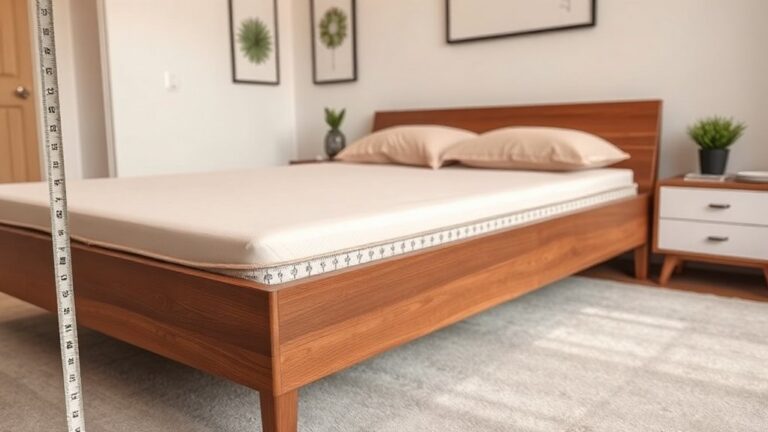
Before you start shopping, measure your space carefully to guarantee the sofa fits perfectly. Accurate measurements are essential for effective space planning and ensuring your new sofa complements your room’s layout. Grab a tape measure and note the length, width, and height of the area where you plan to place the sofa. Don’t forget to account for doorways, hallways, and staircases to avoid delivery issues.
Think about your furniture arrangement as well. Consider how the sofa will interact with other pieces and pathways. You want enough clearance for comfortable movement without overcrowding the room. Sketch a floor plan or use an app to visualize the setup and confirm the sofa’s dimensions will work. By prioritizing precise space planning and thoughtful furniture arrangement, you’ll avoid common mistakes like buying a sofa that’s too large or small. Taking these steps upfront saves time, money, and frustration later on.
Set a Realistic Budget for Your New Sofa

Before you start shopping, take a moment to figure out how much you’re willing to spend on your new sofa. It’s important to have a clear budget in mind. And don’t forget to include extra costs like delivery or warranties—they can add up quicker than you think.
Try to focus on getting the best quality you can afford, rather than just chasing the lowest price. After all, a sofa is an investment you’ll be living with for a while!
Determine Your Spending Limit
Setting a clear spending limit helps you focus your search and avoid overspending on a sofa. Start by evaluating your finances and identifying how much you’re comfortable investing without stretching your budget.
Use budgeting strategies like allocating a fixed percentage of your monthly income or setting a maximum dollar amount. Prioritize your spending by deciding what matters most, whether it’s durability, style, or brand reputation.
This way, you can balance quality and cost effectively. Keep your spending priorities in mind to narrow down options and stay within your limit. By determining your spending limit early, you’ll shop more confidently and avoid impulse buys that don’t fit your financial plan.
This approach guarantees you get the best sofa for your budget.
Consider Additional Costs
Once you’ve established your spending limit, it’s important to factor in additional costs that can impact your overall budget. Hidden expenses like delivery fees and assembly services often catch buyers off guard, so make sure to ask about them upfront.
Maintenance costs also add up. Consider the price of cleaning supplies tailored to your sofa’s fabric to keep it looking fresh. Don’t overlook warranty options and furniture insurance, which can save you money if damage occurs.
Also, think about style longevity. Investing a bit more now for a timeless design can reduce future replacement costs. By accounting for these extra expenses, you’ll set a realistic budget that covers not just the sofa’s price but everything needed to enjoy it comfortably.
Prioritize Quality Over Price
Although it’s tempting to choose the cheapest option, prioritizing quality over price guarantees your sofa will last longer and provide better comfort. When setting a realistic budget, focus on durability factors like frame construction and cushion density.
Solid hardwood frames and high-density foam cushions typically offer greater longevity. Pay attention to material choices; natural fibers like leather or tightly woven fabrics tend to withstand wear better than cheaper synthetics.
Investing more upfront in quality materials means you won’t have to replace your sofa as often, saving money over time. Don’t let price alone dictate your decision. Consider how each durability factor impacts overall value.
Decide Between Sectionals, Loveseats, and Sofas

You’ll want to think about how many people each option can seat comfortably. Also, consider the size of your room and which piece will fit best without making the space feel crowded. Finding the right balance between seating capacity and available space will help you choose the perfect style for your home.
Compare Seating Capacities
How many people do you usually expect to seat in your living room? Understanding your seating preferences and family needs will help you decide between sectionals, loveseats, and sofas.
Sectionals offer ample seating, perfect for larger families or frequent guests. Loveseats are ideal if you want a cozy spot for two without taking up too much space. Traditional sofas typically seat three and suit smaller families or more formal settings.
Consider how often you host gatherings and if you prefer lounging or upright seating. By comparing seating capacities, you can choose a piece that fits your lifestyle, ensuring comfort and functionality.
This step helps you avoid overcrowding or underutilizing your space while meeting your seating requirements efficiently.
Evaluate Room Fit
Once you know how many people you want to seat, it’s time to reflect on how each sofa option will fit into your room. Measure your space carefully to decide between sectionals, loveseats, and traditional sofas.
Sectionals work great in large, open areas, while loveseats fit smaller rooms or cozy corners. Don’t forget to take into account flow. Make sure there’s enough space to move comfortably around the furniture.
Also, think about color coordination with your walls and existing décor to keep the room harmonious. Finally, check current style trends to find a sofa that complements your aesthetic without overpowering the space.
Choose the Sofa Style That Matches Your Room’s Decor
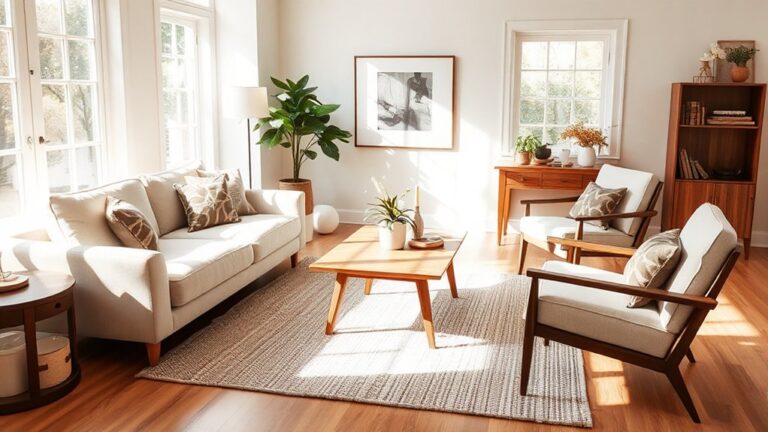
Although selecting a sofa might seem straightforward, choosing one that complements your room’s decor can transform the entire space. Start by considering your existing color schemes; your sofa should improve or balance these tones without overpowering them.
If your room features bold patterns or vibrant hues, a neutral sofa often maintains theme coherence and prevents visual clutter. Conversely, a sofa with a striking color or design can serve as a centerpiece in a more subdued setting.
Next, think about the overall style of your room, whether it’s modern, traditional, rustic, or eclectic. Your sofa’s design should align with this theme to create a cohesive look.
For instance, sleek lines suit contemporary spaces, while tufted cushions fit classic interiors. By focusing on these elements, you’ll guarantee your sofa not only fits well but also raises your room’s aesthetic.
Pick the Sofa Size and Shape That Fits Your Layout
First, measure your room to get a clear idea of how much space you have. Then, choose a sofa shape that works well with your layout and leaves enough room for easy movement. That way, your new sofa will fit just right without making the space feel cramped.
Measure Your Room
Measuring your room is the essential first step to picking a sofa that fits perfectly. Start by noting the exact space dimensions, including length, width, and any architectural features like windows or doorways. This guarantees you choose a sofa that complements your room without overcrowding it.
Next, consider the furniture scale relative to your space. A large sofa in a small room will feel overwhelming, while a tiny one might look lost in a bigger area. Use a tape measure to mark out the sofa’s potential footprint on the floor, helping you visualize how much room it will occupy.
Accurate measurements help you avoid returns and guarantee your new sofa improves your layout rather than disrupts it.
Choose Appropriate Sofa Shape
The shape of your sofa plays a key role in how well it fits your room and complements your layout. Start by considering your space’s dimensions and traffic flow. Choose a sofa shape that improves movement without crowding.
For smaller rooms, a streamlined loveseat or a compact sectional works well. Larger spaces can accommodate L-shaped or U-shaped sofas that encourage conversation.
Pay attention to sofa ergonomics and verify the shape supports comfortable seating and proper posture. Stay updated with style trends to pick shapes that not only fit your space but also uplift your décor.
Rounded edges add softness, while clean lines offer a modern vibe. Ultimately, select a sofa shape that balances comfort, function, and aesthetics to create a cohesive and inviting room.
Select a Fabric That Fits Your Lifestyle
How do you choose a sofa fabric that truly suits your daily life? Start by considering fabric durability. If you have kids or pets, pick something tough and stain resistant. Next, look into color options that complement your space and hide wear. Don’t forget texture selection. Smooth fabrics feel sleek, while nubby weaves add cozy charm. Also, think about maintenance tips to keep your sofa looking fresh without hassle.
Keep these in mind:
- Opt for eco friendly fabrics like organic cotton or recycled polyester to stay green and stylish.
- Follow upholstery trends to guarantee your sofa fits current seasonal styles.
- Choose fabrics that balance softness with durability for everyday comfort.
- Prioritize easy-clean materials if spills are frequent.
Test Sofa Comfort and Support Before Buying
After narrowing down your fabric choice, it’s time to focus on comfort and support. Sit on the sofa to test how the cushion firmness feels. Too soft might lack support, while too firm could be uncomfortable over time.
Consider how different fabric types affect comfort. Natural fibers like cotton often feel breathable, while synthetic fabrics might offer more durability but less softness.
Pay attention to how the sofa supports your back and how the seat depth suits your height. Try various sitting positions to guarantee it meets your needs, whether you prefer lounging or upright sitting.
Don’t hesitate to press the cushions and check if they quickly regain shape, indicating good support. Testing comfort firsthand helps you avoid regrets and guarantees your new sofa complements your lifestyle perfectly.
Focus on Sofa Quality and Durability
While comfort is essential, you should also prioritize the sofa’s quality and durability to guarantee it lasts for years. Start by examining the frame materials. Solid hardwood frames tend to be more durable than particleboard. Check construction techniques too. Look for corner blocks and dowels instead of nails for sturdier builds.
Evaluate cushioning options to balance comfort with resilience, and consider fabric types and upholstery choices that fit your lifestyle and maintenance preferences.
Don’t forget to research brand reputation for reliability and inspect warranty details to protect your investment. Maintenance tips can help you keep your sofa looking fresh and prolong its life.
Focus on these key aspects:
- Durable frame materials and reliable construction techniques
- High-quality cushioning options for long-lasting comfort
- Appropriate fabric types and upholstery choices
- Thorough warranty details and easy maintenance tips
Prioritizing these factors guarantees your sofa remains both comfortable and durable for years to come.
Plan for Delivery and Assembly Options
Choosing your sofa is just the first step; you’ll also need to plan for delivery and assembly to guarantee a smooth setup. Start by confirming the delivery timeline with the retailer to make sure it fits your schedule. Some stores offer same-day or next-day delivery, while others might require a longer wait. Knowing this helps you prepare your space and avoid any unexpected delays.
Next, check if assembly assistance is included or available for an extra fee. Sofas often arrive in parts, so professional help can save you time and frustration. If you prefer to assemble it yourself, make sure you have the necessary tools and clear instructions. Don’t forget to measure doorways and hallways beforehand to avoid delivery hiccups.
Care for Your Sofa to Keep It Looking New
To keep your sofa looking new, you’ll want to clean it regularly and handle it with care. Proper upholstery care depends on your sofa’s fabric types, so always check manufacturer instructions before cleaning or stain removal.
Regular cleaning prevents dirt buildup, while protective covers shield against spills and pet considerations like fur or claws. Avoid prolonged sunlight exposure to prevent fading. Also, adjust your maintenance routine with seasonal care to keep materials in top shape.
Here are some key maintenance tips to follow:
- Vacuum cushions weekly and fluff them to maintain shape and comfort
- Treat stains immediately using appropriate stain removal methods for your fabric
- Use protective covers if you have pets or kids to minimize wear and tear
- Rotate cushions regularly and clean beneath them to prevent uneven wear
Frequently Asked Questions
How Do I Recycle or Donate My Old Sofa?
You can donate your old sofa by contacting local charities or organizations that accept sofa donations, like Goodwill or Habitat for Humanity. Make sure it’s clean and in good condition.
If donation isn’t an option, check out recycling options through your city’s waste management or specialized furniture recyclers. They’ll break down materials responsibly, reducing landfill waste.
Always check guidelines for pickup or drop-off to make the process smooth and eco-friendly.
What Are the Environmental Impacts of Sofa Materials?
You’ll want to contemplate sustainable materials, choose eco-friendly options, and avoid harmful chemicals because sofa materials impact the environment through resource use, emissions, and waste. Natural fibers reduce pollution, while synthetic fabrics often rely on petroleum and release toxins.
Can I Customize the Sofa Color or Fabric?
Yes, you can customize your sofa color and fabric to match your style perfectly. Many retailers offer a wide range of fabric types, from durable synthetics to luxurious natural fibers, letting you pick what suits your lifestyle best.
Keeping an eye on current sofa trends will help you choose colors and textures that stay stylish for years. Don’t hesitate to mix and match options to create a sofa that’s distinctly yours.
How Long Does a Typical Sofa Warranty Last?
A typical sofa warranty lasts around one to ten years, like a safety net beneath your comfy getaway. You’ll find warranty coverage usually includes frame defects and cushion integrity, but watch out for warranty exclusions like normal wear, fabric fading, or accidental damage.
When you buy, read the fine print carefully to know exactly what’s protected. That way, you’ll keep your sofa’s comfort and your peace of mind well cushioned.
Are There Financing Options Available for Sofa Purchases?
Yes, you’ll often find financing options available when buying a sofa, especially at larger furniture stores. These financing options usually include flexible payment plans that let you spread out the cost over several months, making it easier on your budget.
Before you commit, check the interest rates and terms carefully to avoid surprises. Using payment plans can help you get the sofa you want now without paying everything upfront.
Conclusion
Buying a sofa isn’t just about picking a seat; it’s like finding your room’s missing puzzle piece. By measuring your space, setting a budget, and testing comfort, you’re crafting more than furniture. You’re creating a cozy retreat.
Remember, just like Cinderella’s slipper, the perfect sofa fits just right and lasts through every twist and turn. Follow these steps, and you’ll bring home a sofa that feels like it was made just for you. Finding the right sofa is about making a choice that truly fits your lifestyle and space.