How to Spray Paint Metal Furniture for a Smooth, Lasting Finish
Spray painting metal furniture is a straightforward way to give your pieces a fresh, durable look without the hassle of brushes. To achieve a smooth, long-lasting finish, start by cleaning the surface thoroughly, sanding off rust or old paint, applying a primer designed for metal, and then spraying even, light coats of paint.
Using spray paint on metal furniture matters because it prevents rust, improves aesthetics, and protects the metal from weather damage. A good paint job not only revitalizes worn furniture but also extends its lifespan, especially for outdoor pieces exposed to elements like rain or sun.
This guide covers essential prep steps like cleaning and sanding, selecting the right primer and paint types, proper spraying techniques, and tips for drying and finishing. You’ll learn how to transform metal furniture quickly and professionally with spray paint.
Preparing Metal Furniture for Spray Painting
Cleaning and Removing Rust
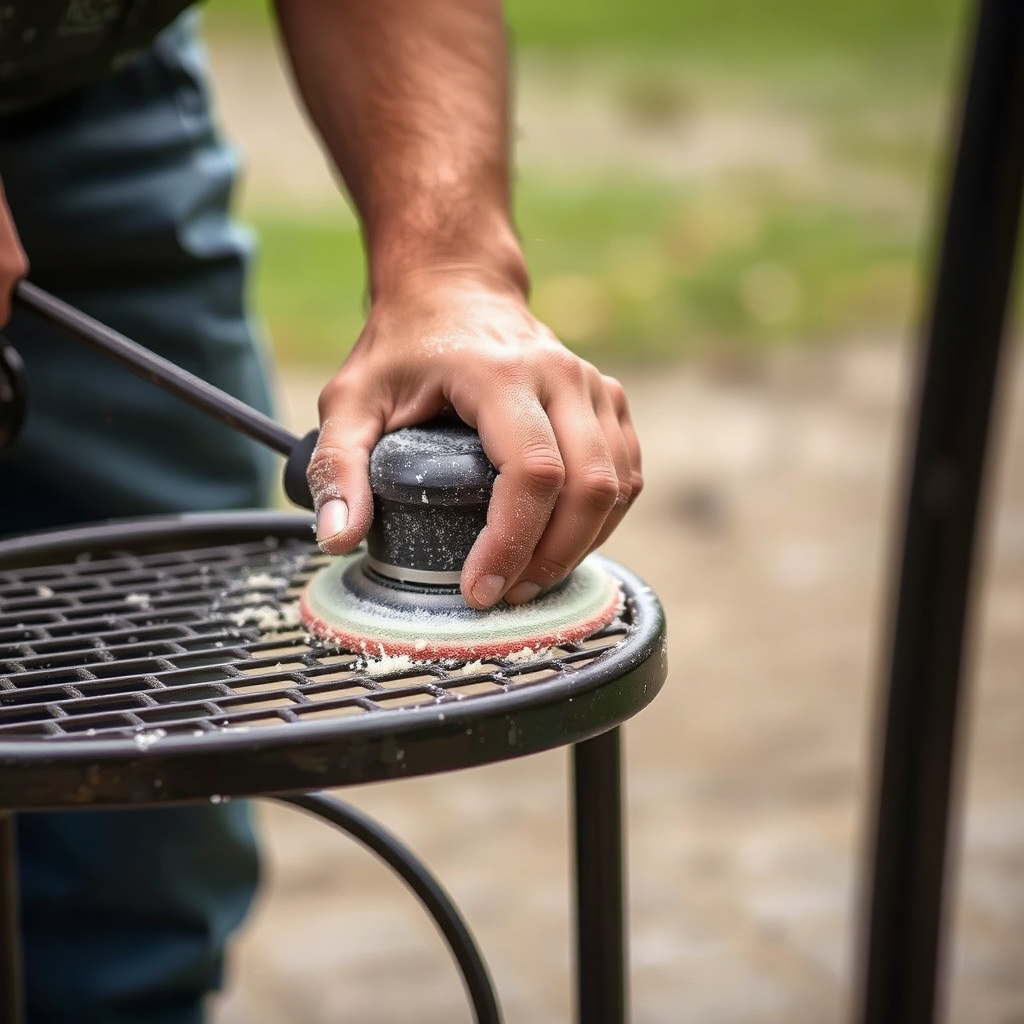
Start by thoroughly cleaning the metal furniture. Use soapy water to remove dirt, grease, and grime. For stubborn residues, a degreaser or mineral spirits works well. After cleaning, dry the surface completely to avoid any moisture trapped under the paint.
If rust is present, remove it with a wire brush, sandpaper, or a rust remover. Rust spots must be eliminated because paint won’t adhere properly and the corrosion will continue to spread beneath the coating.
- Use a stiff wire brush or 80-120 grit sandpaper for rust
- Apply rust converter if rust removal is incomplete
- Clean with degreaser after sanding rust spots
Sanding for Smoothness and Adhesion
Lightly sanding the entire metal surface helps paint adhere better by creating a slightly rough texture. Use fine-grit sandpaper (220-320 grit) for this step, focusing on glossy areas and edges to remove shine and any flaking paint.
After sanding, wipe down the furniture with a tack cloth or a damp rag to remove all dust. This final cleaning prevents bumps or peeling in the finish.
- Sand with fine-grit sandpaper for a smooth surface
- Pay attention to corners and crevices
- Remove sanding dust with a tack cloth
Choosing the Right Primer and Paint
Selecting a Suitable Metal Primer
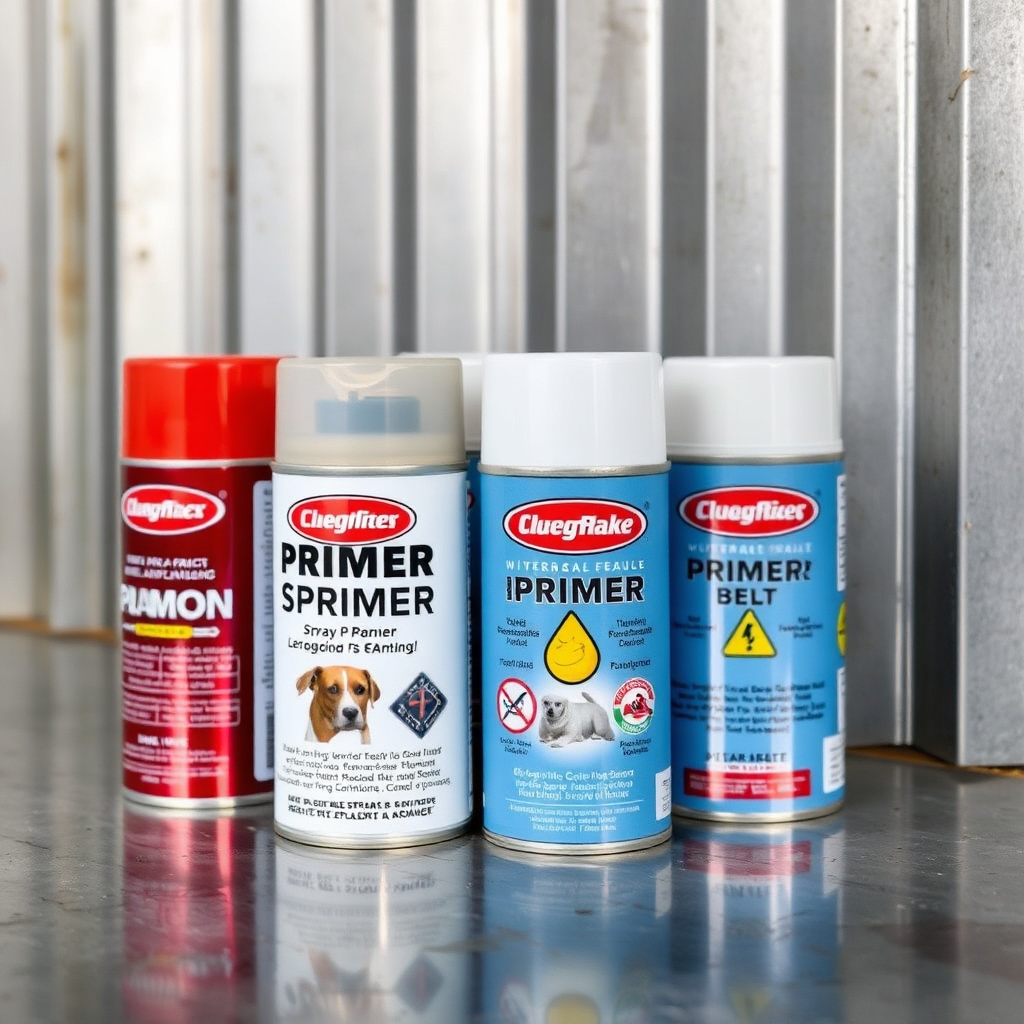
Using a primer made specifically for metal is essential to protect against rust and ensure paint adhesion. Look for primers labeled as rust-inhibiting and compatible with spray paint. They create a bonding layer that prevents peeling and flaking.
Apply the primer in thin, even coats following the manufacturer’s drying times. Avoid thick coats, which can drip or cause an uneven texture under the paint.
- Choose rust-inhibiting metal primer
- Apply multiple light coats instead of one thick coat
- Allow proper drying times between coats
For more on this, see our related guide: 7 Best Console Tables With Shelves for Every Home.
Picking the Best Spray Paint for Metal
For the final color layer, choose spray paint formulated specifically for metal surfaces. These paints withstand weather and provide a hard, durable finish. Look for options that offer rust protection and UV resistance if the furniture will be outdoors.
Popular brands often come in a variety of finishes like matte, satin, and gloss, so pick based on your desired aesthetic. Shake the can well before use for consistent spray and color.
- Use spray paint labeled for metal furniture
- Consider outdoor-rated paints for exterior use
- Select finish type: matte, satin, or gloss
Techniques for Spray Painting Metal Furniture
Proper Spray Painting Technique
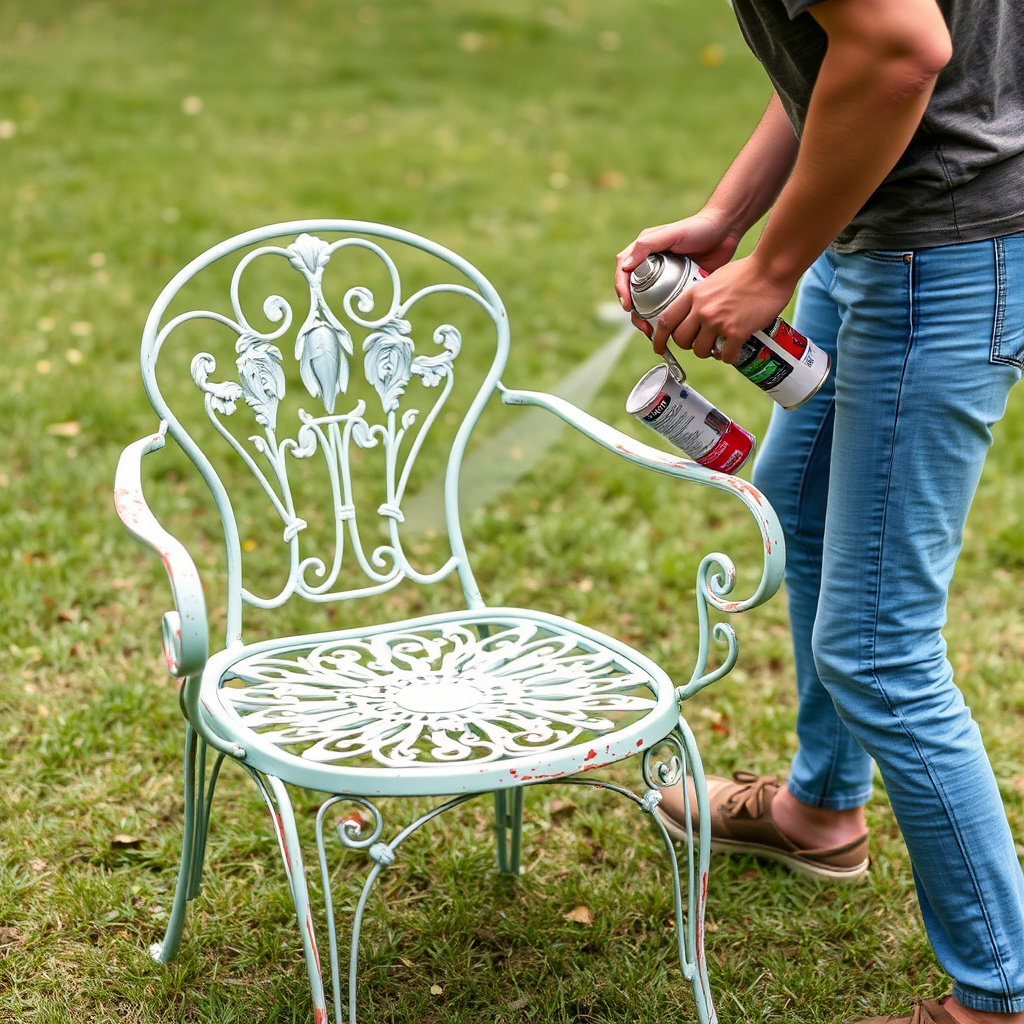
Hold the spray can about 10-12 inches from the metal surface and spray in steady, sweeping motions. Start spraying just before you reach the furniture and release the nozzle after passing the edge to avoid buildup. Overlap each pass slightly for even coverage.
Apply several light coats rather than one heavy coat to prevent runs or drips. Wait a few minutes between coats so paint layers can set.
- Maintain 10-12 inch distance from surface
- Use smooth, overlapping strokes
- Build up multiple light coats
Managing Outdoor and Indoor Conditions
Spray paint performs best in mild temperatures (50°F to 85°F) with low humidity. Painting outdoors on calm days avoids dust and debris landing on wet paint. Indoors, ensure proper ventilation to clear fumes quickly and avoid overspray.
Avoid painting in direct sunlight, rain, or very windy conditions as these can cause the paint to dry unevenly or attract particles.
- Spray paint in mild temperatures, low humidity
- Avoid direct sunlight and wind
- Ventilate indoor spaces well
Drying and Finishing Your Painted Metal Furniture

Drying Times and Curing
After applying the final coat of spray paint, allow the furniture to dry for the time recommended on the paint can—usually 24 hours. Paint may feel dry to the touch sooner but needs full curing to become durable and resistant to chipping.
If you want extra protection, you can apply a clear topcoat designed for metal after the paint has fully dried, extending the finish’s lifespan.
- Wait at least 24 hours to fully cure
- Apply a clear protective topcoat if desired
- Avoid heavy use until paint is fully set
For more on this, see our related guide: 5 Best Bookshelves With Bottom Drawers.
Maintaining Painted Metal Furniture
Keep your freshly painted metal furniture looking good by cleaning it gently with a damp cloth and mild soap. Avoid abrasive cleaners that can scratch or wear the paint. Inspect periodically for chips or wear and touch up with matching spray paint as needed.
Proper maintenance helps preserve the smooth finish and prevents rust from developing under damaged paint areas.
- Clean with mild soap and water regularly
- Avoid abrasive cleaning methods
- Touch up chips promptly to prevent rust
Safety and Environmental Tips for Spray Painting

Using Personal Protective Equipment
Spray paint releases fumes and fine particles that can be harmful if inhaled or come into contact with skin. Always wear a respirator or mask rated for paint fumes, gloves, and eye protection during the process.
Working outdoors or in a well-ventilated area reduces exposure risks and helps any fumes dissipate quickly.
- Wear paint respirator or mask
- Use gloves and goggles
- Work outside or in ventilated areas
For additional details on spray painting techniques and history, see the Wikipedia article on spray painting. Spray painting metal furniture.
Disposing of Spray Paint Materials Responsibly
Empty spray paint cans are considered hazardous waste in many areas and should be disposed of at recycling or hazardous waste collection sites. Never puncture or burn cans. Leftover paint should be stored safely or given to local hazardous material programs.
Be mindful of environmental impact by cleaning tools and surfaces with less toxic alternatives and limiting overspray.
- Recycle empty cans at designated facilities
- Do not puncture or incinerate cans
- Use environmentally safer cleaning options
Comparison of Spray Paint Types for Metal Furniture
Here’s a quick comparison of popular spray paint categories suitable for metal furniture, highlighting durability, finish options, and ideal uses.
| Spray Paint Type | Durability | Finish Options | Best For |
|---|---|---|---|
| Acrylic Enamel Spray Paint | High | Glossy, Satin, Matte | Indoor and Outdoor Furniture |
| Oil-Based Spray Paint | Very High | Glossy, Semi-Gloss | Heavy-Duty Outdoor Use |
| Rust-Oleum Protective Enamel | Very High with Rust Protection | Glossy, Satin | Rust-Prone Metal Outdoor Furniture |
| Chalk Spray Paint | Medium | Matte | Decorative Indoor Furniture |
| Epoxy-Based Spray Paint | Extremely High | Glossy | Industrial or High-Wear Metal |
| Water-Based Spray Paint | Medium | Satin, Matte | Eco-Friendly Indoor Furniture |
Frequently Asked Questions
Can I spray paint metal furniture without primer?
While you can spray paint metal without primer, using a metal-specific primer significantly improves paint adhesion, prevents rust, and extends the life of the finish, making it highly recommended.
How many coats of spray paint should I apply to metal furniture?
Applying 2 to 3 light coats is typically best for even coverage and durability. Avoid thick coats to prevent drips and ensure each layer dries before applying the next.
How do I prevent spray paint from peeling off metal furniture?
Proper surface preparation by cleaning, sanding, and priming metal furniture prevents peeling. Also, applying multiple light coats of quality spray paint and allowing full curing help maintain adhesion.
Is spray paint durable enough for outdoor metal furniture?
Yes, when you use spray paints formulated for metal and outdoor use, featuring rust inhibitors and UV resistance, the finish will withstand weather and last for several years.
Can I spray paint metal furniture indoors?
Spray painting indoors is possible if there is adequate ventilation and you use protective gear. However, outdoor painting is often easier and safer due to fumes and overspray.
Key Takeaways
- Thorough cleaning and sanding are essential before painting metal furniture.
- Use a rust-inhibiting primer and spray paint designed for metal surfaces.
- Apply several light coats with proper spray technique to avoid runs.
- Allow sufficient drying and curing time for a durable finish.
Conclusion
Painting metal furniture with spray paint demands careful preparation to ensure a finish that lasts and looks professional. Cleaning off dirt and rust, sanding to create good paint adhesion, and applying a quality primer are foundational steps. Following with even spray paint coats using recommended techniques results in a smooth surface resistant to chipping and corrosion. Taking the time to dry and cure the paint fully seals that protection and appearance.
For most DIY metal furniture refreshes, acrylic enamel spray paint offers an excellent balance of durability and finish options, especially when paired with a proper metal primer. For heavier outdoor use prone to rust, rust-inhibiting primers combined with brands like Rust-Oleum Protective Enamel provide enhanced protection. Decorative indoor pieces can use chalk or water-based spray paints for eco-friendliness and a soft matte look. Matching the paint type to the furniture’s environment and use will help maintain its beauty over time.
Start by gathering the right supplies, including metal primer and spray paint formulated for metal. Prepare your workspace outdoors or in a very ventilated area, use personal protective equipment, and follow each step with patience. With these practices, you can confidently transform metal furniture with spray paint, enhancing both aesthetics and longevity.