How to Keep Ants Off Patio Furniture: Effective Strategies That Work
Keeping ants off patio furniture involves a combination of cleanliness, deterrents, and barrier methods. Regularly cleaning surfaces, using natural repellents like vinegar or essential oils, and setting up physical barriers can effectively prevent ants from invading your outdoor seating area.
Ants are drawn to leftover food crumbs, sugary spills, and moisture, which often accumulate on patio furniture. When ants take over these spots, it can turn outdoor relaxation into an annoying experience. Minimizing attractants and creating an environment that ants find inhospitable helps maintain a comfortable and pest-free patio. How to Keep Ants Off Patio Furniture.
This article covers practical ways to keep ants off patio furniture, including natural repellents, cleaning tips, and chemical treatments. Additionally, it explores how to identify ant trails, the best barrier techniques, and preventative maintenance to protect your outdoor spaces year-round.
Cleaning and Maintenance to Prevent Ants
Regular Cleaning Practices
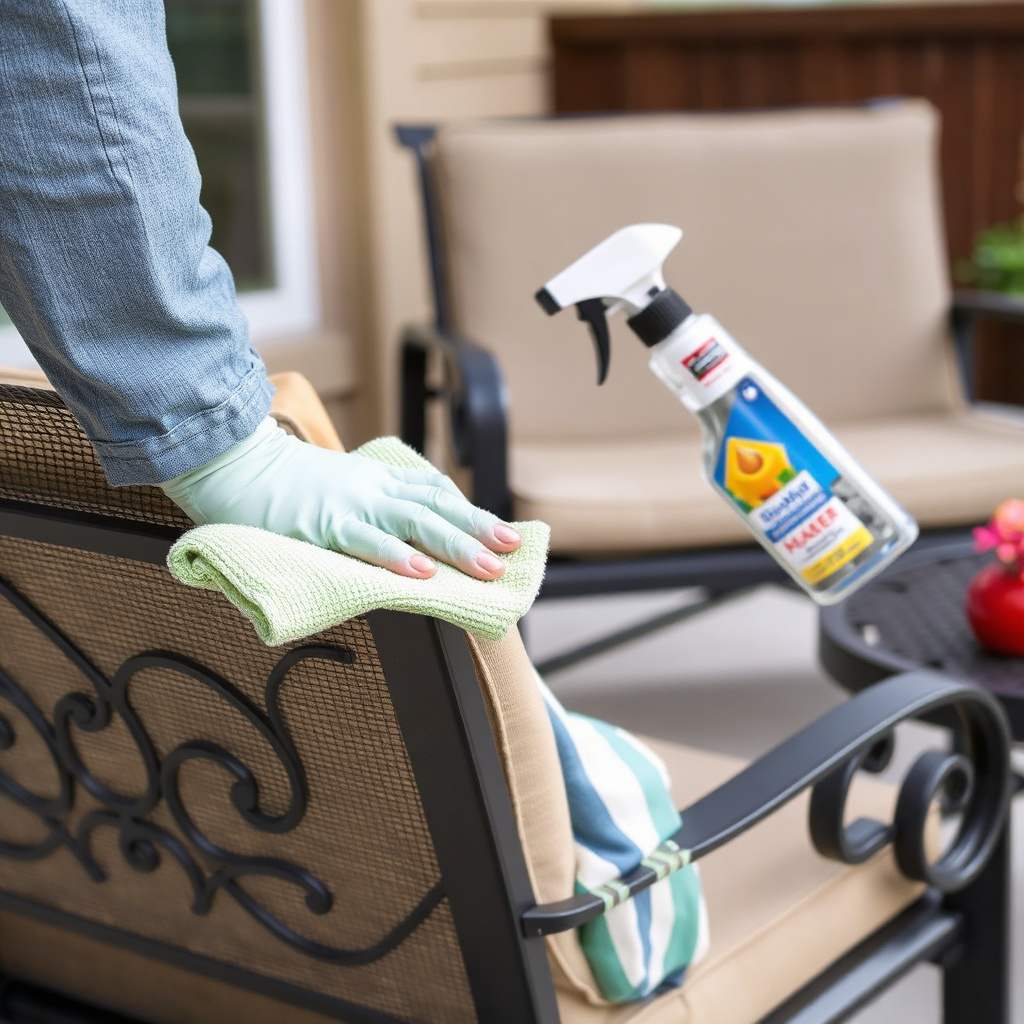
Consistent cleaning is the first line of defense against ants on your patio furniture. After each use, wipe down tables and chairs to remove food residue and sticky spills that attract ants.
Use a mild detergent or soapy water to wash surfaces weekly, paying attention to cracks and crevices where crumbs can accumulate. Dry furniture thoroughly to reduce moisture, another key attractant.
- Remove all food scraps immediately
- Clean under cushions and slats
- Avoid leaving dirty dishes on furniture
Addressing Moisture and Standing Water
Ants are attracted to water sources, so eliminating excess moisture near your patio furniture helps keep them at bay.
Check for leaks in nearby fountains, planters, or hoses, and ensure proper drainage during rainy seasons. Dry wet surfaces quickly to discourage ant presence.
- Fix water leaks promptly
- Clear debris from drains
- Use waterproof covers to protect furniture
Natural and Homemade Ant Deterrents
Using Vinegar and Essential Oils
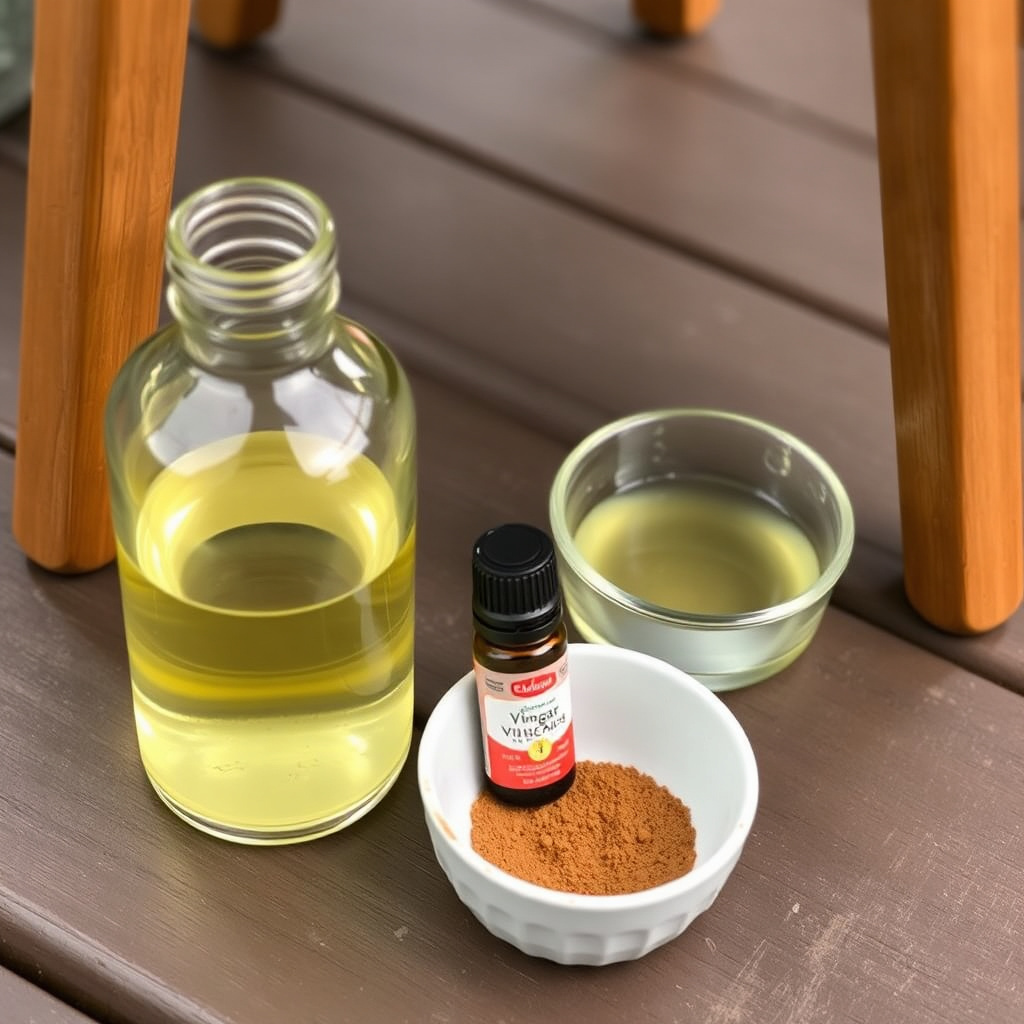
Vinegar disrupts ant scent trails, making it harder for them to navigate to your furniture. Spraying a solution of white vinegar and water around furniture legs and crevices can reduce ant traffic.
Essential oils such as peppermint, tea tree, and lemon are natural ant deterrents. Dilute several drops in water and spray the solution near patio furniture to repel ants safely and effectively.
- Mix 1:1 vinegar and water solution
- Add 10 drops of essential oil per cup of water
- Reapply every few days for persistence
Herbs and Spices as Barriers
Certain herbs and spices naturally repel ants. Sprinkling ground cinnamon, cayenne pepper, or placing rosemary sprigs around patio furniture creates an effective physical barrier.
These substances irritate ants’ sensory receptors, discouraging their approach without harmful chemicals.
- Use fresh or ground cinnamon along furniture base
- Scatter cayenne pepper on the ground nearby
- Place pots of rosemary or mint nearby
Chemical Solutions and Baits for Ant Control
Ant Baits and Traps
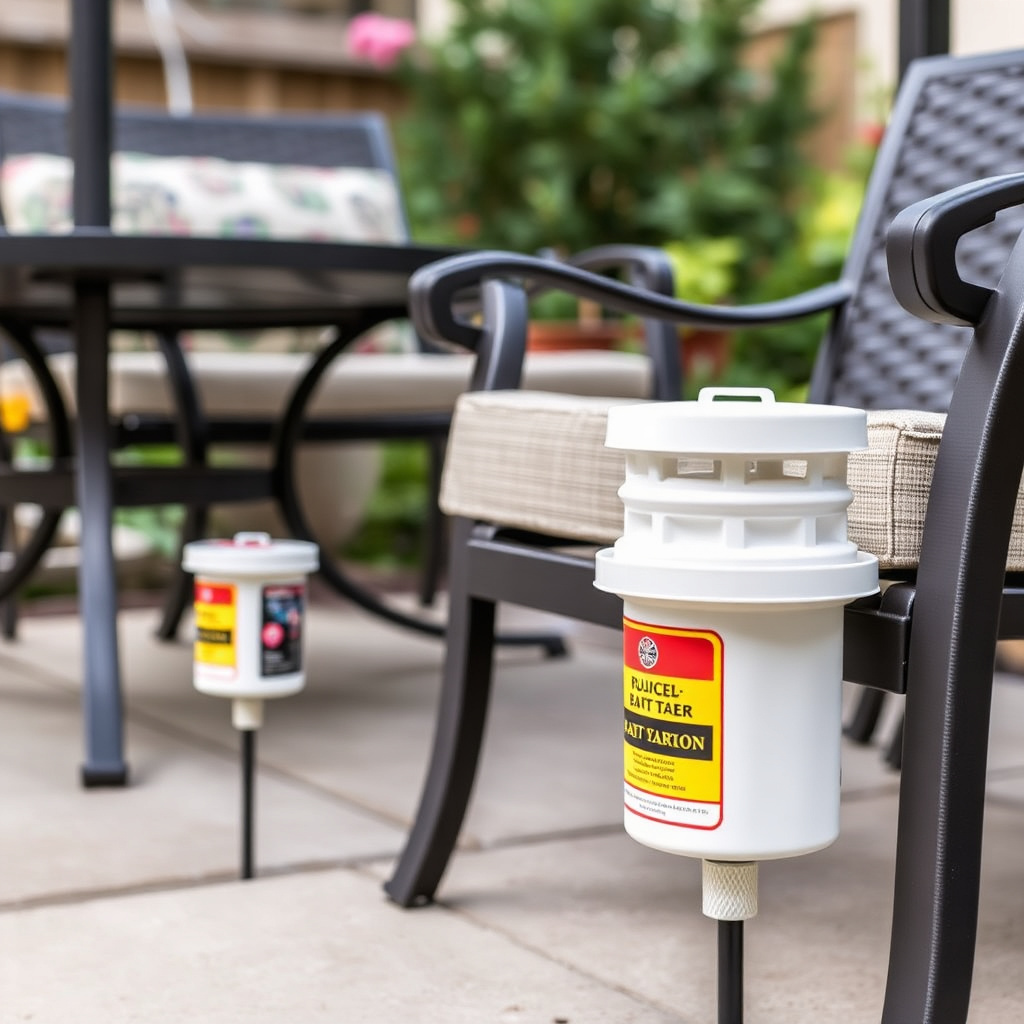
Commercial ant baits attract ants to carry toxic bait back to their colony, effectively reducing the population source of patio infestations.
Place baits near trails but away from children and pets. Baits can take several days to clear colonies, so patience and consistent placement are necessary.
- Use slow-acting baits for better colony elimination
- Position stations in shaded areas near ant activity
- Replace baits regularly as recommended
Insecticides and Barrier Sprays
Insecticide sprays designed for outdoor use can provide immediate relief by killing ants on contact and creating protective barriers around furniture.
Apply sprays carefully to prevent exposure of non-target wildlife and follow all label instructions to maintain safety.
- Select products labeled for outdoor use
- Spray furniture legs and surrounding ground
- Avoid overuse to reduce environmental impact
Identifying and Blocking Ant Trails

Recognizing Ant Paths
Ants leave scent trails to guide others to food sources, often forming visible lines leading to patio furniture.
Observe the trails to pinpoint entry points and intensify treatment efforts at these locations.
- Look for ant movement lines on floors and walls
- Track trails to nearby nests if accessible
Creating Physical Barriers
Once you identify trails, applying barriers like diatomaceous earth, chalk lines, or double-sided tape physically blocks ants’ access.
These barriers disrupt ant movement without harmful chemicals and can be strategically placed around legs and supports.
- Use a fine layer of diatomaceous earth around furniture base
- Draw chalk lines on concrete or wood surfaces
- Stick double-sided tape on chair and table legs
Preventative Measures for Long-Term Protection
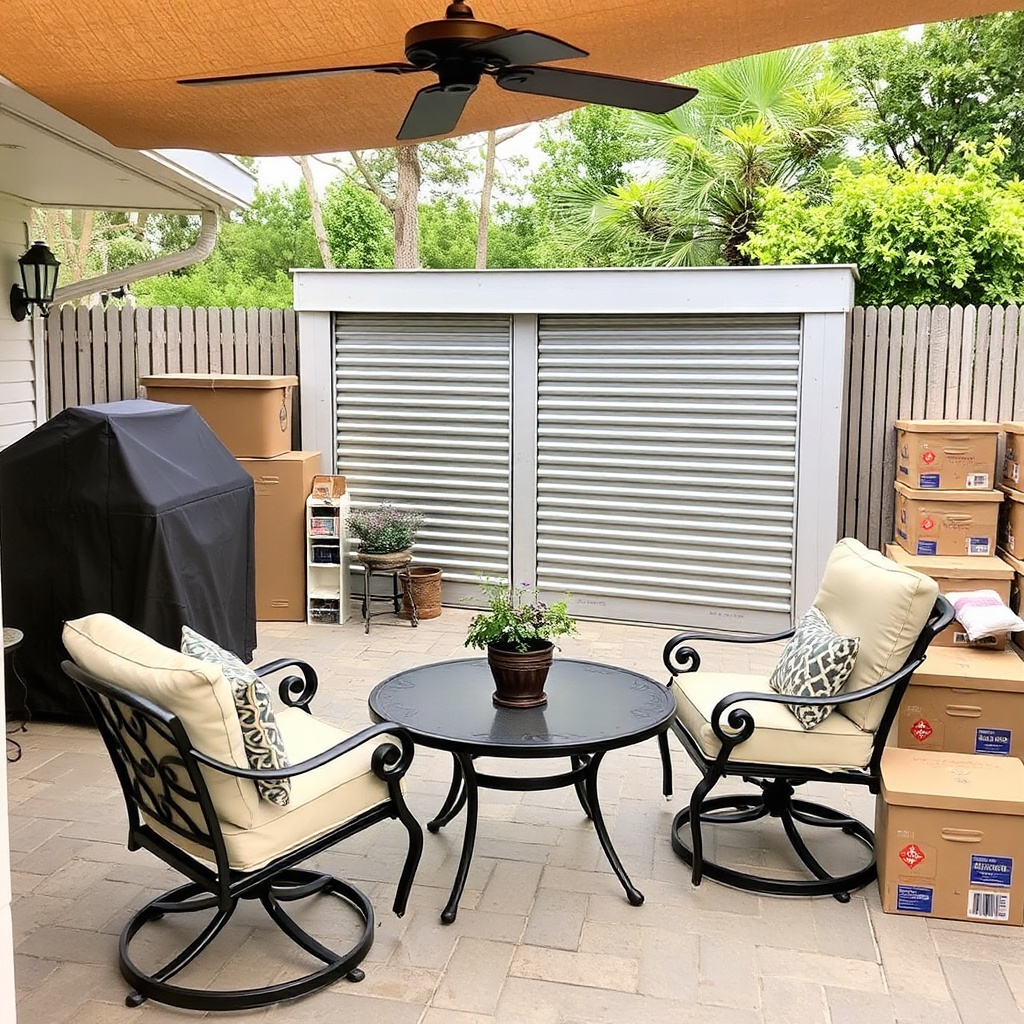
Proper Storage and Covering
Protect your patio furniture from ants by covering it with tight-fitting, water-resistant covers when not in use.
Store cushions and other removable items in sealed containers to reduce attractants and nesting spots.
- Use ventilated furniture covers during off-season
- Keep cushions in plastic bins with lids
- Remove debris and leaves regularly
For additional safety guidelines on managing ants, refer to the Ant control recommendations by the EPA. Ant control recommendations by the EPA.
Landscaping and Environmental Control
Maintaining the surrounding landscape discourages ants from settling near your patio. Trim bushes and remove leaf litter close to furniture, minimizing ant habitats.
Avoid stacking wood or compost near the patio, as these can harbor ant colonies and increase infestation risk.
- Trim vegetation at least one foot from furniture
- Store firewood away from patios
- Clear mulch piles regularly
Ant Control Methods for Patio Furniture Comparison
Here’s a comparison of popular ant control methods highlighting their effectiveness, safety, and ease of use.
| Method | Effectiveness | Safety for Pets and Children | Ease of Application | Duration of Protection |
|---|---|---|---|---|
| Natural Deterrents (vinegar, oils) | Moderate | High | Easy | Short |
| Chemical Baits | High | Medium | Moderate | Long |
| Barrier Sprays | High | Low to Medium | Easy | Medium |
| Physical Barriers (chalk, diatomaceous earth) | Moderate | High | Easy | Medium |
| Regular Cleaning and Maintenance | Moderate | High | Requires diligence | Ongoing |
Frequently Asked Questions
Are natural ant repellents safe for kids and pets?
Yes, natural repellents like vinegar and essential oils are generally safe when used as directed. However, always apply them out of reach of children and pets to prevent accidental ingestion or irritation.
How quickly do ant baits work on patio infestations?
Ant baits typically take several days to a week to reduce colony activity as ants carry the bait back to their nests. Patience and consistent placement are needed for full effectiveness.
Can ants build nests inside patio furniture?
Certain ants may nest inside cushions, cracks, or hollow furniture components if attracted by food or shelter, making regular inspection and cleaning crucial to prevent infestations.
Is diatomaceous earth effective for ant control outdoors?
Diatomaceous earth works by damaging ants’ exoskeletons, effectively blocking access around furniture. Its effectiveness depends on dry conditions since moisture reduces its ability to control ants.
Does vinegar kill ants or just repel them?
Vinegar primarily disrupts ant scent trails and repels ants but does not kill them. It’s best used as a deterrent alongside other control methods.
Key Takeaways
- Regular cleaning eliminates attractants that draw ants to patio furniture.
- Natural repellents like vinegar and essential oils disrupt ant trails safely.
- Chemical baits target the colony but require placement care.
- Physical barriers block ant movement without harmful chemicals.
Conclusion
An effective approach to keeping ants off patio furniture combines cleanliness, deterrents, and targeted control. Starting with thorough cleaning to remove food residue and moisture cuts down ant attraction. Identifying ant trails and applying natural or chemical deterrents enhances protection, while physical barriers prevent ants from reaching furniture surfaces. A consistent routine that addresses multiple points of entry provides the best chance for long-term ant control.
For outdoor enthusiasts wanting chemical-free options, natural repellents like vinegar or peppermint oil alongside barrier methods such as diatomaceous earth are excellent choices. Those experiencing heavy infestations may consider slow-acting ant baits placed carefully to diminish colonies. In any case, regular inspection and maintenance are necessary to sustain a pest-free environment. Combining methods tailored to your patience level and outdoor conditions leads to reliable results.
Begin by thoroughly cleaning your patio furniture and the surrounding area, then set up deterrents or barriers that suit your preferences. If ants persist, incorporate ant baits strategically and keep up preventative landscaping practices. Taking these practical steps helps maintain inviting, ant-free outdoor spaces for all your gatherings and relaxation times.