How to Stop Furniture from Sliding DIY: Easy Fixes for a Stable Home
If you’re tired of your furniture sliding around on smooth floors, you can stop it yourself using simple DIY techniques. From adhesive pads to rubber grips, several straightforward solutions can firmly anchor your furniture in place without expensive tools or professional help. How to Stop Furniture from Sliding DIY.
Furniture that doesn’t stay put can be a safety hazard, especially in homes with children or pets, and can damage floors over time. Preventing furniture from moving not only improves safety but also protects your investment and creates a more comfortable living space.
This article covers effective DIY methods to stop furniture from sliding, including choosing the right materials, applying different types of grips and pads, modifying furniture legs, and specific tips for various floor types such as hardwood, tile, or laminate.
DIY Furniture Stabilizing Pads and Grips
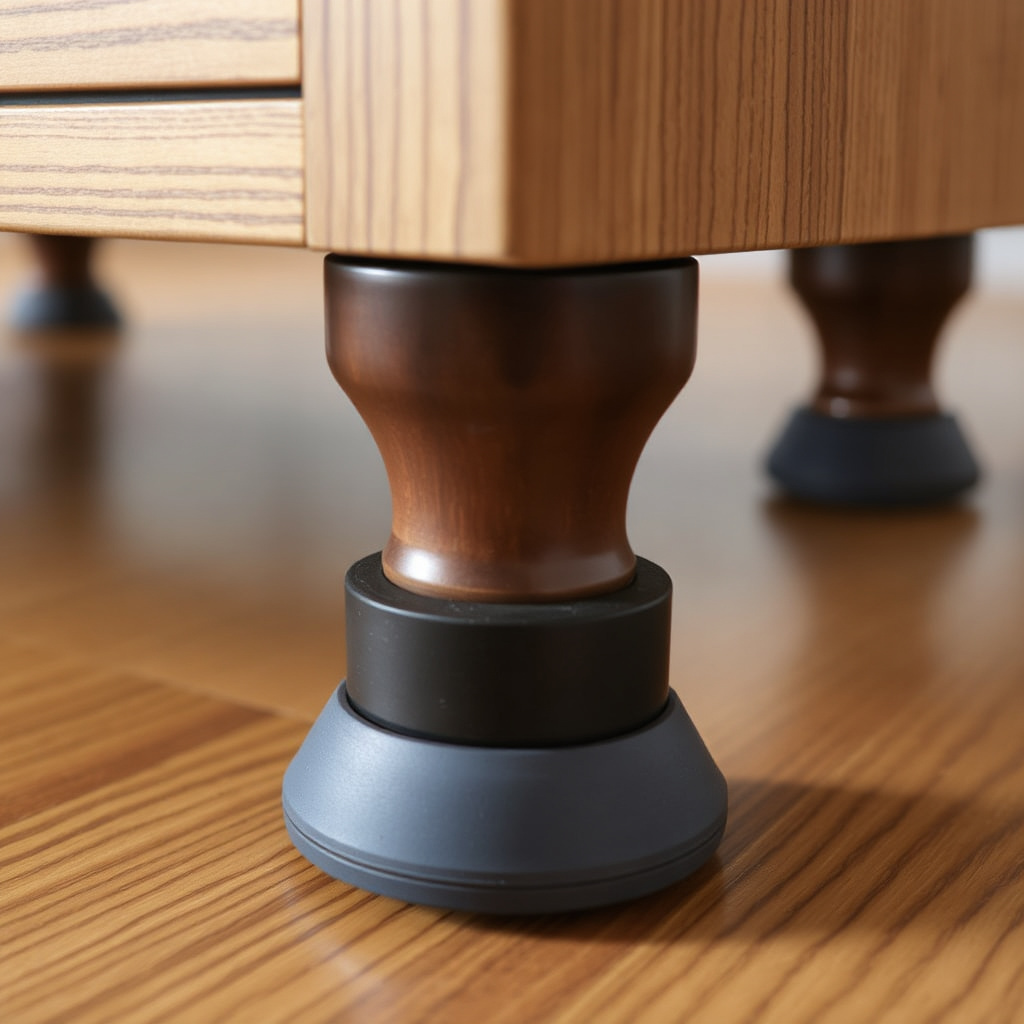
Using Rubber Pads for Grip
Rubber pads are a popular DIY solution for keeping furniture from sliding. They create friction between the furniture leg and the floor, preventing movement while protecting your floor from scratches.
You can buy pre-made rubber pads that stick directly to the bottom of furniture legs or cut rubber sheets to size. Make sure the surface is clean and dry before applying to maximize adhesion.
- Self-adhesive rubber pads
- Cut-to-fit rubber sheets
- Non-slip rubber mats placed under furniture
Felt and Cork Pads for Floor Protection
While felt pads primarily protect floors, pairing them under rubber bases can offer extra grip combined with surface protection. Cork pads have similar properties and add slight cushioning that can reduce noise from moving furniture.
DIY enthusiasts often stack felt and rubber or cork pads to prevent sliding while avoiding floor damage, especially on hardwood and laminate floors.
- Felt pads for smooth furniture legs
- Cork stacks for additional cushioning
- Combining felt with rubber or cork for dual benefits
Adapting Furniture Legs to Prevent Sliding
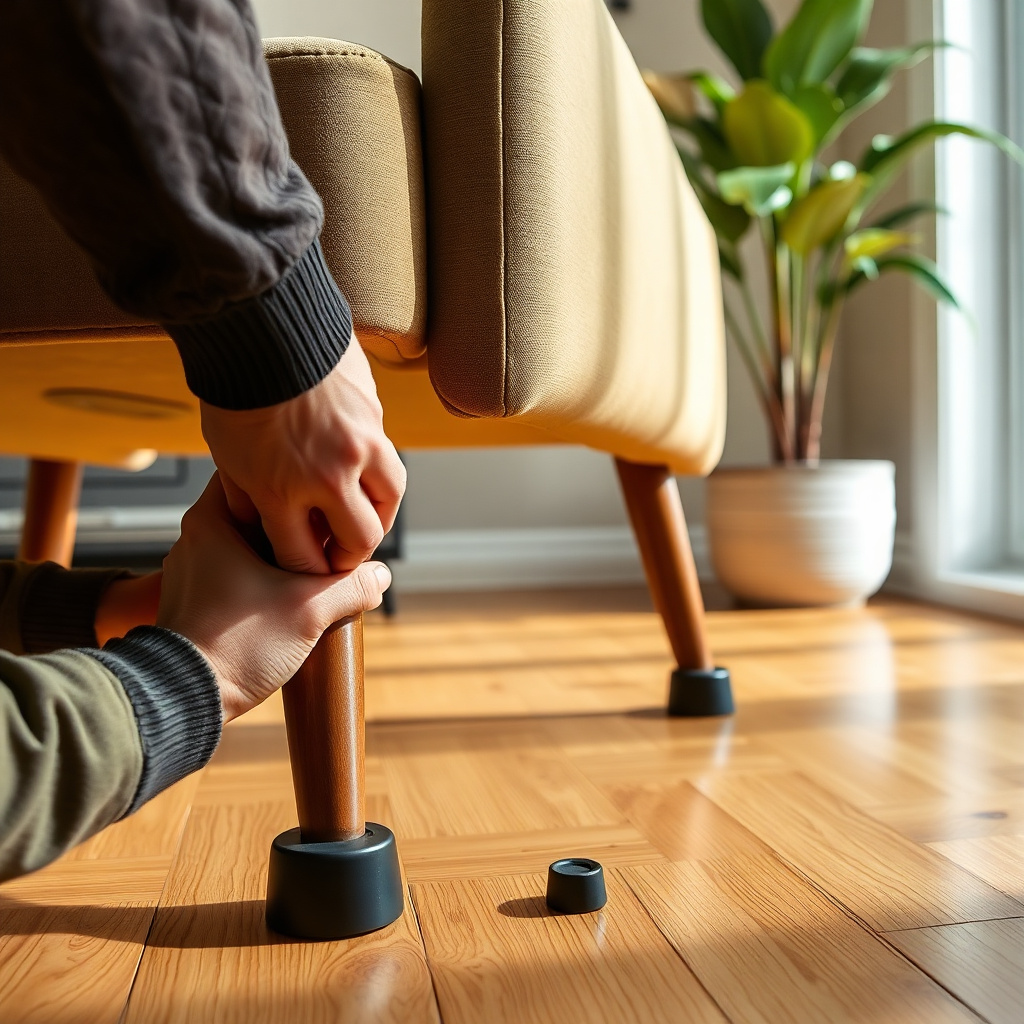
Rubber or Silicone Leg Caps
Adding rubber or silicone caps onto furniture legs can significantly boost friction and stability. These caps wrap around chair or table legs completely, transforming slippery surfaces into gripping points.
These leg caps come in various sizes and designs—some are seamless rubber sleeves, while others are adjustable bands. Choose ones that fit snugly and are thick enough for effective grip.
- Flexible rubber caps
- Silicone leg sleeves
- Adjustable grip bands
DIY Leg Modifications with Household Materials
For an inexpensive, custom fit, you can modify furniture legs yourself using materials like hot glue, shelf liner strips, or even old bicycle tire tubes cut to size. These materials add texture and bulk that increase grip.
Be cautious about applying materials that may leave residue or damage floors. Test on a small inconspicuous area first and choose reversible options if possible to protect your furniture and flooring.
- Hot glue dots or strips under legs
- Cut strips of non-slip shelf liner
- Old rubber tubes repurposed for leg covers
Special Solutions Based on Floor Type
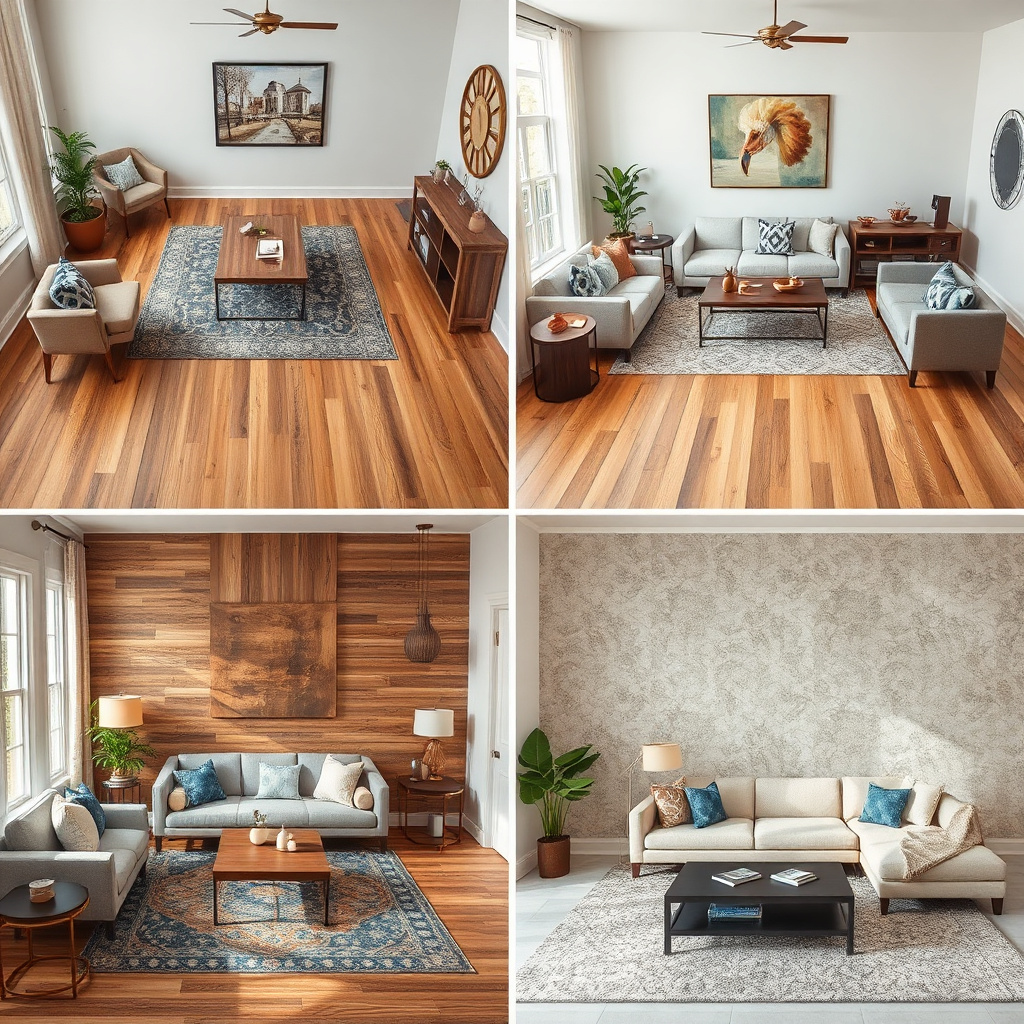
Hardwood and Laminate Floors
Smooth hardwood and laminate floors demand gentle solutions that increase friction without scratching. Rubber or silicone pads combined with felt protectors work best here.
Avoid using heavy adhesive products that can peel floor finish, and regularly check pads to ensure they remain clean and effective over time.
Tile and Vinyl Floors
Tile and vinyl floors can be slippery, especially when wet. Thick rubber bases or anti-slip mats under furniture legs help prevent unwanted movement.
For heavier furniture, placing a non-slip mat or gripper underneath can add a stable base, while light furniture benefits from self-adhesive rubber strips for better hold.
Alternative Approaches to Halt Furniture Movement
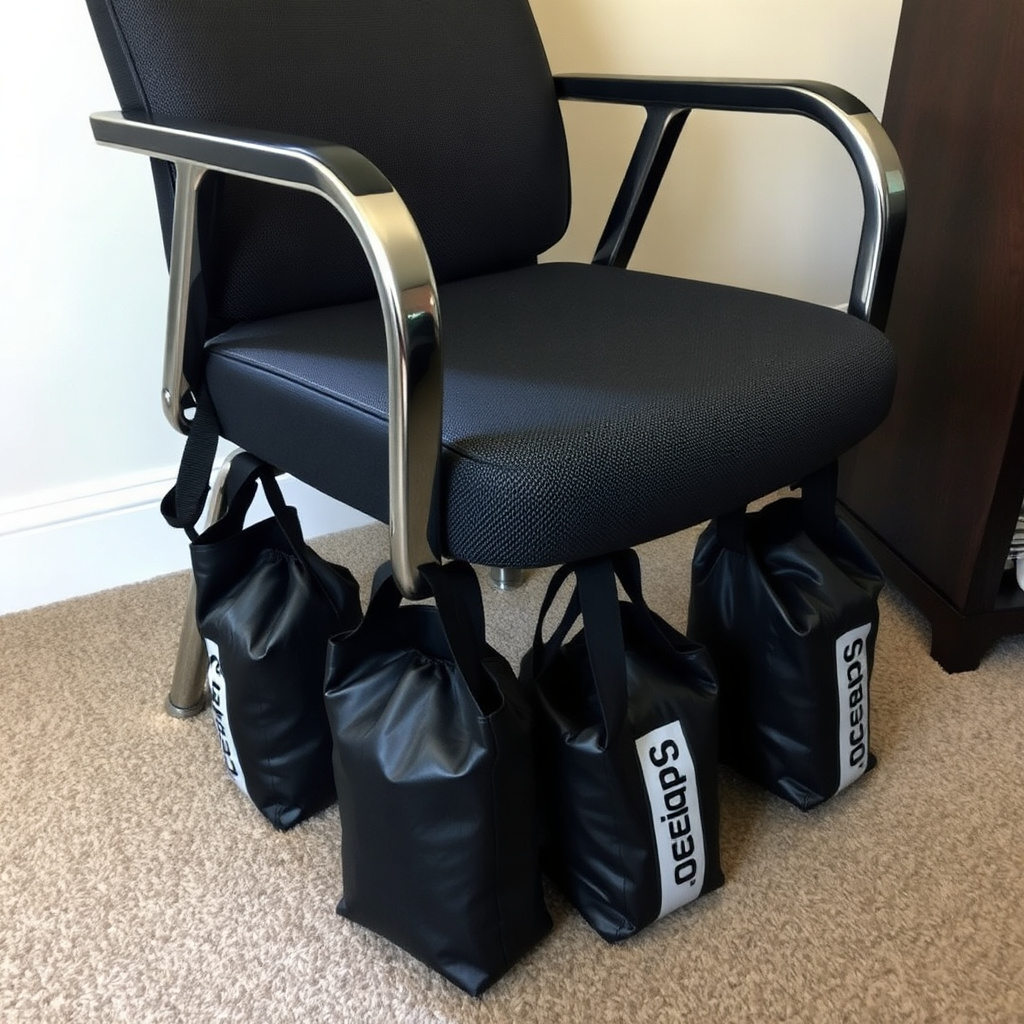
Adding Weight for Stability
Increasing the weight of furniture helps prevent sliding by enhancing grip through sheer mass. You can attach weight bags or fill hollow leg tubes with sand or small weights.
This method is especially useful for lightweight chairs or small tables that tend to move easily. Secure any added weight to avoid damage or instability.
- Sandbags tied to legs
- Weight-filled leg inserts
- Clamps with attached weights
Using Furniture Anchors and Blocks
Anchoring large pieces like bookshelves or cabinets to walls is a reliable way to stop sliding. For furniture on the floor, wedges or rubber blocks placed behind legs act as physical barriers.
Wedges can be made from rubber, cork, or wood and shaped to fit snugly, preventing movement without damaging floors or furniture.
- Wall anchors for tall furniture
- Rubber wedges behind legs
- Wooden blocks customized as stops
Maintaining and Repairing Furniture for Stability

Tightening Loose Joints and Legs
Sometimes furniture slides because legs or joints loosen, altering the position and balance. Regularly inspect and tighten screws, bolts, or joints to restore stability.
This basic maintenance can significantly reduce wobbling and unintended movement that make furniture prone to sliding on floors.
- Using screwdrivers or allen keys
- Checking under cushions or upholstery
- Applying wood glue to joints if needed
For an overview of furniture types and considerations related to stability, you can explore more detailed information on furniture grip solutions on Wikipedia. furniture grip solutions on Wikipedia.
Replacing Worn or Damaged Foot Pads
Old, worn foot pads lose their grip and should be replaced. Look for signs like missing padding, cracked rubber, or compressed felt.
Replacing these parts can recreate original anti-slip properties and protect flooring surfaces while stabilizing furniture.
- Purchasing replacements matching furniture type
- Cleaning surfaces before applying new pads
- Choosing durable materials suited to floor type
Comparison of DIY Methods to Stop Furniture from Sliding
This table compares various popular DIY solutions for preventing furniture from sliding, highlighting key factors like cost, ease of use, and suitability for floor types.
| Method | Cost | Ease of Application | Floor Compatibility | Durability |
|---|---|---|---|---|
| Rubber Pads | Low | Easy | Hardwood, Tile, Laminate | Medium |
| Felt + Rubber Combination | Low | Moderate | Hardwood, Laminate | Medium |
| Rubber/Silicone Leg Caps | Medium | Moderate | All Floors | High |
| DIY Leg Modifications | Very Low | Variable | Depends on material | Low to Medium |
| Adding Weight | Low | Moderate | All Floors | High |
| Anchors and Wedges | Low to Medium | Moderate | All Floors | High |
Frequently Asked Questions
Can I use double-sided tape to stop furniture from sliding?
Double-sided tape can offer temporary grip but often loses stickiness over time and may leave residue on floors, making it less reliable for long-term furniture stabilization.
Are rubber pads safe for hardwood floors?
Yes, rubber pads are generally safe for hardwood floors if kept clean and replaced when showing wear, preventing scratches or damage to the finish.
How often should I replace furniture grip pads?
Grip pads should be checked every 6–12 months and replaced when worn, compressed, or peeling to maintain effective anti-slide protection.
What’s the best way to prevent sliding on tile floors?
Using thick rubber bases or anti-slip mats under legs works best on tile floors, as these materials offer strong friction without damaging hard, smooth surfaces.
Can furniture anchors damage my walls?
Properly installed wall anchors cause minimal damage and add safety; use appropriate hardware and follow instructions to avoid causing structural harm.
Key Takeaways
- Rubber and felt pads offer effective DIY solutions for preventing furniture sliding.
- Adapt furniture legs using caps or household materials to increase traction.
- Floor type matters when choosing the best anti-slide method.
- Regular maintenance and weight addition improve furniture stability.
Conclusion
The best approach to stop furniture from sliding DIY depends on your specific furniture type, floor surface, and personal preference for convenience versus durability. Simple solutions like rubber pads combined with felt protectors provide a balance of grip and floor safety while being easy to apply. Altering furniture legs with rubber or silicone caps adds more substantial, longer-lasting grip, especially useful on slick floors like tile or laminate. Evaluating the options carefully will help you pick a method that fits your home’s unique conditions and usage patterns.
For hardwood or laminate floors, pairing rubber pads with felt protectors often gives good results without damaging the finish. On tile or vinyl floors, thicker rubber bases or non-slip mats serve better to hold heavy furniture steady. Lightweight furniture benefits from adding weight or using DIY modifications such as hot glue dots or shelf liner strips for increased traction. Large furniture that moves despite these can be anchored safely to walls or stabilized with rubber wedges behind legs. Such targeted fixes can reduce slipping and increase safety without expensive tools.
If you prefer a simple starting point, install self-adhesive rubber or felt pads to your furniture legs and monitor their effectiveness over time. For frequent furniture rearrangers, removable silicone leg caps offer a flexible option. Maintenance like tightening loose joints and replacing worn pads complements your anti-slide solutions, preserving furniture stability. Overall, these inexpensive DIY methods give you confidence your furniture will stay put and protect both your floors and household members.