How Many Furniture Pads Do I Need for Effective Floor Protection?
To determine how many furniture pads you need, you should count the total number of furniture legs and contact points that touch the floor, usually one pad per leg or base point is required. For tables, sofas, chairs, and other furniture pieces, each leg should have its own pad to provide balanced support and prevent damage to your floors.
Using pads on each leg prevents scratches and scuffs from shifting or moving furniture during everyday use. Without enough pads, furniture can wobble or create uneven wear spots on your flooring, defeating the purpose of protection. It’s helpful to consider spare pads as well for future replacements due to wear or accidental loss. How Many Furniture Pads Do I Need.
This article will cover how to calculate the number of furniture pads you need based on different furniture types, factors that influence pad quantity, the best types of pads for various floor materials, installation tips, and maintenance advice to maximize pad lifespan.
Counting Furniture Legs and Contact Points
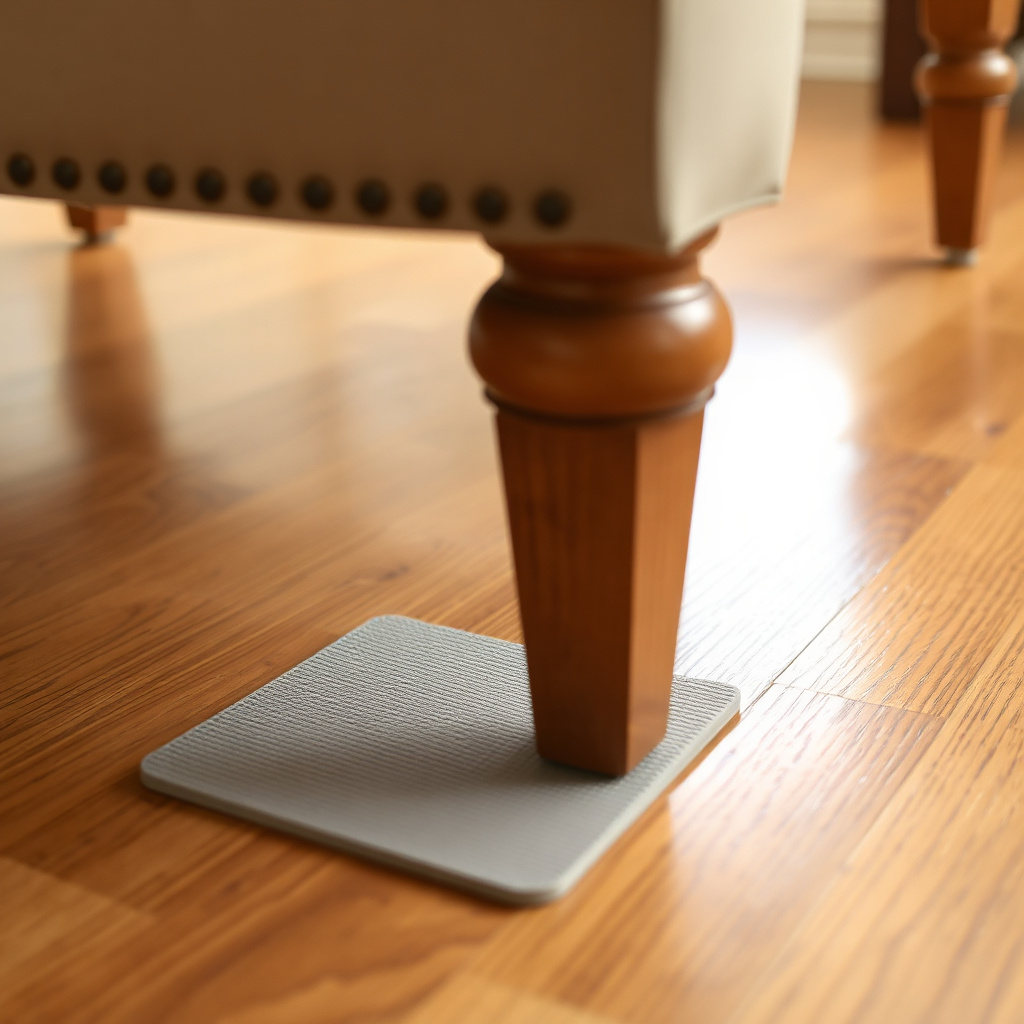
Standard Furniture Leg Count
Most chairs, sofas, and tables have four legs, which means you will need four furniture pads for each piece to protect your floors effectively. Some larger furniture, like sectional sofas or dining tables, can have extra legs or support beams that also contact the floor and require pads.
For unusual furniture designs such as pedestal tables or furniture with continuous bases, count each distinct floor contact point as it merits its own pad. Missing pads on these surfaces can lead to uneven weight distribution and floor damage.
- Count every leg and support point
- Include extra legs or supports on large furniture
- Consider circular or pedestal bases as one contact point
Adjusting Pad Numbers for Multi-Part Furniture
Sectional sofas, modular units, and furniture with detachable parts might need pads applied to each individual segment. When segments are moved or rearranged, separated pads prevent floor marks and scuffs.
Similarly, entertainment centers or shelving units with more extensive footprints or multiple bottom edges require pads wherever they make floor contact. Some designs have multiple small feet under a larger base, multiplying the number of pads necessary.
- Pad each section of modular furniture
- Check for hidden or secondary floor contact points
- Use extra pads for stability on uneven floors
Considering Furniture Types and Usage Patterns
High-Traffic Furniture Needs
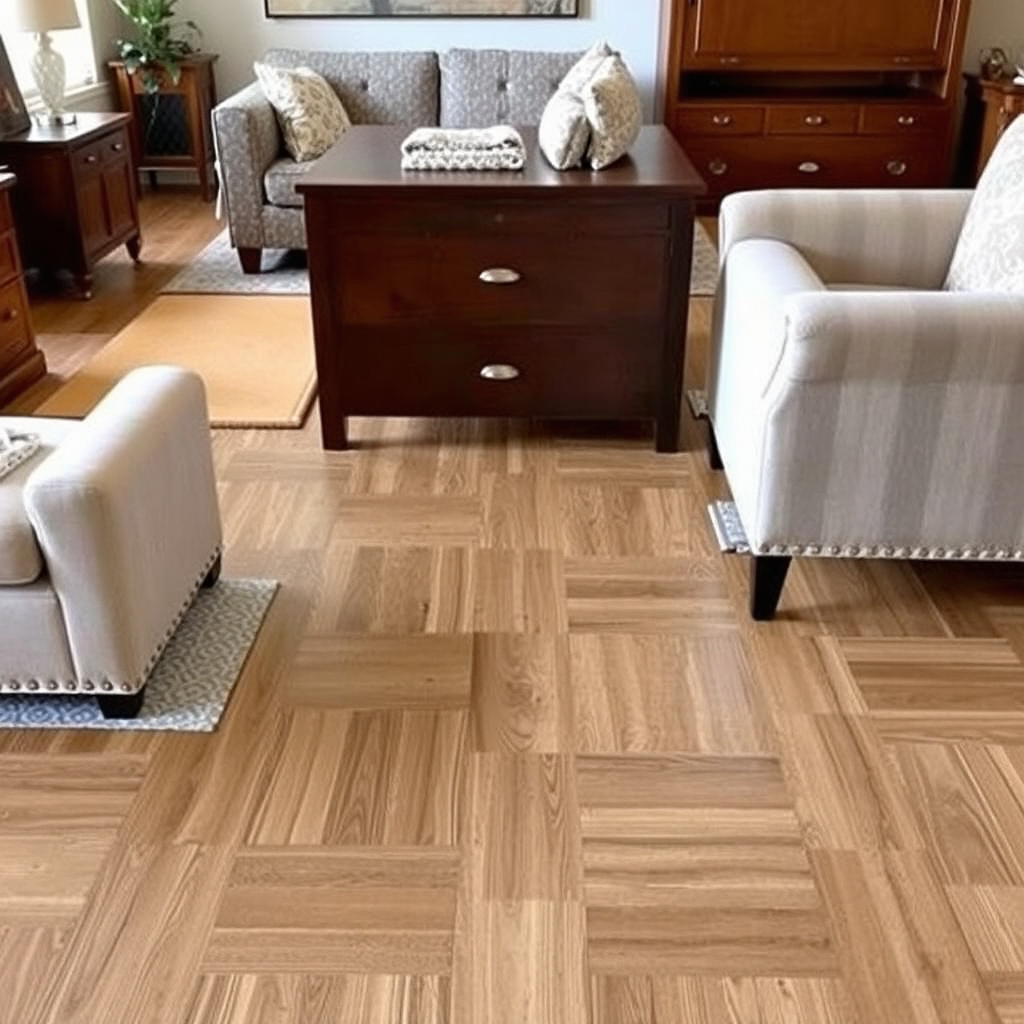
Furniture pieces frequently moved, such as dining chairs or office chairs, often require more robust furniture pads. It’s advisable to use felt pads or rubber caps on all legs to prevent constant sliding and floor abrasion.
For furniture on hardwood or laminate floors, frequent repositioning without protection accelerates wear. Increasing the thickness or quality of pads and ensuring each leg has one helps maintain floor integrity in active areas.
- Use durable pads on mobile furniture
- Replace worn pads regularly
- Pad every leg for balanced protection
For more on this, see our related guide: How Much Does a Full Size Bed Cost in 3 Price Ranges?.
Static Furniture and Minimal Movement
For furniture that rarely moves like dressers or bookshelves, a thinner or less dense furniture pad might suffice. While still providing protection against scratches, these furniture floor protectors do not need to be as heavy-duty.
Ensuring complete coverage where the furniture meets the floor prevents gradual floor discoloration or indentation from static pressure. Counting each leg with a simple felt or vinyl pad can be enough.
- Choose thinner pads for static furniture
- Ensure all contact points are covered
- Consider floor type sensitivity
Selecting the Right Furniture Pads Based on Floor Material

Pads for Hardwood and Laminate Floors
Flooring such as hardwood or laminate is prone to scratches and dents, so selecting soft felt or rubber furniture pads is important. These pads cushion the furniture’s weight and prevent direct contact with the floor surface.
Measure furniture leg size to choose pads that fully cover contact points. Overlapping pads may peel or cause uneven wear. Matching pad thickness with floor material softness optimizes protection.
- Use felt or rubber pads
- Size pads to leg diameter
- Avoid hard plastic pads that scratch
Furniture Pads for Tile and Carpet Floors
On tile floors, rubber or silicone-based pads provide extra grip, reducing furniture movement without scratching the surface. For carpet, pads help furniture slide with less damage and protect carpet fibers underneath heavy legs.
Keep in mind that carpet may require fewer furniture pads, but uneven bases still need padding to avoid damage. Non-slip features on pads prevent sliding that could lead to scuffing tile grout or floor tiles.
- Rubber pads for tile floors
- Pads reduce carpet fiber wear
- Use non-slip pads where needed
Installation and Maintenance of Furniture Pads

Proper Placement and Attachment
Apply furniture pads evenly on the bottom of each leg or contact point after cleaning the surface. Reliable adhesives or screw-in styles provide lasting attachment. Pads misaligned or partially applied do not protect floors effectively.
For chairs and tables regularly moved, inspect pads quarterly and replace any that have worn through. Installation influences durability, so ensure firm placement especially on carpeted or uneven flooring.
- Clean contact point before applying
- Use strong adhesive pads or screws
- Replace worn or loose pads promptly
For more on this, see our related guide: How Much Does a Decent Sofa Cost at 7 Price Points in 2027.
Tips for Extending Pad Lifespan
Avoid dragging furniture heavily even with pads applied; lifting reduces pad stress and floor damage. Select pads rated for the furniture weight to prevent flattening or tearing.
Regularly vacuum or clean underneath furniture to prevent grit accumulation that wears out pads. Consider buying extra furniture floor protectors to swap out old ones before damage occurs.
- Lift furniture instead of dragging
- Select weight-rated pads
- Keep floor clean under furniture
Calculating Extra or Spare Furniture Pads
Why Keep Spare Pads
Furniture pads wear down from movement and contact with flooring. Having spare pads available ensures you can replace worn ones quickly to keep your floors protected without delay.
Additionally, if you rearrange or acquire new furniture that requires protection, spares reduce visits to the store or online orders, saving time and maintaining consistent floor care.
- Pads wear with use
- Convenient for replacements
- Useful when buying new furniture
For more detailed information about furniture types and structural support, see the comprehensive furniture protection section on Wikipedia. furniture protection on Wikipedia.
Estimating Spare Pad Quantity
A common approach is to purchase 10-15% more pads than the total furniture legs counted. This percentage accounts for future replacements and accidental losses during installation or moves.
If your household has many movable chairs or high-traffic furniture, increasing spare pad inventory improves readiness. Store spares in a labeled container for easy access.
- Add 10-15% spare pads
- Adjust amount based on furniture activity
- Label and store for quick use
Furniture Pad Types and Their Ideal Uses
Here’s a comparison of popular furniture pad types to help you decide which fits your floor protection needs best.
| Pad Type | Best For Floor Type | Durability | Cushioning Effect | Price Range |
|---|---|---|---|---|
| Felt Pads | Hardwood, Laminate | Medium | High | $ |
| Rubber Pads | Tile, Hardwood | High | Medium | $$ |
| Silicone Pads | Tile, Carpet | High | Medium | $$ |
| Plastic/Poly Pads | Carpet | Low | Low | $ |
| Combination Pads (Felt + Rubber) | Multiple Floors | High | High | $$$ |
Frequently Asked Questions
Can I use the same furniture pads on all types of flooring?
Furniture pads vary by floor type; felt pads suit hardwood while rubber or silicone are better for tile or carpet floors to prevent slipping or scratching.
How often should furniture pads be replaced?
Replace pads as soon as you notice wear, flattening, or loss of adhesion, typically every 6-12 months depending on usage and floor type.
Do furniture pads prevent furniture from sliding on tile floors?
Rubber or silicone furniture pads improve grip and help reduce sliding on tile floors, enhancing safety and floor protection.
Is it necessary to pad furniture legs under carpet?
While carpet protects floors, padding furniture legs reduces pressure on fibers and prevents indentations or surface damage beneath heavy furniture.
How do I measure furniture legs to choose pad size?
Measure the widest part of the leg or contact surface and select pads that fully cover it to avoid exposed areas that can damage floors.
Key Takeaways
- Count every leg and floor contact point to determine furniture pads needed
- Choose furniture floor protectors that suit your specific flooring type
- Use one pad per leg or contact point for balanced support
- Keep spares on hand to replace worn or lost pads promptly
Conclusion
Calculating how many furniture pads you need begins with assessing each furniture piece’s legs and base contact points. You should apply a pad to every individual point where furniture touches the floor to provide comprehensive protection and stability. Skipping even one could cause uneven stress or floor damage, especially on delicate surfaces like hardwood and laminate. This practical counting approach, combined with understanding your furniture type, helps create a solid floor care routine that lasts.
For specific furniture situations, high-traffic pieces like office chairs and dining seats demand durable rubber or felt pads covering all legs to resist movement wear. Static furniture such as bookcases requires fewer or thinner pads. The article compared common furniture pads, highlighting their suitable floor types and qualities, guiding you to choose accordingly. Keeping spare pads equal to about 10-15% of your total count guarantees quick replacements when pads wear out or fall off.
Moving forward, measure your furniture’s legs carefully, matching pad sizes to protect the floor area fully. Invest in pads designed for your floor materials, whether hardwood, tile, or carpet. With a clear count, appropriate pads, and a stash of extras, you can confidently preserve your floors while prolonging furniture life. Start by cataloging your furniture’s legs and acquiring quality furniture floor protectors to install today.