How to Remove Water Stains from Furniture Quickly and Effectively
Water stains on furniture can appear as cloudy or white rings and spots, often caused by moisture trapped under the finish. The fastest way to remove these stains is by using gentle heat or oils that coax the moisture back out without damaging the wood surface. Simple household items like an iron, toothpaste, or olive oil can lift these blemishes effectively.
These water marks matter because they can dull the finish and affect the furniture’s aesthetic and value, especially on delicate wood surfaces. If not addressed promptly and carefully, water stains can become permanent, requiring expensive refinishing or replacement. How to Remove Water Stains from Furniture.
This article breaks down several practical techniques on how to remove water stains from furniture. You will learn both quick fixes for light stains and deeper treatments for more stubborn marks. Additionally, we discuss preventive care to avoid water damage next time, helping maintain your wood pieces beautifully for years.
Understanding Water Stains on Furniture
How Water Stains Form on Wood
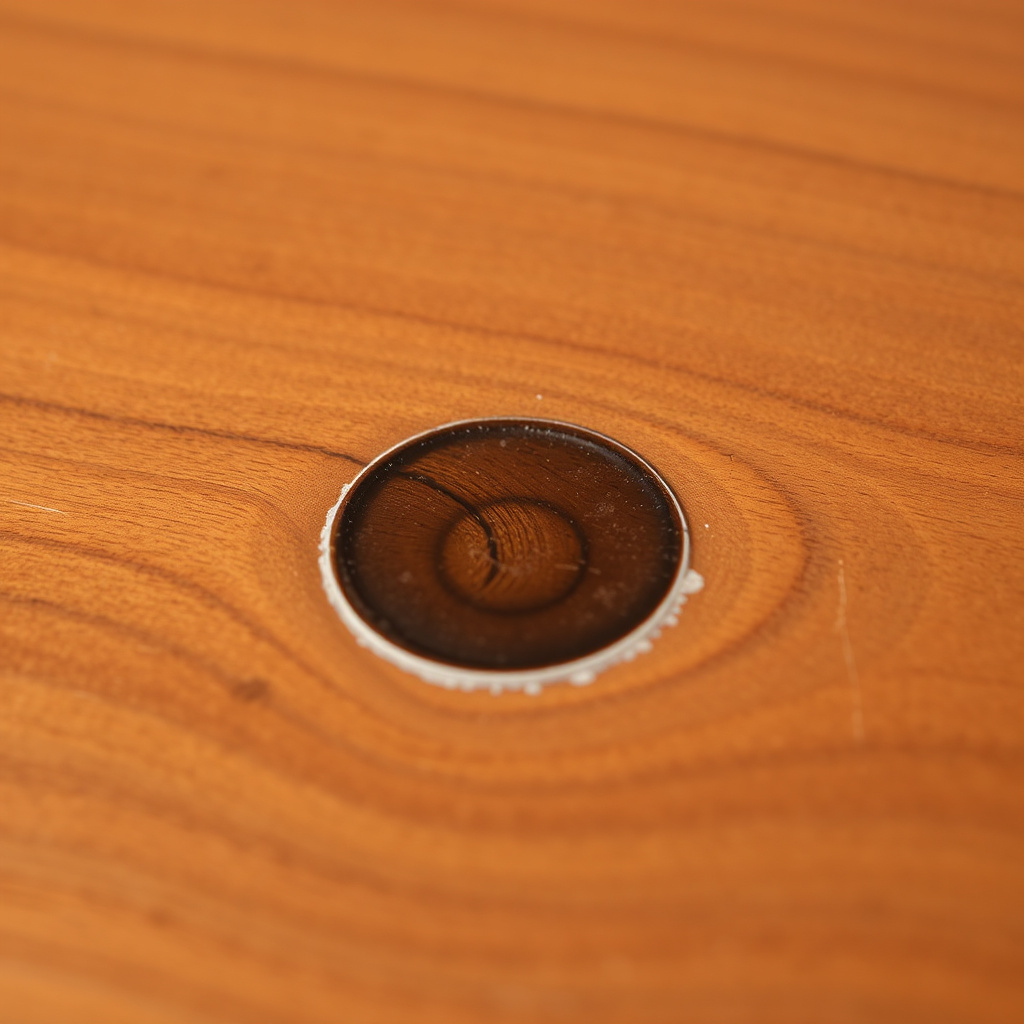
Water stains usually form when moisture penetrates the finish and becomes trapped between the finish and the wood. This trapped moisture causes a white or cloudy discoloration often referred to as a water mark or ring.
The type of finish on the furniture, such as varnish, lacquer, or oil-based, influences how easily water stains appear. Finished surfaces are particularly susceptible because moisture cannot evaporate freely.
Types of Water Stains and Their Severity
Light water stains manifest as white or cloudy spots that typically sit on top of the finish and can often be removed with household methods.
Deeper water damage can cause dark stains or swelling where the wood finish is compromised and moisture has penetrated the wood fibers themselves.
Home Remedies to Remove Light Water Stains
Using Toothpaste and Baking Soda
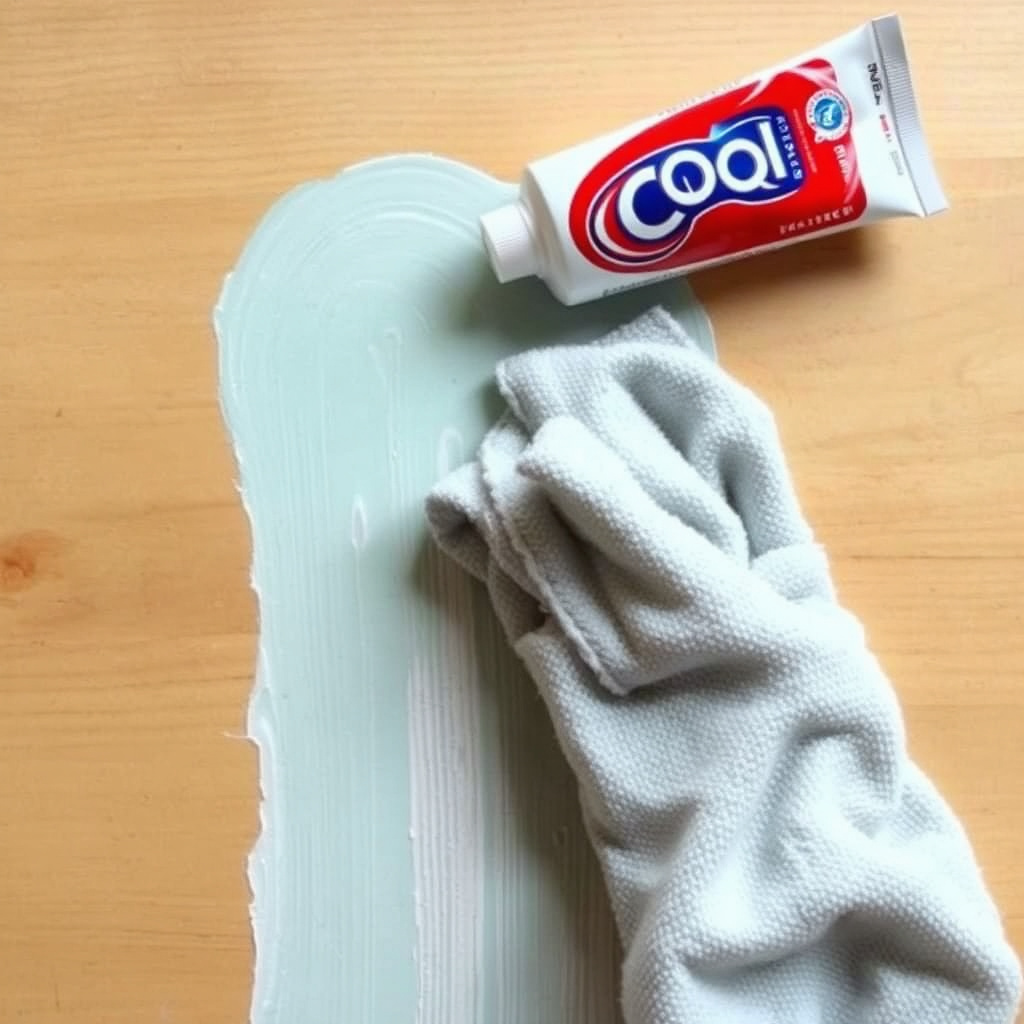
A non-gel toothpaste mixed with baking soda creates a mild abrasive that gently removes cloudy water stains without harming the finish. Apply a small amount to a soft cloth and rub it on the stain in circular motions.
This method works best on light white rings and requires patience to avoid over-scrubbing, which could dull the finish. Wipe clean with a damp cloth and polish afterward.
- Use non-gel, white toothpaste
- Mix with baking soda for best results
- Rub gently in circular motions
- Wipe clean and buff afterwards
Ironing Out Water Stains
A regular clothing iron on low heat can evaporate moisture under the finish. Place a clean cloth over the stain and quickly iron the area in small circles, checking progress frequently.
This heat method is ideal for white, cloudy marks but should be done cautiously to avoid heat damage or warping the wood. Stop once the stain fades.
- Use low heat setting
- Protect furniture with a cloth
- Iron briefly and check often
- Avoid overheating the wood
Oil and Wax Treatments for Water Stains
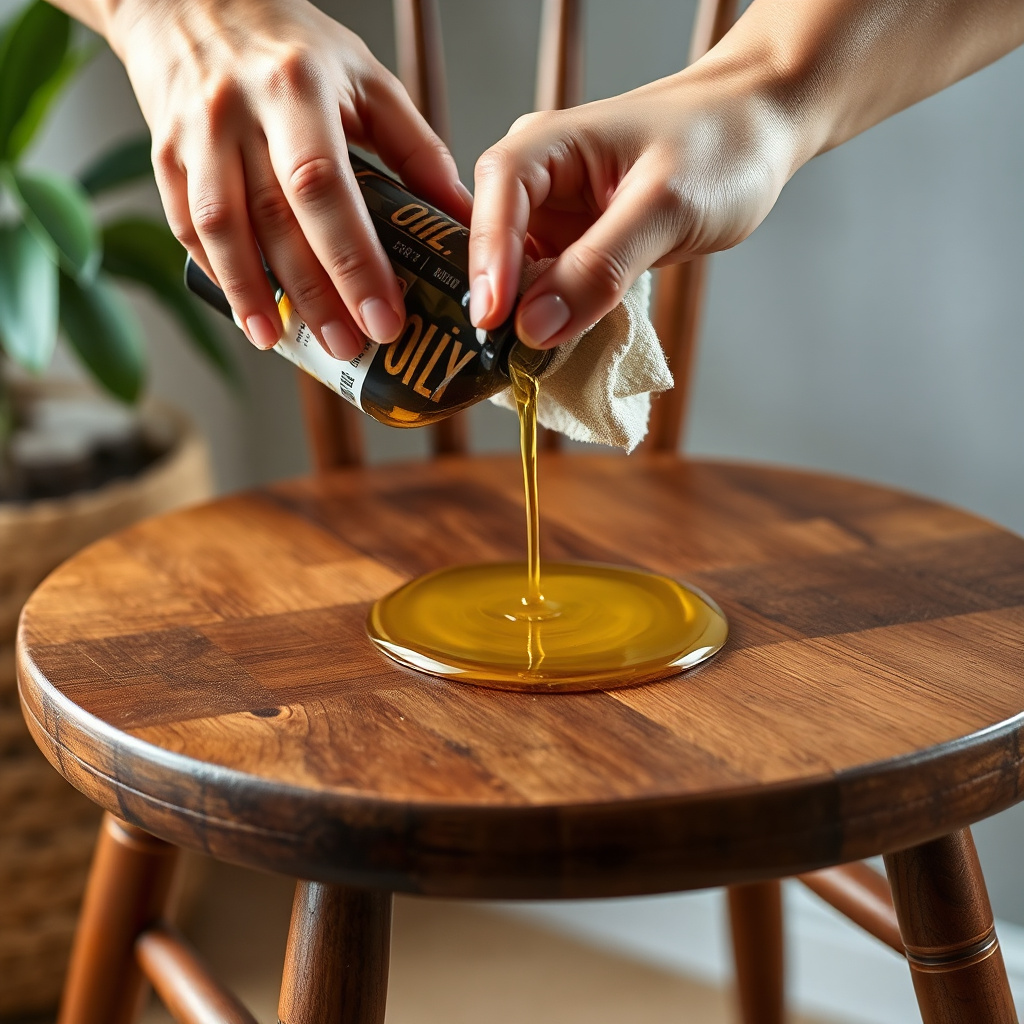
Applying Olive Oil or Mayonnaise
Oils like olive oil or mayonnaise penetrate the finish and wood, helping even out moisture content and reduce the appearance of stains. Rub a small amount into the stain with a cloth and let it sit for several hours or overnight.
This approach can also restore shine and texture, improving the wood’s appearance beyond just stain removal.
- Use extra virgin olive oil or full-fat mayonnaise
- Let it sit for hours or overnight
- Buff excess oil off with a clean cloth
For more on this, see our related guide: How to Pull Out a Couch Bed in 7 Easy Steps.
Using Commercial Wax or Polish
Commercial waxes and furniture polishes often contain oils and fillers that help mask shallow water stains and enhance the wood finish. After cleaning the surface, apply according to product instructions for the best effect.
While wax may not remove deep stains, it helps protect the surface from future moisture and revitalizes the wood’s luster.
Dealing with Deeper or Stubborn Water Stains
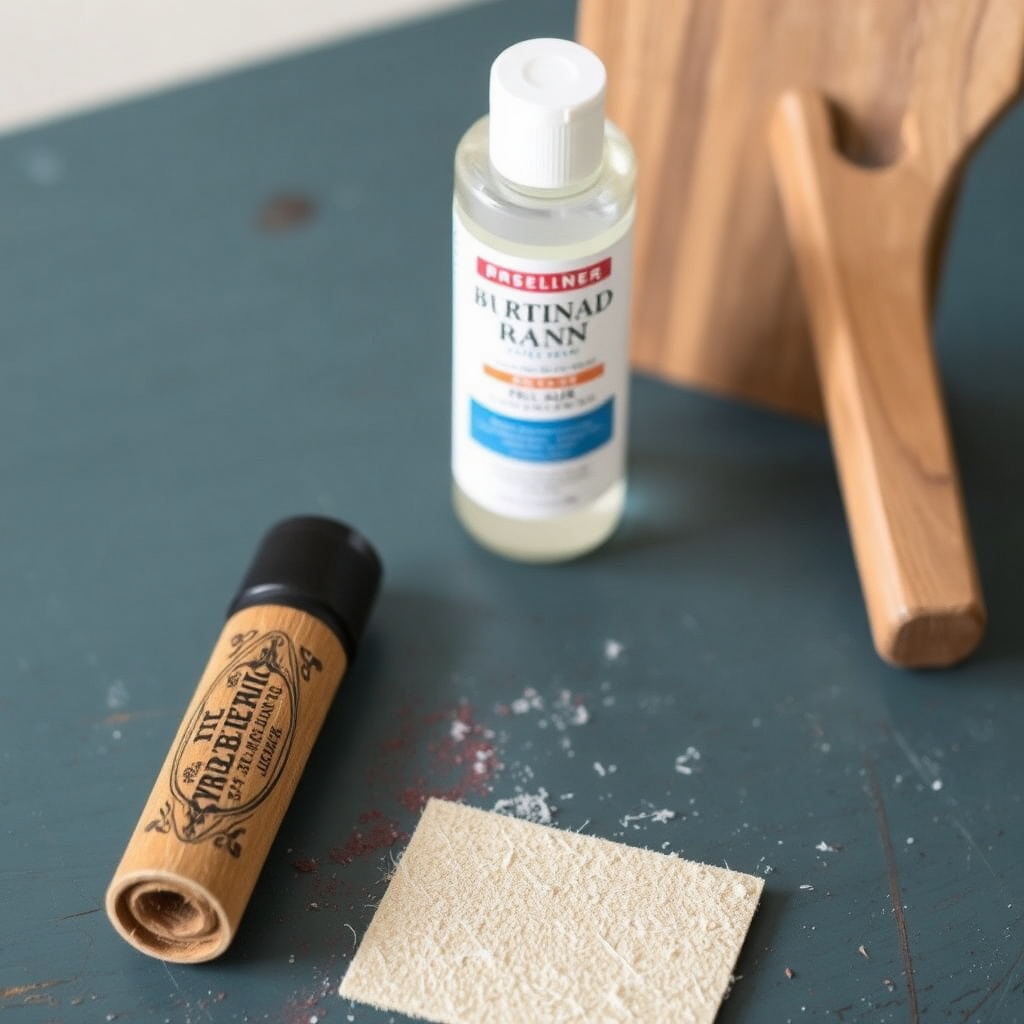
Light Sanding and Refinishing
For stains that have penetrated the finish, light sanding with fine-grit sandpaper can remove the affected area. After smoothing the surface, apply matching wood stain and finish to blend seamlessly.
This approach is more labor-intensive and should be done carefully to avoid uneven surfaces or further damage.
- Use fine-grit sandpaper (220-grit)
- Sand only the stained area lightly
- Apply matching stain and finish
- Allow proper drying between coats
Professional Restoration Options
If DIY attempts fail or the furniture has significant water damage, professional refinishing services can restore the piece properly. Specialists use advanced techniques to strip, repair, and refinish furniture to like-new condition.
This is usually the best choice for valuable antique or heirloom furniture where preserving original material is important.
Preventing Water Stains on Furniture
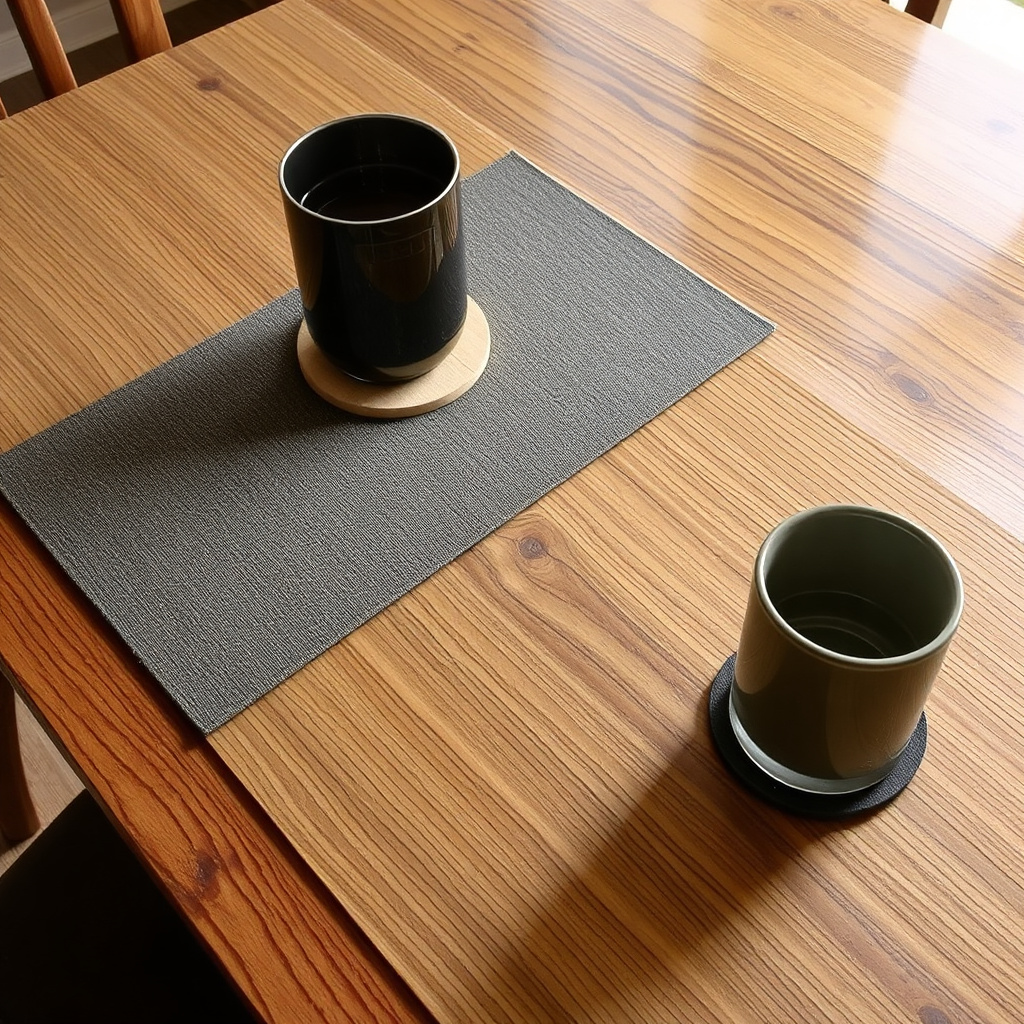
Using Protective Barriers
Simple preventative measures such as coasters, placemats, and tablecloths shield furniture from moisture. Using these daily protects finishes from rings and spills during meals and drink service.
Consistently avoid placing hot pans or wet objects directly on wood surfaces to maintain pristine conditions.
- Always use coasters for drinks
- Use placemats during meals
- Avoid direct contact with hot or wet items
For more on this, see our related guide: How Do You Pull Out a Couch Bed in 5 Easy Steps?.
Maintaining Wood Furniture Finish
Regularly cleaning and polishing wood furniture maintains its protective finish and water resistance. Periodic application of furniture oil or wax replenishes moisture and seals small cracks where water could penetrate.
Good finish maintenance extends furniture lifespan and keeps it looking its best against everyday wear and moisture exposure.
Cleaning and Care Tips After Removing Water Stains
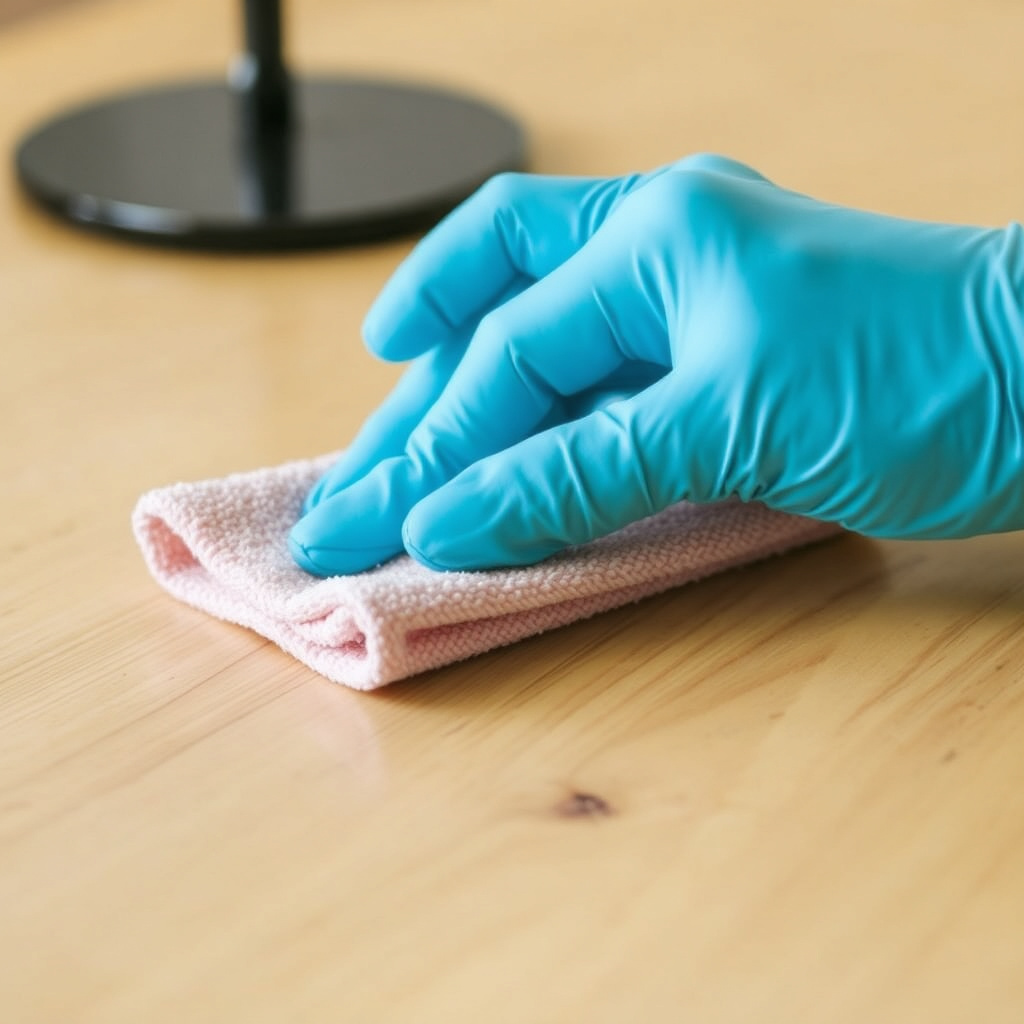
Gentle Cleaning Practices for Wood
After stain removal, keep the wood clean with a soft microfiber cloth and mild wood cleaner to avoid abrasion. Avoid harsh chemicals or excessive water that could cause new damage.
Dry the surface thoroughly after cleaning to prevent moisture absorption beneath the finish.
- Use soft cloths only
- Select gentle, wood-safe cleaners
- Dry furniture immediately after cleaning
For more information on maintaining and caring for wood furniture, refer to this detailed guide on furniture maintenance. wood furniture care.
Routine Inspections for Early Damage
Regularly inspect wood furniture for signs of new water marks early. Addressing spots right away is key to preventing permanent damage.
Keeping an eye on problem areas can help maintain furniture condition and end costly repairs.
Comparison of Methods to Remove Water Stains from Furniture
This table compares popular approaches to removing water stains, highlighting their effectiveness, ease of use, and suited stain severity.
| Method | Effectiveness for Light Stains | Effectiveness for Deep Stains | Ease of Use | Cost |
|---|---|---|---|---|
| Toothpaste & Baking Soda | High | Low | Easy | Low |
| Iron Heat Method | High | Moderate | Moderate | Free |
| Olive Oil / Mayonnaise | Moderate | Low | Easy | Low |
| Sanding & Refinishing | Moderate | High | Hard | Moderate to High |
| Professional Restoration | High | High | Expert | High |
Frequently Asked Questions
Can water stains on furniture be completely removed?
Most light and moderate water stains on wood furniture can be removed with home remedies or light refinishing. Deep stains may require professional restoration to fully restore the surface.
Is it safe to use an iron to remove water stains from wood?
Yes, using an iron on low heat with a cloth barrier is a safe and effective way to remove white water rings, but it must be done carefully to avoid heat damage.
Will oil treatments damage my wood furniture finish?
Properly applied, oils like olive oil or mayonnaise nourish the wood and can reduce water stain appearance without damage. Use sparingly and wipe off excess to avoid buildup.
How can I prevent water stains from forming on wooden furniture?
Always use coasters, placemats, and protective barriers. Regularly polish and maintain the finish to keep surfaces sealed and water-resistant.
When should I call a professional for water stain damage?
If home treatments do not improve deep or widespread water stains, or if the furniture is valuable, professional refinishing can restore the piece safely and effectively.
Key Takeaways
- Water stains form when moisture gets trapped beneath the furniture finish.
- Household methods like toothpaste or gentle heat work well for light stains.
- Deeper stains may require sanding or professional restoration.
- Preventing stains involves using coasters and maintaining wood finishes.
Conclusion
Understanding how to remove water stains from furniture starts with recognizing the type and severity of the stain. Light, cloudy marks typically respond quickly to gentle household fixes like using toothpaste or applying controlled heat with an iron to evaporate trapped moisture. For deeper or aged water damage, sanding and refinishing may be required to restore the finish thoroughly. Prioritizing care and prevention by using protective barriers and regularly maintaining the wood finish can minimize stain occurrence and prolong your furniture’s lifespan.
If you have a lightly stained piece, try home remedies such as toothpaste mixed with baking soda or an oil like mayonnaise for a natural approach. For white rings, the iron heat method can be surprisingly effective if applied carefully. Deeper stains that do not improve with these methods often call for sanding and refinishing or hiring a professional restoration service, particularly if the furniture is valuable or an heirloom. These options demand more time and know-how but yield durable, attractive results.
In practical terms, start with the least invasive method suitable for the stain severity. Test any treatment in an inconspicuous spot before full application to avoid unintended damage. Maintain your furniture regularly by cleaning gently and using coasters moving forward. This combination of removal techniques and preventive care will keep your wood furniture looking its best and free from water stains.