How to Remove Water Rings from Furniture: Proven Methods That Work
Water rings on furniture are a frustrating common problem, but removing them is often simpler than it seems. The best way to remove water rings from furniture involves household items like toothpaste, baking soda, or iron heat methods that gently lift the moisture mark without damaging the wood finish. Acting quickly and choosing the right method based on your furniture’s type is key.
Water rings form when water or other liquids penetrate the protective finish of wood furniture, causing cloudy or white marks. These blemishes not only harm the appearance but can also lower the piece’s value. Understanding how to treat such stains helps protect your investment and keeps your furniture looking fresh and well-maintained.
This guide covers several practical methods for removing water rings from furniture, from simple DIY home remedies to careful heat application. It also highlights preventive measures, types of finishes and their sensitivities, and product recommendations to help maintain your wood surfaces effectively.
Identifying Water Rings and Wood Finishes

Common Causes of Water Rings
Water rings happen when liquid seeps under the surface of a wood finish, trapping moisture that disrupts the finish’s clarity. This often occurs from placing cold or wet glasses, spilled drinks, or humid conditions that cause condensation. These rings appear as white or cloudy spots signifying trapped moisture beneath the top layer.
Knowing the cause helps choose the right removal method. For instance, rings from fresh moisture may respond well to quick drying techniques, while older stains may need gentle abrasion or heat to diffuse the trapped water.
Understanding Wood Finish Types
Different wood finishes like lacquer, polyurethane, shellac, and varnish react differently to water rings and cleaning attempts. Shellac finishes are more sensitive and can be damaged by harsh chemicals or excessive moisture, while polyurethane is more durable but still vulnerable to heat damage.
Before applying any treatment, identify the finish type to avoid worsening the problem. Testing any removal method on an inconspicuous spot ensures the approach won’t discolor or degrade the finish.
- Lacquer: Quick drying but brittle finish
- Polyurethane: Durable, water-resistant
- Shellac: Sensitive to water and alcohol
- Varnish: Hard finish, moderate tolerance
DIY Home Remedies for Removing Water Rings
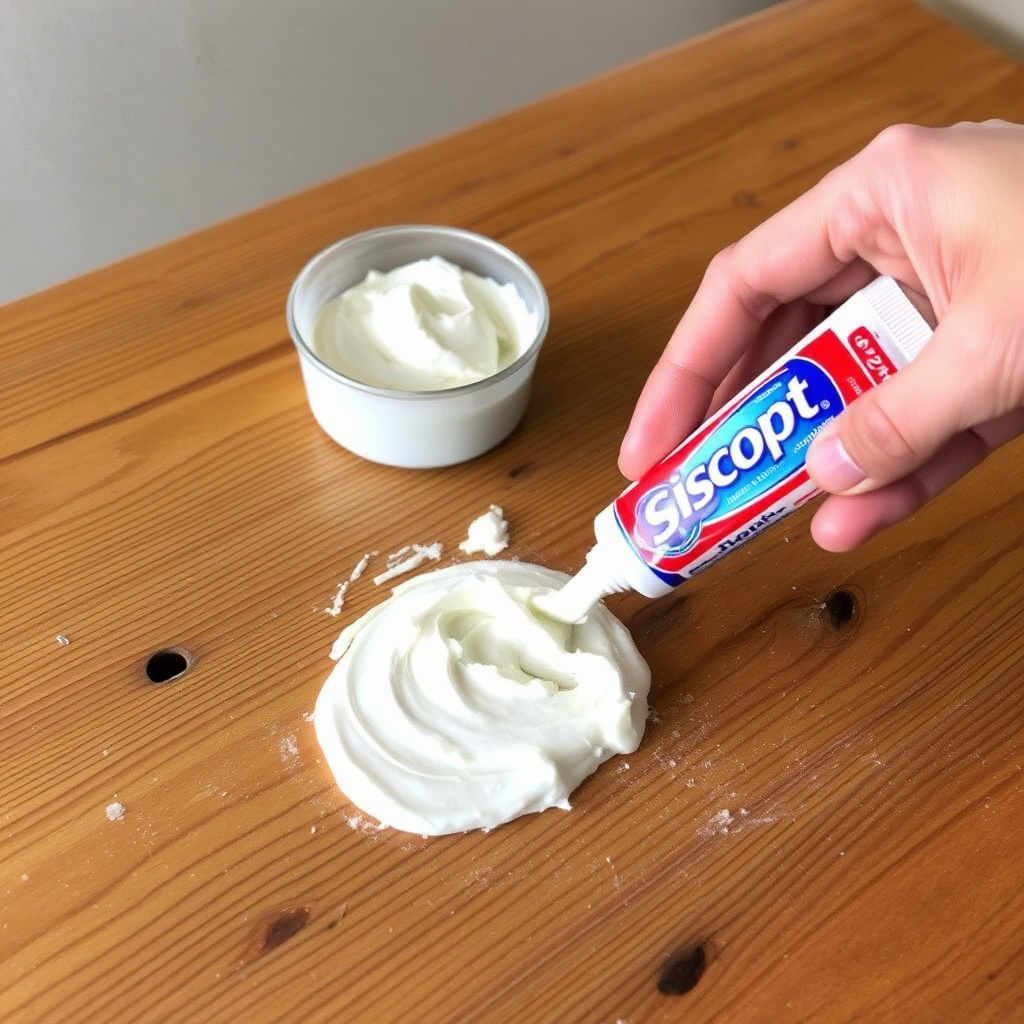
Using Toothpaste and Baking Soda
A common and gentle method mixes non-gel white toothpaste with baking soda to form a mild abrasive paste. Applying this paste with a soft cloth over the water ring rubs away the cloudy film without harming the wood.
Work in small circular motions, then wipe clean with a damp cloth and dry immediately. This method is effective for shallow rings and won’t require special tools.
- Use plain white toothpaste, no gels
- Mix equal parts baking soda and toothpaste
- Apply gently in circular motions
- Wipe off residue and dry surface
Iron Heat Method
The iron method uses controlled heat to evaporate trapped moisture inside the finish layers. Cover the affected area with a clean cloth, then gently run a warm (not hot) iron over it for brief intervals.
This process gradually lifts out water without damaging the surface if done carefully. It’s particularly useful for persistent rings that don’t respond to abrasive remedies, but overdoing it can cause discoloration or further damage.
- Set iron to a low/medium temperature
- Keep a cloth between iron and wood
- Apply heat in 10-second bursts
- Check progress often to avoid damage
Commercial Products and Chemical Treatments
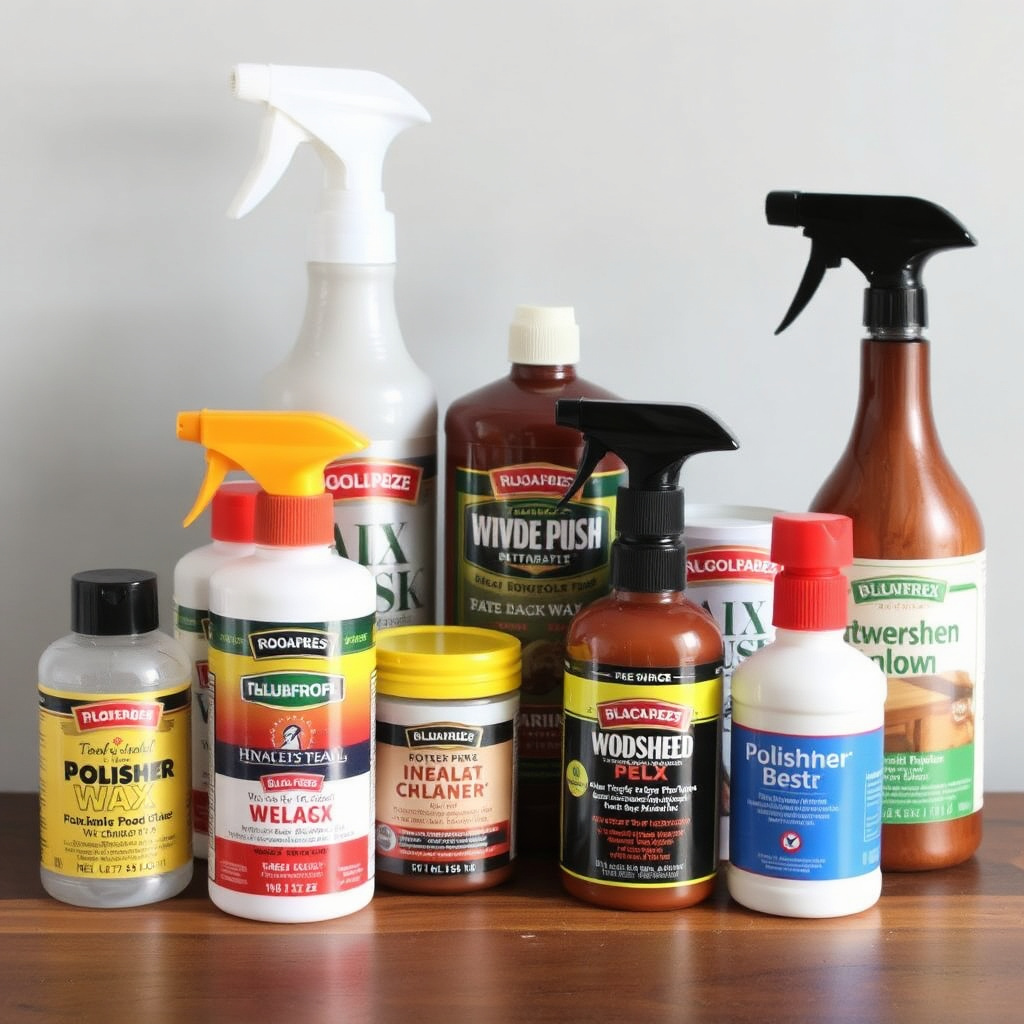
Using Wood Polish and Scratch Cover
Wood polishes and scratch cover products can mask minor water rings by blending the affected area with the surrounding finish. These formulations contain oils, waxes, and pigments that restore shine and minimize visibility.
They work best for light surface damage and provide maintenance benefits after ring removal. Regular application helps protect wood surfaces from future moisture marks.
- Choose polish matched to your wood finish
- Apply with a soft cloth in the grain direction
- Buff to a shine after absorption
For more on this, see our related guide: 5 Price Ranges to Know: How Much for a Couch.
Chemical Wood Stain Removers
Some specialized stain removers can break down mineral deposits causing white water rings. Products with oxalic acid or wood bleach offer more intensive treatment options for stubborn marks.
Use these cautiously, following manufacturer instructions closely. Test first, as chemicals can alter wood color or harm finishes if misused.
- Follow product safety guidelines
- Test on hidden area first
- Neutralize and clean after application
Preventing Water Rings on Wood Furniture
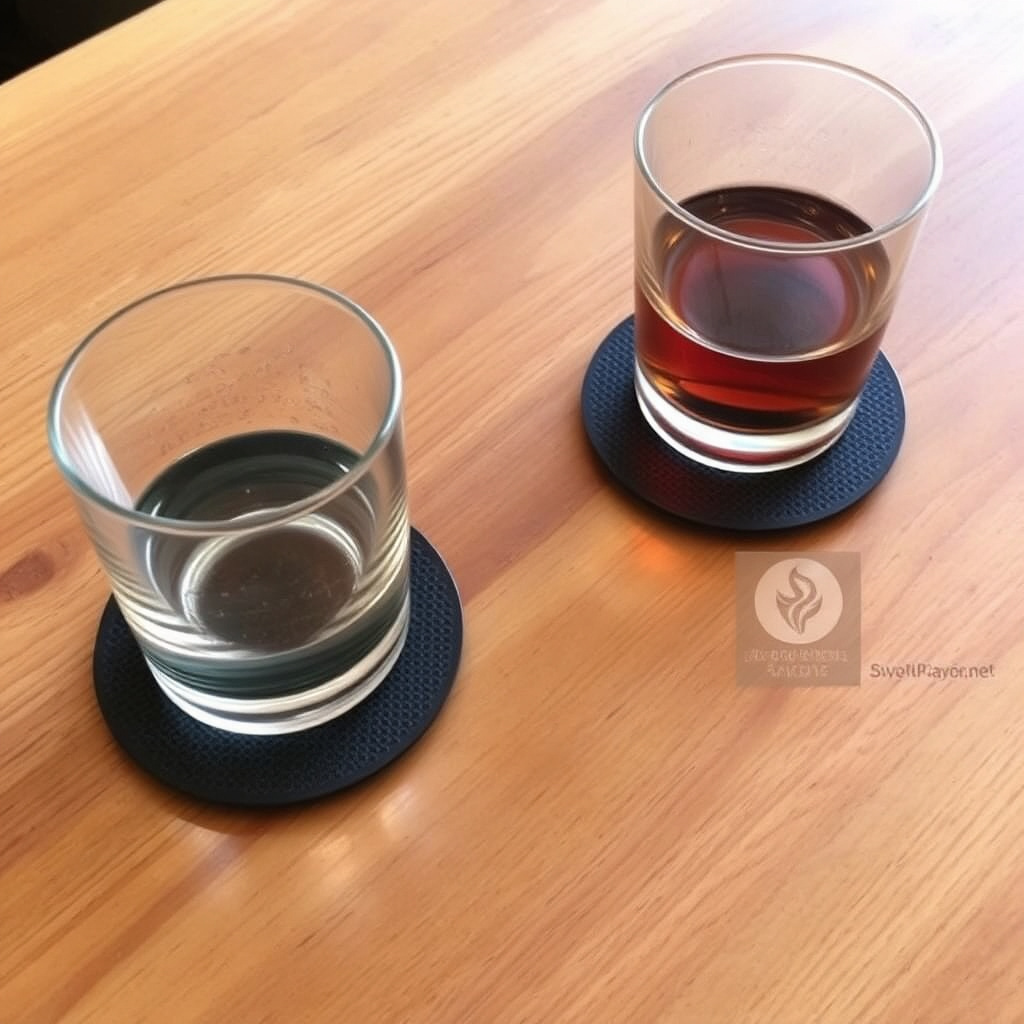
Using Protective Barriers
The easiest way to avoid water rings is by placing coasters, trivets, or protective mats under cups and bottles. These create a physical barrier preventing moisture contact with wood surfaces.
Using tablecloths or placemats during meals and avoiding direct contact with condensing liquids keep your furniture looking new longer and reduce cleaning effort.
- Coasters for drinks
- Trivets for hot dishes
- Use placemats during meals
Environmental Controls
Controlling humidity levels in rooms with wood furniture reduces condensation that leads to water rings. Using dehumidifiers and maintaining stable indoor temperature help protect finishes from moisture damage.
Regular dusting and prompt cleanup of spills also prevent water absorption and extend the lifespan of wood surfaces.
- Maintain 40-60% indoor humidity
- Clean spills immediately
- Dust furniture weekly
Professional Repair and Refinishing Options
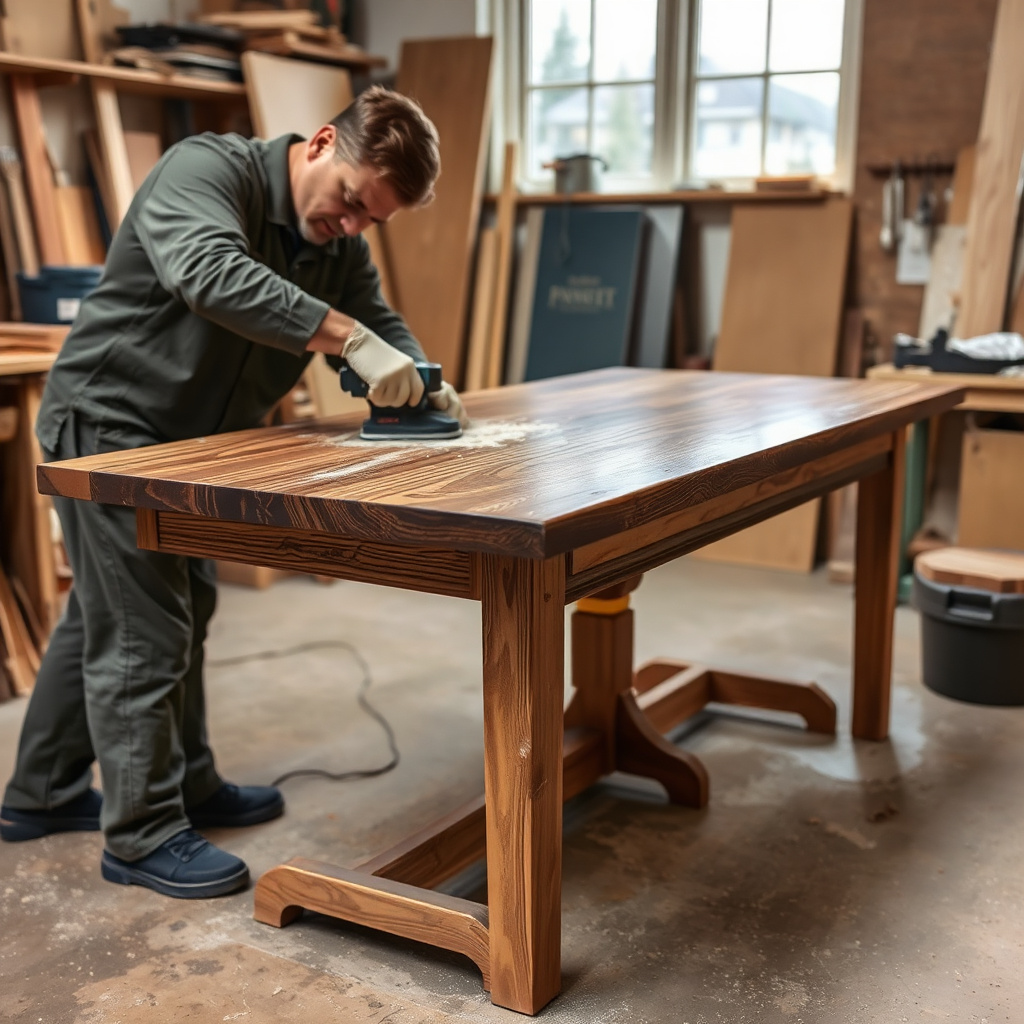
When to Seek Professional Help
If water rings have deeply penetrated the wood or DIY methods fail to remove them, professional refinishing becomes necessary. Experts can sand down the affected area and apply new finishes matching the original surface.
Choosing professional repair ensures no further damage occurs and preserves the furniture’s aesthetic and value, especially for antique or high-end pieces.
For more on this, see our related guide: How Wide Is a Queen Bed in Cm?.
Types of Refinishing Techniques
Refinishing includes sanding, staining, sealing, and applying protective coatings. Professionals select techniques based on the wood type, existing finish, and extent of the water damage.
Custom stains can restore color consistency, while top coats enhance moisture resistance moving forward.
- Sanding removes damaged finish layers
- Staining restores color uniformity
- Sealing protects from future moisture
Maintaining Wood Furniture After Water Ring Removal
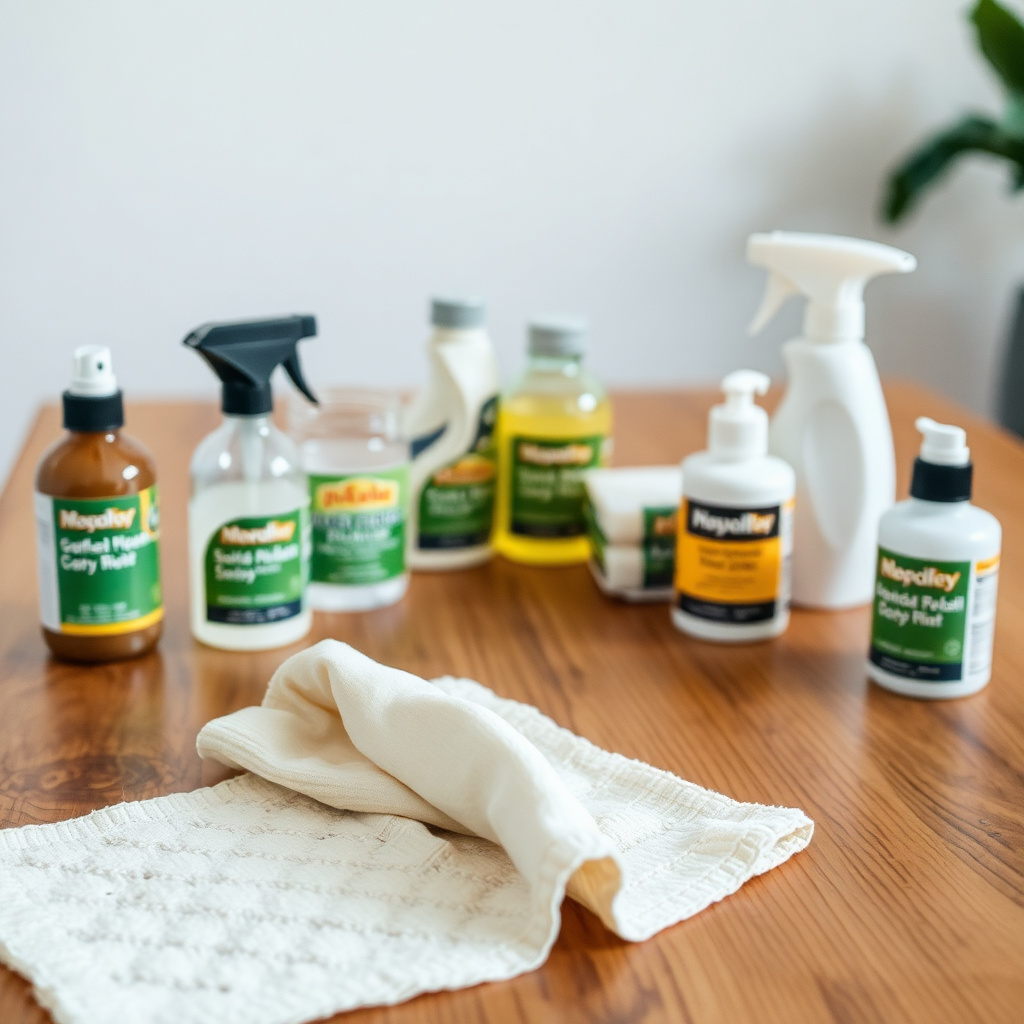
Routine Cleaning and Conditioning
After removing water rings, keep wood healthy by cleaning with mild soap solutions and applying wood conditioners regularly. These treatments replenish natural oils and prevent drying or cracking.
Avoid harsh chemicals or abrasive cleaners that can strip finishes. Gentle dusting also helps maintain luster and prevents dirt buildup.
- Clean with damp cloth and mild soap
- Apply conditioner every 3-6 months
- Use soft cloths for dusting
For more details about different wood finishes, visit this comprehensive overview of wood finishing types. wood finishing types explained.
Regular Inspection for Damage
Inspect wood furniture frequently for early signs of moisture damage or fading. Early detection allows for quick intervention before major refinishing is needed.
Listen for changes in texture, discoloration, or feel of the surface and address issues promptly through targeted cleaning or professional advice.
- Check monthly for stains and cracks
- Address small problems early
- Consult a professional as needed
Comparison of Water Ring Removal Methods
Here’s a quick comparison of popular methods to remove water rings from furniture, evaluating their effectiveness, cost, and risk to finishes.
| Method | Effectiveness | Cost | Surface Safety | Ease of Use |
|---|---|---|---|---|
| Toothpaste & Baking Soda | High for light rings | Very Low | Safe on most finishes | Easy |
| Iron Heat Method | Moderate to High | Low | Medium risk if overheated | Moderate |
| Wood Polish/Scratch Cover | Moderate cosmetic | Low to Medium | Very Safe | Easy |
| Chemical Stain Removers | High for stubborn stains | Medium to High | Risky if misused | Moderate |
| Professional Refinishing | Very High | High | Safe when done professionally | Requires expert |
Frequently Asked Questions
Can I use mayonnaise to remove water rings from furniture?
Mayonnaise can help remove shallow water rings as its oils penetrate the finish, but it works best on fresh stains. Apply a small amount, let it sit, then buff gently.
Are all toothpaste types safe for wood water ring removal?
Only plain white toothpaste without gels or added whitening agents should be used. Colored or gel toothpastes may contain dyes that stain the wood.
Will sanding remove water rings from wood furniture?
Yes, sanding can remove deep water rings but is a more aggressive method that may require refinishing afterward. It’s usually reserved for severe damage or professional repair.
How long does the iron heat method take to remove water rings?
Typically, you’ll see improvement after several 10-second iron applications with breaks to check progress. The total time varies with ring depth but generally ranges from one to five minutes.
What causes white water rings on wood furniture?
White water rings form when moisture penetrates the wood’s finish, causing a cloudy or milky appearance due to trapped water vapor beneath the surface.
Key Takeaways
- Water rings appear from trapped moisture disrupting wood finish clarity.
- Gentle home remedies like toothpaste and heat can often remove rings safely.
- Always identify finish type before applying treatment to avoid damage.
- Prevent water rings by using coasters and controlling indoor humidity.
Conclusion
Removing water rings from furniture centers on understanding the nature of the stain and the finish protecting the wood. With several proven methods available—from simple household mixtures like toothpaste and baking soda to more controlled heat treatment—most water rings can be addressed without professional help. Maintaining care during treatment to avoid harsh abrasives or excessive heat helps preserve the wood’s look and longevity. Choosing the right approach involves recognizing whether the ring is superficial or embedded deeper, with less invasive techniques always preferable as a first step.
For quick fixes, spreading a baking soda and toothpaste paste gently over a light ring often restores the surface effectively. When water damage is older or more stubborn, using the iron heat method carefully can evaporate trapped moisture inside the finish. For persistent or extensive stains, commercial wood polish or stain removers may provide better cosmetic results. In cases where home remedies fail or when dealing with antiques and valuable furniture, professional refinishing is the safest route to bring furniture back to its original beauty.
A practical next step if you find water rings on your furniture is to identify the wood finish type and try the toothpaste and baking soda method on a hidden area first. Remember to protect your furniture proactively with coasters and controlled indoor humidity. Over time, attentive maintenance and prompt treatment will keep your wood pieces looking their best, minimizing the chance of permanent water rings or other moisture damage.