How to Protect Teak Outdoor Furniture for Long-lasting Beauty
Protecting teak outdoor furniture starts with proper cleaning and application of suitable protective coatings that preserve its natural oils and prevent weather damage. Regular care maintains teak’s strength and its attractive golden hues, guarding against moisture, UV rays, and dirt accumulation.
Because teak wood contains natural oils that make it resistant to rot and insects, it’s a favorite for outdoor use. However, exposure to sun and rain still leads to gradual color fading and surface wear if left untreated. Taking preventive action can extend the furniture’s lifespan and keep it visually appealing.
This article will guide you through essential methods for protecting teak furniture, including effective cleaning techniques, protective finishes, storage tips, and ongoing care routines. By following these steps, you can enjoy your teak pieces outdoors for many years without sacrificing their integrity or look.
Understanding Teak Wood Characteristics

Natural Oils and Durability
Teak wood’s natural oils make it sturdy and resistant to moisture, fungi, and insects, which is why it’s highly regarded for outdoor furniture. These oils provide a protective barrier that reduces the need for chemical treatments compared to other woods.
Despite this durability, the oils can diminish over time due to sun exposure and rain, making routine maintenance necessary to uphold teak’s qualities and prevent drying or cracking.
How Teak Changes Outdoors
Unprotected teak gradually turns a silver-gray patina as UV rays break down the wood’s surface and natural color pigments. While this aging process doesn’t harm structural strength, many prefer to maintain the wood’s original warm honey tone.
Environmental factors, such as humidity and temperature fluctuations, can also cause mild surface checks or warping if the furniture isn’t properly cared for or stored during extreme weather.
Cleaning Your Teak Outdoor Furniture
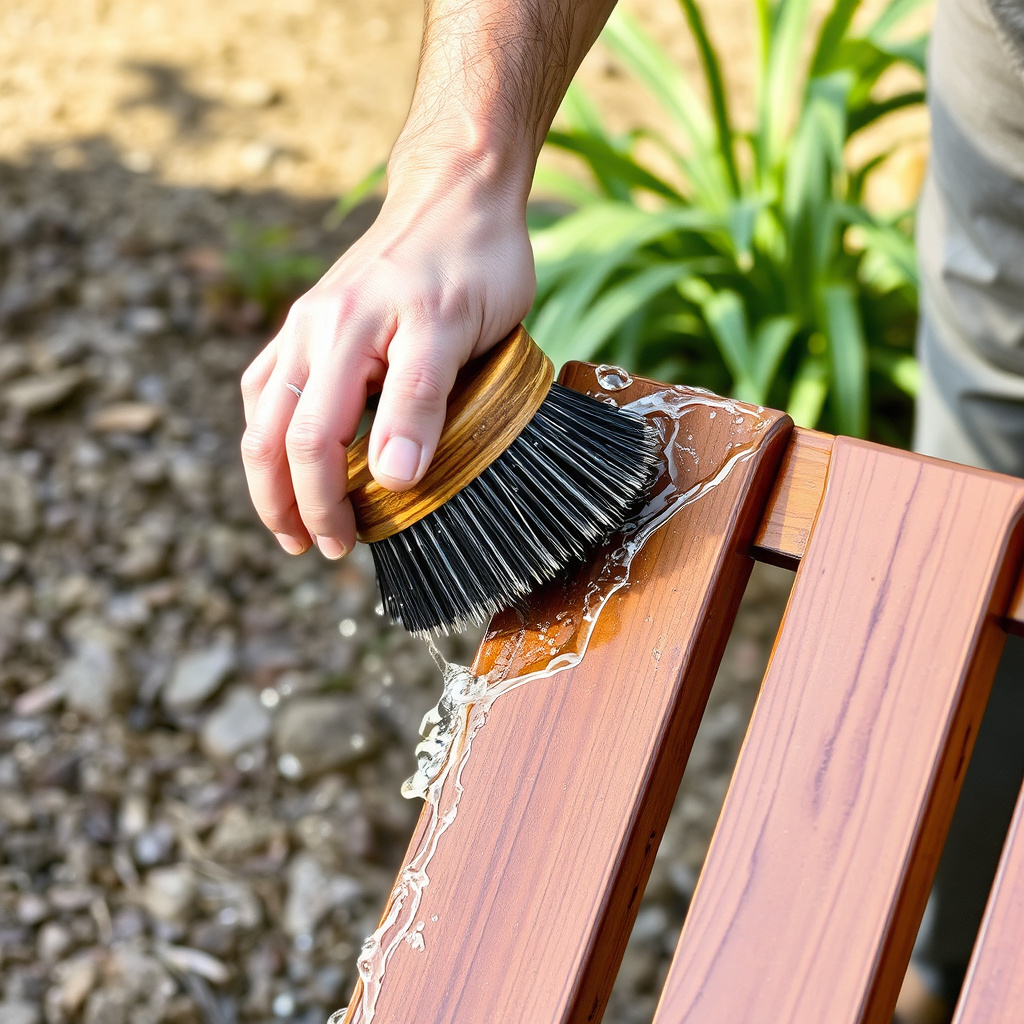
Routine Cleaning Practices
Regular cleaning prevents build-up of dirt, pollen, and mildew on teak surfaces. Use a soft brush or sponge with mild soapy water to gently remove debris without stripping the wood’s natural oils.
Avoid harsh chemicals or pressure washing, as these can damage the fibers and accelerate wear. After cleaning, rinse thoroughly with clean water and allow the furniture to dry completely before further treatment.
- Use mild dish soap or wood-specific cleaner
- Brush along the grain to avoid surface scratches
- Rinse to remove all cleaning residue
Dealing with Stubborn Stains
For tougher stains like bird droppings or mold, a teak cleaner formulated to lift contaminants without harming oils can be applied. Gently scrub with a soft bristle brush and rinse well afterward.
Avoid bleach or acidic cleaners, which degrade the wood and remove the desirable natural color, leading to premature graying or surface damage.
Applying Protective Finishes on Teak Furniture

Using Teak Oil for Protection
Applying teak oil revitalizes the wood’s natural oils, enhancing its color and providing a layer that repels moisture. This finish penetrates the grain, helping to prevent drying out and surface cracks.
Teak oil needs to be reapplied periodically, typically once or twice a year depending on exposure, to maintain effectiveness. Always work on clean, dry surfaces and wipe off excess oil to avoid a sticky residue.
- Choose pure teak oil without added solvents
- Apply thin coats with a lint-free cloth
- Allow sufficient drying time before use
For more on this, see our related guide: 3 Essential Tips How to Choose a Dining Table.
Sealants and Varnishes
Clear sealants or marine-grade varnishes create a protective film on teak, shielding against UV damage and water infiltration. These finishes often require sanding between coats for optimal adhesion and a smooth appearance.
While sealants extend protection, they alter teak’s natural texture and may require more frequent maintenance. Choose a product specifically designed for outdoor teak to ensure compatibility and durability.
Storing and Covering Teak Furniture

Proper Storage Techniques
When not in use, especially during harsh winter months or prolonged wet seasons, storing teak furniture in a dry, ventilated area reduces exposure to moisture and extreme temperature swings that accelerate wear.
Elevate pieces off the ground to prevent damp contact and avoid stacking heavy items on top, which can deform or damage the wood structure.
- Use indoor storage or a garage when possible
- Ensure good airflow to prevent mold or mildew
- Avoid plastic covers that trap moisture
Choosing Protective Covers
If indoor storage isn’t available, select breathable weather-resistant covers designed for outdoor wood furniture. These should block rain and debris but allow moisture vapor to escape, reducing the risk of mold growth and wood swelling.
Check and air out covered furniture periodically to prevent trapped dampness that can accelerate deterioration.
Routine Maintenance and Repair Tips

Regular Inspection and Care
Inspect teak furniture every few months for signs of surface damage, such as scratches, cracks, or loose joints. Early identification allows for timely repairs that prevent further degradation.
Light sanding with fine-grit sandpaper helps smooth out rough spots and prepares the surface for oiling or sealing treatments, extending the life of the furniture.
- Check hardware and tighten screws as needed
- Clean and treat surfaces seasonally
- Avoid dragging furniture to prevent leg damage
Restoring Weathered Teak
If teak has faded significantly or developed a rough texture, use a teak brightener to restore color vibrancy. Brighteners neutralize grime and open wood pores for better oil absorption.
Follow up with thorough cleaning and a fresh application of teak oil or sealant to protect the rejuvenated surface.
Environmental Factors Influencing Teak Care

Sun Exposure Effects
Intense sunlight accelerates the breakdown of teak’s surface oils and color pigments, leading to that typical silver-gray patina and potential surface drying.
Placing furniture in shaded areas or using umbrellas can slow this aging effect, reducing the frequency of maintenance treatments required.
For additional technical insight on teak wood’s properties, visit the detailed Teak wood page on Wikipedia. Teak wood details on Wikipedia.
Impact of Humidity and Rain
High humidity and frequent rainfall can saturate the wood over time. While teak resists rot, prolonged wetness can promote mold or mildew growth on the surface and degrade untreated finishes.
Ensuring proper drainage around furniture and choosing protective finishes helps mitigate moisture damage and keeps the wood dry between rainfalls.
Comparison of Protective Methods for Teak Outdoor Furniture
This table compares common protective treatments for teak outdoor furniture based on durability, appearance impact, maintenance frequency, and water resistance.
| Treatment Type | Durability | Effect on Appearance | Maintenance Frequency | Water Resistance |
|---|---|---|---|---|
| Natural Teak Oil | 6-12 months | Enhances natural color | Reapply 1-2 times/year | Moderate |
| Clear Sealant | 12-24 months | Glossy, slightly altered texture | Reapply annually | High |
| Teak Varnish | 12+ months | Shiny finish, changes texture | Requires sanding between coats | Very High |
| No Treatment (Natural Weathering) | N/A | Turns silver-gray patina | None | Low |
| Teak Brightener + Oil | 6-12 months | Restores color then enhances | Reapply 1-2 times/year | Moderate |
Frequently Asked Questions
Can teak furniture be left outdoors year-round?
Yes, teak is naturally durable and weather-resistant; however, to maintain its appearance and prevent deterioration, occasional cleaning and protective treatment are recommended.
Is it necessary to apply teak oil regularly?
Applying teak oil helps maintain the wood’s natural oils and color but isn’t mandatory for structural integrity. Regular application every 6 to 12 months enhances durability and appearance.
How do I prevent mold or mildew on teak furniture?
Keep furniture clean and dry, store in well-ventilated areas or use breathable covers, and avoid trapping moisture to reduce mold growth on teak surfaces.
What’s the best way to restore faded teak furniture?
Use a teak brightener to lift stains and restore the natural color followed by a fresh application of teak oil or sealant to protect the refreshed surface.
Will using harsh cleaners damage my teak furniture?
Harsh chemicals can strip natural oils and damage teak fibers, leading to premature aging. Mild soap and teak-specific cleaners are safer and more effective.
Key Takeaways
- Clean teak furniture regularly with mild soap to preserve natural oils
- Apply teak oil or sealants to maintain color and protect from moisture
- Store or cover furniture properly to reduce environmental wear
- Restore faded wood using teak brighteners before re-oiling
Conclusion
Protecting teak outdoor furniture involves understanding the wood’s natural qualities and how environmental factors influence its condition. A balanced maintenance routine, combining regular cleaning with appropriate protective finishes, safeguards the wood’s strength and beauty over time. Prioritizing gentle cleaning and moisture management prevents damage and extends the functional life of your teak pieces.
Choosing between natural teak oil, sealants, or varnishes depends on your desired look and maintenance willingness. Natural teak oil is ideal for enhancing the warm tones and preserving the original texture with moderate upkeep, while sealants and varnishes offer stronger protection at the cost of altering the finish. Regular inspections and timely restorations with brighteners help keep outdoor teak furniture appealing, especially after prolonged exposure to sun and rain.
For anyone with teak furniture outdoors, adopting a consistent care approach is the simplest way to enjoy its elegance and durability. Begin by assessing your furniture’s current state, then select a cleaning and protection method suited to your climate and aesthetic preference. Over time, treating teak with respect will reward you with lasting charm and resilience.