How to Refinish Metal Patio Furniture: Step-by-Step Guide for a Fresh Outdoor Look
Refinishing metal patio furniture involves cleaning off rust, sanding the surface smooth, priming, and applying fresh paint designed for outdoor metal. This process revitalizes worn pieces, protecting them from weather damage and restoring their appearance effectively. How to Refinish Metal Patio Furniture.
Outdoor metal furniture faces harsh conditions like rain and sun exposure, which can cause paint to chip and metal to rust over time. Refinishing not only improves the furniture’s look but also extends its usability, making your patio more inviting.
In this article, you’ll find a detailed walkthrough on how to strip old paint and rust, choose the right materials, and apply paint properly. We’ll cover essential tools, preparation tips, and finishing touches that will make your metal patio furniture look great season after season.
Preparing Your Metal Patio Furniture for Refinishing

Cleaning and Removing Rust
Begin by scrubbing the furniture with soap and water to remove dirt, debris, and grease. Use a stiff brush or sponge to get into crevices. After drying, tackle any rust spots with a wire brush or steel wool to remove loose corrosion.
For stubborn rust patches, apply a rust remover or a vinegar soak for a short period, then scrub again. Thorough rust removal is essential to prevent further deterioration and to help the new paint adhere properly.
- Use a garden hose or pressure washer for an initial rinse
- Let furniture dry completely before sanding
Sanding and Surface Preparation
Sand the entire surface with medium-grit sandpaper (around 120 grit) to scuff the old paint and smooth rough spots. This creates a better surface for primer and paint to stick to, preventing peeling later.
After sanding, wipe down the furniture with a tack cloth or damp rag to remove all dust and particles. Proper surface prep reduces imperfections and improves the longevity of your refinishing job.
- Focus on edges and curves where paint tends to chip
- Avoid sanding too aggressively to prevent metal thinning
Choosing the Right Products for Refinishing Metal Patio Furniture

Selecting the Best Paint for Metal Outdoor Furniture
Choose a rust-inhibiting primer followed by either an oil-based enamel paint or a spray paint specifically labeled for outdoor metal use. These paints offer durability against weather elements and resist chipping.
Color choice is mostly personal, but lighter shades tend to show less heat and fading. Selecting high-quality, weather-resistant paint protects the metal and keeps your furniture looking fresh longer.
- Look for rust preventative properties
- Consider paint with UV protection
Primers and Sealants Explained
Primers help paint bond securely and provide an additional protective layer against moisture and rust. Use a primer formulated for metal surfaces to ensure compatibility and performance.
After painting, applying a clear sealant or topcoat adds extra durability, especially in high-use or exposed areas. Sealants also enhance the finish by reducing fading and peeling.
- Apply primer in thin, even coats
- Sealants come in matte or glossy finishes
Applying Primer and Paint to Metal Patio Furniture
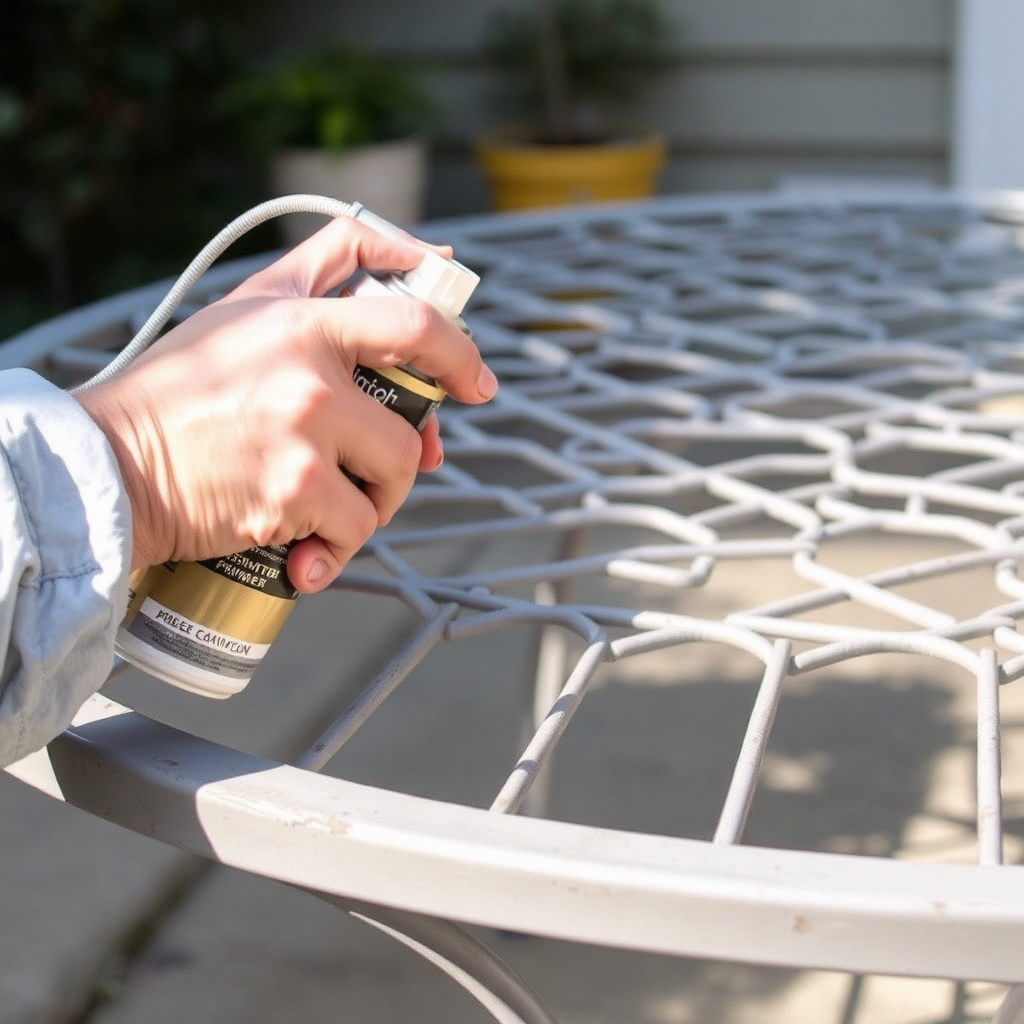
Techniques for a Smooth Primer Application
Apply primer outdoors or in a well-ventilated space on a dry, calm day to avoid dust and debris settling. Use either a spray can or a brush, applying thin, even coats and allowing the recommended drying time between layers.
Avoid heavy coats that can drip or sag. Several thin coats are better than one thick layer to ensure uniform coverage and proper adhesion of paint.
- Hold spray can about 8-12 inches from surface
- Use light, sweeping motions for even coverage
Painting Tips for Lasting Results
Once the primer is dry, apply the paint with smooth, consistent strokes, following the same approach as the primer application. Multiple thin coats are key to durability and minimal texture.
Allow adequate drying time between coats based on the paint manufacturer’s instructions. If using spray paint, shake the can frequently to prevent clogging and uneven coverage.
- Paint in a dust-free environment
- Protect surrounding areas with drop cloths
Drying, Curing, and Maintenance Post-Refinishing

Proper Drying and Curing Times
Let the refinished furniture dry fully, which may take several hours to a day depending on temperature and humidity. Curing times can span several days before furniture can be used to avoid damaging the new finish.
Avoid stacking or moving pieces prematurely. Monitor manufacturer instructions closely for both primer and paint curing recommendations to ensure a long-lasting finish.
- Ideal conditions: 70-85°F and low humidity
- Keep pieces covered from rain during curing
Routine Care to Extend Furniture Life
Once refinished, maintain your metal patio furniture by cleaning it regularly and touching up any scratches promptly. Cover furniture or store indoors during harsh weather to preserve the paint and metal integrity.
Applying a fresh clear sealant yearly can boost protection. Avoid abrasive cleaning tools that might damage the paint surface.
- Wipe down with mild detergent and water
- Avoid harsh chemicals or pressure washing
Safety Tips and Common Issues to Avoid
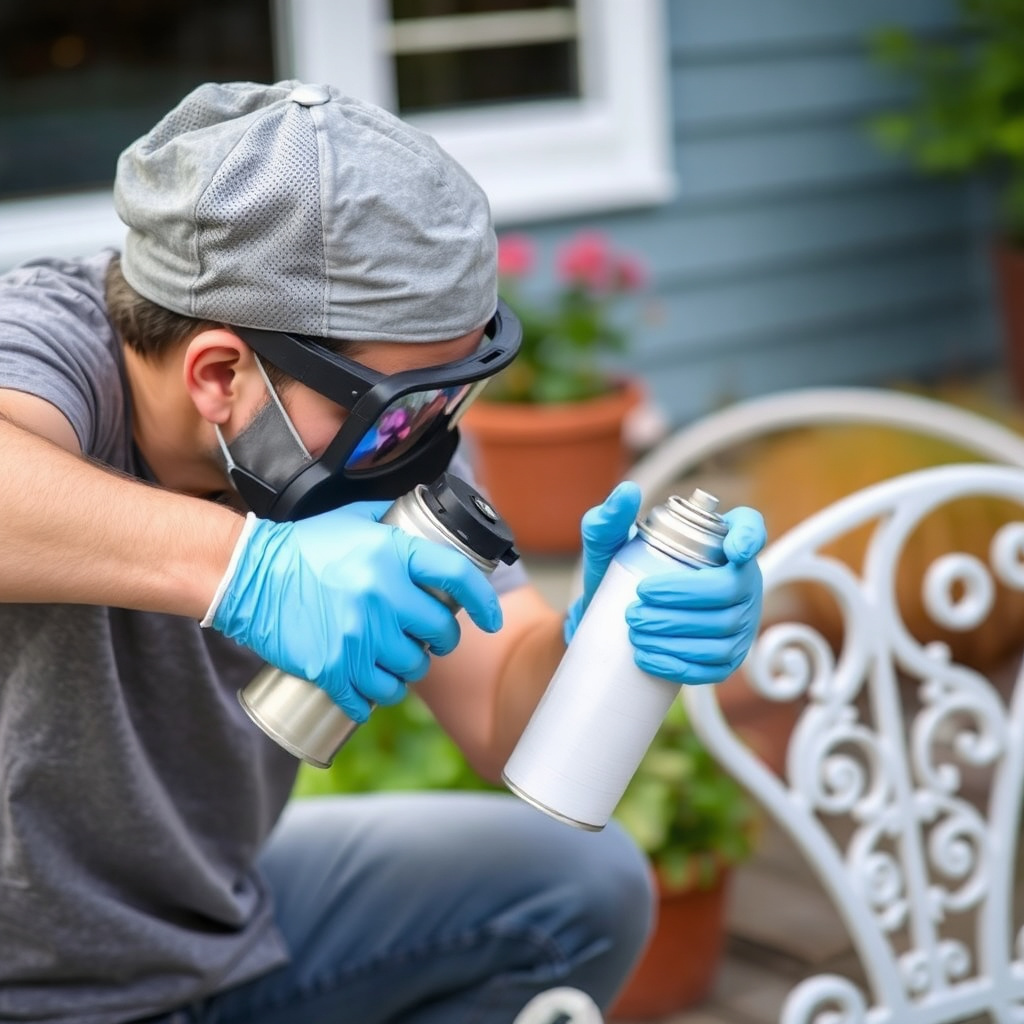
Using Protective Gear and Ventilation
Wear gloves, masks, and eye protection to prevent irritation from paint fumes and dust during sanding and painting. Always work in open or well-ventilated areas to minimize inhalation of harmful chemicals.
Proper disposal of used materials like paint cans and rags also reduces environmental and fire hazards.
- Avoid smoking or open flames near painting area
- Use respirators when sanding lead-based paint
Fixing Paint Peeling and Rust Recurrences
If paint starts peeling, identify if moisture or inadequate prep caused it. Sand peeling areas, prime, and repaint as needed. Rust returns often stem from incomplete rust removal or exposure without sealant protection.
Regular inspection and maintenance prevent minor issues from becoming larger problems, keeping your refinished metal furniture looking its best.
- Prevent moisture buildup by storing properly
- Use rust converters for tough rust spots before painting
Advanced Refinishing Options for Metal Patio Furniture

Applying Textured Paint and Decorative Finishes
Textured paints provide a unique look and better conceal imperfections or surface irregularities. These finishes can involve hammered, sand, or stone-like textures, adding personality and hiding minor flaws.
Decorative techniques like stenciling or hand-painting details after base coats allow you to customize your furniture beyond standard colors, making the pieces stand out in your outdoor space.
- Use specialty brushes or rollers for texture
- Seal textured finishes carefully to preserve look
For more insights on outdoor furniture maintenance and preservation, you can refer to metal furniture maintenance tips available through reliable resources. metal furniture maintenance tips.
Powder Coating as a Durable Refinishing Alternative
Powder coating is an industrial finishing method involving dry powder applied electrically and then cured under heat. It produces a thicker, more durable finish than spray paint.
Though powder coating requires professional equipment, its superior durability and resistance to scratching and oxidation make it a popular choice for long-term refinishing.
- Requires removal of old finish before powder coating
- Consult a local powder coating service for quotes
Comparison of Popular Metal Patio Furniture Refinishing Methods
Here’s a comparison of common refinishing methods to help you choose the one that fits your needs, budget, and desired durability.
| Method | Durability | Cost | Ease of Application | Appearance Options |
|---|---|---|---|---|
| Spray Painting | Moderate | Low | Easy | Wide range of colors, smooth finish |
| Brush-on Enamel Paint | Moderate | Low | Moderate | Glossy finish, customizable |
| Textured Paint | Moderate | Medium | Moderate | Unique, hides imperfections |
| Powder Coating | High | High | Professional-only | Thick, uniform, highly durable |
| Rust Converter & Paint | Moderate | Low | Easy | Good for rust prevention, limited aesthetics |
Frequently Asked Questions
How long does it take to refinish metal patio furniture?
Refinishing generally takes a few days, including cleaning, sanding, priming, painting, and curing times. Active work might be a few hours spread over days for proper drying and curing.
Can I refinish metal furniture indoors?
While priming and painting can be done indoors if well-ventilated, sanding and rust removal are best done outdoors to avoid dust and fumes buildup.
Is spray paint better than brush-on paint for metal furniture?
Spray paint offers a smoother, more even finish and is easier for intricate designs, while brush-on paint allows more control but may show strokes. Both can be effective if applied correctly.
Do I need to remove all the rust before painting?
Yes, removing all rust is crucial. Residual rust can spread under the new paint, causing peeling and corrosion. Use wire brushes, rust removers, or converters to manage rust fully.
How often should I refinish my metal patio furniture?
Typically, refinishing every 3-5 years is sufficient if maintained well. Touch-ups and annual sealant applications can prolong the finish and reduce the need for full refinishing.
Key Takeaways
- Thorough surface prep including rust removal ensures paint adhesion and durability.
- Choose rust-resistant primer and paint designed for outdoor metal use.
- Multiple thin coats with proper drying improve finish quality and lifespan.
- Regular maintenance extends the life of refinished patio metal furniture.
Conclusion
Refinishing metal patio furniture combines detailed preparation, suitable product selection, and patient application to restore and protect your outdoor pieces. By removing rust, sanding surfaces, and applying rust-inhibiting primer and durable paint, you provide a resilient barrier against weather and wear. This approach not only revitalizes the furniture aesthetically but also saves you significant replacement costs in the long run.
For those seeking a cost-effective and manageable project, spray painting with a high-quality metal primer is an excellent choice, offering a smooth finish with good weather resistance. If you want added texture or decorative flair, textured paints or hand-embellished finishes can personalize your space. For maximum durability and professional-grade results, powder coating is unmatched, albeit requiring professional services.
Start by assessing the condition of your metal furniture, gather recommended materials like wire brushes, sandpaper, primers, and paints, and allocate time for drying and curing. With care and attention to detail, your refinished metal patio furniture can become a centerpiece for outdoor enjoyment, standing strong against seasons to come.