How to Place a Bar Table Behind Your Couch
Trying to make the most of a small living room can be frustrating, especially when you want extra seating and serving space without crowding the room. You’re not alone—many people struggle with finding the right setup. Learning how to place a bar table behind your couch can help you create a practical, stylish solution.
To place a bar table behind your couch, measure the sofa, wall, and available walkway first. Choose a table that fits comfortably without blocking doors, vents, or outlets.
Match its height to the sofa back, typically 2–4 inches above the seat, and leave 30–36 inches for passage. Select slim, backless stools that tuck underneath.
Secure the table on uneven floors, then add storage, lighting, and décor that complement your room. The following tips will help you avoid common placement mistakes.
Key Takeaways
- Measure the sofa, wall, table, stools, and walkway to confirm everything fits without blocking doors, vents, outlets, or furniture.
- Leave at least 30–36 inches behind the sofa for comfortable walking and unobstructed access.
- Choose a table about 2–4 inches higher than the sofa seat, aligning visually with the sofa back.
- Select slim, backless stools that tuck completely beneath the table and preserve clear traffic flow.
- Secure the table on level flooring, keep heavy items low, and ensure drawers, doors, and recliners remain accessible.
Measure for a Bar Table Behind Your Couch
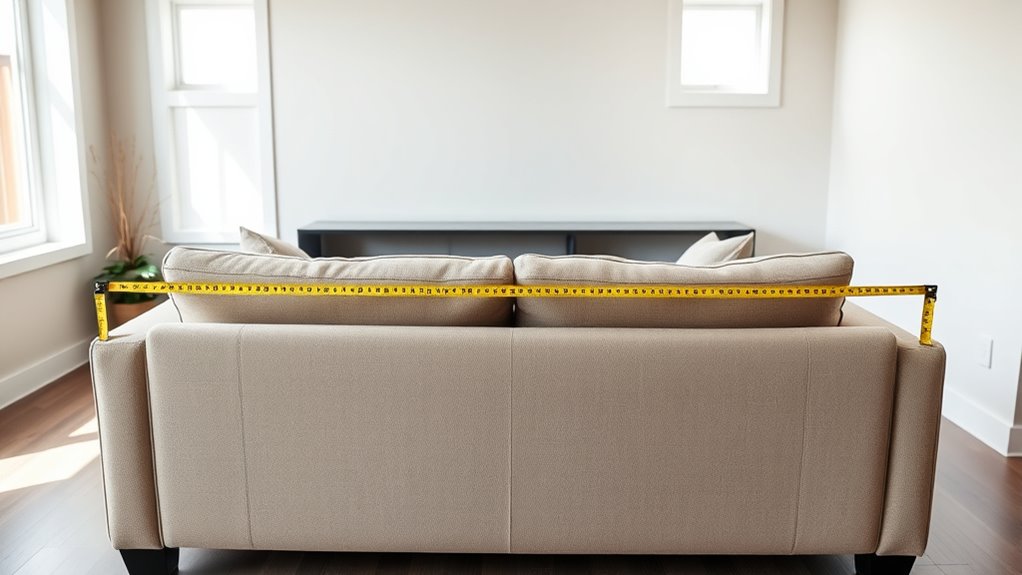
Before choosing a bar table, measure the space behind your couch to guarantee it fits comfortably without blocking walkways. Start by measuring the length of the available wall or sofa back, then note doors, vents, outlets, and nearby furniture that could affect placement.
Leave enough clearance for people to pass, pull out stools, and clean comfortably. Mark the proposed footprint with painter’s tape so you can visualize its position before shopping.
Measure the table’s overall height, including any raised ledge or shelving, and compare it with your couch’s back for a balanced appearance. Record these dimensions to guide your search and prevent surprises during delivery.
Consider how the table will support decorative accents, lighting, or serving pieces. Check whether its material options suit the room’s existing finishes.
Keep your measurements handy when comparing designs, so you’ll choose a piece that works with your space and daily routines.
Choose the Right Table Size

Choose a table that matches your couch’s length and height without overwhelming the room. Start by measuring your couch, then leave enough space behind it for comfortable walking. This creates a functional setup that fits your space and keeps traffic flowing.
Measure Couch Dimensions
Start by measuring your couch’s length, depth, and height, then note the available space behind it. Record each measurement carefully, including the height of the back and any raised arms.
These dimensions help you choose a bar table that complements the sofa rather than overpowering it. Compare the table’s length with the couch, aiming for a balanced visual relationship instead of an exact match.
Check the table’s depth against the space you’ve identified, and consider how its height will relate to the couch back and nearby surfaces. Examine the couch upholstery, too; bulky cushions or textured fabric may make the sofa appear larger.
Finally, assess your room lighting. Dark finishes can look heavier in dim areas, while lighter tables may suit rooms with limited natural light.
Allow Walking Space
Once you know your couch and table dimensions, measure the walking paths around them. Leave enough room for you to pass comfortably without bumping the table or shifting the couch.
Aim for at least 30 inches behind the sofa, and increase that clearance if the area serves as a main route. Check drawers, stools, and cabinet doors, ensuring they can open without blocking movement.
Use this guide:
| Area | Recommended clearance |
|---|---|
| Main walkway | 36 inches |
| Secondary path | 30 inches |
Consider traffic flow before finalizing your table size. A narrow console-style bar table may suit a tight room better than a deep design.
Mark the footprint with painter’s tape, then walk around it from every entrance. This test reveals awkward bottlenecks and helps you refine decor placement while preserving comfortable movement.
Don’t sacrifice access for style.
Match the Table Height to Your Sofa

Measure your sofa’s seat height from the floor to the top of the cushion. Then, choose a bar table that’s close to that height, leaving enough space for comfortable access to the tabletop.
Measure Sofa Seat Height
Measure from the floor to the top of your sofa’s seat cushion, then choose a bar table that sits about 2–4 inches higher for comfortable use behind the couch.
Use a firm tape measure, and check both sofa ends if the cushions slope or compress unevenly. Record the measurement before shopping, considering your dining preferences and the activities you’ll perform there.
| Seat height | Add | Target table height |
|---|---|---|
| 18 inches | 2–4 inches | 20–22 inches |
| 20 inches | 2–4 inches | 22–24 inches |
| 22 inches | 2–4 inches | 24–26 inches |
Measure with cushions in their normal position, not flattened by extra weight. Also note flooring thickness, rug padding, and furniture maintenance needs, since these can slightly change the finished height.
Keep your measurement handy while comparing tables, but don’t finalize a style choice yet.
Choose Matching Table Height
Choose a bar table that’s about 2–4 inches higher than your sofa seat so you can reach drinks and snacks comfortably without leaning awkwardly. This height creates a balanced visual connection between the couch and table while keeping the arrangement practical.
Compare the table’s finished height, not just its frame, because a thick top or raised edge can add several inches. Consider how bar table materials affect this measurement: chunky wood tops may sit higher than slim metal or glass surfaces.
If your sofa has unusually high or low cushions, adjust the target slightly while preserving a comfortable relationship. Your placement considerations should also include the sofa’s back profile and the room’s overall scale.
Choose a height that complements your couch instead of overwhelming it, and confirm the dimensions before purchasing.
Allow Comfortable Surface Access
Once the table height complements your sofa, check that you can comfortably reach its surface from a seated position. Sit naturally and extend your arm without leaning forward, twisting, or lifting your shoulder.
You should be able to set down a drink, pick up a snack, or use a laptop with ease. A bar-height table may look appealing, but it can feel awkward if your sofa sits too low.
Test the arrangement before committing, and adjust the table or sofa as needed. Leave enough space behind the couch for movement, so you won’t bump the table whenever you stand.
Consider how guests will use the surface, too. Your furniture arrangement should support relaxed conversation and practical access, not force anyone to stretch across cushions or reach around lamps, décor, or other obstacles.
Leave Enough Clearance for Walkways
Keep at least 30 to 36 inches of clearance between the bar table and nearby walls, furniture, or traffic paths so people can move comfortably. Measure this space before you position the table, then test the walkway by walking behind the couch and around each end.
You shouldn’t need to turn sideways, bump the tabletop, or interrupt someone seated at the bar.
Consider how Sofa positioning affects movement through the room. If the couch sits close to a doorway, hallway, or frequently used chair, shift the table or sofa to preserve a direct path.
Mark the table’s footprint with painter’s tape so you can evaluate the Room layout from different angles.
Leave additional space where drawers, stools, or cabinet doors might extend. Keep entry points and major routes open, especially in compact rooms.
A clear walkway makes the arrangement feel less crowded and lets you serve, sit, and move naturally without disrupting others.
Keep the Bar Table Stable and Safe
A stable bar table should sit flat on the floor and rest securely against the couch without shifting when someone leans on it. Check that all legs touch the floor evenly, then tighten loose hardware before using the table.
If your floor is uneven, place discreet, non-slip furniture pads beneath the shorter leg rather than stacking unstable objects. You can also add rubber grips to the feet to prevent sliding and protect the flooring.
Address Safety concerns by keeping the tabletop free from heavy items near its edges, especially if the table is narrow or tall. Don’t use it if it rocks, wobbles, or pulls away from the couch; reposition it and correct the problem first.
Consider aesthetic considerations when choosing stabilizing pads or braces. Match their color to the table or floor, and hide them from normal sightlines. Inspect the connections periodically, since repeated leaning, cleaning, and moving can loosen fasteners over time.
Add Seating Without Blocking Traffic
Choose stools that tuck fully beneath the bar table when they aren’t in use, leaving a clear path behind the couch. Select slim, backless designs if your room has limited space.
Before buying, measure the gap between the table and couch, then allow enough knee room for comfortable use without narrowing the walkway. Keep stools evenly spaced so you won’t create awkward bottlenecks or bump into them while moving through the room.
Consider how often you’ll use the table. Two compact stools may suit everyday drinks, while folding or lightweight options can provide extra seats for guests.
Match the stool height to the tabletop, and test each seat to ensure it slides in smoothly. Coordinate upholstery, finishes, and Decorative accents with your existing seating arrangements, but avoid bulky arms or wide bases.
Leave a consistent passage on both ends of the table, and keep the nearest doorway or hallway completely unobstructed.
Choose Shelves and Drawers for Storage
Look for a bar table with open shelves or drawers to store glassware, coasters, remotes, and other living-room essentials without adding another cabinet. Measure the space between the table and couch so doors and drawers can open freely. Choose storage that keeps frequently used items accessible while concealing clutter.
Consider these practical details:
- Shelving styles: Open tiers display bottles and decorative pieces, while adjustable shelves accommodate tall carafes or baskets.
- Drawer options: Shallow drawers suit coasters, bottle openers, and remotes; deeper drawers can hold linens or serving tools.
- Access and safety: Select sturdy construction, smooth hardware, and shelves with enough depth to prevent items from tipping.
Use baskets or small trays to group loose accessories and make cleanup faster. If you’ll serve drinks often, reserve the top shelf or drawer for essentials.
Keep heavier bottles on the lowest shelf to improve stability, especially when the table sits behind a frequently used sofa. Prioritize storage that supports your routine without crowding the walkway.
Match the Table to Your Room’s Décor
Match the bar table’s colors and finishes to your couch, flooring, and nearby accents. Choose a design that complements your room’s style, whether it’s modern, rustic, or traditional. This creates a cohesive look without overwhelming the space.
Coordinate Colors and Finishes
When coordinating colors and finishes, tie the bar table to one or two tones already present in your room, such as the couch fabric, wood accents, or metal lighting. Thoughtful color coordination keeps the table connected to its surroundings without making everything look identical.
Choose a tabletop that echoes nearby wood, or select a painted surface that repeats an accent shade. For finish matching, compare sheen as well as color; a satin table may blend better than a glossy one beside matte upholstery.
- Repeat one warm or cool undertone for visual continuity.
- Pair dark metal legs with existing hardware or lighting.
- Use contrast sparingly to define the table without overpowering the room.
Before placing it, view samples beside the couch in daylight and evening light. You’ll catch undertones that small swatches can hide.
Complement Your Design Style
Once the colors and finishes feel connected, choose a bar table that supports your room’s overall design style.
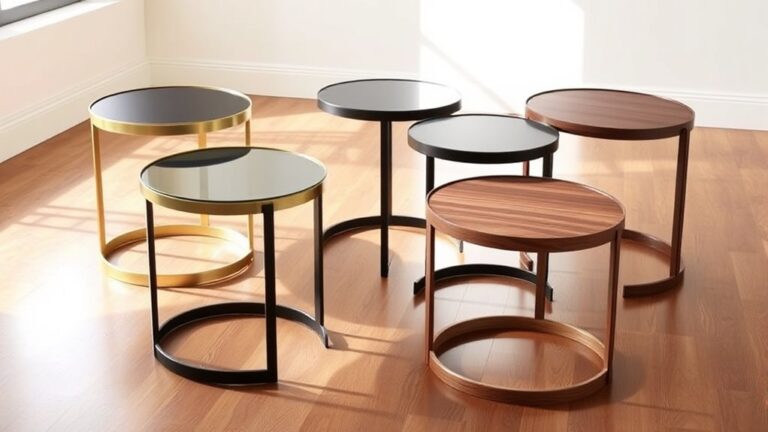
If your space feels modern, select a table with clean lines, a slim profile, and a glass, metal, or polished wood top. For a farmhouse room, try a sturdy design with a distressed finish, warm wood, or turned legs.
In a traditional setting, look for rich wood tones, curved details, and classic proportions. You can value artistic expression in an eclectic room by choosing an unusual base, bold surface, or vintage-inspired piece.
Let your material selection reinforce the atmosphere you want to create. Before buying, compare the table’s scale and visual weight with your couch and surrounding furniture.
Choose a design that feels intentional, comfortable, and naturally connected to your décor.
Add Lighting and Simple Bar Accessories
Add a warm lamp or a slim pendant above the bar table to create a welcoming glow without overwhelming the room. Choose a fixture that complements your sofa and reinforces your design style.
For flexible lighting ideas, use a dimmable bulb or a small table lamp with a soft shade. You’ll create an inviting atmosphere for evening drinks while keeping the area practical during the day.
Keep your display edited and useful. Select bar accessories that add polish without crowding the tabletop:
- Place a compact tray beneath bottles, glasses, or a decanter to define the serving area.
- Arrange two or four matching glasses in an orderly row for an intentional look.
- Add a small bowl for citrus garnishes, cocktail picks, or wrapped napkins.
Finish with one decorative detail, such as a vase, framed print, or polished ice bucket. Leave enough open surface for serving, and coordinate metal finishes with nearby hardware to make the entire seating area feel thoughtfully connected.
Avoid Common Placement Mistakes
A polished setup can still feel awkward if the table blocks movement or crowds the sofa. Leave enough space behind the couch for people to walk comfortably, ideally at least 30 to 36 inches. Measure the table, stools, and traffic path together before you commit to a position.
Leave at least 30 to 36 inches behind the sofa, measuring the table, stools, and walkway together before settling on placement.
Don’t push the bar table so close that the sofa can’t recline, drawers can’t open, or guests must squeeze through.
Check the table’s height against the couch back and seating. A surface that rises only slightly above the sofa usually looks balanced, while an overly tall piece can dominate the room.
Keep stools tucked beneath the table when you’re not using them to preserve floor space.
Good Decor placement also requires visual breathing room. Avoid creating a cramped corner with too many accessories.
Review Lighting considerations, too: position lamps or pendants so they illuminate the tabletop without shining into your eyes or leaving the walkway dim.
Frequently Asked Questions
Can I Place a Bar Table Behind a Reclining Sofa?
Yes, you can place a bar table behind a reclining sofa, but measure carefully first. Leave enough clearance for the sofa to extend fully without hitting the table or stools.
For reclining comfort, keep the table at least several inches behind the sofa’s maximum reclined position. Choose a narrow design, secure it against tipping, and maintain clear walkways.
This approach supports space optimization while preserving easy access and safe movement throughout your room.
How Do I Protect Walls From Scratches Caused by a Bar Table?
You can prevent wall scratches by creating a small buffer between your bar table and the wall. The theory that furniture only scratches walls when moved is false; daily vibrations and leaning can cause damage too.
Add adhesive felt pads or rubber bumpers to the table’s back corners, and attach a narrow, padded wall guard where contact occurs. Keep the table level, leave a slight gap, and inspect regularly. This wall protection supports reliable scratch prevention.
What Materials Are Best for a Durable Bar Table?
Choose hardwood, steel, or quartz for a durable bar table. Solid oak, maple, and walnut offer excellent Material longevity, resist daily wear, and add warmth.
Powder-coated steel withstands scratches, moisture, and heavy use, while quartz provides a stain-resistant, low-maintenance surface.
You’ll also want to contemplate design compatibility: pair wood with traditional rooms, metal with industrial décor, or quartz with contemporary spaces.
Avoid fragile veneers and low-quality particleboard for lasting performance.
Can I Use a Console Table Instead of a Traditional Bar Table?
Yes, you can use a console table instead of a traditional bar table; it can be the bridge between style and function. Choose a sturdy console with enough depth for drinks, snacks, and comfortable serving.
Check its height against your couch and seating, then secure it if needed. Use decorative accessories sparingly to preserve space optimization.
Add stools only if clearance allows, and keep pathways open for safe, easy movement around the room.
How Do I Clean and Maintain a Bar Table Behind My Couch?
You can keep your bar table clean by dusting it weekly with a soft, dry cloth and wiping spills immediately. For cleaning tips, use a manufacturer-approved cleaner, avoid soaking the surface, and place coasters beneath drinks.
Include the couch area in your maintenance routine: vacuum crumbs, check for scratches, tighten loose hardware, and protect the tabletop from sunlight and heat. Don’t drag the table; lift it carefully when cleaning underneath or repositioning.
Conclusion
With a little measuring and thoughtful styling, you can turn the space behind your couch into a polished, practical bar area. Choose a table that fits comfortably, leaves walkways open, and complements your sofa and décor.
Add discreet storage, soft lighting, and a few favorite accessories to create an inviting finish. Secure everything well, and you’ll avoid minor surprises while enjoying a stylish spot that makes entertaining feel effortless and welcoming.
With these tips on how to place a bar table behind your couch, you can create a functional and attractive entertaining area.