How to Clean Laminate Furniture Without Damaging the Surface
Cleaning laminate furniture effectively involves using gentle, non-abrasive methods that remove dirt and stains without harming the laminate surface. Typically, a soft cloth with warm water and mild soap is enough for regular cleaning. Avoid harsh chemicals or abrasive scrubbers that can scratch or dull the finish.
Laminate furniture is popular due to its durability and aesthetic appeal, but improper cleaning can cause dullness or peeling over time. Knowing the right approach preserves its look and extends its lifespan, making your investment worthwhile. This matters especially in homes with kids or pets, where spills and messes happen often.
This article covers the best strategies for routine cleaning, how to handle tough stains, appropriate cleaning products, and maintenance tips. We will also compare natural versus commercial cleaners and include a guide to avoid common mistakes so your laminate furniture remains attractive and intact.
Understanding Laminate Furniture Cleaning

What Is Laminate Furniture?
Laminate furniture consists of a composite wood base covered by a decorative layer of plastic resin that mimics wood, stone, or other materials. The surface is sealed to resist stains and scratches, making it practical but requiring sensitive care.
Since laminate is manufactured with a protective finish, it is less porous than natural wood, which means it doesn’t absorb liquids easily but can be vulnerable to heat and certain chemicals.
Common Cleaning Challenges for Laminate
The main challenges in cleaning laminate furniture include avoiding water damage around edges, preventing surface scratches from abrasive cleansers, and tackling sticky or greasy residues without stripping the finish.
Laminate also tends to show fingerprints and dust easily, so frequent gentle cleaning is necessary to maintain a spotless look without causing wear.
Best Methods for Routine Cleaning of Laminate Furniture
Gentle Soap and Water Cleaning
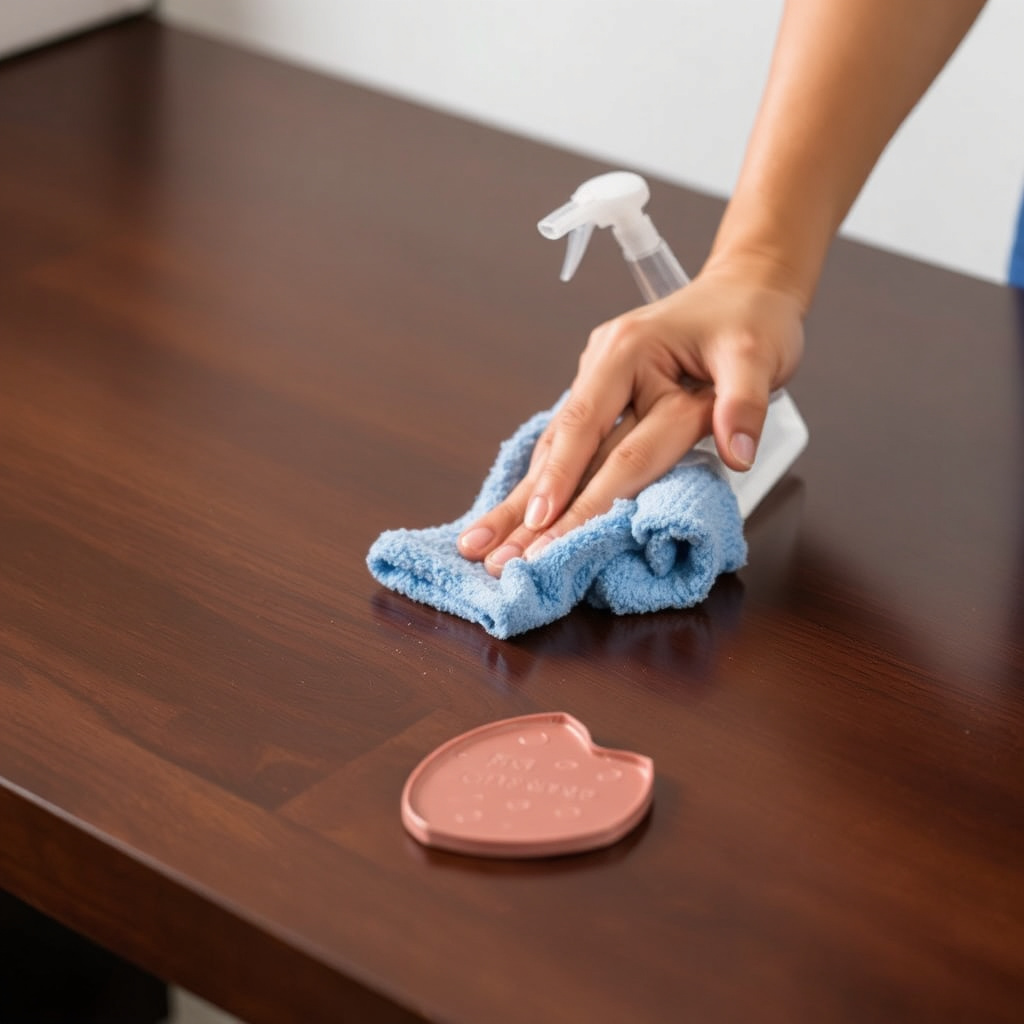
A solution of warm water and a few drops of mild dish soap is ideal for daily or weekly cleaning. Use a soft cloth dipped in this mix, wrung out well to avoid excess moisture, and wipe the surfaces gently.
After cleaning, dry immediately with a clean microfiber cloth to prevent water spots or swelling near seams. This simple approach removes dirt and most stains effectively without risk.
- Use lukewarm water
- Avoid soaking the cloth
- Dry thoroughly after cleaning
For more on this, see our related guide: 10 Tips how to Choose Furniture for a Room.
Dusting and Preventative Care
Regular dusting with a soft, lint-free cloth reduces grime buildup that leads to tougher stains. Using microfiber cloths is beneficial because they trap dust without scratching.
Preventative care also involves keeping laminate furniture out of direct sunlight to avoid fading and using coasters or mats to stop rings and spills.
- Dust at least once a week
- Use microfiber for best results
- Keep furniture shaded from direct sun
Dealing with Tough Stains and Spots
Removing Grease and Sticky Residues
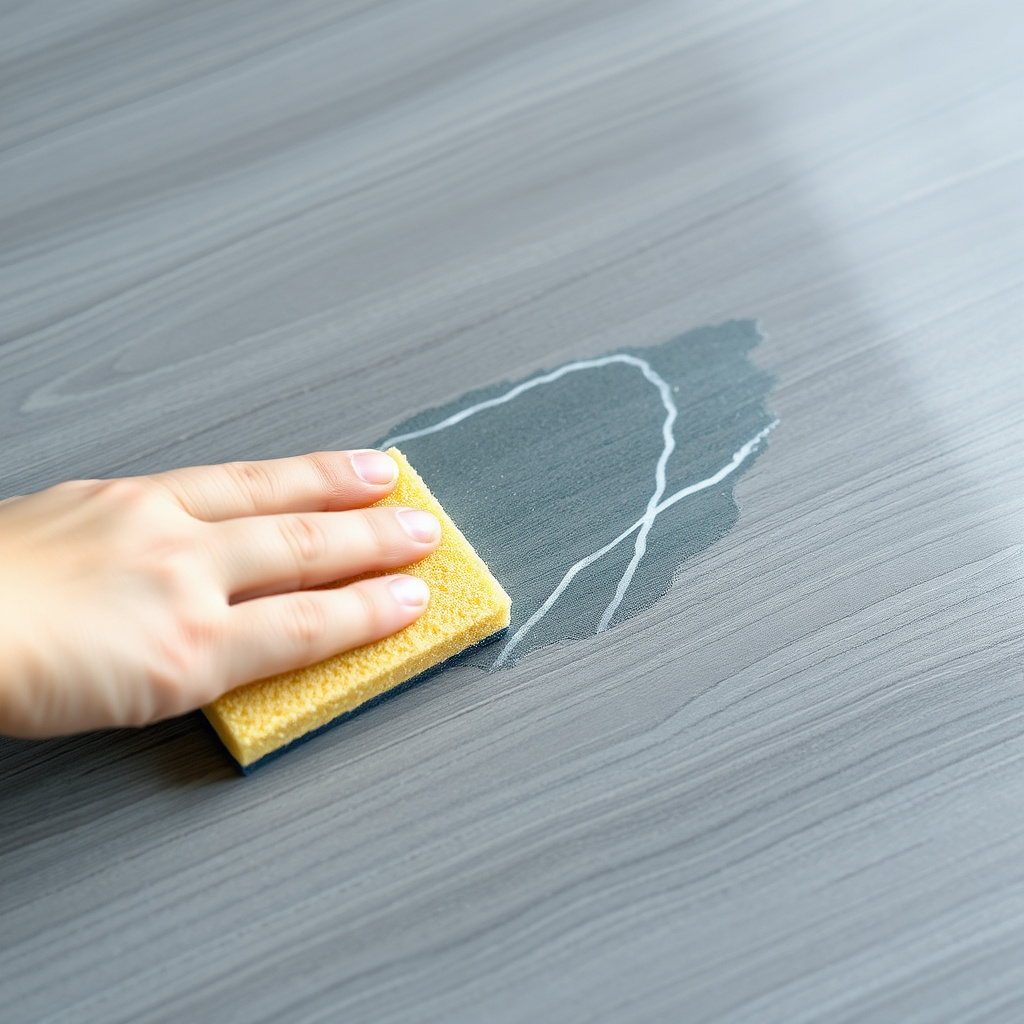
For greasy spots or sticky spills like food residue, a mix of vinegar and water (1:1 ratio) can be applied sparingly with a soft cloth to lift residues. Avoid soaking the surface and rinse with plain water afterward.
Alternatively, specialized commercial cleaners designed for laminate, carefully tested on a hidden spot, can tackle stubborn grime without damage.
- Use vinegar-water solution sparingly
- Test commercial cleaners first in inconspicuous area
- Avoid harsh solvents like acetone or bleach
Treating Ink, Marker, and Crayon Marks
Ink or marker stains require gentle abrasion with a magic eraser sponge dampened lightly, as too much scrubbing can dull the laminate. A tiny amount of rubbing alcohol on a soft cloth may also work but should be tested first.
Crayon can be softened with a small amount of baking soda paste applied gently, then wiped clean without leaving residue.
- Use magic eraser sparingly
- Try rubbing alcohol cautiously
- Baking soda paste for crayon marks
Choosing the Best Cleaners for Laminate Furniture

Natural Cleaners vs. Commercial Options
Natural cleaners like diluted vinegar, mild soap, and baking soda are safe and eco-friendly for most laminate surfaces. They avoid chemical residues and reduce risk of damaging the finish.
Commercial products marketed specifically as safe for laminate can offer convenience and targeted stain removal but often contain chemicals that require caution and spot testing.
For more on this, see our related guide: How Much for a Table in 2027: 10 Prices to Know.
Avoiding Harmful Ingredients
Avoid cleaners containing bleach, ammonia, acetone, or abrasive powders as these damage the laminate coating, causing discoloration or scratches. Even some all-purpose cleaners can be too harsh.
Always check label ingredients and opt for pH-neutral products made for delicate surfaces to prolong your furniture’s life.
- No bleach or ammonia
- Avoid acetone and abrasive powders
- Prefer pH-neutral cleaners
Maintenance Tips to Preserve Laminate Furniture
Regular Cleaning Schedule
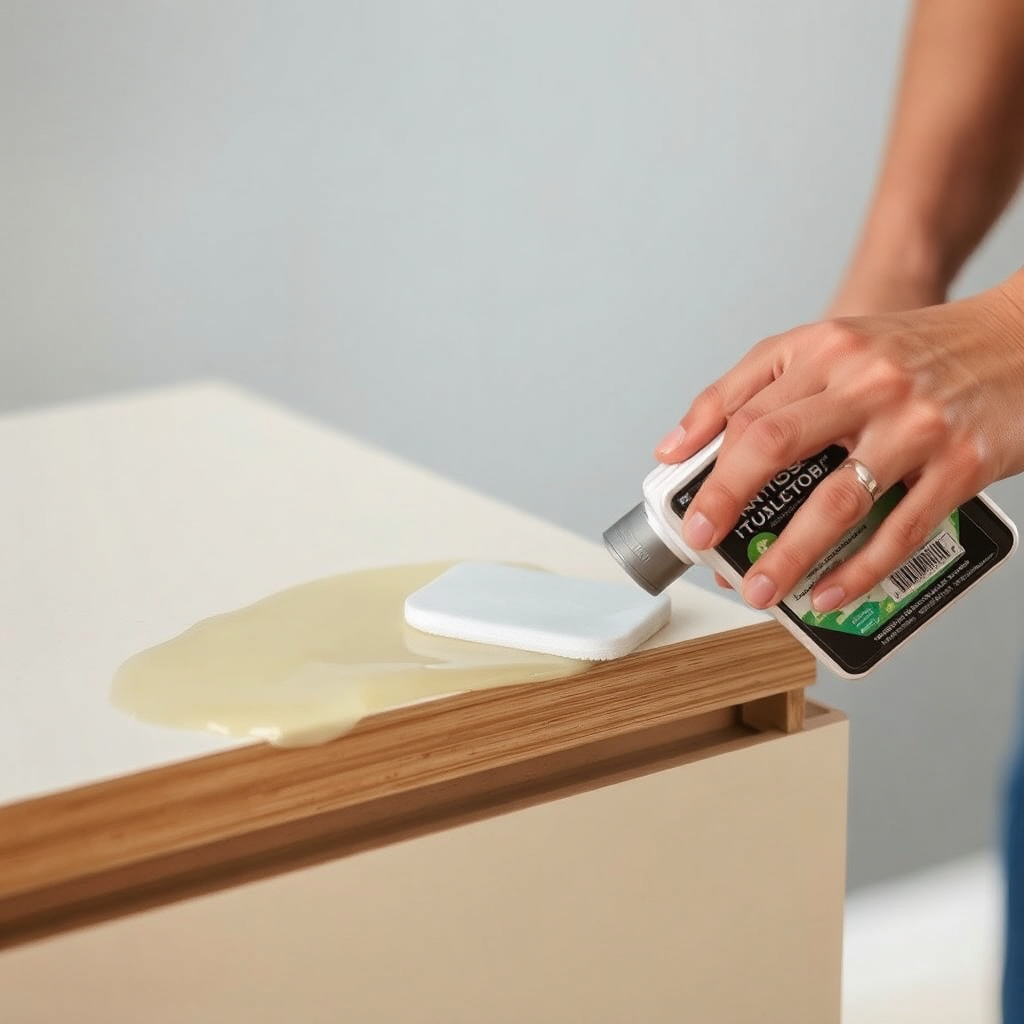
Setting a weekly cleaning routine keeps dust and dirt from building up and reduces need for harsher stain removal methods. Light daily wipe-downs with a dry cloth can prevent accumulation.
Consistency is key to maintaining the laminate’s shine and preventing small scratches from becoming noticeable damage.
- Wipe lightly daily or as needed
- Deep clean with mild soap weekly
For more detailed information on laminate materials and care, refer to laminate furniture care tips on Wikipedia. laminate furniture care tips on Wikipedia.
Protecting From Heat and Moisture
Laminate is heat sensitive; avoid placing hot pots or cups directly on surfaces to prevent bubbles or discoloration. Use trivets or coasters.
Similarly, prevent water pooling on seams or edges, which can cause swelling or peeling. Promptly wipe any spills to avoid long-term damage.
- Use coasters and trivets
- Wipe spills immediately
- Avoid steam cleaners
Comparison of Laminate Furniture Cleaning Methods
This table contrasts common cleaning techniques and products highlighting ease, safety, and effectiveness for laminate furniture.
| Method | Effectiveness | Surface Safety | Ease of Use | Cost |
|---|---|---|---|---|
| Mild Soap & Water | High | Very Safe | Easy | Low |
| Vinegar Solution | Medium | Safe with Dilution | Easy | Low |
| Commercial Laminate Cleaners | High | Moderate, spot test advised | Moderate | Medium |
| Magic Eraser | Medium-High (stains) | Use with caution | Moderate | Low |
| Bleach/Ammonia Cleaners | High (harsh stains) | Not Safe | Easy | Low |
Frequently Asked Questions
Can I use furniture polish on laminate surfaces?
Most furniture polishes are not recommended for laminate as they can cause buildup and dull the finish. Instead, use products specifically designed for laminate if necessary.
How often should I clean laminate furniture?
A light cleaning should be done weekly using mild soap and water, with dusting several times per week to keep surfaces free of dirt and grime.
What should I avoid when cleaning laminate furniture?
Avoid using abrasive scrubbers, bleach, ammonia, and excessive water. These can scratch, discolor, or warp the laminate surface.
Is vinegar safe for cleaning laminate furniture?
Diluted vinegar can be safe and effective for removing grease or sticky residues, but it must be used sparingly and wiped off quickly to protect the surface.
How do I remove ink stains from laminate without damage?
Use a lightly dampened magic eraser or a small amount of rubbing alcohol tested on a hidden area first; avoid harsh scrubbing to prevent dulling.
Key Takeaways
- Clean laminate furniture with mild soap and water using a soft cloth
- Avoid harsh chemicals like bleach and abrasive materials
- Use diluted vinegar or commercial cleaners cautiously on tough stains
- Protect furniture from heat, moisture, and direct sunlight
Conclusion
Effective laminate furniture cleaning rests on using gentle, non-abrasive techniques that respect the sensitive plastic coating. Prioritizing mild soap and water for routine cleaning prevents damage and maintains the surface’s shine and durability over time. Understanding this helps tailor your approach to preserve your furniture while tackling dirt and spills safely.
Specific cleaning needs vary depending on the types of stains and the environment where the furniture is used. For instance, mild soap and water work well for regular upkeep, while diluted vinegar solutions or commercial laminate cleaners are more suited for greasy or sticky residues. Tough marks like ink can be treated carefully with magic erasers or rubbing alcohol after spot testing, minimizing risk of surface impairment.
To extend your laminate furniture’s lifespan, complement cleaning with preventative habits such as dusting regularly, using coasters and trivets, and avoiding direct sunlight exposure. Following these steps allows you to maintain a beautiful, functional piece in your home or office. The next step is to establish a consistent cleaning routine and select appropriate products that suit your lifestyle and furniture type.