Why Linen Sheets Are Worth the Investment
You’ve probably noticed your cotton sheets wearing thin after a few seasons, right? Here’s what most people don’t realize: linen sheets actually improve with age while maintaining their integrity through countless washes. They’ll keep you cooler in summer and warmer in winter, all while resisting the bacterial growth that makes cheaper sheets smell stale. But there’s a catch—you’re likely paying more upfront. So what makes them worth it?
Why Linen Keeps You Comfortable Year-Round

Because linen’s unique fiber structure naturally regulates temperature, you’ll stay comfortable whether you’re sleeping through a sweltering summer night or a chilly winter evening.
Linen’s hollow fibers absorb moisture without feeling damp, pulling perspiration away from your skin and allowing it to evaporate quickly. This moisture-wicking property keeps you cool when temperatures rise.
Conversely, linen traps warm air close to your body during colder months, providing insulation without excessive heat retention. You won’t experience the overheating that often accompanies synthetic materials or heavy cotton blends.
Unlike many bedding options that require seasonal changes, linen adapts to your body’s needs throughout the year. You’ll maintain consistent comfort across all seasons, eliminating the hassle of swapping sheets and reducing your overall bedding expenses.
This year-round functionality makes linen sheets a practical, economical choice.
How Linen Outlasts Budget Alternatives
While budget bedding sheets might seem like a wallet-friendly choice upfront, you’ll likely replace them within a few years as they pill, tear, and lose their softness.
Linen sheets, conversely, improve with age and regular washing. They’re naturally durable, resistant to pilling, and maintain their integrity through hundreds of wash cycles.
You won’t notice the fabric deteriorating like you’d with cheaper cotton blends. When you calculate the actual cost per year of ownership, linen becomes the smarter financial choice.
You’re investing in sheets that’ll serve you for a decade or longer, whereas budget alternatives demand frequent replacements.
Over time, you’ll spend considerably less on quality linen than continuously buying inferior sheets that wear out quickly.
Why Linen Breathes Better Than Cotton
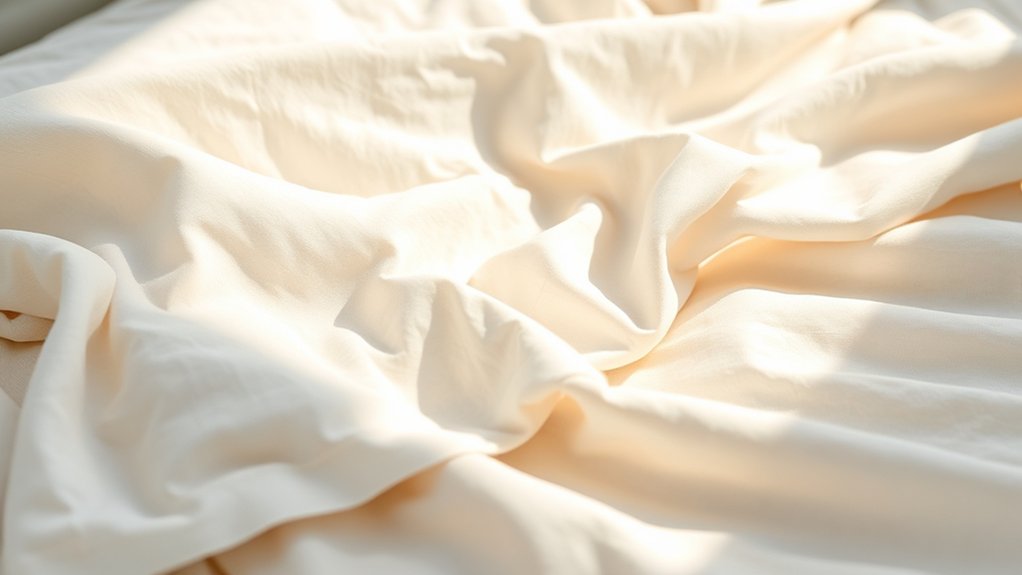
If you’ve ever woken up drenched in sweat despite sleeping under cotton sheets, you’ve experienced the material’s poor breathability firsthand.
Linen outperforms cotton because of its hollow fiber structure, which allows air to circulate more freely and moisture to evaporate faster from your skin.
Cotton absorbs moisture but retains it, trapping heat and creating that uncomfortable, clammy feeling.
You’ll notice linen sheets feel cooler to the touch and remain dry throughout the night, even during hot months.
This superior breathability regulates your body temperature naturally, preventing night sweats and promoting deeper, more restful sleep.
When you invest in linen, you’re choosing a material that actively works with your body’s needs rather than against them.
The Moisture-Wicking Advantage: Less Odor and Bacteria
Beyond temperature regulation, linen’s superior moisture-wicking ability delivers another significant benefit: it dramatically reduces odor and bacterial growth. When you sleep, you’re creating the perfect environment for bacteria to thrive—warmth and moisture.
Linen pulls sweat away from your skin much faster than cotton, leaving your sheets drier and far less hospitable to odor-causing bacteria.
This matters because bacteria flourish in damp environments. By keeping moisture off your skin and bedding, linen naturally inhibits bacterial proliferation.
You’ll notice your sheets stay fresher longer between washes, requiring less frequent laundering than cotton alternatives.
The result? You’re investing in bedding that actively works against the conditions bacteria need to multiply, keeping your sleeping surface cleaner and more hygienic without extra effort on your part.
Long-Term Cost Savings: The Math Behind the Investment
Yes, linen sheets cost more upfront—typically two to three times the price of standard cotton—but the math reveals they’re far cheaper over time.
You’ll replace cotton sheets every two to three years, while linen lasts a decade or longer with proper care. That means you’re buying four sets of cotton for every one set of linen.
Factor in durability, reduced pilling, and minimal shrinkage, and linen’s longevity becomes undeniable. You’re also spending less on frequent washing since linen naturally resists odors and bacteria.
When you calculate the cost per year of ownership, linen sheets cost roughly half what you’d spend replacing inferior alternatives repeatedly. Your initial investment pays dividends through years of superior comfort and reliability.
The First Wash Matters: How to Break In New Linen
While linen’s durability justifies the investment, you’ll need to treat your new sheets properly from day one to unlock their full potential. Start by washing them separately in cold water with mild detergent—this prevents color bleeding and removes excess flax fibers that cause initial stiffness.
Skip the fabric softener, which coats linen and diminishes breathability. Tumble dry on low heat or air dry for gentler treatment. Don’t worry if your sheets feel stiff initially; this improves significantly with each wash and use.
Most linens reach optimal softness after five to seven washes. This break-in period accelerates the transformation that makes linen genuinely superior, validating your investment through enhanced comfort and longevity.
Linen Care Tips That Extend Sheet Lifespan
Once you’ve broken in your linen sheets, proper maintenance becomes your best defense against premature wear. Wash them in cold water on a gentle cycle to prevent fiber damage. Use mild detergent—avoid bleach and fabric softeners, which weaken linen’s natural strength.
Dry your sheets on low heat or air-dry them for maximum longevity. When folding, smooth out wrinkles gently rather than aggressively, as creasing weakens fibers over time.
Store sheets in a cool, dry place away from direct sunlight, which can fade colors and degrade material. Rotate between multiple sets to reduce the frequency of washing any single pair.
Address stains promptly with cold water before they set. These straightforward practices preserve your investment and keep your linen sheets soft and durable for years.
How to Choose Quality Linen on Your Budget
Investing in quality linen sheets doesn’t require emptying your wallet if you know what to look for. Focus on thread count between 200-400, which offers durability without inflated pricing. Check the fabric weight—heavier linen typically signals better quality and longevity. Look for genuine European or Irish linen, as these regions maintain stricter production standards.
You’ll want to examine the weave closely. Tightly woven fabric resists pilling and wears longer. Don’t overlook sales on premium brands; high-quality sheets frequently go on sale during seasonal changes.
Compare cost-per-wear rather than upfront price. A $200 set lasting seven years costs less annually than $60 sheets you’ll replace every two years. You’re building long-term value, not just making a purchase.
Conclusion
You’ll find that investing in linen sheets pays off through years of comfortable, restful sleep. They’ll keep you cool in summer and warm in winter while resisting odors and bacteria naturally. You’ll watch them soften with each wash, outlasting cheaper alternatives by decades. When you factor in durability and minimal replacement costs, you’re making a smart financial decision alongside a healthier choice for your sleep environment.