How to Remove Stickers from Furniture Without Damage
Removing stickers from furniture can be tricky, but it’s entirely doable with the right approach. The best way to remove stickers involves gently loosening the adhesive without damaging the surface underneath. Using household products like warm soapy water, rubbing alcohol, or oils often softens the sticker’s glue for easy peeling. Hot air from a hairdryer can also help to loosen stubborn residues.
Furniture finishes vary widely from wood and laminate to painted surfaces and varnished pieces. Each type reacts differently to remover solutions, so understanding the material is important before applying any method. Removing stickers quickly and carefully preserves the furniture’s appearance and prevents lingering adhesive or discoloration. How to Remove Stickers from Furniture.
This guide will cover multiple strategies to remove stickers from furniture, tailored to different surface types. You’ll find step-by-step processes, recommended tools, and advice on cleaning leftover residue. Additionally, we’ll compare popular sticker removal methods by effectiveness and safety to help you pick one that suits both your furniture and your available supplies.
Understanding Sticker Adhesives and Furniture Surfaces
Common Types of Sticker Adhesives
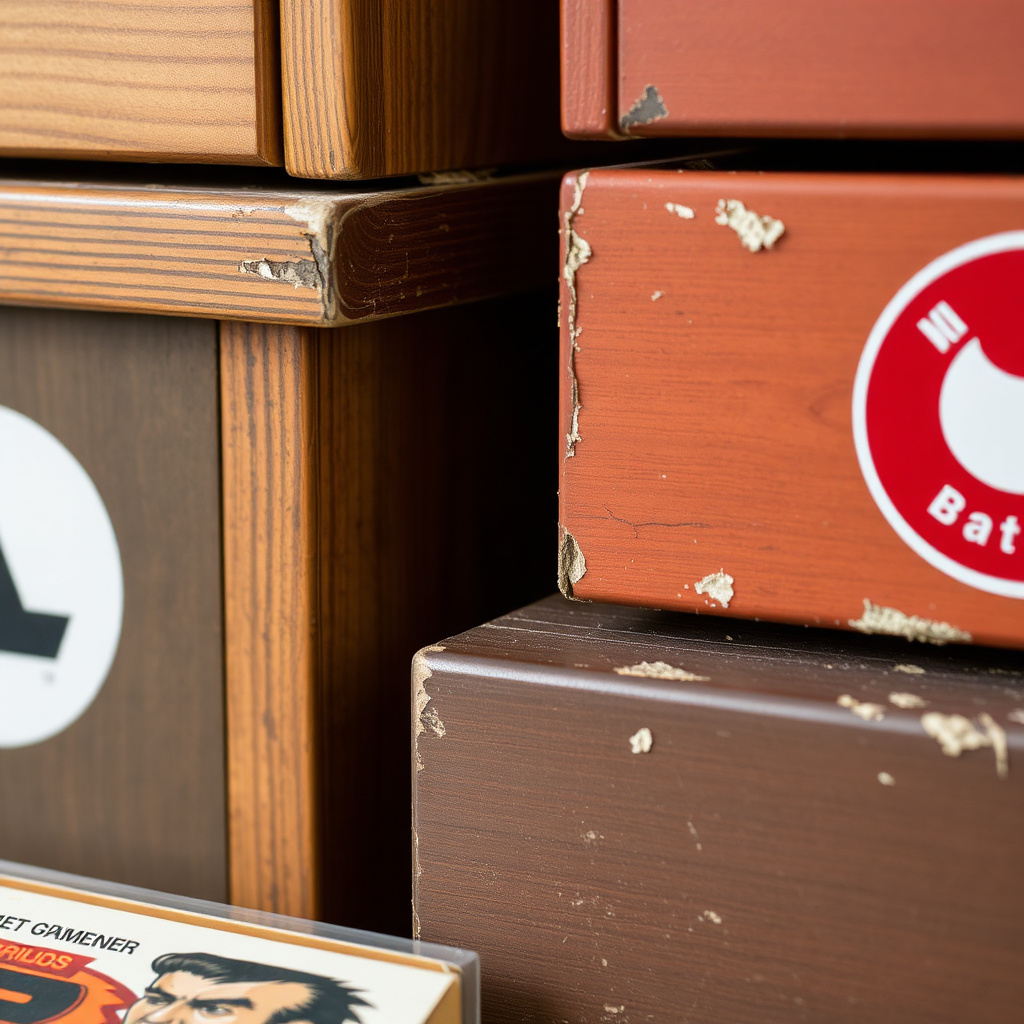
Stickers generally use water-based, rubber-based, or acrylic adhesives, each varying in stickiness and residue left behind. Water-based adhesives tend to soften with moisture, making warm water an effective remover. Rubber-based adhesives are stronger and often require solvent-based removers. Acrylic adhesives can be tough but typically respond well to heat or alcohol.
Knowing the adhesive type can guide your approach. Softer adhesives let you peel off stickers with moderate heat or moisture. Tougher adhesives might need a solvent to dissolve residues. Testing in an inconspicuous spot allows you to avoid damaging the furniture finish.
Furniture Surface Finishes and Their Sensitivities
Wood furniture often has varnish or lacquer that can be sensitive to harsh solvents or abrasive scrubbing. Painted surfaces may chip or discolor if treated aggressively. Laminate and plastic finishes are more durable but still vulnerable to scratches.
Knowing the finish guides which removal method suits your furniture. Gentle approaches like oil or warm water suits sensitive finishes. Heat application is good for sturdier finishes. For delicate wood finishes, start with mild solvents like rubbing alcohol before moving to stronger chemical removers.
Manual Sticker Removal Techniques

Peeling Stickers by Hand or Using Tools
Start by lifting one corner of the sticker gently with your fingernail or a plastic scraper to avoid scratching. Slowly peel it back at a low angle, which helps reduce tearing and leaves less adhesive behind. If the sticker tears, stop peeling and switch to a removal aid like heat or solvent.
Avoid metal blades unless absolutely necessary because they can gouge or scratch the surface. Plastic scrapers or old credit cards work best as safe, gentle tools for lifting edges and scraping off residue after peeling.
- Use fingernails for fragile stickers
- Plastic scraper for lifting edges
- Avoid sharp metal knives
Using Heat to Loosen Sticker Adhesives
Applying hot air with a hairdryer softens the glue beneath stickers, making them easier to peel off cleanly. Hold the hairdryer a few inches away and move it slowly over the sticker for about 30 seconds before attempting to lift an edge.
Heat works well on acrylic or rubber-based adhesives but should be used cautiously on heat-sensitive finishes like certain veneers or thin plastics to prevent warping or discoloration.
- Use a hairdryer on medium heat
- Avoid overheating sensitive surfaces
- Test in a hidden spot first
Chemical and Household Solutions for Sticker Removal
Using Rubbing Alcohol and Acetone
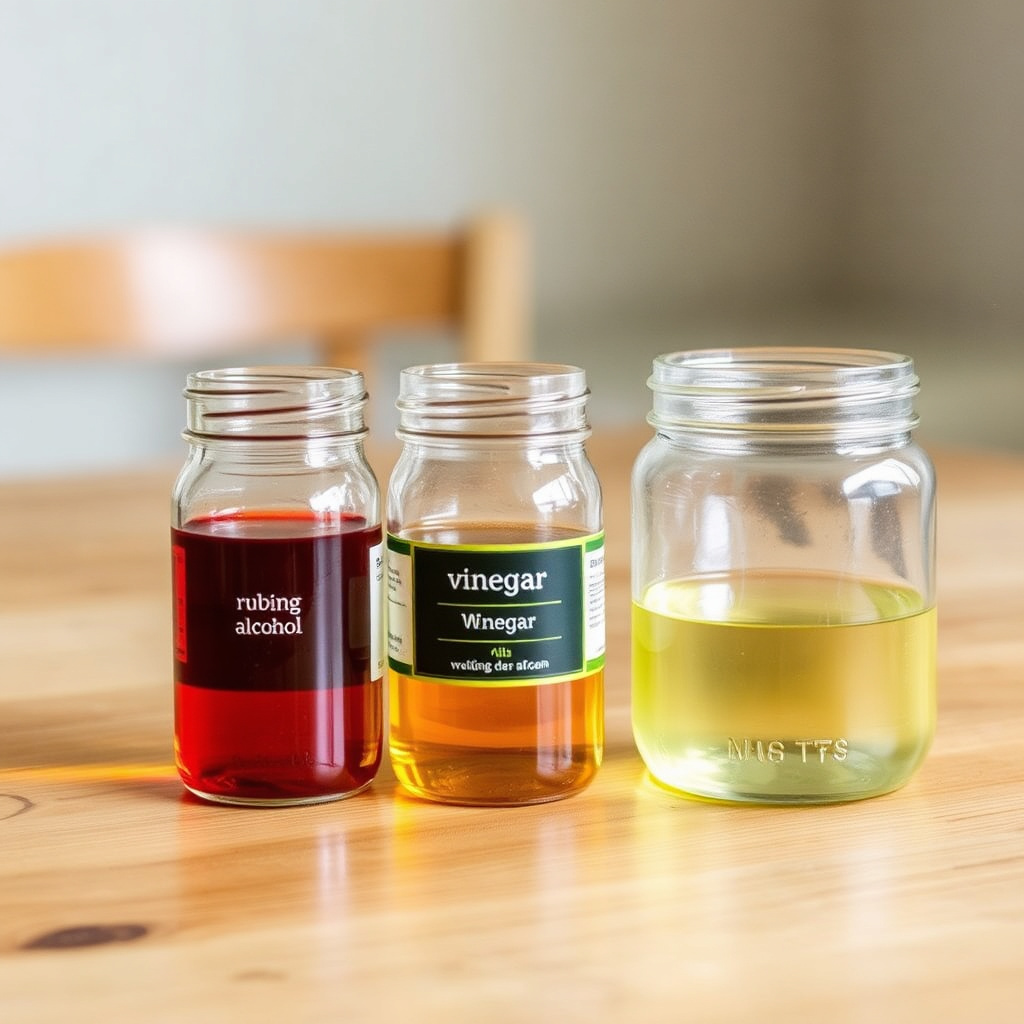
Rubbing alcohol dissolves many types of sticker adhesives without damaging most furniture finishes. Apply it to a cotton ball or soft cloth and rub gently on any remaining sticky residue after peeling. Acetone is stronger and effective on stubborn glue but should be used sparingly and tested first on painted or varnished surfaces.
Avoid prolonged soaking or rubbing to prevent damage. Both chemicals evaporate quickly, so repeated application may be necessary for thick adhesive layers.
- Apply with a soft cloth
- Test on hidden area before use
- Use acetone only if alcohol fails
Natural Oils and Vinegar as Mild Removers
Vegetable oils, olive oil, or baby oil help loosen sticky residue by breaking down adhesives without harsh chemicals. Apply a small amount, let it sit for 10–15 minutes to soften the glue, then wipe away with a cloth. White vinegar’s mild acidity also effectively loosens residue and cleans surfaces afterward.
These solutions are gentle, safe for delicate finishes, and also work well on residue from price tags or labels on furniture.
- Apply oil or vinegar directly on residue
- Let sit before wiping
- Good for sensitive surfaces
Removing Sticker Residue and Cleaning the Surface
Techniques to Remove Sticky Residue
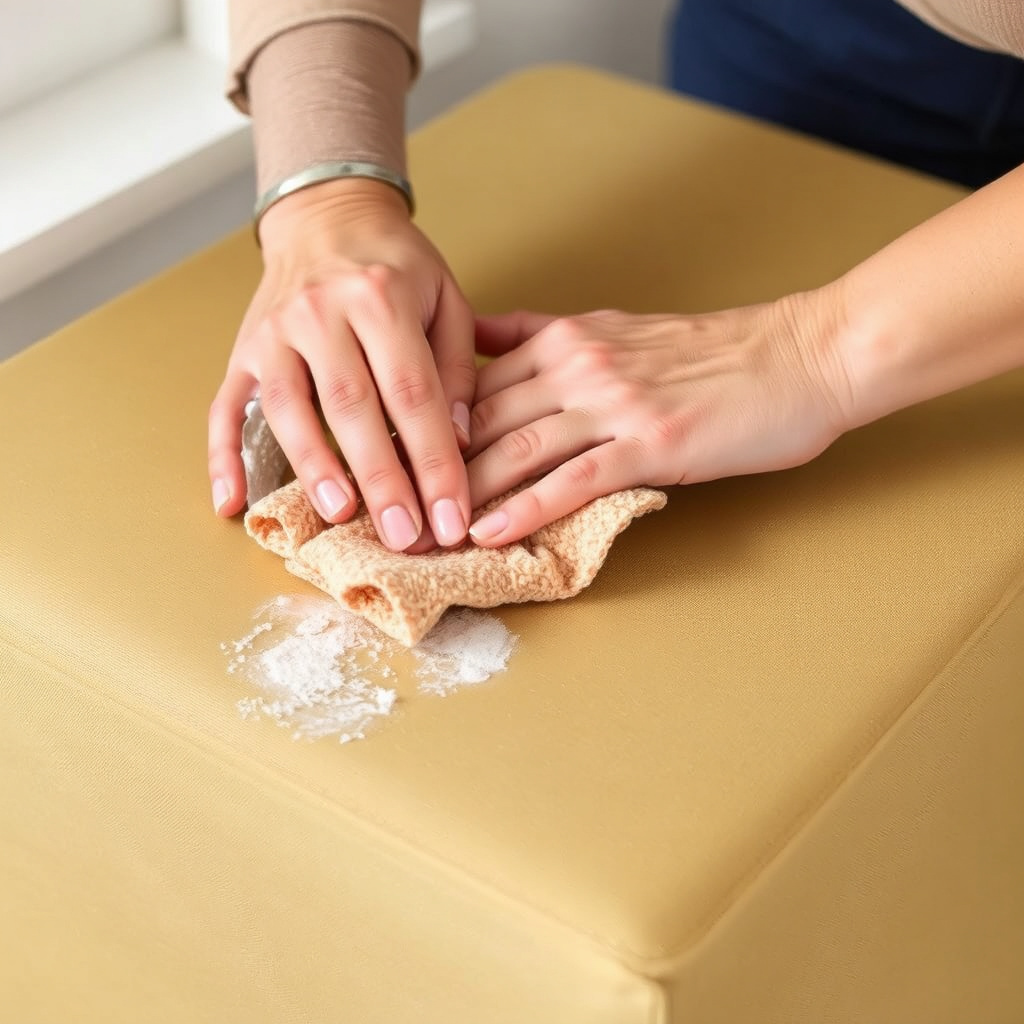
After sticker removal, residues often remain sticky and unsightly. Use a combination of warm soapy water and gentle scrubbing with a microfiber cloth or sponge to wipe away loose adhesive. For persistent tacky spots, apply rubbing alcohol or oil to break down the glue further before wiping clean.
Mechanical assistance like peeling with a plastic scraper or gently rubbing with a pencil eraser can also lift residue without scratching.
- Warm soapy water for initial cleaning
- Use microfiber cloths to avoid scratches
- Plastic scraper for stubborn debris
Restoring the Furniture’s Finish After Removal
Once the adhesive is removed, restoring the furniture’s finish is important to keep it looking good. For wood, use a finishing wax or furniture polish to replenish shine and protect the surface. Painted or laminate surfaces benefit from mild cleaning followed by dry buffing.
If any discoloration occurred during removal, apply appropriate touch-up products like furniture markers or paint spots recommended for the furniture type.
- Use finishing wax for wood
- Polish painted surfaces gently
- Consider touch-up products for damage
Safety Tips and Prevention Advice
Protecting Yourself When Using Removal Products
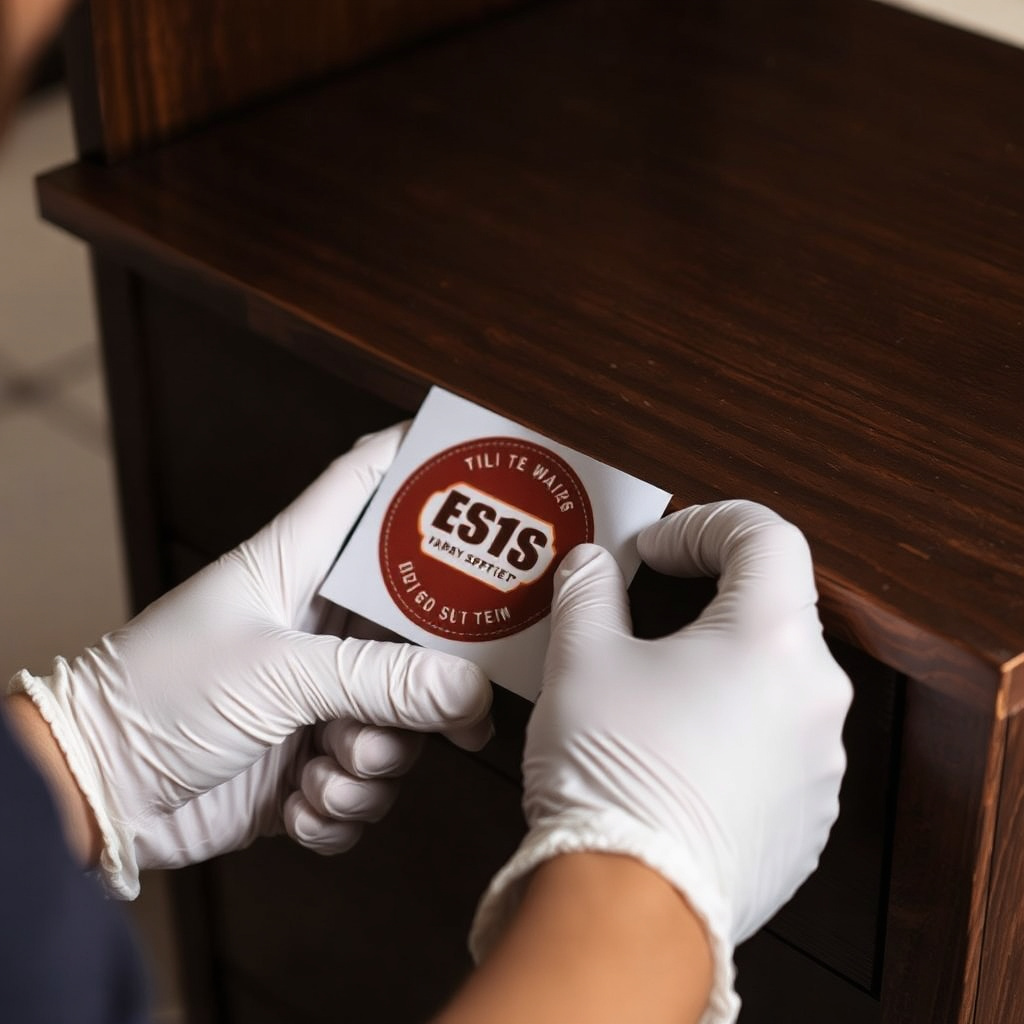
Some commercial removers and solvents can be harsh or irritating. Always wear gloves when working with chemicals like acetone or rubbing alcohol. Ensure good ventilation in the room to avoid inhaling fumes. Avoid contact with eyes and keep removers away from children and pets.
Using natural oils or vinegar presents fewer risks but still requires care to avoid spills or staining other materials.
- Wear protective gloves
- Work in a well-ventilated area
- Keep chemicals away from children
For more detailed information on removing adhesives safely, consult this Wikipedia article. removing adhesives safely.
Tips to Prevent Sticker Damage on Furniture
To minimize trouble in the future, place stickers on removable surfaces like glass or plastic covers instead of directly on furniture. Opt for low-adhesive labels designed to peel easily. If attaching price or shipping stickers, remove them promptly to avoid hardened glue.
Using painter’s tape or masking tape beneath stickers on painted furniture protects finishes during removal.
- Use removable labels when possible
- Remove stickers as soon as feasible
- Apply tape under stickers on sensitive surfaces
Sticker Removal Methods Category Comparison
This table compares various sticker removal methods based on effectiveness, surface compatibility, and ease of use.
| Method | Effectiveness | Safe on Wood | Safe on Paint | Ease of Use |
|---|---|---|---|---|
| Peeling by Hand | Moderate | Yes | Yes | Easy |
| Heat (Hairdryer) | High | Mostly | Mostly | Moderate |
| Rubbing Alcohol | High | Yes | Yes with testing | Easy |
| Acetone | Very High | Risky | Risky | Moderate |
| Vegetable Oil | Moderate | Yes | Yes | Easy |
| White Vinegar | Moderate | Yes | Yes | Easy |
Frequently Asked Questions
Can I use nail polish remover to remove stickers from furniture?
Nail polish remover often contains acetone, which can dissolve sticker adhesives. Use it cautiously by testing on a hidden area first since it may damage finishes, especially on painted or varnished furniture.
What is the safest way to remove stickers from antique wood furniture?
For antique wood, start with gentle methods like warm soapy water and manual peeling. If residue remains, use natural oils to soften adhesives. Avoid harsh chemicals and heat to protect delicate finishes.
How do I remove sticky residue without scratching the furniture surface?
Use a soft microfiber cloth with warm soapy water or mild solvents like rubbing alcohol. Avoid abrasive tools; a plastic scraper or pencil eraser can help lift residue gently without scratching.
Is it better to remove stickers immediately or wait for them to fall off?
Removing stickers promptly is preferable, as adhesives harden and become harder to remove over time. Early removal reduces the risk of residue buildup and finish damage.
Can heat damage my furniture while removing stickers?
Heat softens adhesives but can cause warping or discoloration on heat-sensitive materials like thin veneers or certain plastics. Use hairdryers on low to moderate settings and test first.
Key Takeaways
- Choose removal methods based on furniture surface and adhesive type.
- Manual peeling with gentle tools reduces risk of damage.
- Chemical and natural solutions break down adhesives safely.
- Test any solvent on a hidden area before use.
Conclusion
Removing stickers from furniture safely requires matching the removal method to both the sticker adhesive and the furniture finish. The goal is to dissolve or lift the adhesive without harming the surface’s look or texture. By understanding the furniture’s sensitivity and the sticker type, you can avoid common problems like discoloration, scratches, or lingering residues. Patience and gentle techniques typically yield the best results, as aggressive attempts can cause more harm than good.
For heavy-duty removals on durable pieces, combinations of heat and solvents such as rubbing alcohol or acetone may work best, but always test first. On delicate or antique wood, natural oils and warm soapy water paired with careful peeling protect the finish. If a sticker only partially comes off, using plastic scrapers along with mild chemicals helps clear the rest gently. If residue persists, applying furniture polish or wax afterward helps restore the surface’s appearance effectively.
Ultimately, starting with the gentlest method and escalating carefully ensures the furniture maintains its integrity. Try peeling by hand or using oil first if you want minimal risk. If needed, use the hairdryer and solvents as next steps. After removal, cleaning and protecting the surface with polish or wax extends the furniture’s life. This approach removes stickers without a trace, keeping your furniture looking its best with little effort.