How to Restore Leather Furniture: Step-by-Step Guide for a Fresh Look
Restoring leather furniture starts with a thorough cleaning, followed by repairing any damage and conditioning the leather to revive its natural softness and shine. Addressing surface wear, scratches, and stains carefully can bring your leather pieces back to life without the need for costly replacements.
Leather furniture ages gracefully, but it’s prone to cracking, fading, and stains after years of use. Taking proper care and restoring it periodically is key not only to maintaining its aesthetic appeal but also to preserving its value and durability over time. How to Restore Leather Furniture.
This article covers practical methods to clean, repair, condition, and protect your leather furniture. From selecting the right products to applying finishing touches, you’ll gain clear insights into restoring your furniture’s original comfort and elegance effectively.
Understanding Leather Furniture Restoration
Types of Leather and Their Characteristics
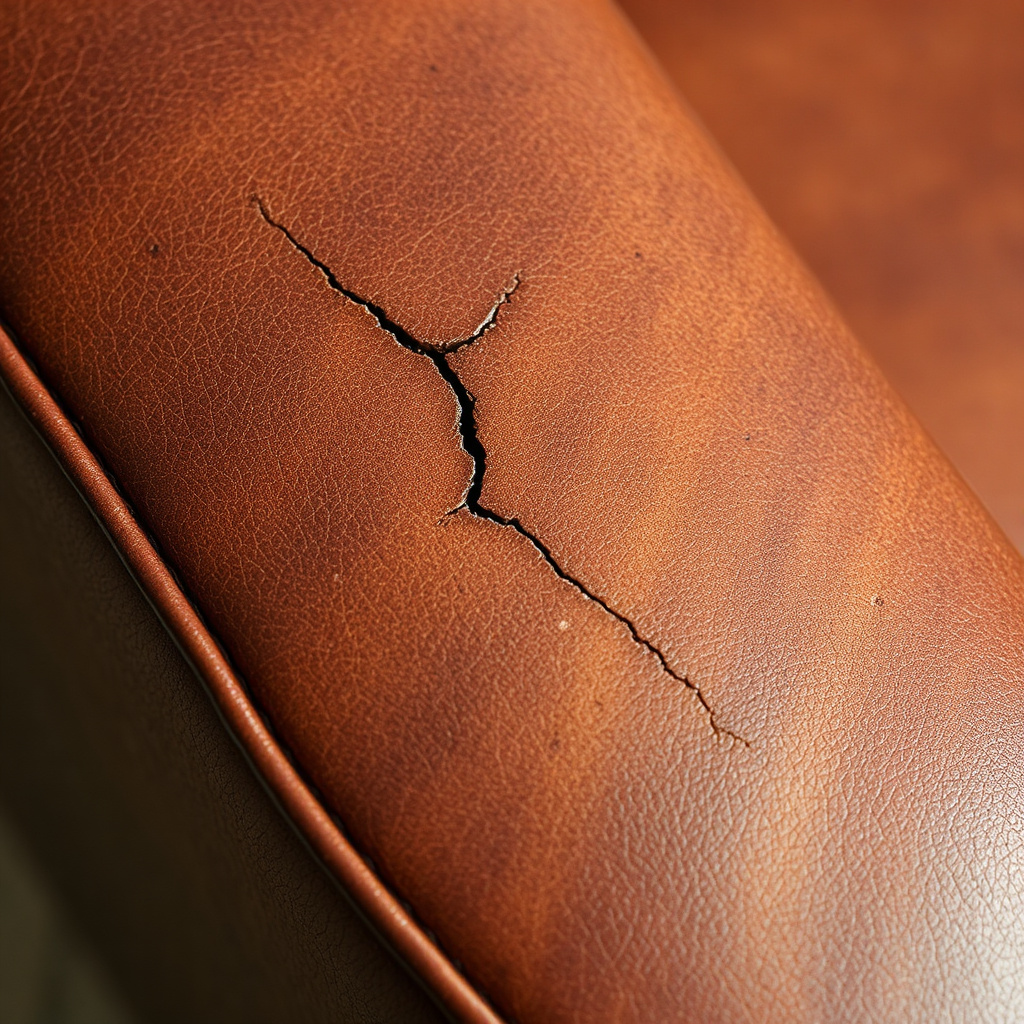
Different leather types require different restoration approaches. Aniline leather, for example, has minimal protective coatings, so it shows stains more easily but feels very soft. Pigmented leather has a painted surface layer making it more durable but less supple.
Knowing your furniture’s leather type helps determine the appropriate cleaning products and repair techniques to avoid further damage or unwanted discoloration during restoration.
- Aniline leather: soft, natural, easily stained
- Pigmented leather: coated, durable, colorfast
- Semi-aniline leather: balance of softness and protection
Common Issues with Aged Leather
Aged leather might display common problems such as cracks, fading, scratches, and surface dryness. These issues affect both appearance and comfort, signaling the need for restoration.
Understanding the typical signs of wear helps prioritize restoration steps, focusing first on cleaning and conditioning before repairing structural damage or color loss.
- Surface cracks from dryness
- Color fading due to sunlight
- Scratches from daily use
- Sticky or grimy feel from dirt buildup
Cleaning Leather Furniture Properly

Choosing the Right Cleaning Products
Leather furniture cleaning tips emphasize using mild, pH-balanced products specifically formulated for leather. Harsh chemicals like ammonia or bleach can strip natural oils and cause discoloration.
A gentle leather cleaner or a homemade solution of mild soap and distilled water can effectively lift dirt without damaging the surface.
- Use pH-neutral leather cleaners
- Avoid harsh detergents or solvents
- Test any cleaner on a hidden spot first
For more on this, see our related guide: How to Buy Leather Furniture in 3 Easy Steps.
Step-by-Step Cleaning Process
Begin by removing loose dust with a dry microfiber cloth. Apply the cleaner sparingly with a damp cloth, gently rubbing in circular motions. Avoid soaking the leather, as excess moisture can cause swelling or warping.
After cleaning, wipe away residue with a clean, damp cloth and let it air dry completely before continuing restoration steps.
- Dust with microfiber cloth
- Apply cleaner with damp cloth
- Gently rub stains and grime
- Wipe with clean damp cloth
- Air dry thoroughly
Repairing Damage on Leather Furniture
Fixing Cracks and Scratches
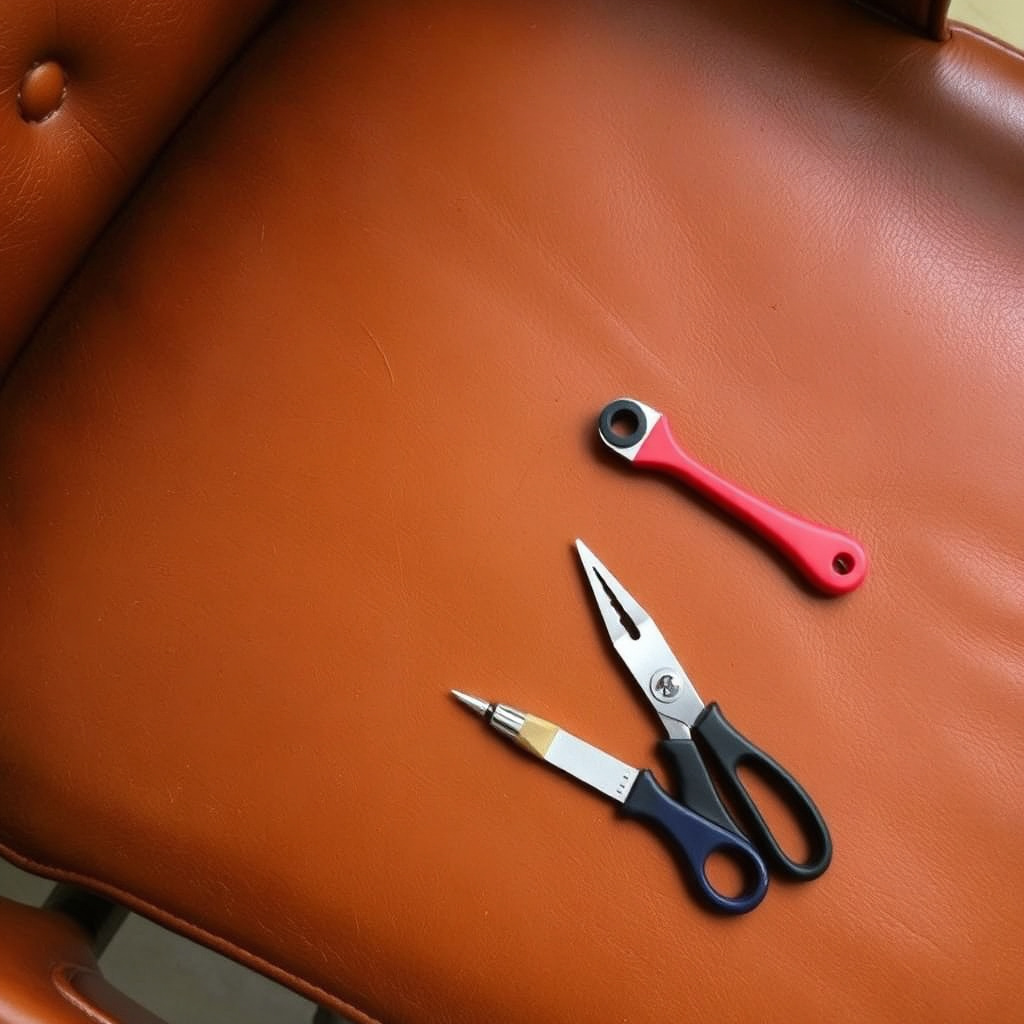
Small scratches can often be buffed out or minimized using special leather conditioners or repair balms that fill and blend surface damage. For deeper cracks, leather filler compounds may be necessary to restore texture.
Patience is vital; apply products in thin layers and allow drying times between coats to achieve a smooth, uniform finish.
- Use leather conditioner to reduce minor scratches
- Apply leather filler for deep cracks
- Sand filler lightly after drying
- Match color with leather dye
Recoloring and Dyeing
Color restoration may involve leather dyes or recoloring creams matched to the original shade. This process requires careful application to avoid uneven patches and to renew faded areas.
Using an airbrush or sponge applicator helps blend colors seamlessly. Always follow product instructions and work in a well-ventilated space.
- Select correct dye shade
- Apply thin, even coats
- Let dry completely between coats
- Seal color with leather finish
Conditioning and Protecting Leather Furniture

Benefits of Leather Conditioning
Conditioning replenishes natural oils lost over time, enhancing softness and flexibility while preventing drying and cracking. It also helps maintain a subtle shine and enriches color depth.
Regular conditioning acts as a protective barrier against spills and everyday wear, extending the life of your leather furniture.
- Restores natural moisture
- Prevents cracks and stiffness
- Improves color vibrancy
- Repels minor stains
Applying Leather Protectants
Leather protectants seal the surface against water, oils, and stains. These products form an invisible shield that reduces damage from spills and dirt.
Apply protectants only after thorough cleaning and conditioning for optimal absorption and effectiveness.
- Use after cleaning and conditioning
- Apply evenly with a soft cloth
- Allow full absorption
- Reapply every 6-12 months
Maintaining Restored Leather Furniture

Daily and Weekly Care Tips
Dust your leather furniture regularly using a soft cloth or vacuum with a brush attachment to prevent dirt buildup. Wipe up spills immediately to avoid stains.
Avoid placing items that might scratch the surface and keep leather out of direct sunlight to prevent fading.
- Dust weekly with microfiber cloth
- Clean spills immediately
- Keep away from sharp objects
- Avoid direct sunlight exposure
For more detailed information about leather properties and care, visit this comprehensive leather furniture care and restoration overview. Leather furniture care and restoration.
When to Schedule Professional Restoration
If damage is extensive—such as deep tears, severe discoloration, or weakened structural stitching—consulting a professional restorer is advisable. They have advanced tools and techniques for complex repairs.
Professional restoration can save valuable antique or expensive pieces, maintaining their original quality and appearance better than DIY methods.
- Deep tears or rips
- Severe color fading or stains
- Structural damage to stitching or padding
- Extensive surface cracking
Leather Furniture Restoration Methods Comparison
Here’s a quick comparison of common restoration methods highlighting their ease, cost, and effectiveness for different types of leather damage.
| Restoration Method | Damage Addressed | Cost Range | Skill Level Required |
|---|---|---|---|
| Cleaning & Conditioning | Dirt, minor stains, dryness | $10 – $50 | Beginner |
| DIY Repair Kits | Scratches, small cracks | $20 – $70 | Intermediate |
| Professional Repair | Tears, deep cracks, fading | $100 – $500+ | Expert |
| Re-dyeing | Color fading, discoloration | $50 – $200 | Intermediate |
| Protective Treatments | Ongoing protection | $15 – $60 | Beginner |
Frequently Asked Questions
Can I use household cleaners on leather furniture?
Most household cleaners contain chemicals that can damage leather, causing dryness or discoloration. Always use products specifically formulated for leather or mild, pH-neutral solutions.
How often should I condition my leather furniture?
Conditioning every 3 to 6 months helps maintain leather softness and prevents cracks. Frequency depends on how often the furniture is used and environmental conditions.
Is it possible to restore heavily damaged leather at home?
Minor to moderate damage like scratches and fading can often be restored at home with proper products. For severe damage like deep tears, professional restoration is recommended.
Will leather restore its original color after cleaning?
Cleaning removes dirt and surface stains, but color fading usually requires re-dyeing or recoloring to bring back the original appearance.
How can I prevent my leather furniture from drying out?
Regular conditioning and keeping the furniture away from direct sunlight or heat sources helps retain moisture and prevents dryness and cracking.
Key Takeaways
- Cleaning with mild, leather-specific products is the first crucial step in restoration.
- Repair techniques vary depending on the type and extent of damage.
- Conditioning keeps leather soft and durable over time.
- Professional help is best for severe damage and valuable pieces.
Conclusion
Restoring leather furniture requires a balanced approach focused on cleaning, repairing, conditioning, and protecting the material from further damage. Recognizing the type of leather and extent of wear helps guide your efforts, whether tackling surface stains or deeper cracks. Following practical steps ensures the restored furniture retains its comfort, durability, and look.
For everyday issues like dirt accumulation and mild scratches, leather furniture cleaning tips and conditioning efforts can rejuvenate your pieces efficiently. When facing more extensive damage like severe fading, cracking, or tears, consider professional restoration or careful use of repair kits and dyes. This tailored approach addresses individual restoration goals while preventing mistakes.
Ultimately, a regular maintenance routine combined with timely restoration extends the life of your leather furniture and keeps it looking its best. Start with gentle cleaning and conditioning, then address repairs progressively. Professional services can complement DIY efforts for valuable or heavily worn pieces, helping you preserve your investment effectively over years.