How to Clean Used Furniture: A Complete Guide for a Fresh Start
Cleaning used furniture helps restore its appearance and makes it safe and fresh for your home. To clean used furniture properly, begin by removing dust and debris with a vacuum or soft brush, treat stains with suitable cleaners depending on the material, and sanitize surfaces to eliminate germs and odors. Addressing all these areas ensures your furniture looks good and feels comfortable.
Used furniture can have accumulated dirt, allergens, or stains from previous owners, so tackling all these aspects preserves your investment and promotes a healthier living environment. A thorough cleaning extends the lifespan of the pieces and makes them more inviting to use. This step matters especially if the furniture will be placed in common areas or bedrooms.
This article will cover cleaning techniques for various materials such as wood, fabric, leather, and metal. It will also highlight stain removal strategies, odor neutralization, and maintenance tips to keep your furniture looking pristine through long-term use.
Preparing Used Furniture for Cleaning
Assessing Furniture Condition and Material
Before you start cleaning, identify the furniture’s material type and any damages like cracks or loose joints. Different materials require specific cleaning products and methods to avoid damage.
Checking for stains, mold, or pests early helps select the right approach, whether it’s wood, upholstery, or metal. This step also includes removing cushions or detachable parts to clean separately.
- Inspect wood for scratches or water damage
- Check fabrics for tears or embedded debris
- Look for rust spots or corrosion on metal parts
Gathering Cleaning Supplies
Gather all cleaning supplies beforehand, including vacuum cleaners with upholstery attachments, mild detergents, soft cloths, brushes, and disinfectants.
Choosing pH-neutral cleaners and avoiding harsh chemicals is critical for preserving furniture finishes and fabric color. Natural alternatives like vinegar or baking soda can be effective for odor removal.
- Vacuum with brush attachments
- Soft microfiber cloths
- Mild soap or wood cleaner
- Fabric-safe stain remover
- Disinfectant spray
Cleaning Techniques for Different Furniture Materials
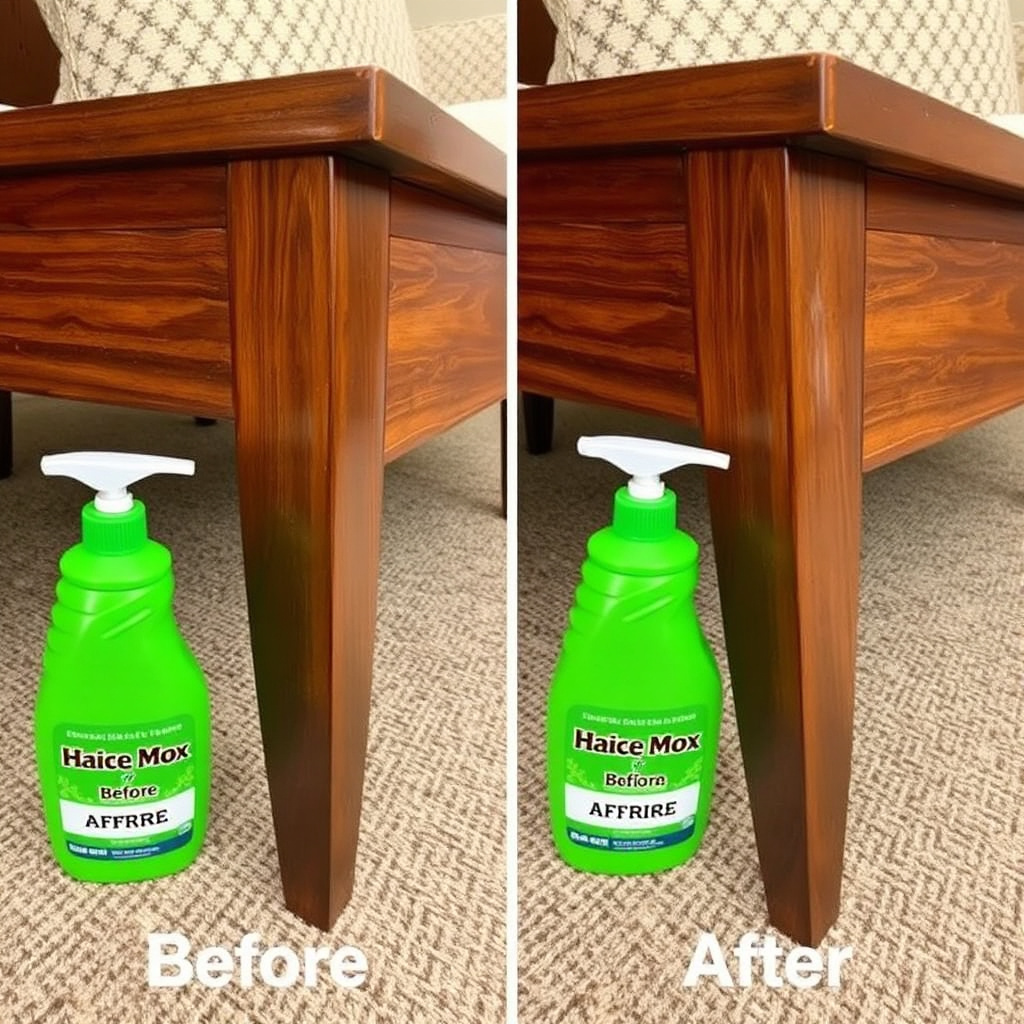
Cleaning Wooden Furniture
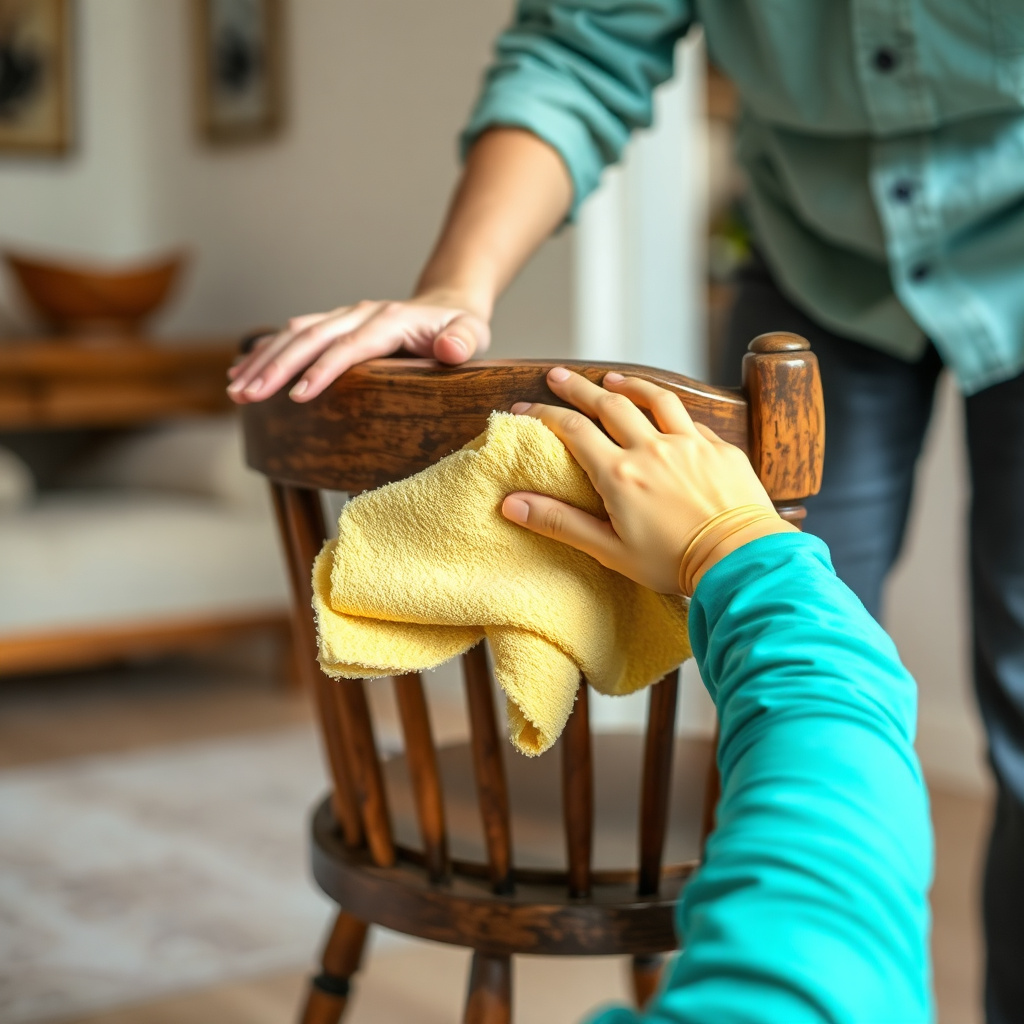
Dust wooden surfaces thoroughly first, then wipe with a damp cloth using a small amount of wood-cleaning solution or diluted mild detergent. Avoid soaking the wood to prevent swelling or warping.
Polishing with furniture oil or wax after cleaning restores shine and creates a protective layer. For tough stains, gently use fine steel wool or a wood-specific cleaner.
- Use dry cloth to remove dust
- Use damp cloth with mild cleaner
- Polish with furniture oil or wax
For more on this, see our related guide: How Do You Buy Furniture in 7 Easy Steps.
Cleaning Upholstered Furniture
Vacuum upholstery to remove dust and crumbs, focusing on seams and crevices where dirt tends to accumulate. Test stain removers on a hidden area before applying to the entire fabric.
Use fabric-safe cleaners or mild detergent mixed with water to spot-clean stains. Avoid oversaturating to prevent mold growth. Allow fabric to air dry completely after cleaning.
- Use vacuum with upholstery attachment
- Spot test cleaners
- Use gentle fabric cleansers or soap
- Air dry thoroughly
Removing Stains and Spots from Used Furniture
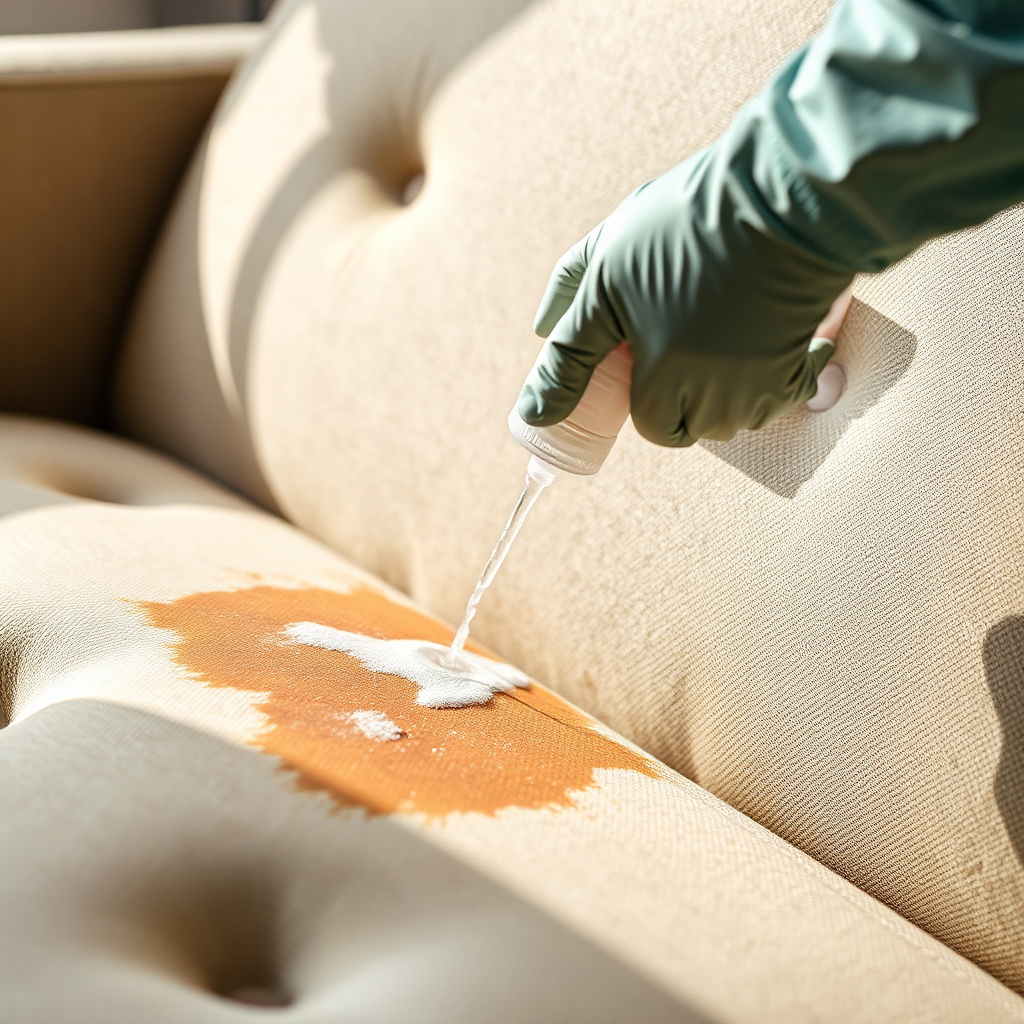
Common Stain Removal for Upholstery
For food or drink spills, blot wet stains immediately with a clean cloth to absorb liquid. Use a mix of water and vinegar or fabric cleaner to remove dried stains without rubbing aggressively to avoid fabric damage.
For grease or oil stains, sprinkle baking soda to absorb the oil before vacuuming, then apply a small amount of dish soap solution and gently blot until the stain fades.
- Blot liquid spills immediately
- Use vinegar-water solution for stains
- Use baking soda for grease stains
Dealing with Stains on Wood Surfaces
White water rings from cups can be treated by applying a paste of baking soda and water gently rubbed onto the stain. For ink or deeper stains, fine steel wool or a commercial wood cleaner may be necessary.
Always finish by wiping clean and applying a protective polish to maintain the wood’s finish and prevent future stains.
- Use baking soda paste for water stains
- Fine steel wool for ink stains
- Apply wood polish after cleaning
Eliminating Odors and Sanitizing Used Furniture
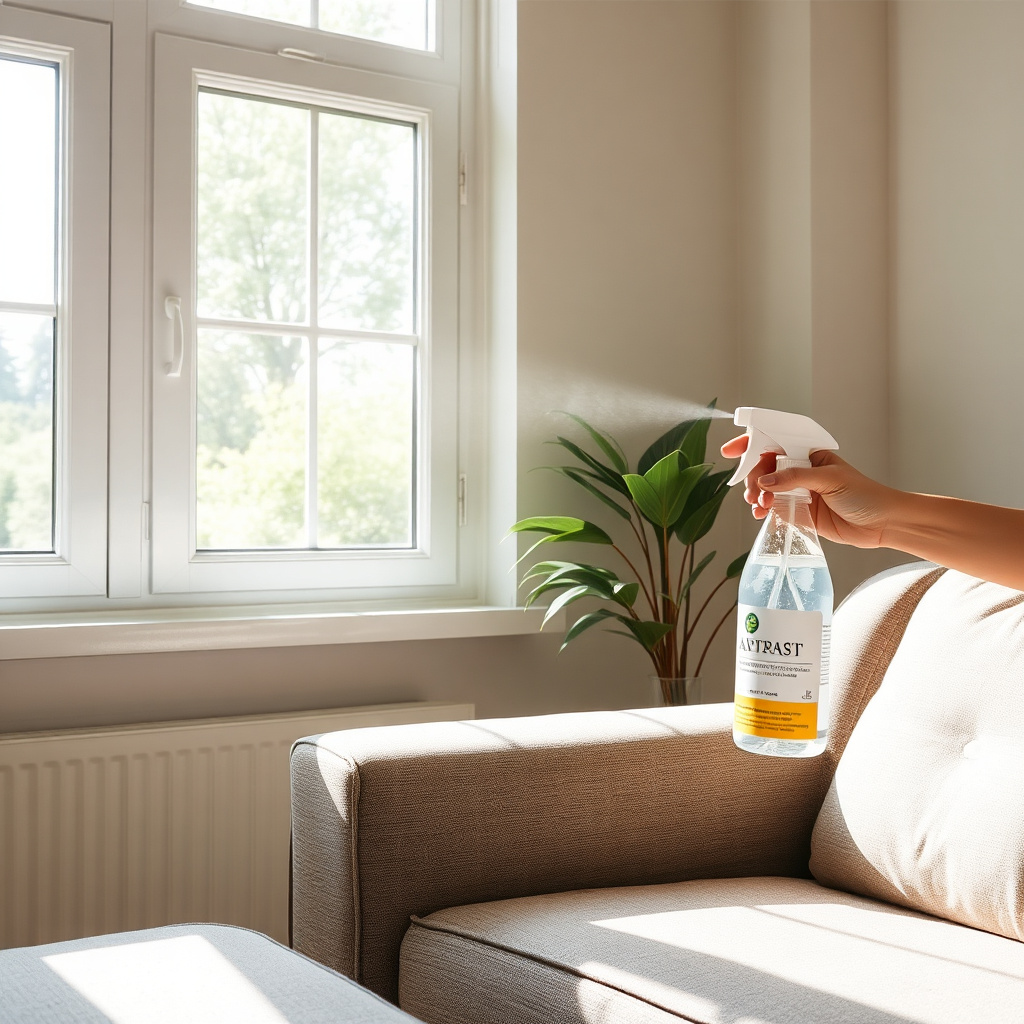
Removing Odors from Upholstery
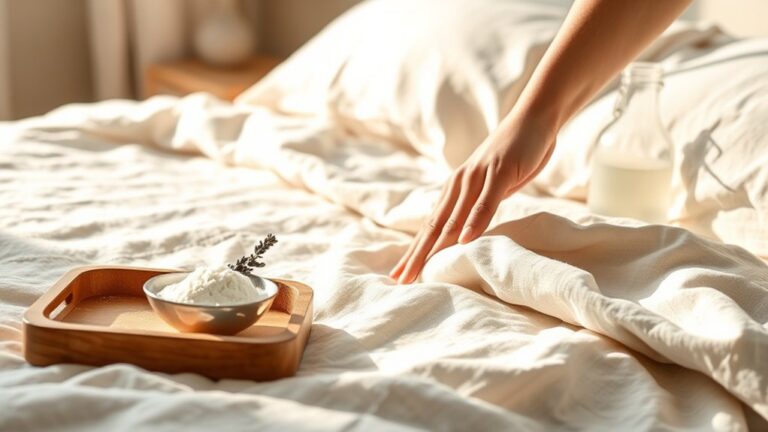
Deodorize fabrics by sprinkling baking soda and letting it sit for several hours before vacuuming it off, which absorbs unpleasant smells naturally. Another option is to use vinegar diluted in water as a spray to neutralize odors.
Using activated charcoal bags near furniture can help continuously absorb smells over time, keeping the area fresh.
- Baking soda to absorb odors
- Vinegar spray for neutralization
- Activated charcoal bags nearby
For more on this, see our related guide: 5 Tips on How Much You Should Spend on Bedroom Furniture.
Sanitizing Furniture Surfaces
To sanitize hard surfaces like wood and metal, use disinfectant wipes or diluted bleach solutions carefully. Fabric sanitizers designed for upholstery are safer for porous materials and kill bacteria or allergens.
Regular sanitization prevents the buildup of germs and helps maintain a hygienic living space, especially during cold and flu seasons.
- Disinfectant wipes for hard surfaces
- Fabric-safe sanitizers
- Avoid harsh chemicals on delicate finishes
Maintenance Tips to Keep Used Furniture Clean

Routine Cleaning Practices
Regular dusting and vacuuming prevent buildup of dirt and allergens. Using protective covers on upholstery can reduce wear and staining, extending the furniture’s life.
Position furniture away from direct sunlight to minimize fading and deterioration of fabrics and finishes over time.
- Dust and vacuum weekly
- Use furniture covers
- Avoid direct sunlight exposure
For detailed background on furniture types and materials, the furniture care guidelines on Wikipedia provide useful information. furniture care guidelines on Wikipedia.
Periodic Deep Cleaning and Inspection
Schedule deep cleaning sessions every few months including shampooing fabric and polishing wood surfaces. Check for any repairs needed like tightening screws or re-gluing joints to maintain stability and appearance.
This proactive approach helps spot problems early and keeps your used furniture looking almost new.
- Deep clean upholstery quarterly
- Polish wood surfaces regularly
- Inspect and repair structural issues
Cleaning Methods for Used Furniture Category Comparison
This table compares different cleaning methods and products suited for various furniture materials and conditions.
| Furniture Material | Recommended Cleaning Method | Best Cleaning Product Type | Frequency of Cleaning |
|---|---|---|---|
| Wood | Damp cloth with mild detergent and polish | pH-neutral wood cleaner or natural oils | Monthly dusting and quarterly polishing |
| Fabric Upholstery | Vacuum plus spot cleaning with fabric cleaner | Fabric-safe detergent or vinegar solution | Vacuum weekly, spot clean as needed |
| Leather | Wipe with damp cloth and leather conditioner | Leather cleaning wipes or conditioners | Dust weekly and condition every 6 months |
| Metal | Wipe with disinfectant and polish | Mild detergent and metal polish | Monthly cleaning |
| Outdoor Furniture | Rinse with water and mild soap | Mild soap and sealant products | After seasonal use |
Frequently Asked Questions
How do I test cleaning products on used furniture?
Apply a small amount of the cleaner on an inconspicuous spot first to check for discoloration or damage before full application.
Can I use vinegar on all types of furniture?
Vinegar is safe for most fabrics and some woods but should be avoided on natural stone or delicate finishes as it can cause damage.
What is the best way to remove pet odors from used furniture?
Sprinkle baking soda on upholstery, leave it overnight, then vacuum thoroughly; repeated treatments may be needed for stubborn odors.
How often should I sanitize my used furniture?
Sanitize hard surfaces monthly and fabric upholstery at least once every few months or more often in high-use areas.
Is steam cleaning safe for all upholstery types?
Steam cleaning is effective for many synthetic fabrics but can damage delicate or natural fibers; always check manufacturer guidelines.
Key Takeaways
- Identify material before selecting cleaning methods for used furniture.
- Use gentle, fabric-safe cleaners and avoid oversaturation.
- Treat stains and odors promptly with appropriate solutions.
- Maintain cleanliness with regular dusting, vacuuming, and periodic deep cleaning.
Conclusion
Choosing the right cleaning approach for used furniture balances care of the material and thoroughness of cleaning. Starting with a careful assessment of the furniture’s surface and condition allows for targeted cleaning that preserves its integrity. Applying suitable cleaning products and methods ensures removal of dirt, stains, and odors without causing damage. Routine maintenance is also key to keeping secondhand pieces welcoming and longer-lasting in any home.
For durable surfaces like wood and metal, monthly cleaning combined with occasional polishing or protective wax restores natural beauty. Upholstered and fabric furniture benefit most from regular vacuuming, immediate spot cleaning, and odor neutralizing treatments like baking soda applications. Leather furniture must be handled with special cleaners and conditioners to maintain suppleness. By adapting your routine cleaning based on these specifics, used furniture can offer comfort and style comparable to new pieces.
Begin your cleaning process by gathering the proper supplies and conducting a material assessment. Proceed with material-appropriate techniques for dusting, stain removal, and deodorizing. Remember that frequent light cleaning combined with scheduled deep cleans and repairs will maximize the usability of your furniture. These steps provide a foundation to enjoy your used furniture for years with freshness and appeal.