How to Get Fleas Out of Furniture: Effective Methods That Work
Getting fleas out of furniture requires a combination of cleaning, treating, and regular monitoring. Start by thoroughly vacuuming all the pieces, paying attention to cushions, seams, and hidden crevices where fleas and larvae hide. Then, apply effective flea treatments designed specifically for furniture to eliminate all stages of fleas. How to get fleas out of furniture.
Fleas clinging to your furniture can cause ongoing irritation, bites, and can quickly spread to pets or other areas of your home. These tiny pests can survive in upholstery fibers making them hard to remove by casual cleaning alone. Understanding how fleas live and reproduce in furniture helps target the right methods to fully eradicate them.
This article explains the step-by-step process on how to get fleas out of furniture, including preparation, methods of treatment, cleaning techniques, and prevention tips. You’ll learn about the best flea treatment for furniture and how to maintain a flea-free environment for good.
Understanding Fleas in Furniture

Flea Life Cycle and Its Impact on Furniture
Fleas have a four-stage life cycle: egg, larva, pupa, and adult. Furniture often harbors flea eggs and larvae, as these stages thrive in fabric fibers, especially if pets frequently rest there. Adult fleas jump onto hosts but leave eggs behind in the environment, making furniture an ideal breeding ground.
Knowing where fleas are in the cycle helps in eliminating them completely. Treating only adult fleas often results in recurrence because the eggs and larvae remain unaffected. This underlines the need for comprehensive cleaning combined with insecticides that target all flea stages.
Common Furniture Types Affected
Fleas tend to infest furniture types that are regularly used by pets, such as sofas, armchairs, pet beds, and carpets. Upholstered pieces with fabric folds, cushions, and crevices provide shelter to flea larvae and pupae.
Hard surfaces like wood or leather are less prone to flea infestations but can still harbor fleas at joints or under cushions. Recognizing which furniture is prone to infestations helps prioritize cleaning and treatment efforts.
Preparing Furniture for Flea Treatment

Vacuuming Thoroughly to Remove Fleas and Eggs
Begin by vacuuming all furniture pieces meticulously. Use attachments to reach seams, folds, and under cushions. The suction removes adult fleas, eggs, larvae, and pupae embedded in the fibers or cracks.
Dispose of the vacuum bag or empty the canister outdoors immediately after vacuuming to prevent fleas from escaping back inside. Frequent vacuuming over several days maximizes removal of newly hatched fleas.
- Use a vacuum with strong suction and specialized upholstery attachments
- Focus on high-traffic areas where pets rest
- Empty vacuum outdoors after use
Washing Removable Covers and Pet Bedding
Any removable furniture covers, cushion covers, or pet bedding that can be washed should be cleaned in hot water (above 130°F/55°C) to kill fleas and eggs.
If items cannot be machine washed, steaming or dry cleaning are effective alternatives. Repeat washing regularly during flea treatment to reduce re-infestation.
- Use hot water cycles for washing
- Consider pet-safe detergents
- Repeat washes during treatment period
Chemical and Natural Flea Treatments for Furniture
Using Insecticides Safely on Furniture
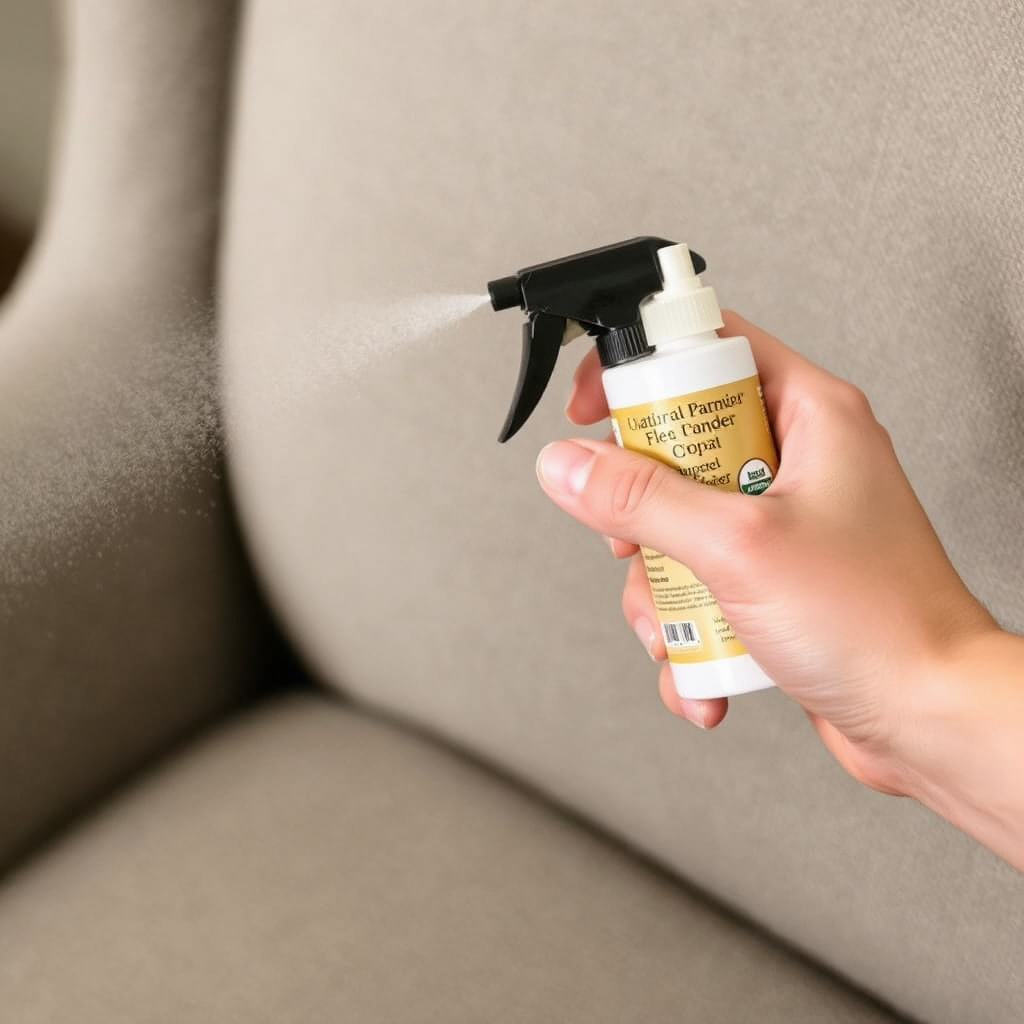
Apply EPA-approved insecticidal sprays or foggers designed specifically for furniture and indoor use. These products kill active fleas and prevent hatching of eggs. Always follow manufacturer instructions closely for safe and effective use.
Some treatments contain insect growth regulators (IGRs) that interrupt the flea life cycle, stopping eggs from maturing. Ensure the treated area dries completely before letting pets or people use the furniture again.
- Choose flea sprays labeled for furniture
- Wear gloves and ventilate rooms well
- Keep pets and children away until dry
Natural Remedies and Preventive Options
Diatomaceous earth, a natural mineral powder, can be lightly dusted on furniture to dehydrate and kill fleas without chemicals. Other options include cedarwood oil sprays and neem oil treatments that repel fleas naturally.
While natural treatments may take longer to work than insecticides, they offer a lower-toxicity alternative and can be combined with mechanical cleaning methods for better flea control.
- Use food-grade diatomaceous earth carefully to avoid inhalation
- Test essential oils on upholstery fabric before widespread use
- Repeat application as recommended
Maintaining a Flea-Free Furniture Environment

Regular Cleaning and Vacuuming Routine
Maintaining flea-free furniture requires consistent cleaning practices. Vacuum furniture, carpets, and floors weekly, and wash pet bedding often to minimize flea eggs and larvae buildup.
Prompt attention to pet flea treatments combined with home cleaning disrupts the flea life cycle and prevents new infestations.
- Schedule vacuuming at least once a week
- Clean pet bedding every 1-2 weeks
- Inspect furniture regularly for signs of flea activity
Environmental Control and Prevention
Keep indoor humidity low and temperature moderate since fleas thrive in warm, humid environments. Limit outdoor access or treat yard areas where pets spend time to reduce flea exposure.
Use flea collars or spot-on treatments for pets, and consider professional pest control services for severe infestations to protect your furniture long-term.
- Control indoor humidity below 50%
- Treat pets routinely with flea prevention
- Consider outdoor flea control solutions
When to Seek Professional Flea Extermination

Signs You Need Expert Help
If flea infestations persist despite thorough cleaning and treatments, or if you notice widespread bites and pet distress, professional exterminators can provide more powerful, targeted solutions.
Severe infestations may require heat treatment or specialized insecticides not available to consumers. Experts can also guide in integrated pest management tailored to your home.
For a deeper understanding of flea biology and control methods, the CDC provides comprehensive resources on flea behavior and prevention. flea biology and control.
Choosing a Qualified Pest Control Service
Look for licensed pest control companies with experience in flea eradication. Ask about their methods, safety measures, and guarantees before hiring.
Professional treatment can be coordinated with your pet care routine and done with minimal disruption, ensuring complete removal of fleas from your furniture and overall home.
- Verify licenses and insurance
- Request references or reviews
- Discuss treatment plans and safety
Comparison of Flea Treatment Categories for Furniture
Below is a comparison of common flea treatment options focusing on safety, effectiveness, and ease of use on furniture.
| Treatment Type | Effectiveness | Safety for Pets and People | Ease of Application | Cost |
|---|---|---|---|---|
| Insecticidal Sprays | High | Moderate (follow instructions) | Easy | Moderate |
| Diatomaceous Earth | Moderate | High (non-toxic) | Moderate (dusting required) | Low |
| Natural Oils (Cedarwood, Neem) | Low to Moderate | High | Easy | Moderate |
| Professional Extermination | Very High | High (professionally managed) | Requires Appointment | High |
| Vacuuming & Washing | Moderate | High | Easy | Low |
Frequently Asked Questions
Can fleas survive on furniture without a pet present?
Fleas can survive for several weeks on furniture without a pet by feeding on blood from humans or waiting for a new host to arrive. However, they prefer animal hosts and typically decline without regular access to pets.
Is it safe to use flea sprays on all types of furniture?
Flea sprays designed for indoor use are generally safe on fabric upholstery but may not be suitable for delicate materials like silk or leather. Always check the product label and test a small area before full application.
How often should furniture be treated to keep fleas away?
For ongoing prevention, vacuuming weekly and washing pet bedding every 1-2 weeks is recommended. Chemical or natural treatments can be applied monthly or as indicated on product instructions to control flea populations.
Will washing removable covers alone eliminate fleas from furniture?
Washing removable covers helps reduce flea numbers but does not fully eliminate fleas hiding in non-removable upholstery or crevices. A combined approach with vacuuming and treatment is needed for complete flea removal.
Can natural flea treatments replace chemical insecticides entirely?
Natural treatments like diatomaceous earth and essential oils can aid flea control but usually act slower and may be less effective alone. Combining them with mechanical cleaning or insecticides offers more reliable results.
Key Takeaways
- Vacuuming and washing are foundational steps in flea removal from furniture
- Use flea treatments labeled for furniture to kill all flea life stages
- Natural options exist but may require repeated application
- Professional help is advisable for severe infestations
Conclusion
Successfully removing fleas from furniture involves understanding their lifecycle and habitats within upholstery and fabrics. Treating only visible adult fleas will not suffice; eggs and larvae hidden deep in cushions and seams require consistent cleaning and targeted treatments. Establishing a routine of thorough vacuuming, washing furniture covers, and applying effective flea control products breaks the flea reproduction cycle and prevents reinfestation.
For lighter infestations, at-home methods like insecticidal sprays combined with vacuuming and washing pet bedding provide manageable and accessible solutions. Natural flea treatments offer healthier alternatives though they work best combined with mechanical methods. In cases where fleas persist despite these efforts or infestations become widespread, professional extermination becomes a practical option to eradicate fleas safely and efficiently. Calling in experts can save time and provide peace of mind.
Start by vacuuming your furniture and washing removable covers today, then apply a targeted flea treatment suitable for your upholstery. Keep pets on regular flea prevention and maintain cleanliness throughout your home. By following these steps, you can restore comfort to your furniture and keep fleas from making a comeback.