How to Clean Aluminum Patio Furniture for a Pristine Outdoor Space
Cleaning aluminum patio furniture starts with removing surface dirt and grime using mild soap and water, then addressing stubborn stains or oxidation with specialized cleaners or household items like vinegar. A soft brush or cloth helps preserve the finish, restoring the furniture’s original shine safely and effectively.
Maintaining aluminum patio furniture is essential because it naturally resists rust but can accumulate dirt, oxidation, and discoloration over time from exposure to weather elements. Proper cleaning not only enhances appearance but also extends the furniture’s life and keeps your outdoor space inviting and comfortable.
This article will guide you step-by-step on how to clean aluminum patio furniture, covering recommended cleaning agents, techniques for tackling tough stains, tips for preserving the finish, and suggestions on protecting your furniture to keep it looking its best season after season.
Understanding the Basics of Cleaning Aluminum Patio Furniture

Why Aluminum Furniture Needs Special Care
Aluminum patio furniture is popular due to its lightweight, rust-resistant properties. However, it develops surface oxidation and dirt buildup that dull its appearance. Unlike steel or iron, aluminum doesn’t rust, but oxidation forms a chalky, whitish film that should be cleaned off to maintain shine.
Treating aluminum gently with non-abrasive cleaners is critical to avoid scratching the finish or damaging protective coatings. Using harsh chemicals or wire brushes can erode the metal or strip off paint layers, which shortens the furniture’s lifespan.
Common Types of Dirt and Stains on Aluminum Furniture
Dirt and stains on aluminum patio furniture range from environmental dust and pollen to bird droppings and food spills. Over time, UV rays and moisture cause oxidation, contributing to a dull, chalky look. Understanding the source helps in selecting the right cleaning method.
Some stains may require deeper cleaning methods including commercial aluminum cleaners or home remedies like baking soda paste or white vinegar solutions, depending on stain severity and safety for the paint finish.
Step-by-Step Cleaning Process for Aluminum Patio Furniture

Routine Cleaning with Soap and Water
The simplest way to clean aluminum furniture is with warm water mixed with mild dish soap. Using a soft sponge or cloth, wash off dirt and debris thoroughly, then rinse with clean water. This routine removes light dust and prevents buildup without harming paint or metal.
Drying the furniture with a soft towel helps prevent water spots. This basic cleaning should be performed at least once a month during the patio season to keep surfaces looking fresh.
- Use mild dish soap
- Avoid abrasive scrubbers
- Rinse thoroughly with water
- Dry with soft towel
Removing Tough Stains and Oxidation
For stubborn stains or oxidation, create a paste of baking soda and water or spray white vinegar directly on the affected area. Let it sit for 10-15 minutes before gently scrubbing with a nylon brush or soft cloth. This restores the aluminum’s luster without abrasive impact.
Commercial aluminum cleaners designed specifically for patio furniture are also effective, especially for heavy oxidation. Always follow product instructions and test on an inconspicuous spot first to avoid damage.
- Use baking soda paste or white vinegar
- Apply commercial aluminum cleaner if needed
- Test cleaner on a hidden spot
- Gently scrub with nylon brush
Protecting and Maintaining Aluminum Patio Furniture After Cleaning
Applying Protective Waxes and Sealants
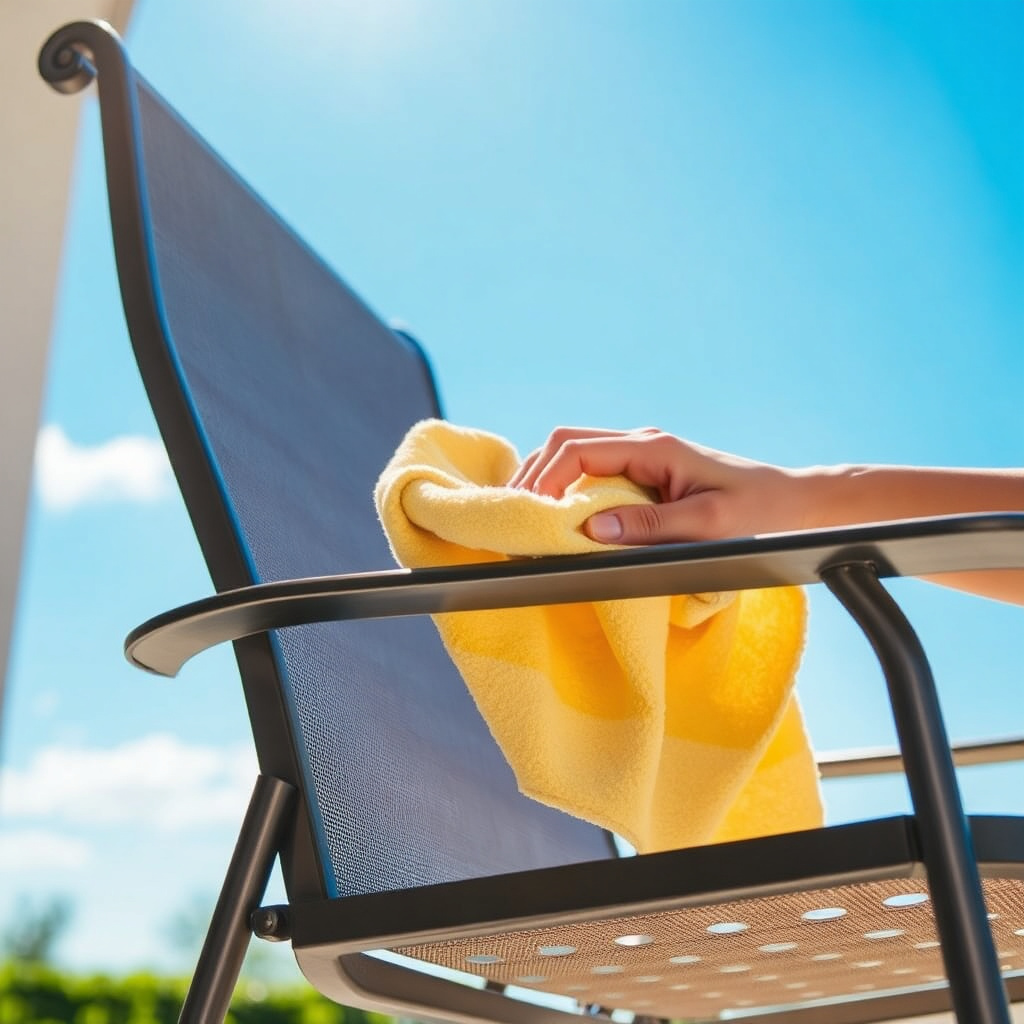
After cleaning, applying a thin layer of car wax or a specialized patio furniture sealant can guard aluminum against oxidation and UV damage. This protective coating makes future cleanings easier and keeps the metal shiny longer.
Waxes should be applied with a soft cloth and buffed gently. Repeat this process every few months during warm seasons to maintain optimal protection and appearance.
- Use car wax or furniture sealant
- Apply with soft cloth
- Buff gently for shine
- Reapply every 3-4 months
Storage Tips to Prevent Dirt Build-Up and Weather Damage
Whenever possible, store aluminum furniture indoors or under covers during inclement weather or winter months. Using breathable furniture covers reduces moisture trapping and dirt accumulation, minimizing cleaning frequency.
Spacing furniture away from trees and dusty areas also limits pollen and debris settling. Good storage practices work alongside regular cleaning to preserve the furniture’s condition year-round.
- Use breathable furniture covers
- Store indoors during off-season
- Keep away from trees and dust
- Arrange furniture to avoid scratches
Tools and Supplies Recommended for Cleaning Aluminum Patio Furniture
Essential Cleaning Tools
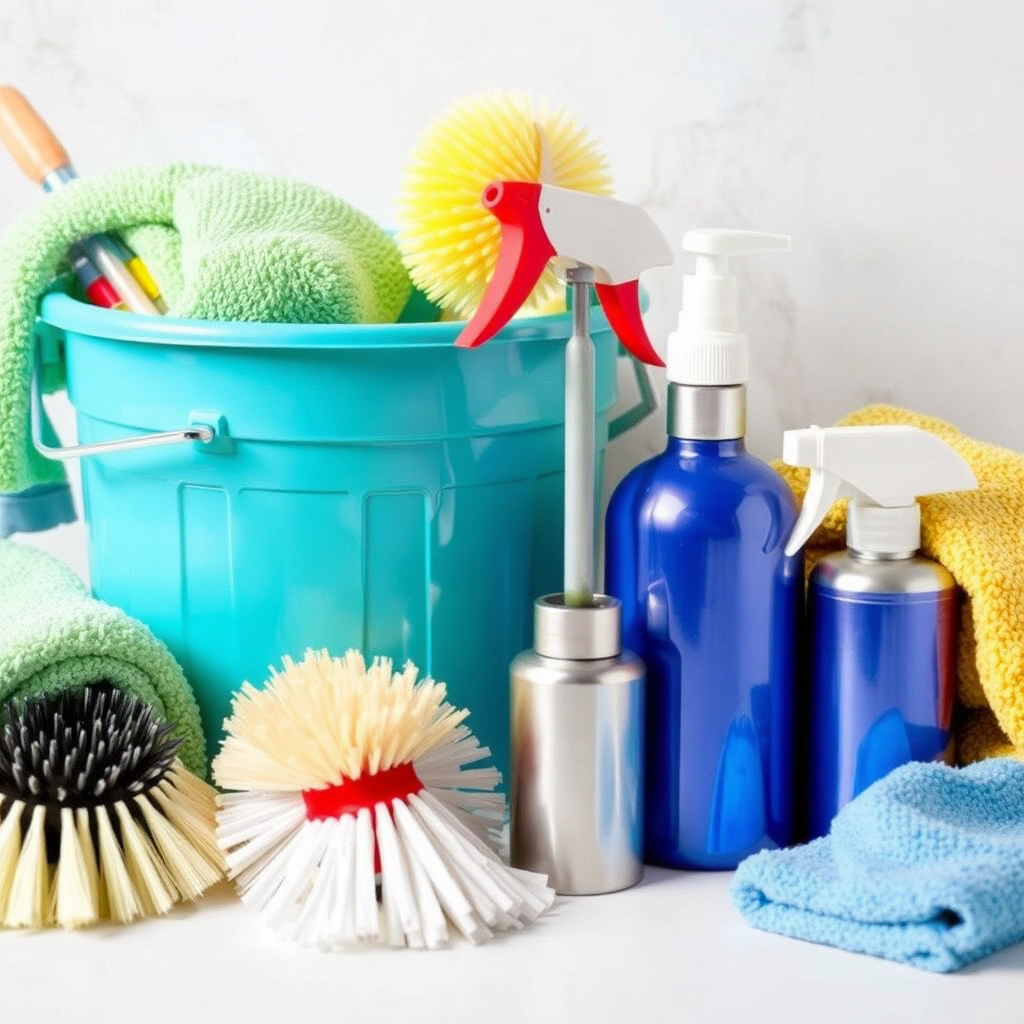
Soft sponges, microfiber cloths, nylon brushes, and buckets are must-haves for effectively cleaning aluminum furniture. Avoid steel wool or wire brushes which scratch the surface. Gloves can protect your hands when using stronger cleaners.
A garden hose with a spray nozzle helps rinse off soap and cleaner residues completely, preventing water spots and streaks.
- Soft sponge or microfiber cloth
- Nylon brush for scrubbing
- Bucket for soapy water
- Garden hose for rinsing
- Gloves for protection
Recommended Cleaning Products
Mild dish soap works well for routine cleaning, while baking soda and white vinegar are excellent natural options for stains. For heavy oxidation, commercial aluminum patio furniture cleaners or automotive aluminum polish products offer strong cleaning power without damage.
Avoid acidic or strong alkaline cleaners not designed for aluminum, as they can cause discoloration or surface pitting.
- Mild dish soap
- Baking soda
- White vinegar
- Commercial aluminum cleaner
- Automotive aluminum polish
Dealing with Specific Issues in Aluminum Patio Furniture Cleaning
Eliminating Oxidation Effectively
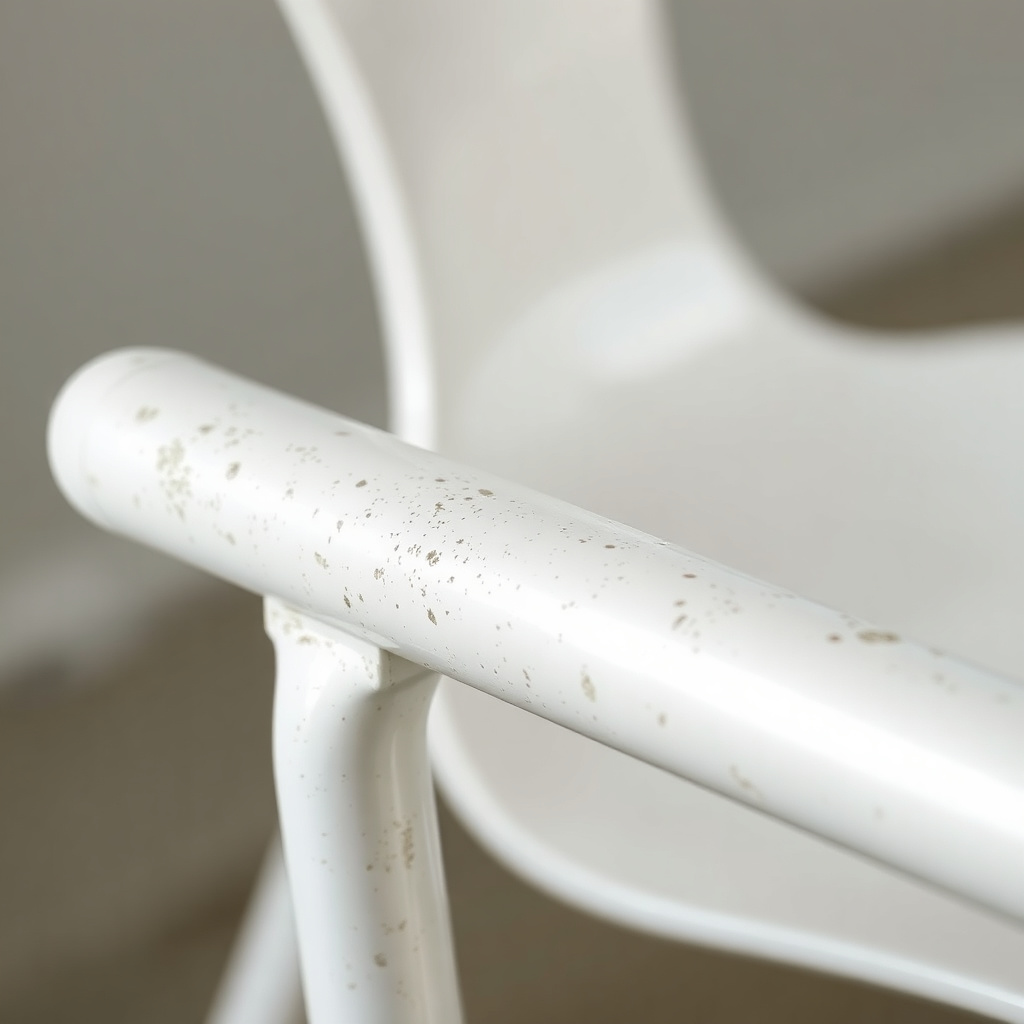
Oxidation appears as white or chalky buildup and is common with aluminum exposed to weather. It can be removed using gentle scrubbing with vinegar or baking soda paste. Persistent oxidation may require repeated treatments or specialized commercial products.
Patience is key, as aggressive scrubbing harms the finish. After oxidation removal, the furniture benefits from a protective coating to slow down future buildup.
For more detailed information on aluminum furniture and its durability, visit this article on aluminum furniture care tips. aluminum furniture care tips.
Removing Mold, Mildew, and Hard Water Stains
Mold and mildew can appear on aluminum furniture in damp climates and should be cleaned promptly using a mixture of water and mild bleach solution or specialized mildew cleaners safe for aluminum. Hard water stains may require vinegar applications or commercial stain removers.
Rinse thoroughly after treatment to avoid residue and reapply protective wax or sealant once dry.
Aluminum Patio Furniture Cleaning Methods Comparison
Here’s a comparison of common cleaning methods for aluminum patio furniture to help you choose the best approach for your needs.
| Method | Effectiveness | Safety for Finish | Ease of Use | Cost |
|---|---|---|---|---|
| Soap and Water | Good for light dirt | Very safe | Easy | Low |
| Baking Soda Paste | Good for oxidation and stains | Safe | Moderate | Low |
| White Vinegar | Effective against oxidation and hard water stains | Safe with care | Moderate | Low |
| Commercial Aluminum Cleaner | Excellent for heavy oxidation | Generally safe if used correctly | Moderate | Medium |
| Automotive Aluminum Polish | Great for restoring shine after cleaning | Safe if tested first | Moderate | Medium |
Frequently Asked Questions
Can I use bleach to clean aluminum patio furniture?
While diluted bleach can help remove mold and mildew, it must be used carefully and rinsed thoroughly to avoid damaging the aluminum finish. Always test on a small area first.
How often should I clean my aluminum patio furniture?
Routine cleaning with soap and water every month during use seasons is sufficient for most environments. Deeper cleaning for stains or oxidation can be done as needed.
Is it necessary to apply wax after cleaning aluminum furniture?
Applying car wax or sealant after cleaning helps protect the finish from oxidation and weather damage, making future cleaning easier and preserving shine.
What should I avoid when cleaning aluminum patio furniture?
Avoid harsh abrasives, wire brushes, acidic or alkaline cleaners not designed for aluminum, as these can scratch, discolor, or pit the metal surface.
Can aluminum patio furniture rust?
Aluminum does not rust like steel but can oxidize, forming a whitish chalky layer. Proper cleaning removes oxidation and maintains the material’s appearance.
Key Takeaways
- Use mild soap and water for routine aluminum furniture cleaning.
- Tackle oxidation with baking soda paste or white vinegar treatments.
- Protect surfaces with car wax or sealants after cleaning.
- Store furniture properly to reduce dirt buildup and weather damage.
Conclusion
Deciding how to clean aluminum patio furniture effectively involves understanding its material properties and the common types of dirt and oxidation it accumulates. Prioritizing gentle cleaning agents like mild soap or natural products ensures the protective finish remains intact while restoring the furniture’s aesthetic appeal. Evaluating the extent of dirt or oxidation guides whether to use routine methods or specialized commercial cleaners, combined with maintenance like waxing to prolong lifespan. This thoughtful approach safeguards your outdoor investment through simple care techniques.
If your aluminum patio furniture exhibits only surface dust or light dirt, regular washing with mild soap and water suits your needs best. For chalky oxidation or tough stains, applying baking soda paste or white vinegar delivers good results without harsh chemicals. Commercial aluminum cleaners come in handy for heavier corrosion but should be tested first. Incorporating protective wax or sealants after cleaning adds a defensive barrier you won’t regret, especially in areas with intense sun or moisture exposure. Together, these steps keep your furniture looking fresh season after season.
Start your cleaning routine by gathering soft sponges, microfiber cloths, and gentle cleaners or household remedies highlighted here. Establish monthly washing habits in warm months and refresh protective coatings quarterly to minimize oxidation buildup. When weather calls for it, cover or store furniture indoors to lessen cleaning frequency. With these practical tips, your aluminum patio furniture will remain inviting, functional, and beautiful for years.