How to Clean Wicker Furniture for a Fresh, Lasting Look
Cleaning wicker furniture starts with removing loose dirt and dust, then washing the surface gently with a mild soap solution, followed by thorough drying to prevent damage. Using soft brushes or cloths preserves the wicker’s intricate weave without causing fraying.
Wicker furniture is delicate and porous, so the way you clean it can greatly affect its lifespan and appearance. Since many wicker pieces are used outdoors, appropriate cleaning protects them from weather damage while indoor pieces benefit from regular dusting to avoid buildup.
This article breaks down step-by-step how to clean various types of wicker furniture, including natural and synthetic variants. We will also explore tools, cleaning solutions, drying tips, and maintenance advice to keep your furniture looking its best for years.
Understanding Wicker Furniture Materials

Differences Between Natural and Synthetic Wicker
Natural wicker furniture is made from materials like rattan, reed, or bamboo, which require delicate care due to their tendency to absorb moisture and weaken if over-wet. Synthetic wicker, often resin-based, is more resistant to water and ideal for outdoor use.
Knowing the material affects cleaning: natural wicker needs gentler methods with minimal water, while synthetic can tolerate more vigorous washing and even power washing for tough dirt.
Identifying Your Wicker Type Before Cleaning
Inspect your furniture’s texture and weight—natural wicker feels lighter and rougher, often showing individual fibers, while synthetic has a smoother, plastic-like finish. Check for manufacturer labels or original purchase information if available.
Identifying your wicker type ensures you use the correct cleaning method, preventing damage from inappropriate moisture or harsh cleaners.
Preparing Your Space and Furniture for Cleaning

Choosing a Location for Cleaning Wicker
If possible, clean wicker furniture outside to minimize mess and aid drying. Spread a tarp or old sheet underneath to catch loosened dirt. For indoor pieces, place them near a window or in a well-ventilated room to speed drying.
Proper placement prevents water damage to floors and helps your furniture dry fully, which is essential to avoid mold or mildew buildup.
Gathering Appropriate Cleaning Tools
Collect soft brushes like toothbrushes or paintbrushes to reach crevices, microfiber cloths, a bucket, mild liquid soap, and a vacuum with a brush attachment. Avoid harsh scrubbers that can damage the wicker’s fibers.
Having the right tools ready saves time and protects your furniture’s weave from unnecessary wear during cleaning.
- Soft-bristled brush
- Microfiber cloths
- Vacuum cleaner with brush attachment
- Mild liquid soap
Step-by-Step Guide on How to Clean Wicker Furniture

Removing Dust and Loose Debris
Begin by vacuuming your wicker furniture with a brush attachment to pick up loose dust and dirt trapped in the weave. For gentle dusting, use a dry microfiber cloth or a soft brush to avoid fraying delicate fibers.
This step prevents dirt from turning into mud when you apply cleaning solutions and helps the furniture look instantly cleaner.
For more on this, see our related guide: 10 Bar Stool Prices – How Much Does a Bar Stool Cost?.
Washing with Mild Soap Solution
Mix a few drops of mild liquid soap in warm water and dip a soft cloth or brush into the solution. Gently scrub the wicker surface, paying special attention to grooves and crevices where grime accumulates. Avoid soaking the furniture to prevent weakening natural fibers.
Synthetic wicker can tolerate a slightly wetter wash, but drying afterward is still key to avoid mold.
- Use lukewarm water
- Avoid bleach or harsh detergents
- Do not over-saturate natural wicker
Drying and Aftercare for Wicker Furniture
Effective Drying Methods
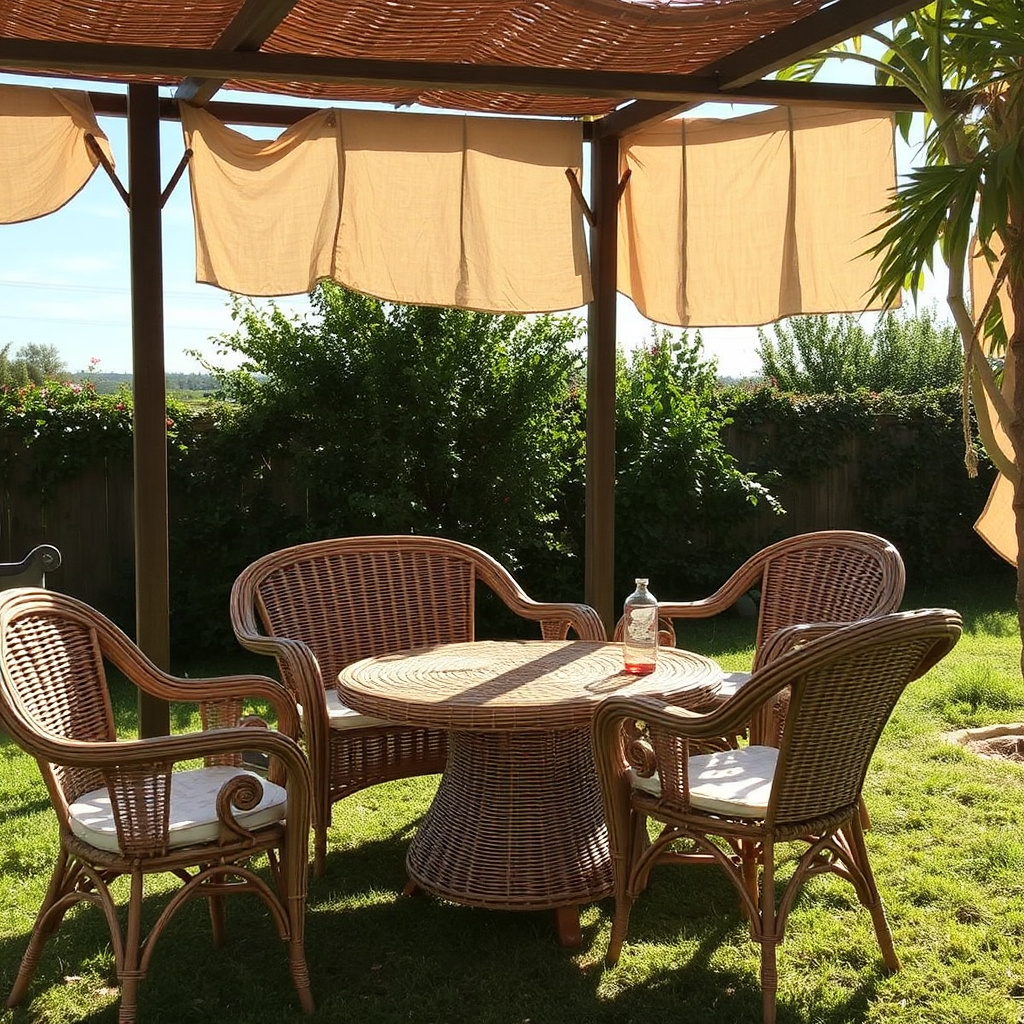
After cleaning, wipe the furniture with a dry cloth to remove surface moisture. Place it in a well-ventilated area or under indirect sunlight to dry completely. Avoid direct harsh sunlight for long periods, which can cause natural wicker to become brittle.
Proper drying prevents moisture-related problems like mildew and keeps the wicker’s structural integrity intact.
Routine Maintenance to Extend Furniture Life
Regular dusting and prompt cleaning of spills extend the wicker’s lifespan. Applying a coat of paste wax or furniture polish designed for wicker once or twice a year creates a protective barrier against dirt and moisture.
Cover outdoor wicker during bad weather or store it indoors in the off-season to avoid long-term weather damage.
- Dust weekly
- Use protective covers outdoors
- Apply furniture polish biannually
Removing Stains and Mold from Wicker Furniture

Safe Stain Removal Techniques
For stains, use a mixture of equal parts white vinegar and water applied with a soft cloth, gently rubbing the spot. Test on a hidden area first to ensure no discoloration happens. Avoid abrasive cleaners that can damage surface finish.
For oil-based stains, a small amount of mild dish soap may be more effective. Rinse and dry immediately after treatment.
For more on this, see our related guide: How Tall Are End Tables and How to Choose the Right Height.
Treating Mold and Mildew Safely
Outdoor wicker often develops mold if left damp. Create a cleaning solution by mixing one cup of bleach in a gallon of water. Use gloves and wear protection, then scrub moldy spots carefully with a soft brush. Rinse thoroughly and dry fully.
For natural wicker, use gentler solutions such as vinegar-water to avoid fiber damage while still removing mildew.
- Use protective gloves
- Rinse thoroughly after bleach treatment
- Avoid over-wetting natural wicker
Professional Cleaning and Restoration Options
When to Seek Professional Help
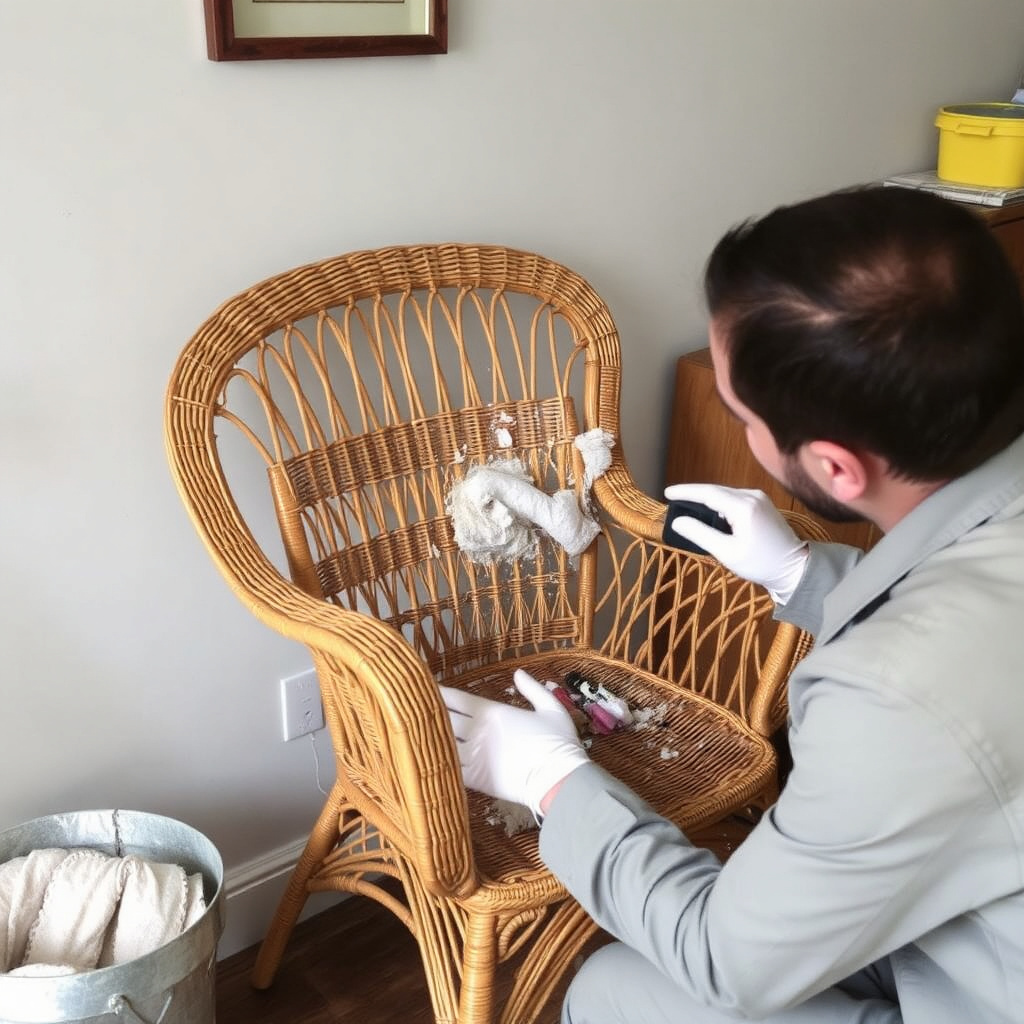
If your wicker furniture is antique, heavily damaged, or very dirty with ingrained stains, professionals can offer deep cleaning or restoration services that DIY methods cannot achieve safely.
Experts can also re-weave damaged parts or apply specialized treatments to preserve value and appearance.
For detailed background on wicker materials and history, refer to this informative resource on wicker furniture care. Wicker furniture care tips.
Costs and Services to Expect
Professional cleaning prices vary by furniture size and condition but typically range from $100 to $300. Restoration may cost more depending on the extent of repair required.
When hiring, request a detailed quote and confirm the cleaning materials used suit your wicker type to avoid inadvertent damage.
Natural vs Synthetic Wicker Furniture Cleaning Comparison
This table compares key aspects of cleaning natural and synthetic wicker furniture to help you choose the right approach.
| Wicker Type | Water Tolerance | Cleaning Frequency | Durability | Recommended Cleaning Method |
|---|---|---|---|---|
| Natural Wicker | Low – avoid soaking | Monthly dusting, occasional washing | Moderate, sensitive to weather | Gentle brushing, mild soap, quick drying |
| Synthetic Wicker | High – can tolerate water | Biweekly dusting, frequent washing outdoors | High, weather-resistant | Power washing possible, mild soap scrubbing |
Frequently Asked Questions
Can I use a pressure washer on all wicker furniture?
Pressure washers are generally safe only for synthetic wicker furniture due to their durability. Natural wicker can be damaged by high-pressure water as it may loosen fibers or cause breakage.
How often should I clean my outdoor wicker furniture?
Outdoor wicker furniture benefits from dusting or vacuuming every couple of weeks and more thorough cleaning every few months, especially after heavy use or exposure to rain and dirt.
Is it safe to use bleach on wicker furniture?
Bleach can be used cautiously on moldy synthetic wicker but should be diluted heavily and quickly rinsed off. Avoid bleach on natural wicker to prevent weakening or discoloration.
What can I do to prevent mold on my wicker furniture?
Keep wicker furniture dry by storing it indoors when not in use, covering it during damp weather, and cleaning it regularly to avoid dirt buildup where mold can grow.
Can I clean wicker furniture indoors?
Yes, indoor cleaning is possible but choose a well-ventilated space and protect floors from water. Avoid over-wetting and dry furniture thoroughly after cleaning.
Key Takeaways
- Identify if your wicker is natural or synthetic before cleaning.
- Use mild soap and soft brushes to clean without damaging fibers.
- Dry wicker furniture thoroughly to prevent mold and brittleness.
- Regular dusting and protective covers prolong wicker lifespan.
Conclusion
Choosing how to clean wicker furniture depends chiefly on its material—natural or synthetic. Natural wicker requires gentler touch and limited water exposure to protect its delicate fibers, while synthetic wicker allows more vigorous cleaning methods. Being mindful of these characteristics helps maintain your furniture’s structure and appearance over time without causing damage from moisture or harsh chemicals.
For occasional deep cleaning, starting with dust removal minimizes grime buildup. If stains or mold appear, targeted treatments using mild soaps or diluted vinegar are safer for natural wicker. Outdoor synthetic wicker can tolerate periodic power washing but still benefits from routine maintenance. Covering outdoor pieces during bad weather and storing them indoors in off-seasons prevents accelerated wear. Professional cleaning is an option when your furniture is valuable or heavily soiled.
Next time you tackle cleaning your wicker furniture, identify its type and gather gentle cleaning supplies first. Follow up with careful drying and ongoing care through dusting and protective finishes. This approach keeps your wicker inviting and sturdy season after season.