How to Refinish Teak Patio Furniture for a Stunning Outdoor Refresh
Refinishing teak patio furniture involves cleaning, sanding, and applying protective oils or sealants to restore its warm, golden color and durability. Begin by thoroughly cleaning the furniture to remove dirt and grime, then sand the surface lightly to smooth any rough patches before applying teak oil or a specialized sealant. How to refinish teak patio furniture.
Teak wood is prized for its natural oils and resilience to outdoor conditions, but exposure to sun, rain, and changing temperatures fades its appearance and can cause surface wear. Refinishing your teak furniture not only brings back its original luster but also helps prolong its lifespan by replenishing moisture and preventing cracks or splintering.
This article will walk you through the careful steps to refinish teak patio furniture effectively. You’ll learn proper cleaning techniques, sanding tips for different conditions, and how to select and apply the right finishes to protect and beautify your teak pieces.
Preparing Your Teak Patio Furniture for Refinishing

Cleaning Techniques for Teak Wood
Proper cleaning is essential for an even refinish. Use a mixture of warm water and mild soap to scrub the furniture gently with a soft brush. Avoid harsh chemicals that can strip natural oils. Rinse thoroughly and allow the furniture to dry completely in a shaded, ventilated area to avoid uneven drying or warping.
If your teak has stubborn stains or mildew, a specialized teak cleaner can be used according to instructions, but always test a small area first to prevent discoloration. Consistent cleaning prepares the surface for sanding and finishing.
- Use soft-bristle brushes, not wire brushes
- Avoid high-pressure washers that may damage the wood grain
- Allow full drying before sanding
Assessing Damage and Surface Condition
Inspect your furniture thoroughly for cracks, splinters, or deep stains before refinishing. Minor surface scratches can often be smoothed out during sanding, but deeper damage may require wood filler designed for outdoor use.
Understanding the level of damage helps determine the amount of sanding needed and whether additional repairs are necessary before applying any finish.
- Look for water stains or discoloration
- Check for loose joints or hardware
- Identify areas with surface roughness or splintering
Sanding Your Teak Furniture for a Smooth Finish
Choosing the Right Sandpaper Grit
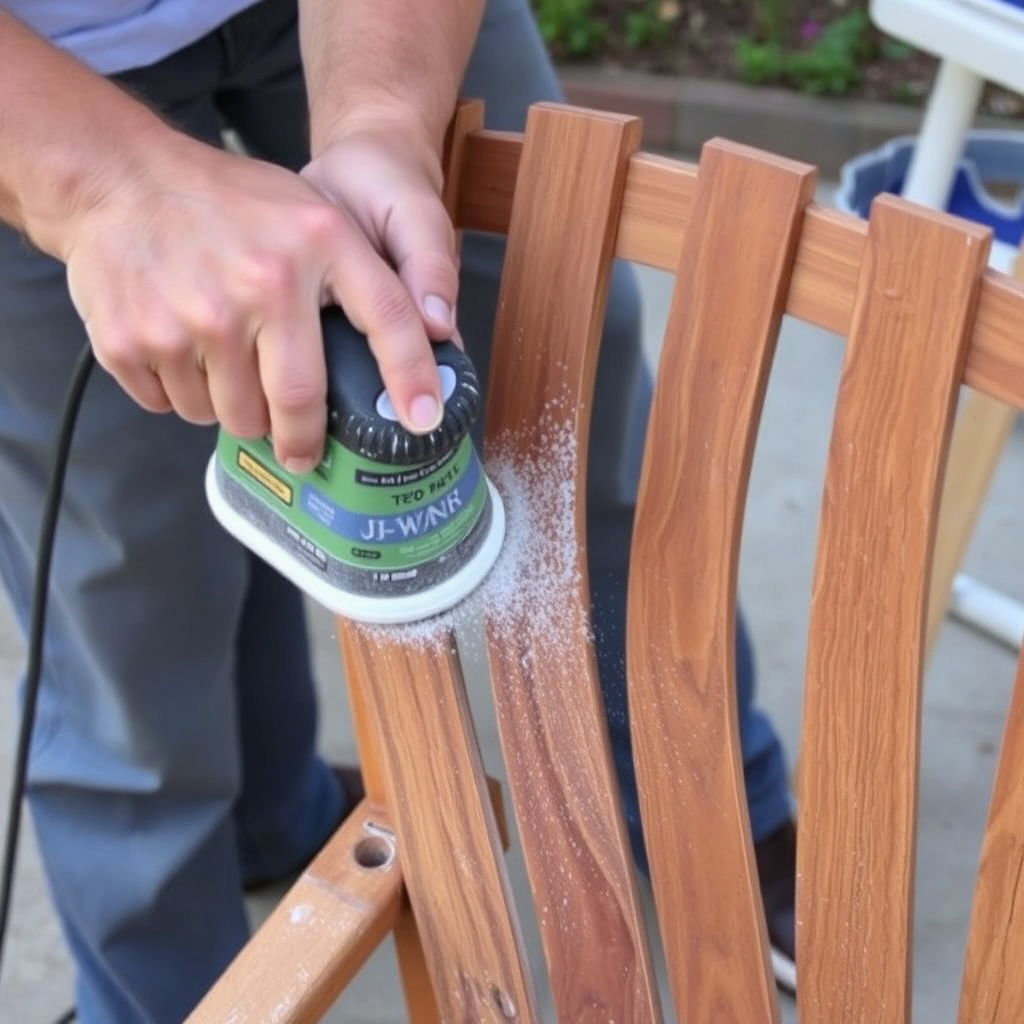
Start sanding with medium-grit (120-150) sandpaper to remove surface stains and old finish layers. Progressively switch to finer grits (180-220) for smoothing the wood, which enhances the wood’s ability to absorb finish evenly.
Be sure to sand along the grain rather than against it to avoid scratches that become visible after refinishing. Sanding removes the weathered gray layer and exposes fresh teak beneath.
- Begin with 120 grit for rough areas
- Finish with 220 grit for smoothness
- Use sanding blocks or orbital sanders for even pressure
Sanding Techniques and Tips
For curved or detailed areas, use sanding sponges or folded sandpaper to maintain shape without over-sanding. Take care around joints and delicate parts to prevent damage.
After sanding, wipe down the furniture using a tack cloth to capture dust particles and ensure a clean surface before applying oils or sealants.
- Sand in multiple light passes rather than heavy sanding
- Maintain consistent pressure for uniform finish
- Use a vacuum or compressed air to remove dust before finishing
Selecting the Best Finish for Teak Patio Furniture

Teak Oil vs. Sealants
Teak oil is a penetrating finish that revitalizes the wood’s natural oils, enhancing the warm golden-brown color with a soft satin sheen. It requires annual application to maintain protection but keeps the wood breathable and nourished.
Sealants form a protective surface layer that shields teak from moisture, UV rays, and dirt. They often last longer between applications, but some can darken or alter the natural look of teak if not chosen carefully.
- Teak oil highlights wood grain and texture
- Sealants provide stronger surface protection
- Some finishes combine oil and sealant properties
Choosing Oil-Based or Water-Based Finishes
Oil-based finishes penetrate well and enhance the wood’s warmth but take longer to dry and emit stronger odors. They offer good water resistance but need regular upkeep.
Water-based finishes dry faster with lower odor and provide a clear coat that resists UV damage. However, they may require more frequent application on teak and sometimes don’t emphasize the wood grain as richly.
- Oil-based requires good ventilation during application
- Water-based finishes are more eco-friendly
- Consider climate and maintenance willingness
Applying Finish to Restore and Protect Teak

Proper Application Techniques
Use a lint-free cloth, brush, or sponge to apply teak oil evenly in the direction of the grain. Apply multiple thin coats rather than a heavy single layer to avoid sticky residue. Allow each coat to absorb and dry thoroughly before applying the next.
For sealants, follow the manufacturer’s instructions on the number of coats and drying times. Light sanding between coats can help achieve a smooth, durable surface.
- Apply finish in shaded, dust-free environment
- Work in manageable sections for consistency
- Avoid pooling or uneven layers
Drying Time and Maintenance Schedule
Teak oil finishes typically require 6 to 24 hours to dry between coats and annual reapplication to maintain protection under outdoor exposure. Sealants may last 1 to 2 years but should be monitored annually for signs of wear.
Regular cleaning and cover use during harsh weather prolong the life of any finish, helping keep your teak patio furniture looking fresh longer.
- Plan refinishing on dry, mild days
- Protect furniture with covers when not in use
- Reapply oil or sealant as needed to prevent drying out
Additional Tips for Long-Term Care and Restoration

How to Handle Weathering and Graying
Teak will naturally gray over time when left untreated outdoors; this patina doesn’t affect the wood’s durability but alters its appearance. To restore the golden color, refinishing with oil or a mild bleaching agent can be done, but frequent maintenance is necessary.
If natural weathering is preferred, clean the furniture periodically to remove dirt and debris that can degrade the wood fibers.
- Apply teak brighteners before refinishing faded wood
- Use UV-protective finishes to slow graying
- Consider routine cleaning to minimize dirt buildup
For more detailed information on teak wood’s natural properties and maintenance, see this article about teak wood. Teak wood properties and care.
Storage and Seasonal Protection Advice
Storing teak furniture indoors or under shelter during winter or prolonged rain periods helps prevent deep moisture absorption and mold. Use breathable covers when full storage indoors is not possible to avoid condensation issues.
Before storage, apply a fresh coat of oil or sealant to lock in protection, and clean furniture thoroughly to prevent stains and mildew.
- Store furniture on a dry, flat surface
- Use padded covers to protect finish
- Ventilate covered furniture to reduce moisture buildup
Teak Patio Furniture Finish Options Comparison
Compare popular finishes to find the right balance between appearance, durability, and maintenance for your teak patio furniture.
| Finish Type | Appearance | Durability | Maintenance Frequency | UV Protection |
|---|---|---|---|---|
| Teak Oil | Enhances warm color with satin sheen | Moderate – annual reapplication | High (annually) | Moderate |
| Penetrating Oil Sealant | Natural wood look with mild gloss | High – lasts 1-2 years | Medium (1-2 years) | High |
| Water-Based Sealant | Clear coat, less yellowing | Moderate – yearly to 18 months | Medium (yearly) | High |
| Varnish or Polyurethane | Glossy or semi-gloss finish | Very High – several years | Low (every 3+ years) | Variable (some UV inhibitors) |
Frequently Asked Questions
How often should I refinish my teak patio furniture?
Teak furniture treated with oil typically needs refinishing once a year, while sealants may last 1 to 2 years. Regular cleaning can extend this timeline.
Can I use regular wood stain on teak furniture?
Regular wood stains are not ideal for teak because they do not penetrate well and can prevent the wood’s natural oils from showing, leading to peeling and uneven finish.
Is sanding always necessary before refinishing teak?
Light sanding is recommended to remove the weathered surface and ensure a smooth finish. However, extremely worn pieces may require more thorough sanding or repair.
What is the best way to clean mildew off teak furniture?
Use a specialized teak cleaner or a solution of mild soap and water to gently scrub off mildew. Avoid bleach, which can damage the wood fibers.
Should I cover my teak furniture when not in use?
Yes, using breathable covers protects teak from dirt and moisture while allowing air circulation, preventing mold and prolonging the life of the finish.
Key Takeaways
- Thorough cleaning and drying are essential before refinishing teak furniture.
- Sanding removes weathered layers and prepares the wood for absorbing finish.
- Choose finishes based on desired appearance, protection level, and maintenance willingness.
- Regular upkeep prevents graying and extends the life of teak patio furniture.
Conclusion
Restoring teak patio furniture is a rewarding process that combines attention to detail with practical maintenance steps to revive the wood’s natural beauty. Following a structured approach—cleaning, sanding, and choosing the right finish—helps bring back the warm tones and enhances durability. Being mindful about your outdoor furniture’s condition and environment will guide you in planning refinishing intervals and methods effectively.
For furniture owners seeking a traditional look with rich color renewal, teak oil is an excellent option but demands annual applications to protect against moisture and UV damage. Those desiring stronger surface protection with less frequent upkeep might prefer penetrating oil sealants or water-based finishes that balance preservation and visual appeal. Varnishes are more durable but can alter teak’s natural appearance, so they suit only certain tastes or specific use cases.
Starting with a thorough cleaning and light sanding prepares teak ideally for refinishing, and applying coats evenly in a shaded environment helps achieve a lasting finish. Whenever possible, protect your furniture from heavy weather with covers or shelter and reapply finishes as needed to keep it looking appealing season after season. Your teak patio set can continue to be a stunning, comfortable focal point of your outdoor living space with just a little care and attention.