How to Clean Indoor Teak Furniture for Long-Lasting Beauty
Cleaning indoor teak furniture is straightforward if you use mild soap, water, and soft brushes or cloths. Avoid harsh chemicals and abrasive tools to protect the wood’s natural oils and smooth finish. Regular cleaning can restore the teak’s warm glow and prevent dirt buildup.
Indoor teak furniture needs care to maintain its classic look and resilience. Even though it’s protected from harsh outdoor elements, dust, spills, and grime can dull the wood surface over time. Proper cleaning not only brightens the furniture but also extends its lifespan by preserving its natural oils and color.
This article explains practical steps to clean indoor teak furniture effectively: what cleaning solutions to use, techniques for removing stains, drying tips, and how to keep teak furniture looking great with regular maintenance. You’ll also find advice on avoiding common mistakes that can damage the wood.
Understanding Teak Wood and Its Care Requirements

What Makes Teak Furniture Unique
Teak wood is popular for furniture because of its dense grain and natural oils that resist moisture and pests. Its high silica content gives teak an inherent strength and a warm golden color that deepens with age and care.
Unlike other woods, teak requires less frequent sealing but benefits greatly from regular cleaning to keep the surface free of dust and dirt that dulls its appearance. Understanding these wood properties helps in choosing the right cleaning methods.
Why Indoor Teak Furniture Needs Gentle Cleaning
Indoor teak furniture is generally less exposed to weather damage but accumulates dust, human oils, and occasional spills that can cloud its finish. Aggressive cleaners can strip these natural oils and roughen the texture, leading to premature wear.
Gentle cleaning preserves the teak’s natural protective barrier and maintains its smooth texture and warm sheen. Using mild soaps combined with soft materials prevents scratches and keeps the wood healthy over years of use.
- Avoid harsh chemicals
- Use soft brushes or cloths
- Clean regularly but gently
Preparing Your Teak Furniture for Cleaning

Removing Dust and Loose Dirt
Before applying any cleaner, remove loose dust and dirt from your teak furniture with a soft brush or microfiber cloth. This prevents scratching the surface when you later wipe with liquids.
A handheld vacuum on a low setting works well for intricate designs or tight corners. Getting rid of grit protects the wood finish during the cleaning process and saves time.
- Soft brush use
- Microfiber cloth wipe
- Vacuum for hard-to-reach spots
Gathering Cleaning Supplies
Choose pH-neutral dish soap or teak-specific cleaners to mix with warm water. Avoid bleach, ammonia, or abrasive powders. Soft sponges or natural bristle brushes work best to reach dents and grooves.
An easy homemade cleaning solution is a few drops of mild liquid soap in a bowl of warm water, which safely removes grime without damaging the wood oils or finish.
- pH-neutral soap
- Soft sponge or brush
- Warm water
Step-by-Step Process to Clean Indoor Teak Furniture
Applying the Cleaning Solution
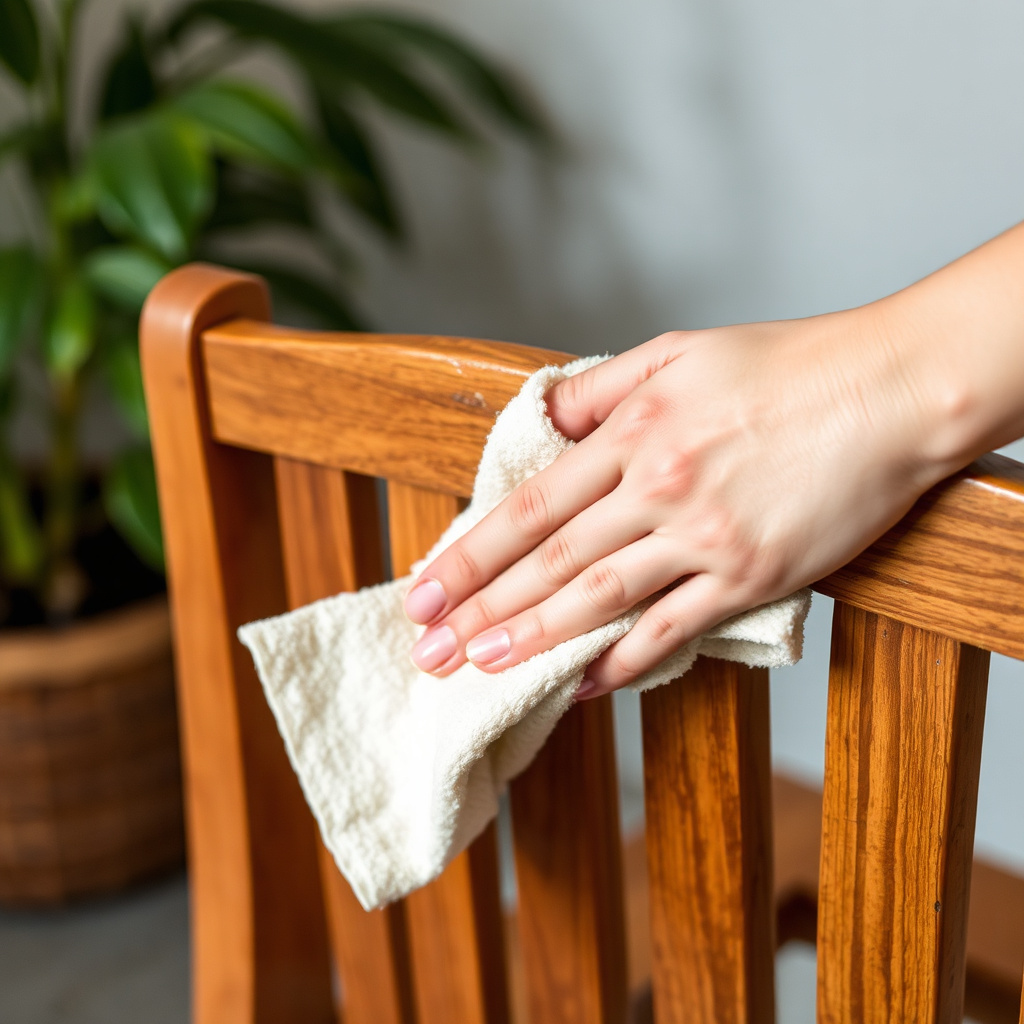
Dip a soft cloth or brush into your soapy water solution, wring out excess liquid, and gently scrub the teak surface following the grain direction. Avoid soaking the wood to prevent swelling or discoloration.
Work in sections for even cleaning. Rinse your cloth frequently to avoid spreading grime. Repeat lightly for stubborn spots but avoid over-wetting.
- Follow wood grain
- Avoid soaking wood
- Frequent rinsing of cloth
Rinsing and Drying After Cleaning
After cleaning, wipe the surface with a fresh damp cloth dipped in plain water to remove soap residues which can attract dirt if left behind. Immediately dry the teak with a clean, dry towel to prevent moisture damage.
Proper drying helps teak retain its natural oils and prevents mold or mildew formation, preserving indoor furniture longevity and appearance.
- Use fresh damp cloth
- Dry thoroughly with towel
- Avoid water pooling
Dealing with Stains and Tough Spots on Indoor Teak
Removing Oil and Water Stains
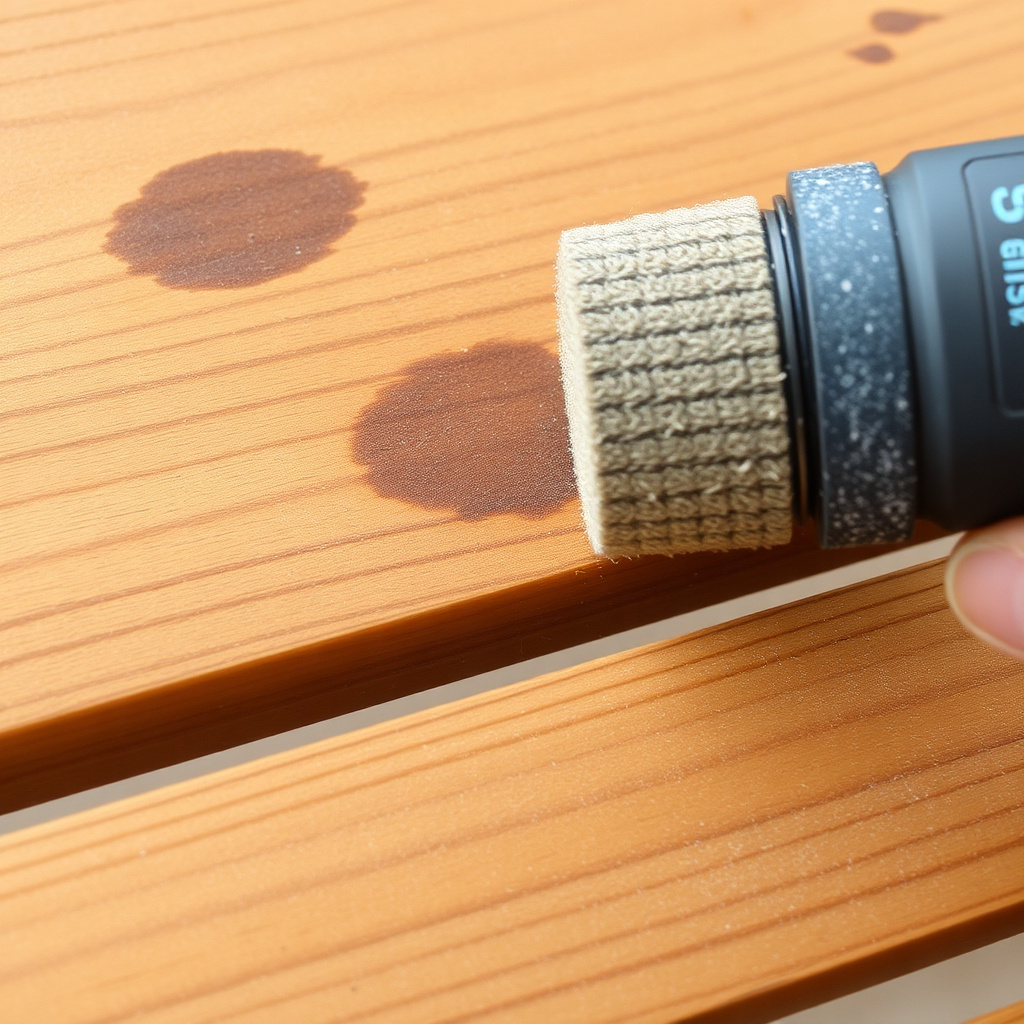
For oily marks, sprinkle fine teak or marine-grade sandpaper over the area and rub gently to lift the stain. Follow with a mild soapy wash to cleanse residual oils. Water stains can often be reduced with light sanding and wiping.
Be cautious sanding only stained spots and follow the grain to maintain a smooth surface. Afterward, clean the area fully to avoid sanding dust lingering on the wood.
- Use fine sandpaper
- Sand following wood grain
- Clean after sanding
Using Commercial Stain Removers Safely
If natural methods don’t remove tough grime or discoloration, select stain removers formulated specifically for teak wood. Test on a hidden area first to ensure no color damage occurs.
Follow manufacturer guidelines closely and rinse thoroughly afterward. Avoid bleach-based products which can strip oils and cause wood to dry and crack.
- Test on hidden spot
- Follow product instructions
- Avoid harsh chemicals
Maintaining Your Teak Furniture Post-Cleaning

When and How to Oil Teak Furniture
While indoor teak often retains its oils naturally, occasional application of teak oil can revive the wood’s warm tones and provide extra protection. Oil your furniture only when it looks dry or faded, typically once or twice a year.
Apply teak oil lightly with a soft cloth, following the wood grain. Allow it to soak in for 15–20 minutes, then buff off excess to avoid a sticky finish that attracts dust.
- Apply only when dry
- Use soft cloth
- Buff off excess oil
To learn more about teak wood properties and care, check this authoritative source. Teak wood properties and care.
Regular Dusting and Preventative Care
Frequent dusting with microfiber cloths prevents dirt buildup, reducing the need for deep cleanings. Use furniture pads or coasters to avoid scratches and liquid marks from cups or plants.
Keep indoor teak away from direct sunlight and heating vents, which can dry the wood unevenly and cause small cracks.
- Dust weekly
- Use coasters and pads
- Avoid direct heat and sunlight
Indoor Teak Furniture Cleaning Methods Comparison
Here’s a breakdown of different cleaning methods for indoor teak furniture, highlighting pros and cons to help choose the best approach for your needs.
| Method | Effectiveness | Ease of Use | Surface Safety | Cost |
|---|---|---|---|---|
| Mild Soap and Water | High | Easy | Very Safe | Low |
| Teak-Specific Cleaners | Very High | Moderate | Safe if Used Correctly | Medium |
| Light Sanding | Moderate | Requires Skill | Moderate Risk | Low |
| Commercial Stain Removers | High | Easy | Variable | Medium-High |
| Regular Oil Application | Prevents Dryness | Easy | Very Safe | Medium |
Frequently Asked Questions
Can I use bleach to clean indoor teak furniture?
Bleach is too harsh for indoor teak furniture and can strip natural oils and damage the wood. Stick to mild soaps or teak-specific cleaners for safe cleaning.
How often should I clean my indoor teak furniture?
Dust weekly and deep clean indoor teak furniture every three to six months depending on use and dirt accumulation to maintain its appearance.
Is it necessary to oil indoor teak furniture?
Oiling is optional for indoor teak but helps restore the wood’s color and provides added protection when the furniture looks dry or faded, usually once or twice per year.
What should I do if my indoor teak furniture gets stained?
For stains, gently sand the area following the grain, then clean it with a mild soap solution. Persistent stains may require teak-specific stain removers used carefully.
Can I clean indoor teak furniture with just water?
Water alone may clean loose dirt but does not remove oils or grime effectively. Combine water with a mild soap for proper cleaning.
Key Takeaways
- Use mild soap and water with soft cloths for regular cleaning
- Avoid harsh chemicals like bleach that damage teak oils
- Apply teak oil occasionally to maintain color and protection
- Remove stains carefully with gentle sanding or specialized cleaners
Conclusion
Cleaning indoor teak furniture requires a balance of gentle care and effective techniques to maintain its natural beauty and durability over time. Using mild soaps and soft tools protects the wood’s essential oils and finish while removing dirt and grime. Regular care reduces the likelihood of heavy stains and prolongs the furniture’s lifespan, bringing warmth and elegance to any indoor space. By understanding teak’s unique requirements, you can tailor your cleaning process for optimal results without risk to the wood.
Different cleaning methods suit various situations, so choose based on your furniture’s condition. Mild soap and water remain the safest, most affordable approach for routine maintenance, while teak-specific cleaners provide enhanced stain removal with care. Light sanding works well on stubborn spots but requires precision to avoid roughening the surface. Applying teak oil periodically adds nourishment and enhances color, especially in dryer indoor environments. Combining these approaches offers a flexible strategy for keeping indoor teak furniture looking vibrant and fresh.
Start with a gentle cleaning session using soap and warm water, drying thoroughly afterward. Monitor your furniture’s appearance to decide when targeted stain removal or oiling is needed. Preventative habits like dusting weekly and using coasters can minimize future cleaning demands. This straightforward process preserves your investment, making indoor teak furniture a lasting, attractive addition to your home. For more detailed insights on teak wood, consult trusted resources to deepen your knowledge.