How to Color Wash Furniture: A Step-by-Step Guide for Beginners
Color washing furniture is a simple technique that softens paint colors with a translucent stain or glaze, creating a subtle, vintage effect while highlighting wood grain. To color wash, you first apply a base coat of paint, then dilute a glaze or paint with water and brush it over the surface. Wipe off excess and build layers until you achieve your desired look. How to Color Wash Furniture.
This technique can breathe new life into dull or outdated furniture, making pieces appear weathered or softly tinted without completely hiding the wood’s texture. Color washing works well on everything from dressers to tables and cabinets, turning ordinary wood into charming décor that blends with many design styles.
In this article, you’ll learn the necessary tools and materials, selecting appropriate paint and glaze, detailed steps for prepping and applying a color wash, plus tips to perfect your finish. We’ll also cover troubleshooting common mistakes and compare types of paints and finishes to help you get the best results.
Understanding the Basics of How to Color Wash Furniture
What Is Color Washing?
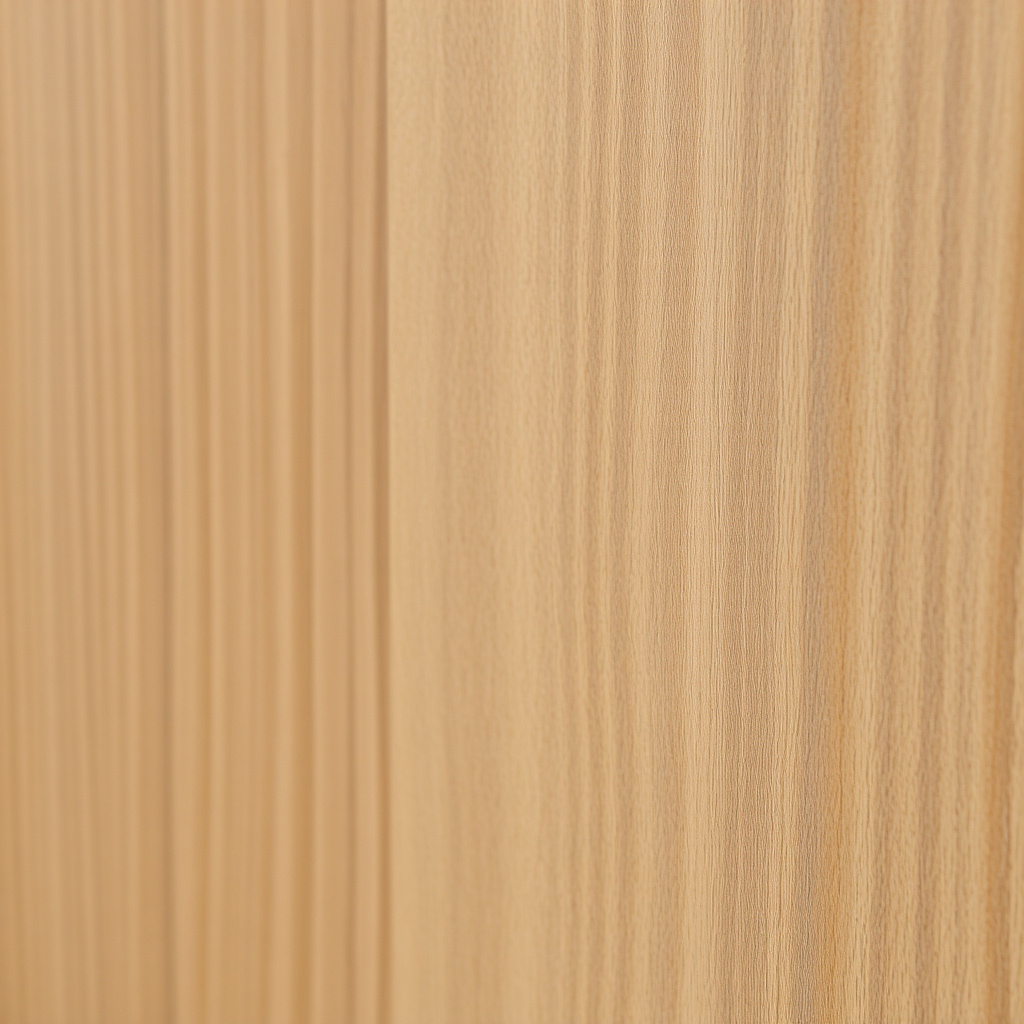
Color washing involves applying a thin, watery layer of paint or glaze over a surface to create a translucent, aged effect. Instead of fully covering the wood, the treatment allows natural grain and texture to show through, adding depth and character.
The technique originated as a decorative painting style used in historical interiors to enhance woodwork and walls with a subtle wash of color rather than solid paint coverage.
Types of Paint and Stains Used
You can use water-based latex paint diluted with water or specialized glaze products for color washing. Some artists prefer milk or chalk paints for their matte, vintage finishes that interact well with color washes.
Choosing the right paint or glaze influences the ease of application and final look. Proper dilution is key to creating the semi-transparent effect color washing demands.
- Water-based latex paint
- Acrylic glaze medium
- Chalk paint
- Milk paint
Preparation Steps Before Color Washing Furniture
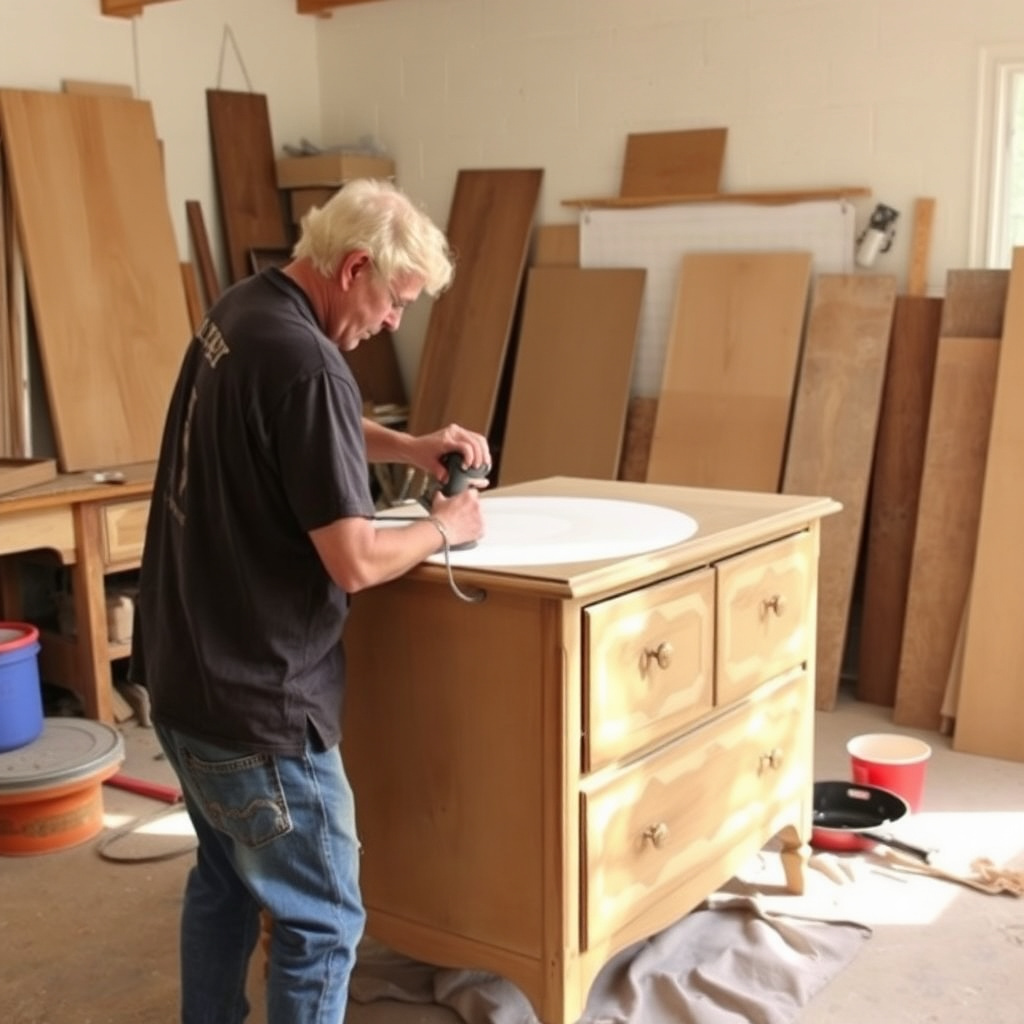
Cleaning and Sanding the Surface
Start by thoroughly cleaning the furniture to remove dirt, oils, and old wax. Use mild soap and water or a degreaser for sticky residues. Dry completely before proceeding.
Next, lightly sand the piece with fine-grit sandpaper, focusing on smoothing rough spots and dulling shiny finishes. This helps the base coat and glaze adhere properly.
- Use 120- to 220-grit sandpaper
- Sand with the grain of the wood
- Remove dust with a tack cloth
Priming and Base Coat Application
Apply a primer if your wood is porous or stained to prevent uneven color absorption. Let it dry thoroughly.
Then, paint the surface with a solid base color. Choose a shade slightly lighter or contrasting your intended color wash for best results. Allow full drying before applying the wash.
- Use a quality primer for hardwood or laminate
- Consider matte or eggshell base paint finishes
Techniques for Applying a Color Wash to Furniture
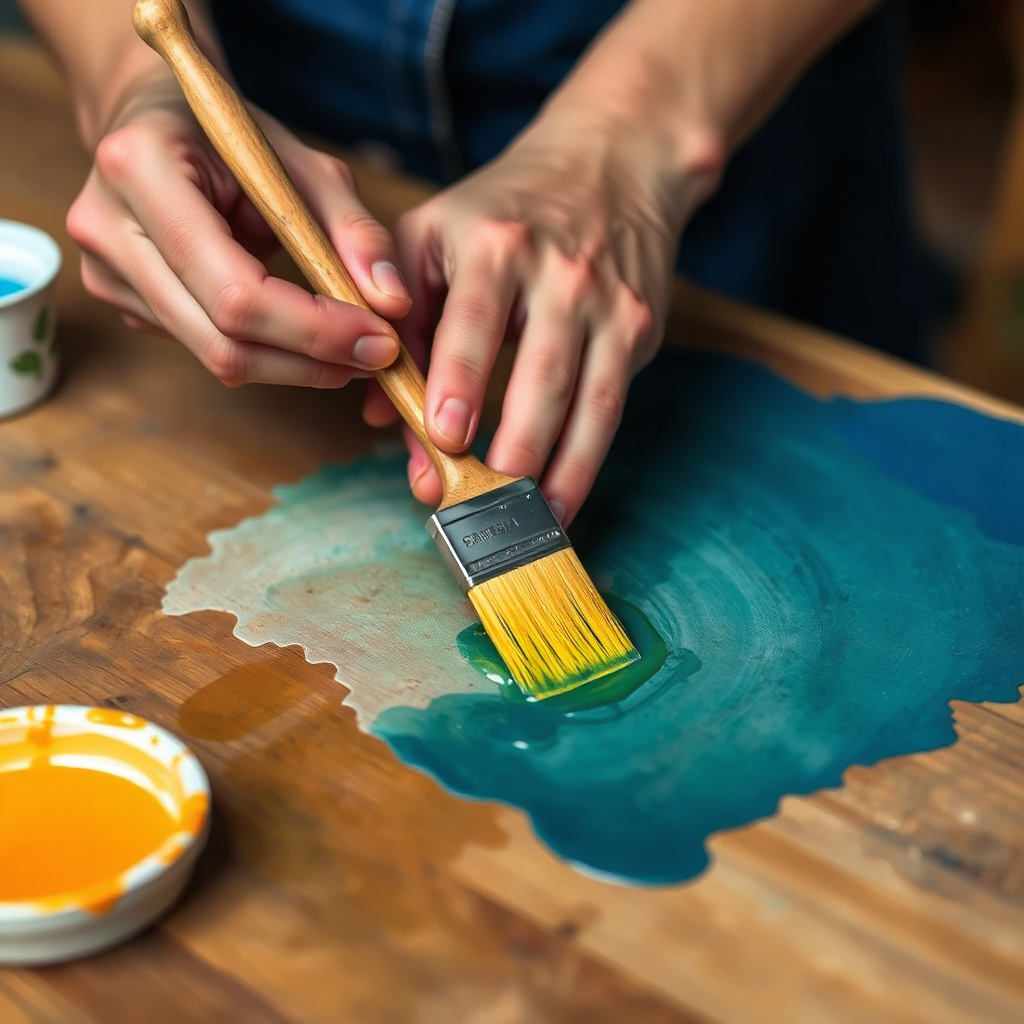
Mixing and Applying the Color Wash
Mix your chosen paint or glaze with water, starting with a ratio around 1 part paint to 3 parts water for latex paint. Test the dilution on scrap wood to check transparency.
Using a natural-bristle brush or rag, apply the wash in long, even strokes along the wood grain. Work in small sections to maintain control over coverage and appearance.
- Wear gloves to avoid staining hands
- Apply thin layers for subtle effects
- Wipe any excess immediately with a clean cloth
For more on this, see our related guide: 7 Tips How to Choose Living Room Furniture.
Layering and Blending Colors
You can create layered washes to add depth by letting the first layer dry partially, then applying additional washes in varying intensities or complementary colors.
Blending colors while wet allows smooth transitions and softer edges, creating a more natural, handcrafted look on your furniture.
- Use light strokes to feather edges
- Allow partial drying between layers
- Experiment with warm and cool tones for contrast
Finishing and Protecting Your Color Washed Furniture

Sealing the Color Wash
Once your color wash has dried completely, protect it with a clear topcoat such as polyurethane, polycrylic, or wax, depending on the furniture’s use and desired sheen.
A water-based clear coat keeps colors true and resists yellowing, while wax gives a soft, matte appearance but requires periodic reapplication.
- Choose finish based on durability needs
- Apply thin, even coats and let dry fully
- Lightly sand between coats for smoothness
Maintenance Tips
To extend the life of your color-washed finish, avoid harsh cleaners or excessive moisture exposure. Dust regularly with a dry cloth or soft brush.
If scratches or wear appear, spot touch-ups can be done with diluted paint and resealing as necessary to keep the finish looking fresh.
Common Mistakes and How to Fix Them in Color Washing Furniture

Uneven or Streaky Wash
Uneven application often happens from overloading the brush or wiping too late. Work in smaller sections and wipe off excess glaze quickly to maintain consistent coverage.
If streaks dry, lightly sand the area and apply a thin follow-up wash to blend and correct patchy spots.
For more on this, see our related guide: How Much Does a King Size Bed Cost – 7 Price Options Compared.
Blotchy or Patchy Colors
Blotchy results can occur when there’s insufficient base coating or if the paint-to-water ratio is too thick. Ensure the base coat is even and use a thinner wash mixture for transparent layers.
Removing blotchiness usually requires gentle sanding and repainting the base, then repeating the wash process carefully.
Advanced Color Washing Effects and Creative Ideas
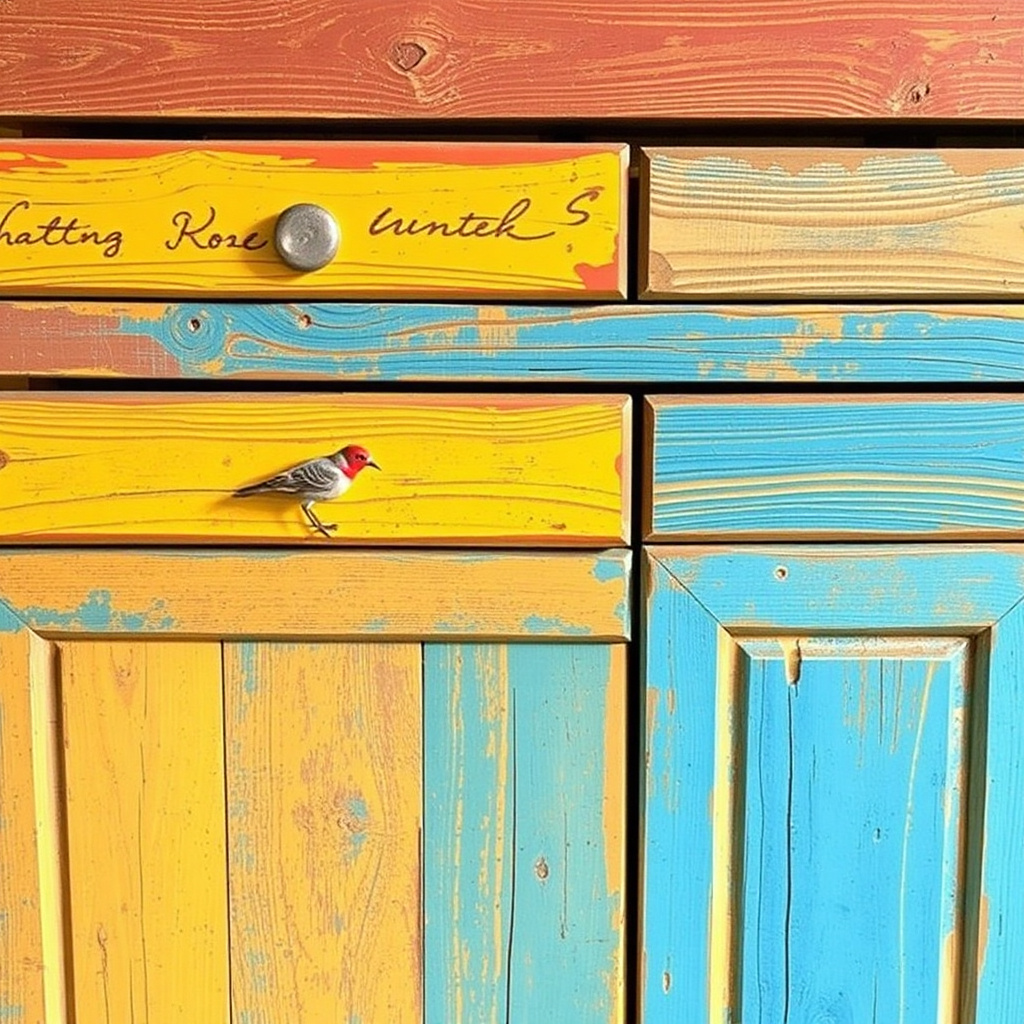
Combining Color Wash with Distressing
After applying a color wash, lightly sanding edges or raised details enhances the aged, vintage effect. Distressing reveals underlying paint layers or natural wood beneath the wash.
This combination offers a rugged, farmhouse style or shabby chic finish that’s both tactile and visually rich.
- Sand corners and edges selectively
- Use steel wool for subtle surface wear
Using Multiple Colors for Dimension
Layering washes of different hues creates a multidimensional effect that mimics natural wood variations or artistic finishes. Start with light base tones and add warmer or cooler washes on top for contrast.
This approach requires patience and less water dilution with each additional layer to maintain clear color definition.
- Choose color palettes that complement your decor
- Test combos on scrap wood first
Selecting the Best Paint for Color Washing Furniture

Water-Based vs Oil-Based Paints
Water-based paints are easier to dilute, clean up quickly, and dry faster, making them generally preferred for color washing furniture.
Oil-based paints can offer richer color saturation but require harsher solvents for clean-up and dry more slowly, which may complicate layering effects.
For more detailed insight into color wash painting techniques, see this informative Wikipedia article. Color wash painting techniques Wikipedia.
Choosing the Right Paint Finish
Matte and eggshell finishes are best for base coats before color washing, as they avoid glare and help the wash adhere evenly. Glossy paints can repel watery washes, causing blotchy results.
Chalk paint is popular for its chalky smoothness and ability to accept washes without additional priming.
- Matte or eggshell for base
- Avoid glossy surfaces for washing
- Consider chalk paint for vintage look
Color Wash Furniture Paint Options Comparison
Here’s a comparison of common paint and glaze options used for color washing furniture to help you decide what suits your project.
| Type | Ease of Dilution | Finish Look | Durability | Cleanup |
|---|---|---|---|---|
| Water-Based Latex Paint | Easy | Versatile Matte or Satin | High | Soap and Water |
| Acrylic Glaze Medium | Very Easy | Translucent, Glossy | Moderate | Soap and Water |
| Chalk Paint | Moderate | Matte, Vintage | Moderate | Soap and Water |
| Oil-Based Paint | Difficult | Rich, Glossy | High | Solvent Required |
| Milk Paint | Moderate | Matte, Antiqued | Low to Moderate | Water |
Frequently Asked Questions
Can I color wash over stained wood?
Yes, but the surface must be properly sealed or primed to prevent blotchy absorption. Untreated stained wood can cause uneven wash results.
How long does a color wash finish last?
With proper sealing and gentle maintenance, a color wash finish can last several years. High-traffic pieces may need touch-ups sooner.
Is color washing suitable for laminate furniture?
You can color wash laminate if the surface is lightly sanded and primed, but results are less textured since laminate lacks natural grain.
Can I use a spray gun for color washing?
Spray application is possible but less controlled; brushing or rag application allows better manipulation of translucent layers.
Do I need to apply a clear coat after color washing?
Applying a clear protective finish is recommended to protect the delicate wash layers and make the surface easier to clean.
Key Takeaways
- Color washing layers diluted paint or glaze for a translucent wood effect.
- Preparation with cleaning, sanding, and base coat is essential for success.
- Use water-based paints or glazes with proper dilution for best results.
- Seal the finished piece to protect and prolong your color wash.
Conclusion
Mastering how to color wash furniture allows you to transform ordinary pieces into charming, vintage-inspired focal points with unique character. By combining a well-prepared base coat, correctly diluted paint, and careful layering, you capture the subtleties of wood grain and a soft patina that fully painted furniture can’t replicate. Thoughtful surface prep and attention to wiping off excess wash build your confidence step-by-step, resulting in elegant, translucent finishes that enrich any space.
For beginners looking to experiment with color washing, starting with water-based latex paint diluted about 1:3 with water provides ease of use and controlled transparency. Chalk paint is a great alternative if you desire a bubble-free matte base that accepts washes well. Advanced DIYers may explore blending multiple colors or combining washes with distressing techniques for rustic charm. Furniture pieces like dressers, coffee tables, and cabinets typically showcase the technique well but applying to smaller items can also provide decorative flair.
Your next move could be gathering quality brushes, selecting a color palette that suits your home’s style, and prepping your chosen furniture. Testing washes on spare wood or hidden areas gives you valuable feedback before starting. Whether refining an heirloom or brightening a thrift find, how to color wash furniture offers a flexible, rewarding way to personalize your décor with craftsmanship and creativity.