How to Clean Black Metal Outdoor Furniture for a Long-Lasting Shine
Cleaning black metal outdoor furniture effectively starts with selecting the right cleaning agents and techniques to remove dirt, grime, and prevent rust. A gentle detergent mixed with warm water often suffices for routine cleaning, followed by rinsing and drying thoroughly to avoid corrosion. For tougher stains or rust spots, mild abrasives or commercial metal cleaners may be necessary.
Regular maintenance is vital because outdoor metal furniture faces weather elements like rain, sun, and dust that accelerate wear and corrosion. Proper cleaning not only restores its appearance but also extends the lifespan of your pieces, preventing costly repairs or replacements. Knowing how to clean black metal outdoor furniture can transform tired-looking sets into attractive focal points for your patio or garden.
This article breaks down step-by-step cleaning procedures, highlights effective products, explains how to tackle rust safely, and offers tips on protecting your furniture after cleaning. Following these targeted methods will help you maintain the sleek finish and durability of your black metal outdoor furniture throughout the year.
Understanding Your Black Metal Outdoor Furniture
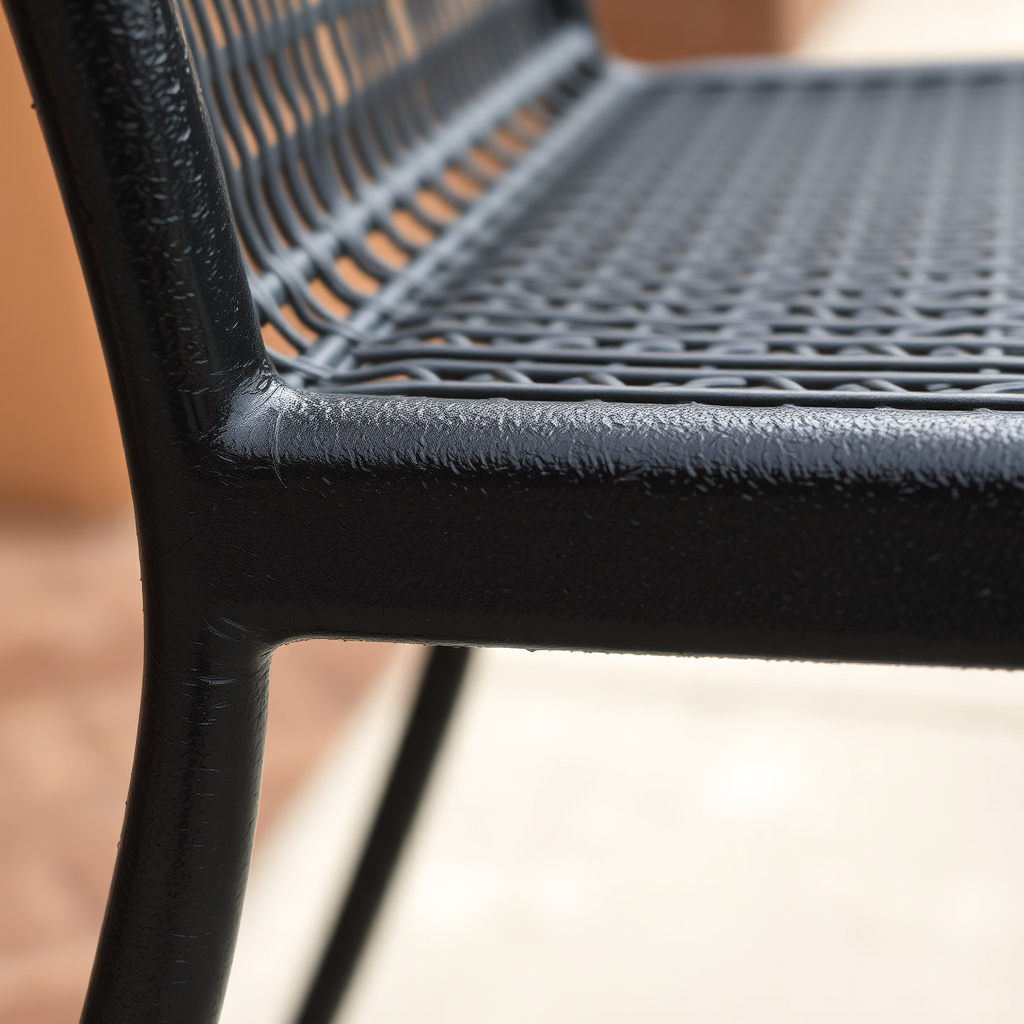
Types of Black Metal Outdoor Furniture Finishes
Black metal outdoor furniture generally comes with powder-coated, painted, or anodized finishes. Powder coating offers a durable layer that resists chipping and rust better than paint alone. Painted furniture may require more delicate cleaning to avoid damage. Anodized finishes provide a protective oxide layer but are less common for outdoor pieces.
Recognizing your furniture’s finish type helps determine the gentlest and most effective cleaning approach, ensuring you don’t compromise the surface integrity. For example, powder-coated items handle mild abrasives well, while painted surfaces benefit from softer cloths and mild detergents.
Common Issues: Dirt, Rust, and Weathering
Black metal outdoor furniture accumulates dirt, dust, and bird droppings, which can dull its finish if left uncleaned. After extended exposure to moisture, especially in humid or rainy climates, rust may develop on vulnerable areas like joints or scratches.
Weathering can cause fading or dullness over time, particularly if the protective coating is compromised. Addressing these issues early through proper cleaning and maintenance keeps furniture looking fresh and functional.
Basic Cleaning Methods for Black Metal Outdoor Furniture
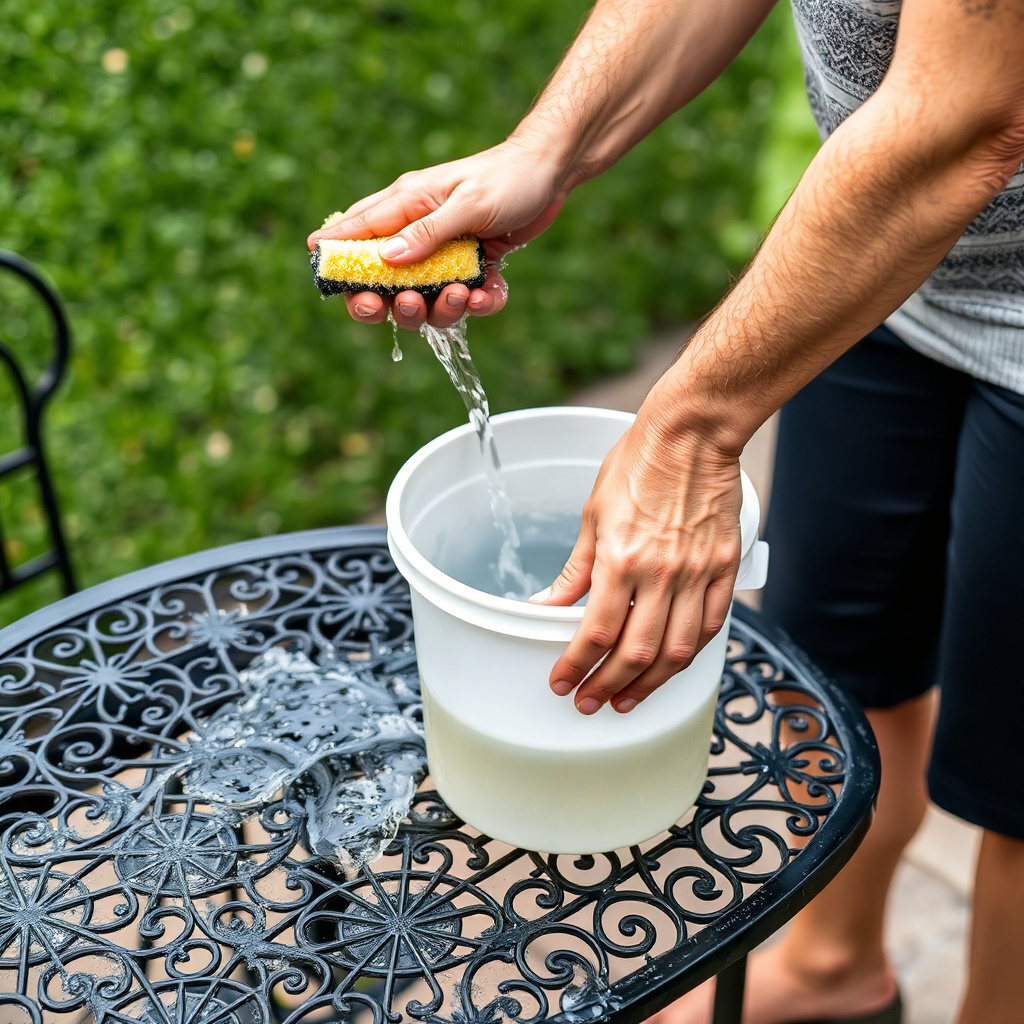
Routine Cleaning with Household Supplies
For regular cleaning, prepare a bucket with warm water and a few drops of mild liquid dish soap. Use a soft cloth or sponge to gently wipe all surfaces, focusing on visible dirt and spots. Avoid abrasive scrubbers that can scratch the finish.
After washing, rinse the furniture thoroughly with clean water to remove residual soap, which can attract dirt if left behind. Finally, dry each piece with a soft towel to prevent water spots and reduce the risk of rust forming.
- Use mild detergent like dish soap
- Soft sponge or cloth
- Rinse thoroughly
- Dry completely with a towel
Using Hose or Pressure Washer Safely
A garden hose with moderate water pressure can remove dust and loose grime efficiently, especially before detailed cleaning. If using a pressure washer, keep the pressure low (under 1200 psi) to avoid damage to the powder coat or paint.
Maintain a distance of at least 2 feet and use a wide-angle spray tip to protect the surface. This pre-cleaning step can facilitate easier removal of stubborn dirt during hand washing.
- Keep pressure under 1200 psi
- Maintain 2 feet distance
- Use wide-angle spray tip
Addressing Rust and Stubborn Stains on Black Metal Outdoor Furniture
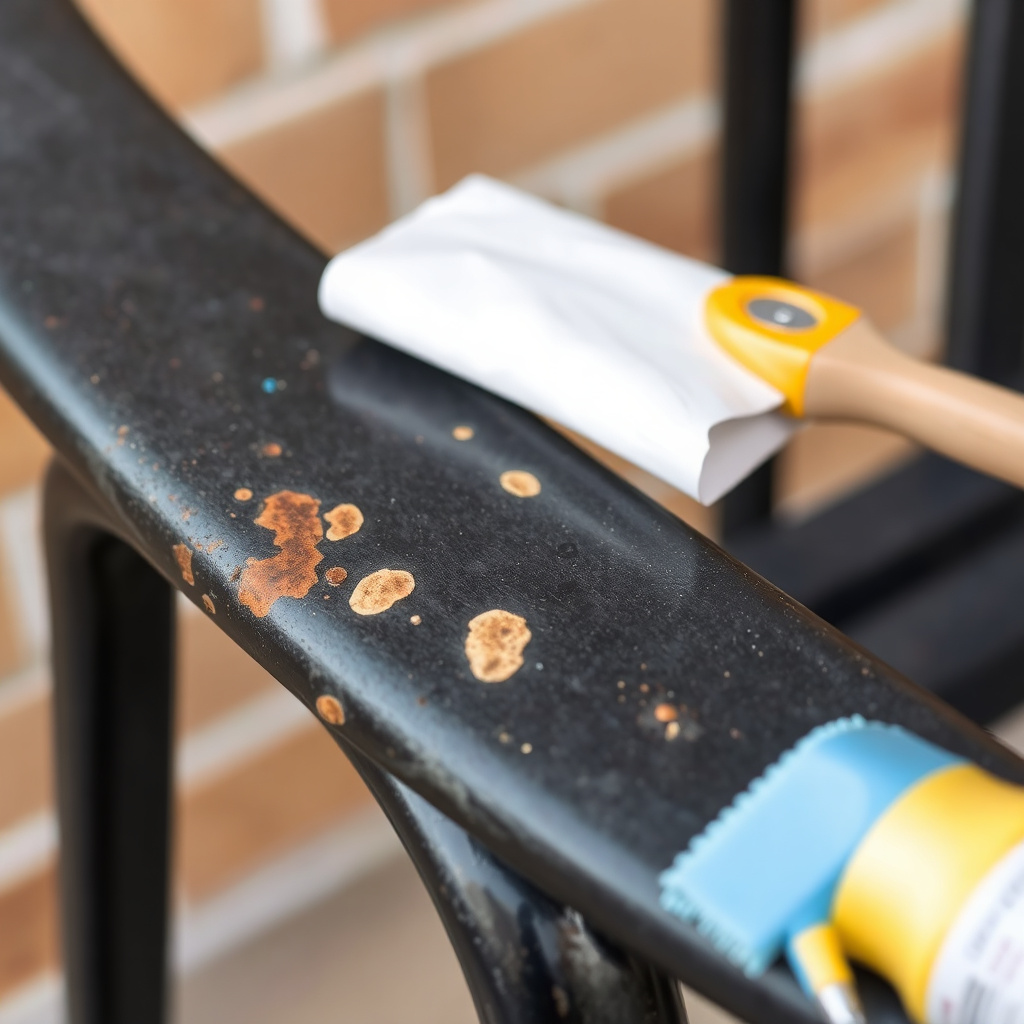
Removing Rust Spots Effectively
Minor rust spots can be treated by gently sanding with fine-grit sandpaper or a wire brush, taking care not to damage surrounding finish. Follow by wiping the area clean with a damp cloth.
Apply a metal primer and repaint the affected area to seal it against further corrosion. Using rust-converting primers can also help neutralize rust before repainting.
- Fine-grit sandpaper or wire brush
- Metal primer
- Rust converter (optional)
- Touch-up paint
For more on this, see our related guide: 5 Best Small Side Tables for Small Spaces.
Eliminating Tough Grime and Stains
For stains that soap and water cannot remove, try a paste made from baking soda and water, gently scrubbing with a soft brush. Alternatively, commercial cleaners formulated for metal outdoor furniture prove effective but should be tested on a small area first.
Avoid harsh chemicals like bleach or ammonia which can erode finishes. Rinse thoroughly after treatment to prevent residue build-up.
- Baking soda paste scrub
- Commercial metal cleaner (tested first)
- Avoid bleach and ammonia
- Thorough rinsing
Protecting and Maintaining Finish After Cleaning

Applying Protective Coatings
After your furniture is clean and dry, consider applying a protective wax or sealant designed for metal surfaces. These products create a barrier against moisture and UV rays, enhancing resistance to rust and fading.
Reapply coating every few months, especially after harsh weather seasons, to maintain protection. Choose products compatible with powder-coated or painted finishes to avoid discoloration.
- Use metal-specific wax or sealant
- Apply every 3-4 months
- Select finish-compatible products
Storage and Covering Tips for Longevity
When not in use, cover furniture with breathable, waterproof covers to shield from rain and direct sunlight. Moving furniture under sheltered areas or indoors during winter prevents extreme weather damage.
Elevate furniture slightly off damp ground to reduce moisture exposure. Proper storage practices combined with regular cleaning maximize lifespan and appearance.
- Use breathable waterproof covers
- Store in sheltered areas when possible
- Elevate off damp surfaces
Choosing the Best Cleaner for Metal Outdoor Furniture
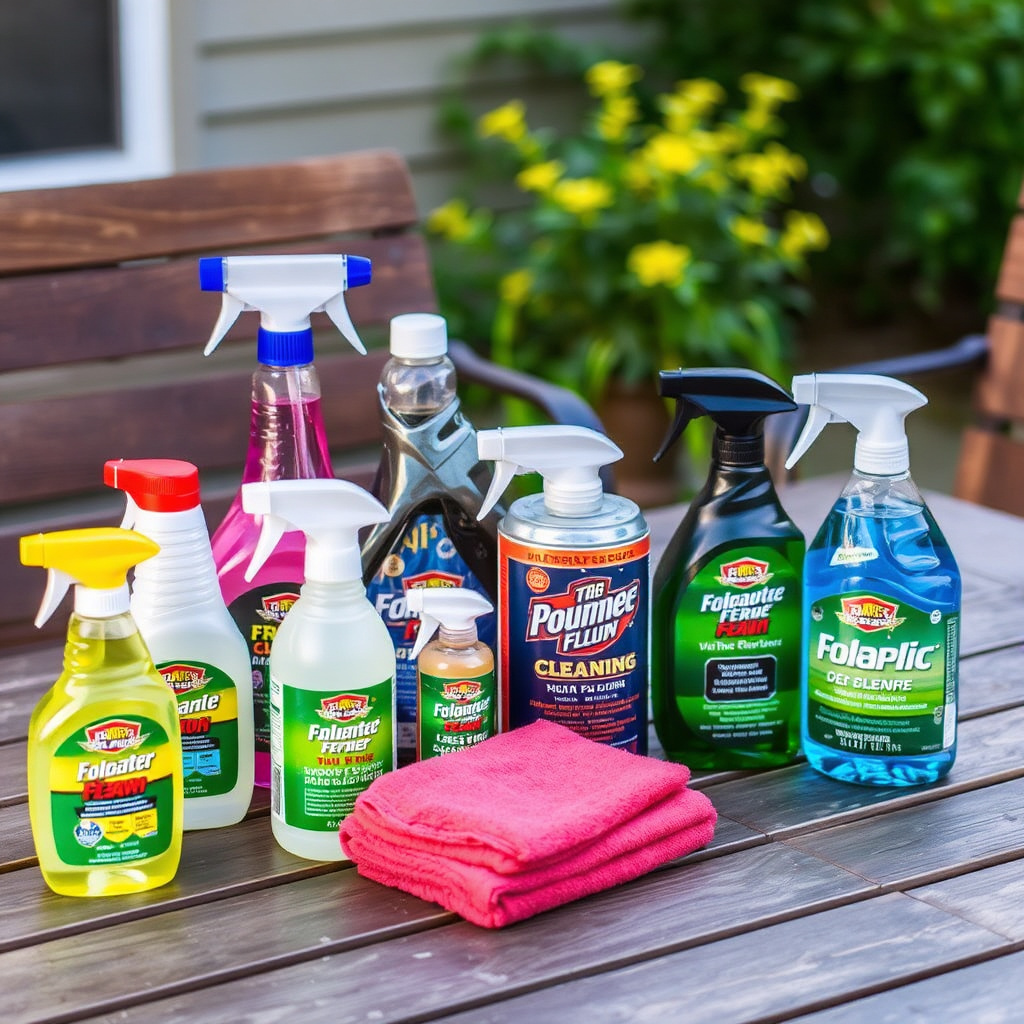
Natural Versus Commercial Cleaners
Natural cleaners like vinegar, baking soda, and mild soap offer safe, inexpensive solutions for light cleaning. They are gentle on finishes and environmentally friendly but may struggle with heavy grime or rust.
Commercial products designed for metal furniture often contain rust inhibitors and special detergents that provide stronger cleaning power. Use these on tough stains, but always follow manufacturer instructions to avoid damage.
For more on this, see our related guide: 10 Best Small Wood Side Tables.
How to Select a Cleaner Based on Furniture Material
Knowing your furniture’s material and finish helps identify which cleaner to use. Powder-coated pieces tolerate a wider range of products, while anodized or painted surfaces require mild, non-abrasive cleaners to preserve the finish.
Test any cleaner in an inconspicuous spot before full application. This cautious approach helps prevent unexpected discoloration or corrosion.
Seasonal Care and Cleaning Schedules
Spring Cleaning Routine
Spring is ideal for a thorough cleaning and inspection after winter’s effects. Remove accumulated dirt, check for rust or chips, and reapply protective coatings. This prepares furniture for summer use and extends its life.
Addressing small maintenance issues early reduces costly repairs later and keeps your outdoor space inviting.
For more detailed information on outdoor metal furniture maintenance, visit the metal outdoor furniture care tips on Wikipedia. Metal outdoor furniture care tips on Wikipedia.
Fall Maintenance Before Storage
In fall, clean furniture to remove pollutants and prevent mold from installing during damp months. Lubricate any moving parts and cover or store furniture in dry, sheltered locations to protect it from winter’s harsh conditions.
Following this routine helps your black metal outdoor furniture emerge in great shape next spring.
Types of Black Metal Outdoor Furniture Cleaning Methods Compared
This table summarizes common cleaning methods, their effectiveness, pros, and cons to help you decide what suits your furniture and schedule best.
| Cleaning Method | Efficiency | Ease of Use | Best For | Drawbacks |
|---|---|---|---|---|
| Dish Soap and Water | Moderate | High | Routine Cleaning | Less effective on rust |
| Baking Soda Paste | Good | Moderate | Stains and Light Rust | Requires scrubbing effort |
| Commercial Metal Cleaner | High | Moderate | Tough Grime and Rust | May damage finishes if misused |
| Pressure Washer | Good | Low | Removing Loose Dirt | Can damage paint if pressure is high |
| Rust Removing Primer and Paint | Very High | Low | Persistent Rust Spots | Requires repainting skills |
Frequently Asked Questions
Can I use bleach to clean my black metal outdoor furniture?
No, bleach is too harsh and can damage the finish of black metal outdoor furniture. It may cause discoloration and accelerate corrosion.
How often should I clean my black metal outdoor furniture?
Cleaning every few weeks during heavy use seasons and after exposure to harsh weather is recommended to maintain the furniture’s appearance and prevent rust.
Is it necessary to dry metal furniture after washing?
Yes, drying metal furniture after washing prevents water spots and reduces the likelihood of rust forming on the surface.
What’s the best way to remove rust from black metal furniture?
Gently sanding rusted areas with fine-grit sandpaper followed by applying a rust inhibitor primer and touch-up paint works well to remove rust and protect the metal.
Are commercial metal cleaners safe for powder-coated finishes?
Some commercial metal cleaners are safe for powder-coated finishes, but always test on a small hidden spot first to avoid damage.
Key Takeaways
- Use mild detergent and water for routine cleaning to avoid finish damage.
- Treat rust spots early with sanding, primer, and repainting.
- Apply protective coatings to extend furniture lifespan.
- Store or cover furniture during off-season to minimize weather damage.
Conclusion
Effectively cleaning black metal outdoor furniture requires a combination of understanding the material, choosing appropriate cleaning agents, and using the right techniques. Focus on gentle, frequent cleaning to remove dirt and prevent rust development. Identifying the furniture’s finish will guide which products and methods are suitable, reducing the risk of surface damage while keeping the metal in prime condition.
For routine maintenance, simple soap and water cleaning paired with thorough drying suffices for most situations. When rust or stubborn stains appear, employing baking soda pastes, sanding damaged spots, and applying metal primers or rust converters can restore the furniture’s look and protect it moving forward. Seasonal care involving protective waxes or sealants alongside proper storage will significantly lengthen its durability and aesthetic appeal.
Starting a consistent cleaning schedule and investing in compatible products tailored to your furniture’s finish will allow your outdoor space to stay inviting year-round. Consider testing cleaners on small areas to ensure safety and tackling rust promptly before it spreads. With these steps, your black metal outdoor furniture can maintain its sleek, rust-free appearance and serve as an attractive and reliable addition to your outdoor living environment.