How to Use Furniture Sliders for Effortless Moving and Floor Protection
Using furniture sliders is the simplest way to move heavy furniture without straining yourself or damaging your floors. Furniture sliders reduce friction, allowing you to glide sofas, tables, and dressers smoothly across surfaces like hardwood or carpet. How to Use Furniture Sliders.
Many people struggle with lifting bulky pieces or worry about scratching delicate flooring during rearrangements. Furniture sliders solve both problems by evenly distributing weight and minimizing direct contact, which prevents scuffs and dents.
This article will cover the types of furniture sliders, the correct technique for placing and moving items, and specific tips for different floor types. You’ll also find advice on selecting the best furniture sliders for your needs.
Understanding Different Types of Furniture Sliders
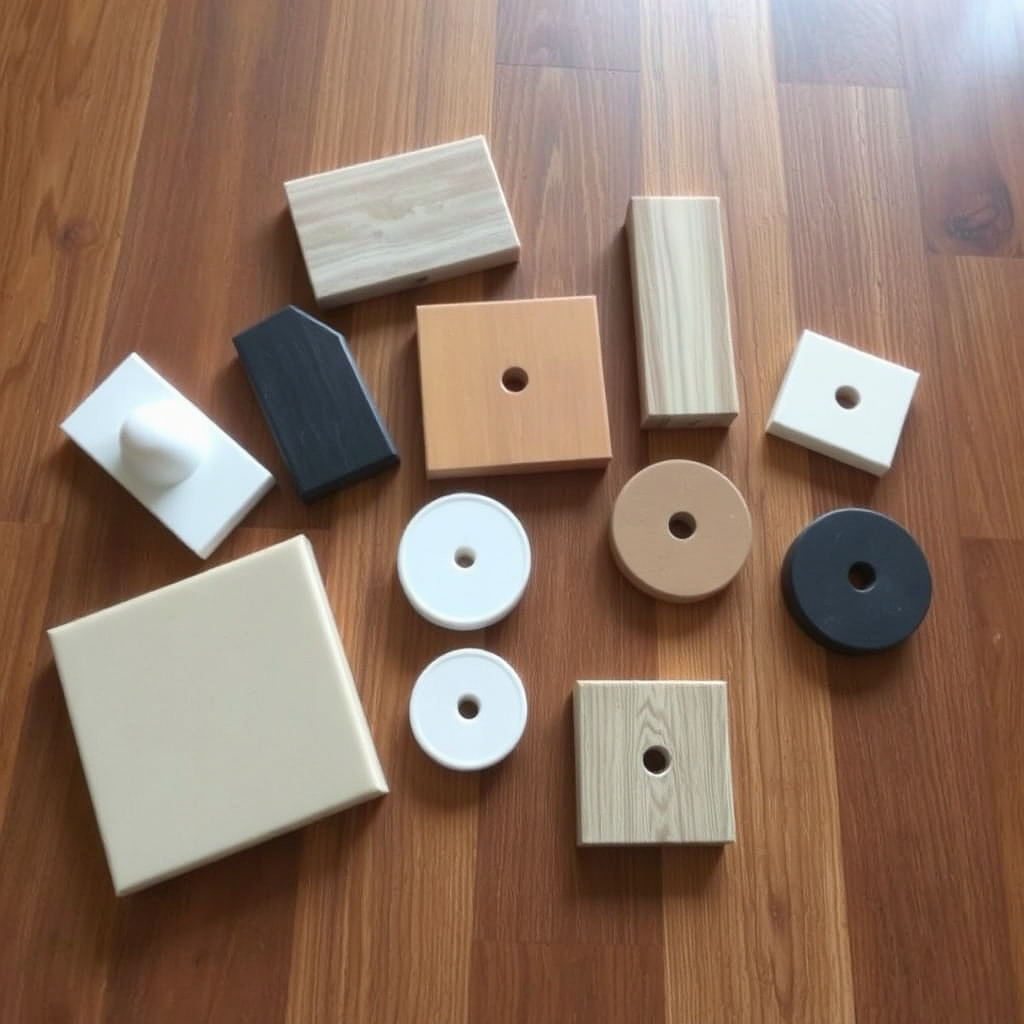
Plastic Furniture Sliders for Carpeted Surfaces
Plastic sliders often come with a felt or fabric underside designed to grip carpet fibers while enabling smooth movement. These sliders are ideal for heavy pieces on shag, plush, or low-pile carpets.
Their lightweight design and reduced friction mean less effort is required to push furniture. However, they can sometimes slip if the carpet is too thick or uneven, so testing first is advisable.
- Best for low- to medium-pile carpets
- Felt surface prevents carpet damage
- Affordable and reusable
Felt or Rubber Sliders for Hardwood and Tile Floors
Sliders with a felt or rubber bottom prevent scratches on hard surfaces like hardwood, tile, or laminate. The soft base cushions furniture legs and glides smoothly without rubbing.
Rubber sliders offer better grip but may require slightly more force to move furniture compared to felt. Felt sliders are gentler and preferred for polished or delicate flooring.
- Ideal for hardwood, tile, laminate floors
- Protects surface from scuffs and dents
- Available in round and square shapes
Proper Preparation Before Using Furniture Sliders

Clean Floors and Furniture Legs
Removing dirt and debris from both the floor and the furniture legs prevents scratches during moving. Tiny particles trapped under sliders can cause abrasions despite their protective layers.
Use a soft cloth and mild cleaner to wipe floors and the bottoms of furniture legs. Allow surfaces to dry completely to maintain slider effectiveness.
Lift and Position Sliders Correctly
Furniture sliders work best when placed directly under the main weight points like legs or corners. Carefully lift each leg a few inches and slide the appropriate slider underneath.
For heavier items, enlist help or use a lever tool to avoid injury and ensure correct placement. Incorrect positioning can cause imbalance or damage during movement.
Techniques for Moving Furniture with Sliders

Push, Don’t Pull the Furniture
Pushing furniture distributes weight more evenly and gives better control, reducing the risk of sliders popping out or furniture tipping over.
Move slowly and steadily to maintain slider position. Quick or jerky movements can dislodge sliders or damage flooring.
- Maintain steady pressure
- Avoid abrupt movements
- Move in short distances if necessary
For more on this, see our related guide: 5 Tips on How to Choose a Coffee Table.
Use Additional Protection for Delicate Floors
For fragile surfaces like antique hardwood, consider placing a soft cloth or foam pad under sliders for extra cushioning.
This additional barrier absorbs shock and prevents even minor abrasions during relocation.
- Soft cloth layers
- Foam pads
- Furniture pads
Special Considerations for Different Furniture Types

Heavy Sofas and Sectionals
Large, bulky sofas often require multiple sliders under each leg or corner. Break down sectional pieces when possible to make moving manageable.
Using multiple furniture sliders distributes weight evenly, preventing floor damage and making movement smoother.
- Use one slider per leg
- Disassemble if feasible
- Ask for assistance
Delicate or Antique Furniture
Antiques require gentle handling to avoid damage. Slip felt sliders under legs carefully and avoid dragging over uneven surfaces.
Consider hiring professional movers if the piece is particularly valuable or fragile.
Maintenance and Reuse of Furniture Sliders

Cleaning and Inspecting Sliders
After use, clean sliders to remove dust and debris that reduce their effectiveness. Felt bottoms can be gently combed with a brush, while plastic surfaces wipe clean easily.
Check sliders for wear and tear regularly. Replace damaged sliders to maintain protection for your floors.
- Brush felt surfaces
- Wipe plastic parts
- Inspect for cracks or thinning
For more on this, see our related guide: 10 Tips on How Many Dressers a Bedroom Should Have.
Proper Storage Tips
Store sliders flat in a dry, dust-free container to prevent warping or contamination. Keeping them organized prolongs lifespan and makes them easy to find when needed.
Avoid placing heavy objects on stored sliders to prevent deformation.
Choosing the Right Furniture Sliders for Your Needs
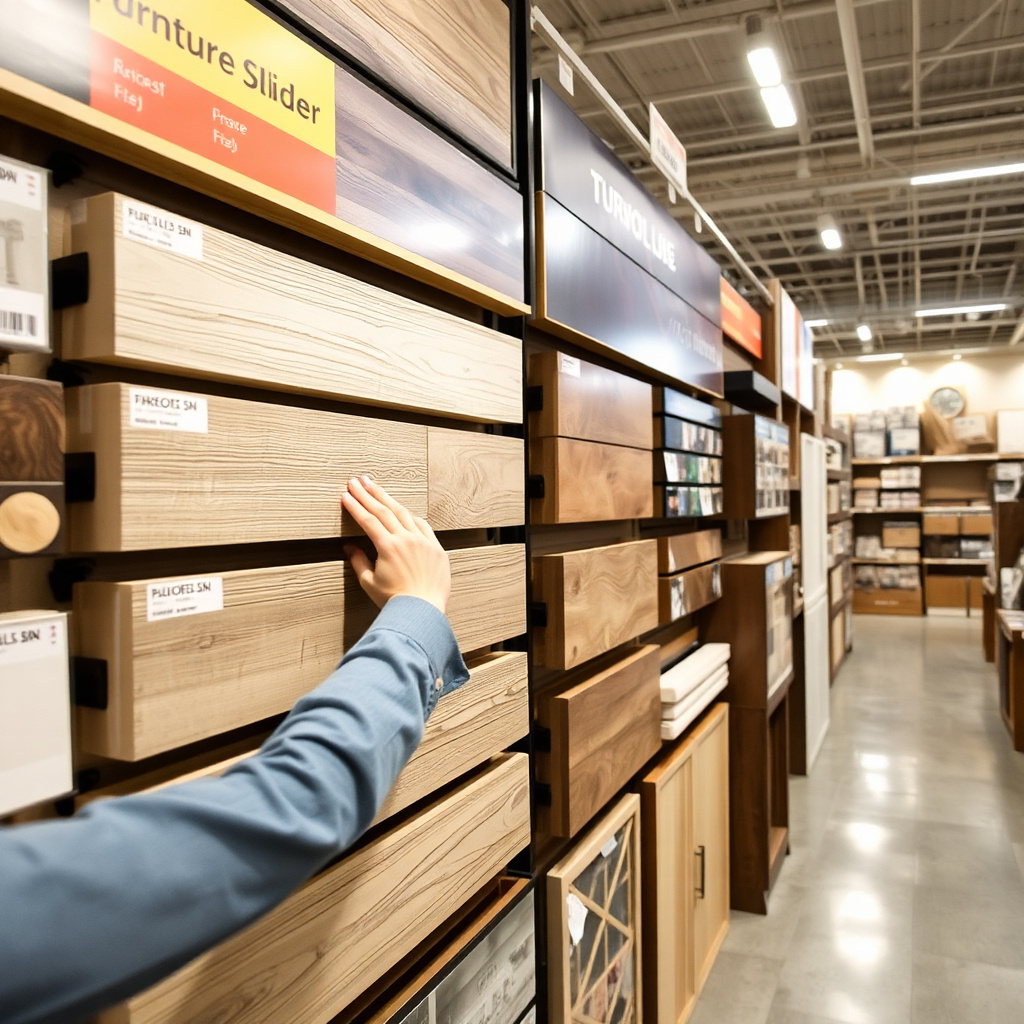
Match Sliders to Floor Type
Identify your primary flooring surface to pick sliders that won’t cause damage. Felt sliders suit hardwood or tile, while plastic sliders are best for carpets. Some sliders are designed as multipurpose options but check reviews carefully.
Floor texture and fragility should guide your choice more than furniture weight alone.
For more detailed history and types of furniture sliders, you can visit the Wikipedia page on furniture sliders. furniture sliders.
Consider Weight Capacity and Durability
Every slider has a weight limit based on its size and material. Cross-check your furniture’s total weight and opt for sliders rated with a comfortable margin above that to avoid breakdowns during use.
Durability ensures long-term reuse, which can save money if you move furniture regularly.
- Check packaging weight ratings
- Choose robust materials
- Select appropriate sizes
Furniture Sliders Category Comparison
Here is a comparison of common furniture slider types based on floor compatibility, durability, ease of use, and typical cost.
| Slider Type | Best Floor Type | Durability | Ease of Use | Typical Cost |
|---|---|---|---|---|
| Plastic Sliders | Carpet | Medium | High | Low |
| Felt Sliders | Hardwood, Tile | High | Medium | Medium |
| Rubber Sliders | Hardwood, Tile | High | Medium | Medium |
| Foam Pads | Delicate Hardwood | Low | Low | Low |
| Hybrid Sliders (Felt + Plastic) | Multiple Surfaces | High | High | High |
Frequently Asked Questions
Can furniture sliders be used on all floor types?
Most furniture sliders are designed for specific flooring to prevent damage. Felt sliders work well on hardwood and tile, while plastic sliders suit carpets. Using the wrong slider on a floor can cause scratches or poor movement.
How much weight can furniture sliders typically hold?
Weight capacity varies, but many sliders support between 100 to 500 pounds each, depending on size and material. Always check product specs to match your furniture’s weight with an appropriate safety margin.
Are furniture sliders reusable after moving furniture?
Yes, furniture sliders are generally reusable if maintained properly. Clean them after each use and inspect for damage to ensure they remain effective and protective on subsequent moves.
Do furniture sliders work on thick carpet or rugs?
Furniture sliders work best on low- to medium-pile carpets. Thick or plush carpets reduce slider effectiveness by absorbing pressure and increasing friction, making it harder to move furniture smoothly.
What should I do if furniture sliders start to slip during the move?
If sliders slip, try pressing down harder to keep contact or reposition them for a better grip. For slippery floors, adding a thin cloth or rubber layer beneath the slider can enhance traction and control.
Key Takeaways
- Choose furniture sliders based on your floor type for best results.
- Properly clean floors and furniture legs before placement.
- Push furniture slowly to keep sliders aligned and prevent damage.
- Regularly inspect and maintain sliders for long-term use.
Conclusion
Understanding how to use furniture sliders effectively simplifies moving heavy pieces and protects your floors. Focus on selecting the right sliders that match your floor material and your furniture’s weight. Preparation, like cleaning surfaces and proper placement of sliders, plays a crucial role in safeguarding against scratches and making movement easier, reducing physical strain and preventing damage.
For hardwood or tile floors, felt or rubber sliders provide the best balance between smooth gliding and floor protection. Plastic sliders excel on carpeted surfaces but may struggle with thicker rugs. Large or heavy furniture such as sofas often require multiple sliders and sometimes disassembly for easier transport. Antique or delicate furniture demands an even gentler approach, with felt sliders complemented by extra padding if needed.
To get started, evaluate your floor type and furniture weight, then choose sliders rated for those conditions. Keep them clean and store them properly for repeated use. By following these practical steps, you can rearrange or move furniture with minimal effort and no damage, making any refresh of your living space both safe and straightforward.