How to Refinish Aluminum Patio Furniture for a Fresh Outdoor Look
Refinishing aluminum patio furniture involves cleaning, sanding, priming, and painting to restore its original appearance and protect it from the elements. Start by thoroughly washing off dirt and grime, then remove old paint and oxidation with fine sandpaper or a wire brush. After prepping the surface, apply a suitable primer before finishing with an outdoor-rated paint designed for metal surfaces.
Maintaining your patio furniture’s look is important because aluminum tends to dull and oxidize over time when exposed to sun, moisture, and temperature changes. Refinishing not only enhances aesthetic appeal but also extends the furniture’s life by providing a protective coating against corrosion and fading.
This guide will walk you through the detailed steps to refinish aluminum patio furniture, covering surface preparation techniques, choosing the right products, applying coatings, and finishing touches to get a durable, beautiful outdoor setup.
Preparing Aluminum Patio Furniture for Refinishing

Cleaning and Removing Dirt
Begin by scrubbing the furniture with soap and water, using a soft brush to eliminate dirt, dust, and grime that accumulate outdoors. This ensures the surface is free from contaminants that could interfere with adhesion.
Rinse thoroughly with clean water and allow the furniture to dry completely before moving on to paint removal and sanding.
- Use mild detergent and warm water
- Avoid harsh chemicals that might damage aluminum
- Focus on joints and crevices where dirt builds up
Stripping Old Paint and Oxidation
Old paint flakes or peeling surfaces need to be stripped either with a chemical paint stripper formulated for metals or by sanding. A wire brush or coarse sandpaper can reveal bare metal and remove oxidation layers.
Wear protective gloves and goggles during this process and work in a well-ventilated area to avoid inhaling dust or fumes.
- Select paint stripper safe for aluminum
- Sand with 120- to 220-grit sandpaper
- Remove rust or corrosion spots thoroughly
Sanding and Smoothing the Surface
Choosing the Right Sandpaper Grit
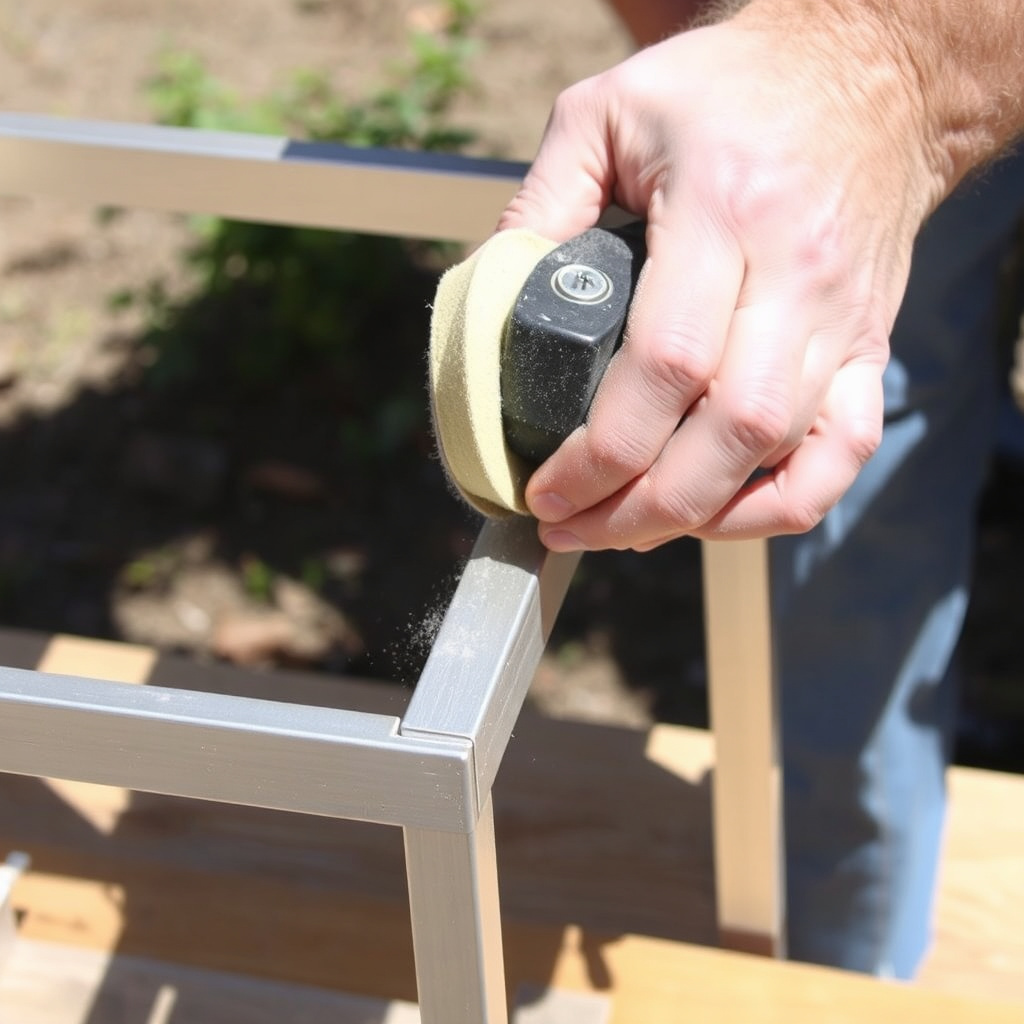
Use medium-grit sandpaper (around 120 grit) first to remove uneven patches, then switch to fine-grit (220-320 grit) for smoothing. This sequence helps create an ideal surface for primer adhesion.
Avoid excessive sanding that may warp or scratch the aluminum; the goal is a uniform matte finish without bare spots.
- Start with 120 grit around rust areas
- Finish with 220- to 320-grit evenly
- Sand in the direction of the metal grain
Cleaning After Sanding
After sanding, remove all dust with a tack cloth or wipe with a damp rag to prevent particles from causing texture issues in the paint coat. Residue-free surfaces ensure better bonding of primer and topcoat.
Check the furniture under good light for any rough spots or missed areas before continuing.
- Use tack cloth for fine dust
- Damp rag for sticky residue
- Allow to dry completely before priming
Applying Primer to Aluminum Furniture

Selecting the Right Primer
For aluminum furniture restoration, use an etching primer designed to adhere to metal and resist corrosion. This product chemically bonds to the aluminum, providing a strong base for paint.
Avoid generic primers as they may peel or fail outdoors.
- Look for acid-based or etching primers
- Check compatibility with aluminum
- Choose rust-inhibiting formulas
Techniques for Primer Application
Apply primer in thin, even coats using spray cans, a brush, or a spray gun. Multiple light layers prevent runs or drips and dry faster. Allow recommended drying time between coats according to manufacturer instructions.
Cover edges and hard-to-reach areas thoroughly to ensure full protection.
- Maintain 8–12 inches distance for spraying
- Use smooth, overlapping strokes
- Apply 2-3 coats for best coverage
Painting Aluminum Patio Furniture

Choosing Paint for Aluminum Furniture Restoration
Select oil-based or specially formulated outdoor metal paints that resist chipping, fading, and moisture damage. These paints provide long-lasting color and protect against UV rays to keep furniture vibrant.
Avoid latex-based paints which may not bond well to primer on aluminum.
- Use enamel or acrylic enamel paints
- Check for outdoor and metal surface use
- Pick colors that complement outdoor decor
Applying Paint Properly
Apply the paint in thin, uniform coats similar to the primer. Allow sufficient drying time between coats and avoid painting in direct sunlight or high humidity to prevent blistering or bubbling.
Use multiple coats until achieving full, even coverage and wipe off any drips before drying fully.
- Spray or brush paint with gentle, overlapping strokes
- Apply 2-3 coats for durability
- Let paint dry 24 hours before using furniture
Finishing Touches and Maintenance
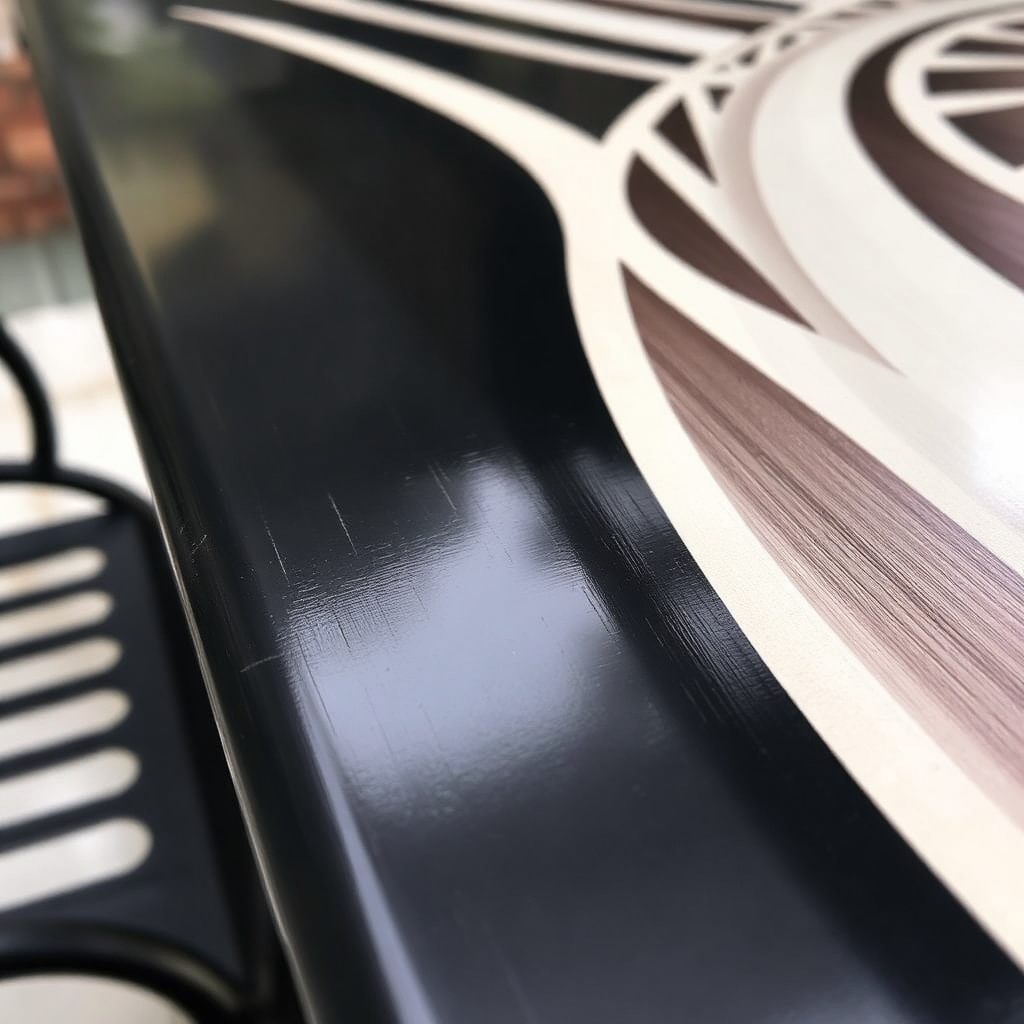
Adding a Protective Clear Coat
For enhanced durability and shine, consider adding a clear topcoat designed for outdoor metal. This layer shields paint from chips, scratches, and UV degradation, extending the furniture’s renewed look.
Choose a clear coat compatible with your paint type (enamel or acrylic).
- Apply clear coat in light, even sprays
- Allow full cure time before use
- Reapply annually for best protection
For more technical background on aluminum and its properties, you can refer to this Wikipedia page on aluminum. Aluminum patio furniture refinishing basics.
Routine Care to Maintain Finish
Regular cleaning with mild soap and water helps maintain the finish and prevents buildup of corrosive materials. Cover or store furniture during harsh weather to preserve paint life.
Inspect occasionally for chips or scratches and touch up promptly to stop corrosion.
- Clean gently to avoid scratching
- Use furniture covers in winter
- Touch up paint chips immediately
Aluminum Patio Furniture Refinishing Product Comparison
This table compares common primers and paints suited for aluminum furniture restoration based on durability, ease of use, and outdoor performance.
| Product Type | Durability | Ease of Application | Weather Resistance | Approximate Cost |
|---|---|---|---|---|
| Etching Primer | High | Spray/Brush | Excellent | $15-$25 per can |
| Oil-Based Enamel Paint | Very High | Spray/Brush | Excellent | $20-$30 per quart |
| Acrylic Enamel Paint | High | Spray/Brush | Good | $15-$25 per quart |
| Clear Protective Coat | Moderate | Spray | Good | $10-$20 per can |
| Latex Paint | Low | Brush | Poor | $10-$15 per gallon |
Frequently Asked Questions
Can I refinish aluminum patio furniture without sanding?
Sanding is important to remove oxidation and create a surface that primer and paint can adhere to. Skipping sanding often results in poor paint adhesion and a finish that peels prematurely.
How long does the refinishing process take?
Refinishing usually takes 1-3 days depending on drying times between coats. Proper curing is necessary for a durable finish, so patience improves long-term results.
Is spray painting better than brushing for aluminum furniture?
Spray painting provides a smoother, more even finish and reaches tight spots easily, but either method can work well if applied carefully in thin layers.
What kind of primer works best on aluminum furniture?
An etching or acid-based primer specifically formulated for aluminum is best as it promotes better bonding and corrosion resistance compared to general-purpose primers.
Do I need to remove rust before painting aluminum furniture?
Yes, removing rust is necessary to prevent further corrosion and to ensure the surface is stable enough for the primer and paint layers.
Key Takeaways
- Thoroughly clean and sand aluminum furniture before refinishing
- Use an etching primer to promote paint adhesion and prevent corrosion
- Choose durable oil-based or acrylic enamel paints designed for outdoor metal
- Apply multiple thin coats of primer and paint for best results
Conclusion
Refinishing aluminum patio furniture requires a sequence of careful surface preparation, priming, and painting steps to restore and protect the material. Cleaning off dirt and oxidation, followed by thorough sanding, ensures a properly prepared surface critical for primer and paint adhesion. Selecting the right etching primer designed for aluminum improves bonding and corrosion resistance, which is essential to maintain the furniture’s appearance for years. Using paint formulated specifically for outdoor metal surfaces completes the refinishing process with a durable, pleasing finish. This method enhances the furniture’s life and preserves your outdoor space’s polish.
If you have aluminum patio furniture faded from years in the sun, choosing an oil-based enamel paint paired with an etching primer is especially effective for weather resistance and color retention. For lighter maintenance or a quick refresh, acrylic enamel paints provide good coverage and durability. Adding a clear protective coat adds lifetime value if you expect heavy weather exposure. Routine cleaning and prompt touch-ups of chips will help keep the finish looking fresh. Consider your climate and desired finish durability when picking primer and paint products during your aluminum furniture restoration.
Start your refinishing project by gathering cleaning supplies, sandpaper, etching primer, suitable paint, and protective topcoat if desired. Set aside a few dry days for the work and drying periods to maximize your results. Safety gear such as gloves, goggles, and masks protects you during sanding and painting. With attention to these details and careful application, your aluminum patio furniture can regain its charm and stay protected outdoors. This practical approach to aluminum furniture restoration will save money and enhance your outdoor enjoyment.