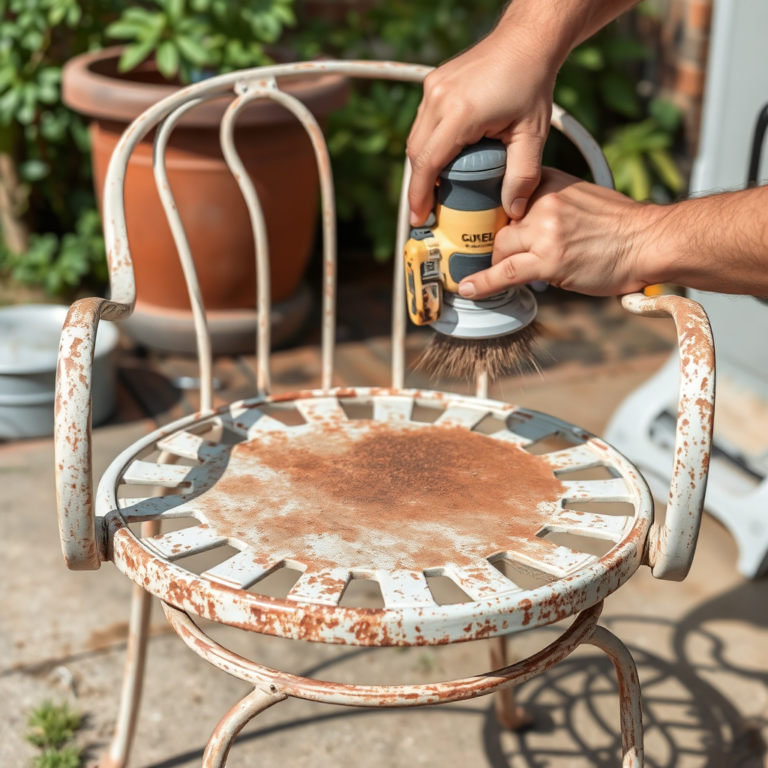
How to Wash Patio Furniture Covers: A Step-by-Step Guide
Washing patio furniture covers is straightforward when you follow the right steps, protecting your investment and extending its life. Start by checking the care label on your covers for specific washing instructions. Typically, gentle machine washing or hand washing with mild detergent is best. Avoid harsh chemicals or bleach that can damage the fabric and waterproofing.
Keeping your patio furniture covers clean matters because dirt, mildew, and stains can deteriorate the material, reducing their effectiveness against weather elements. Regular washing removes accumulated debris and prevents mold growth, which is especially important in humid or rainy climates.
This article explains how to wash patio furniture covers properly, covering preparation, washing methods, drying tips, and care advice that will help your covers stay in good condition season after season.
Preparing Patio Furniture Covers for Washing
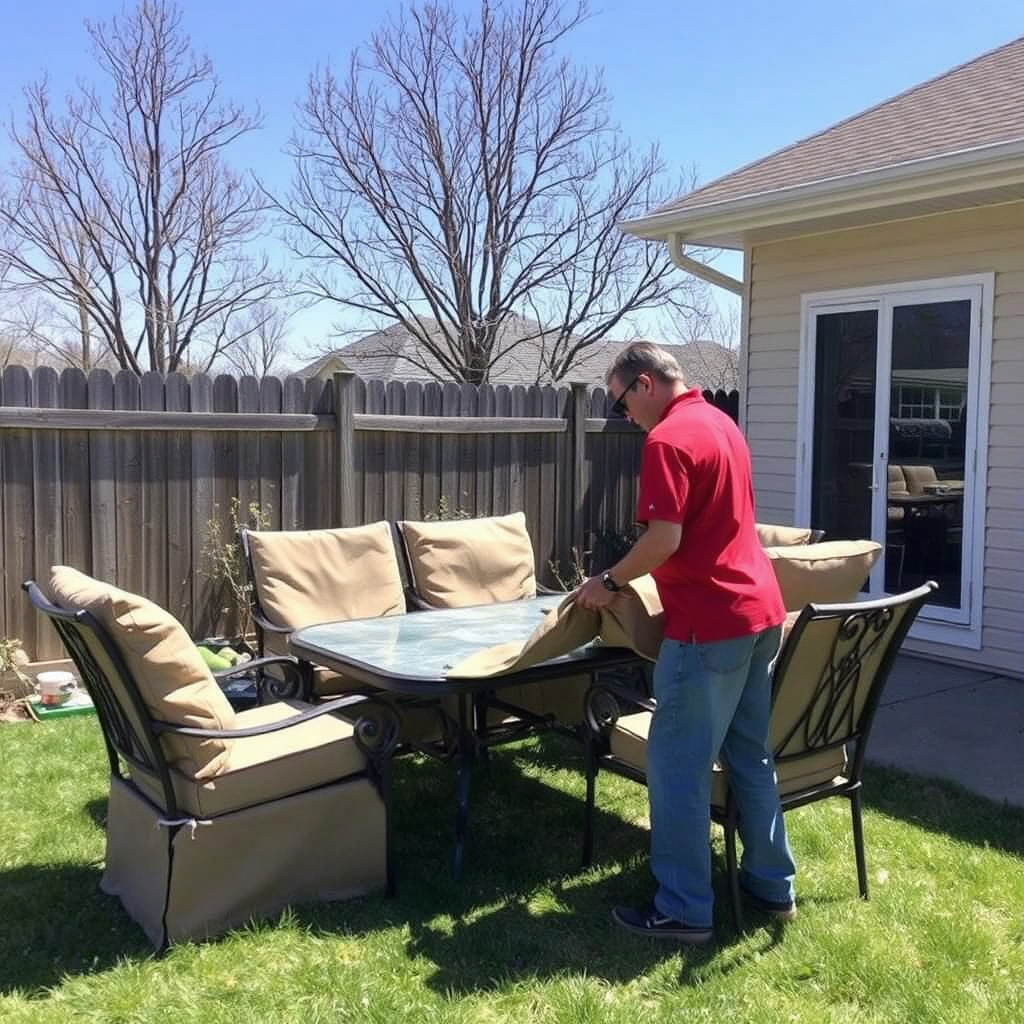
Removing Loose Dirt and Debris
Before washing, take your patio furniture covers off and give them a thorough shake or brush to clear away loose dirt, leaves, and twigs. This initial step prevents clogging your washer or tangling debris inside the fabric during cleaning.
Using a soft brush or vacuum with a brush attachment can also help remove embedded dirt without damaging the fabric surface.
- Shake out covers to remove loose dirt
- Brush or vacuum stubborn debris gently
- Spot-check for stains or mildew
Checking Care Labels and Fabric Type
Always review the manufacturer’s care label before washing. Different covers may be made of polyester, vinyl, or acrylic fabric blends, each with unique washing requirements.
Some may allow machine washing on a gentle cycle, while others recommend hand washing or spot cleaning only to preserve their waterproof coatings.
- Identify fabric type from care tag
- Follow recommended washing instructions
- Avoid bleach or harsh detergents
Choosing the Right Washing Method
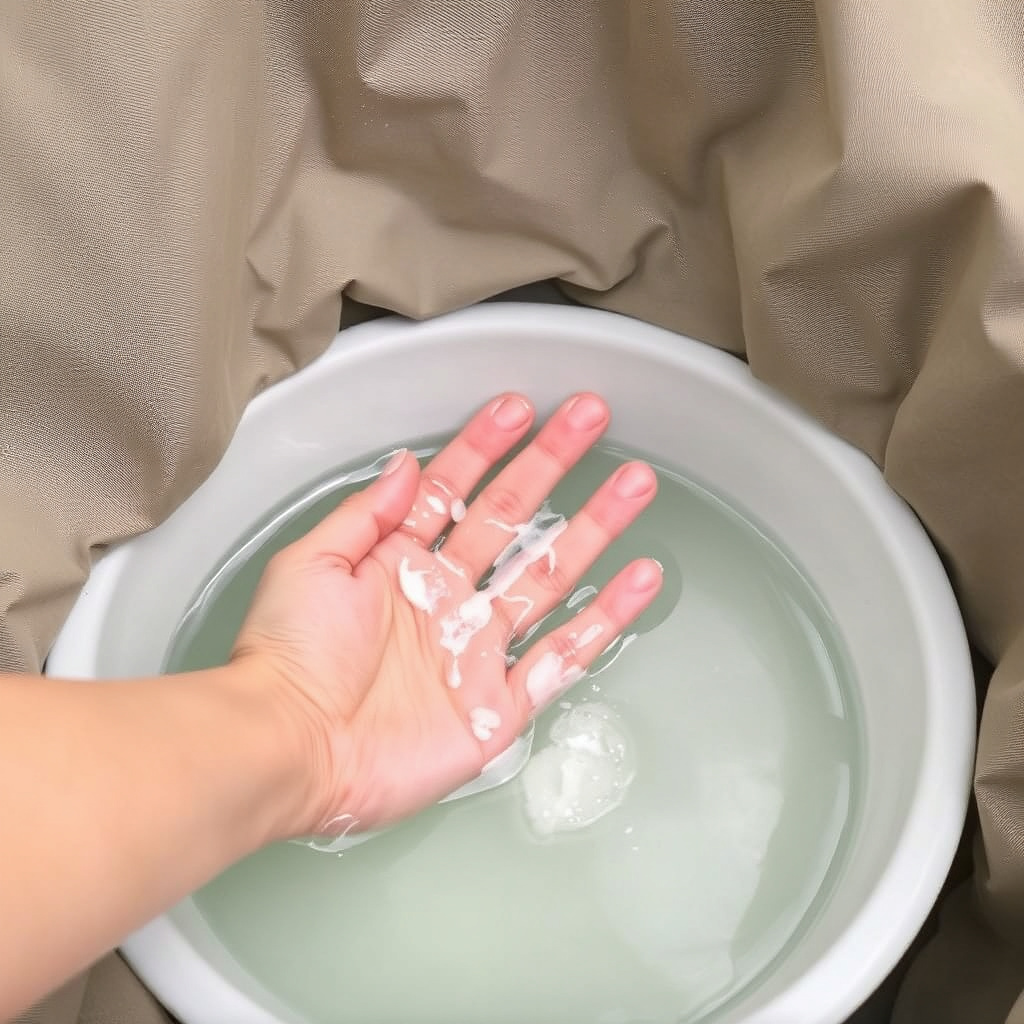
Machine Washing Patio Furniture Covers
If your covers are machine washable, use cold or lukewarm water on a gentle cycle with a mild liquid detergent. Avoid using fabric softeners, bleach, or harsh chemicals that can strip water-resistant coatings.
It’s best to wash covers separately or with similar fabrics to prevent damage. Use extra rinses to remove detergent residue that might attract dirt later.
- Cold or lukewarm water setting
- Gentle cycle with mild liquid detergent
- Avoid bleach and fabric softeners
- Extra rinse cycle recommended
Hand Washing and Spot Cleaning
For delicate covers or those with stubborn stains, hand washing in a large basin or tub allows controlled cleaning. Use a soft cloth or sponge with mild soap and gently scrub the soiled areas.
For mildew or tough grime, a mixture of water and white vinegar can help break down buildup without damaging fabric integrity.
- Use lukewarm water and mild soap
- Gently scrub stains with soft cloth
- Diluted white vinegar for mildew treatment
Drying and Storing Patio Furniture Covers
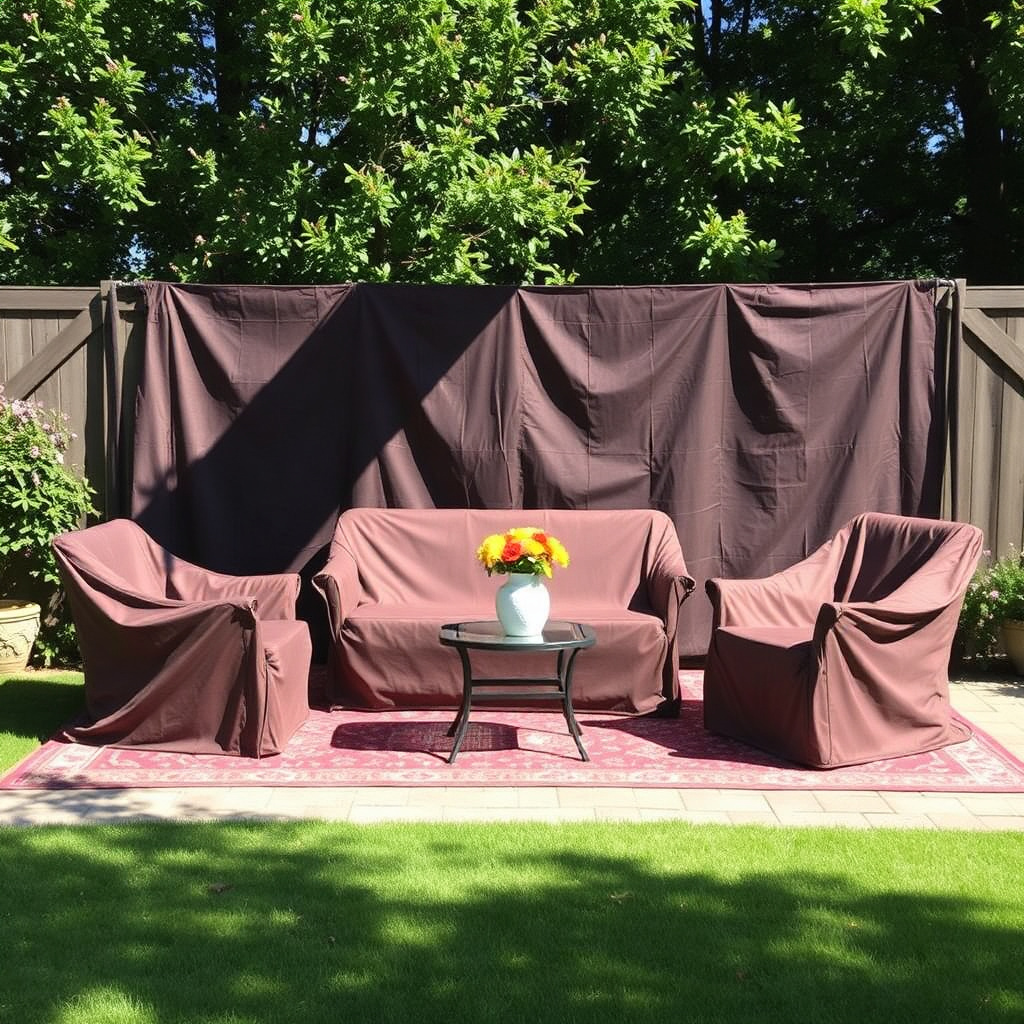
Proper Drying Techniques
After washing, rinse thoroughly and hang the covers in a well-ventilated area to air dry completely before storage. Avoid direct sunlight exposure for long periods to prevent fading or material weakening.
Do not use a dryer as high heat can shrink synthetic fabrics and damage water-resistant coatings.
- Air dry in shade or indirect sunlight
- Avoid using a tumble dryer
- Ensure covers are completely dry before storing
Storing Covers When Not in Use
Store clean, dry patio furniture covers in a cool, dry place during off-season months. Using breathable storage bags or containers prevents moisture buildup and mildew growth.
Never store covers while wet or dirty, as this promotes mold and fabric degradation.
- Use breathable storage bags
- Keep covers in a cool, dry place
- Avoid storing damp covers
Maintaining and Protecting Covers for Longevity

Regular Cleaning and Inspection
Cleaning patio furniture covers regularly helps prevent dirt buildup and mold. Inspect for tiny tears or worn spots and patch them to prevent further damage.
Frequent checks allow you to address small issues before they escalate, extending the usable life of your covers.
- Clean covers every few months
- Inspect for damage during each cleaning
- Repair minor tears promptly
Applying Water-Repellent Treatments
To maintain water resistance, apply a fabric-safe water repellent spray periodically, especially after washing. This treatment refreshes protective coatings, preventing water absorption and mildew.
Choose sprays compatible with your covers’ fabric to avoid weakening materials or changing colors.
- Use fabric-specific water repellent sprays
- Apply after washing and drying
- Reapply every few months for best results
Troubleshooting Common Problems When Washing Covers

Removing Stubborn Mildew and Stains
Mildew and tough stains often require special attention. Mix one part white vinegar with three parts water and scrub affected spots gently with a soft brush. Rinse thoroughly afterward.
Avoid bleach as it can discolor fabrics and weaken fibers, reducing your covers’ lifespan.
- Use vinegar-water solution for mildew
- Gently scrub and rinse well
- Avoid bleach to protect fabric
You can find more detailed information on outdoor furniture and cover maintenance through these patio furniture cover maintenance guidelines. patio furniture cover maintenance guidelines.
Fixing Fading or Discoloration
Prolonged sun exposure or harsh detergents may cause fading. Protect covers by drying in shaded areas and using mild detergents. If fading occurs, consider fabric dyes designed for outdoor materials to restore color.
Prevent future discoloration by storing covers away from direct sunlight.
- Dry in shaded or indirect sunlight
- Choose mild, fabric-friendly detergents
- Use outdoor fabric dyes cautiously
Patio Furniture Cover Types Comparison
Here’s a quick comparison of popular patio furniture cover materials and their washing compatibility.
| Material | Water Resistance | Washing Method | Durability | Cost |
|---|---|---|---|---|
| Polyester with PVC Coating | High | Machine or hand wash | High | Moderate |
| Acrylic Fabric | Moderate | Hand wash recommended | Moderate | High |
| Vinyl | Very High | Spot clean preferred | High | Low to Moderate |
| Canvas | Low | Machine wash gentle cycle | Moderate | Low |
| Polypropylene | High | Hand wash or gentle machine | High | Moderate |
Frequently Asked Questions
Can I put my patio furniture covers in the washing machine?
If the care label allows, you can machine wash patio furniture covers on a gentle cycle with mild detergent. Avoid bleach, fabric softeners, and high heat drying.
How often should I wash my patio furniture covers?
Washing covers every few months or as soon as you notice visible dirt or mildew is best. Regular cleaning prevents damage and prolongs the cover’s usefulness.
What if my patio furniture covers have mildew stains?
Use a solution of white vinegar and water to gently scrub mildew spots. Avoid bleach since it can harm the fabric. Rinse thoroughly and dry completely before reuse.
Is it safe to use bleach on patio furniture covers?
Bleach is generally not recommended because it can weaken fibers, fade colors, and damage water-resistant coatings on patio furniture covers.
How should I dry my patio furniture covers after washing?
Air drying in a shaded area with good airflow is best. Avoid direct sunlight and never use a tumble dryer, which can warp or shrink the fabric.
Key Takeaways
- Check care labels before washing to select the proper method
- Use mild detergent and avoid bleach to protect fabric integrity
- Air dry covers away from direct sunlight to prevent damage
- Apply water-repellent treatments periodically to maintain protection
Conclusion
When washing patio furniture covers, the key is balancing effective cleaning with preserving the fabric’s protective qualities. Begin by inspecting care labels, removing dirt, and selecting a washing approach—from gentle machine cycles to hand washing—that suits your covers’ material and condition. Rinsing well and thorough drying are essential to avoid mildew and fabric decay. Regular maintenance and care extend the covers’ life, helping you save money and keep your outdoor space inviting.
If your covers are made from durable polyester with a PVC coating, gentle machine washing and applying fabric-safe water-repellent sprays after drying can keep them functional and visually appealing for years. For delicate fabrics like acrylic, hand washing and spot cleaning are safer choices, preventing damage to water resistance or fading. Vinyl covers often require spot cleaning rather than full washing due to their material sensitivity. Knowing your cover type helps tailor cleaning methods and upkeep accordingly.
The next step after cleaning should be proper storage in a dry, shaded environment, using breathable bags when possible to avoid moisture buildup. With regular cleaning, prompt repairs, and seasonal water-repellent treatments, your patio furniture covers will stay resilient through all weather conditions. Start by identifying your cover’s fabric and care requirements today, then follow the simple washing and maintenance steps to protect your investment effectively.