How to Keep Cat Off Furniture: Effective Methods That Work
If you’re wondering how to keep cat off furniture, the most straightforward way is to combine deterrents with positive reinforcement. Cats instinctively like to scratch and climb on furniture, but consistent training, deterrent tools, and providing alternatives like scratching posts can effectively redirect their behavior. How to Keep Cat Off Furniture.
This matters because protecting your furniture not only saves you money but also creates a peaceful living space. Cats naturally seek elevated spots and textured surfaces, so understanding their behavior helps you implement solutions that work without stress—for both you and your pet.
This article explains practical methods to prevent cats from jumping on and scratching furniture. We’ll cover deterrents, environmental modification, training techniques, furniture protection options, and psychological insights to help you manage your cat’s habit comprehensively.
Understanding Why Cats Climb and Scratch Furniture

Cat Behavior and Natural Instincts
Cats scratch furniture as a way to mark territory, sharpen claws, and stretch muscles. This instinctive action serves several biological and psychological functions that are crucial for their well-being.
Additionally, jumping and climbing on furniture satisfies their hunting and exploration instincts, giving them vantage points and environmental stimulation necessary to feel safe and engaged indoors.
How Furniture Becomes a Target
Furniture is often targeted because it is conveniently located and has textures that attract cats’ scratching preferences, such as fabric upholstery or wood surfaces. Sofas and chairs provide both tactile satisfaction and comfortable resting spots.
If cats lack suitable scratching alternatives or enriched environments, they naturally turn to furniture. This highlights the importance of offering attractive substitutes.
Using Physical Deterrents to Keep Cat Off Furniture

Sticky Tape and Surface Barriers
Double-sided sticky tape applied to furniture edges makes surfaces unpleasant for cats to touch. The adhesive feels weird to their paws and discourages jumping or scratching on those areas.
Plastic mats with nubs or textured vinyl sheets can also serve as physical barriers, altering the surface and reducing appeal. These are cost-effective and easy to remove once the cat learns to avoid the area.
- Apply tape on couch arms and backs
- Use plastic mats on favorite scratching spots
Repellents and Safe Sprays
Commercial cat repellents, usually odor-based, produce smells cats dislike but are safe for pets and humans. These sprays can be applied on furniture and need regular reapplication for effectiveness.
Natural alternatives like citrus oils or vinegar diluted in water can also deter cats, but they must be tested on fabric to avoid damage. Scent deterrents work best when combined with other approaches.
- Use pheromone-based sprays
- Test natural citrus sprays cautiously
Training Techniques and Positive Reinforcement

Redirecting Behavior with Scratching Posts
Providing enticing scratching posts or pads close to furniture can help redirect your cat’s urge. Reward your cat with treats or praise when it uses these alternatives, reinforcing good behavior effectively.
Placement matters: locate these posts in areas your cat frequents and use catnip to attract them. Consistency in rewarding desired actions encourages habit change.
- Place posts next to popular furniture
- Use catnip to draw attention
For more on this, see our related guide: How Much Does American Furniture Warehouse Charge for Delivery?.
Gentle Deterrence and Verbal Commands
When your cat jumps on forbidden furniture, calmly remove them and issue a firm but soft verbal ‘no.’ Repeated redirection combined with gentle refusal can gradually decrease unwanted behavior.
Avoid shouting or physical punishment, as it may increase stress or damage trust. Instead, use calm voice tones and patience to guide your cat toward acceptable behavior.
Modifying Your Home Environment for Success

Creating Cat-Friendly Zones
Design spaces that cater to your cat’s natural behaviors with climbing trees, shelves, and comfortable beds. When a cat has engaging alternatives, they are less likely to invade furniture.
Environmental enrichment also reduces boredom and anxiety, common reasons behind destructive behavior. Rotating toys and vertical spaces keeps stimulation high.
- Install cat trees near windows
- Offer varied toy options regularly
Furniture Covers and Protective Materials
Furniture covers made of tough fabrics or slipcovers can withstand scratching and prevent damage. These are cheaper to replace and protect the original upholstery.
Specialized furniture protectors for cats, such as transparent plastic shields or fitted guards, can visually deter cats and hide the tempting textures beneath.
- Use washable slipcovers
- Apply transparent plastic shields on armrests
Evaluating the Best Cat Deterrents for Furniture

Comparing Physical vs. Scent Deterrents
Physical deterrents like sticky tape and mats offer immediate contact discomfort, making them highly effective short-term. However, they may require frequent replacement and can look unattractive.
Scent deterrents avoid altering furniture appearance and are less intrusive, but cats can become accustomed to smells, reducing their long-term effectiveness without rotation.
- Physical deterrents provide tactile discouragement
- Scent deterrents offer non-invasive protection
For more on this, see our related guide: 7 Tips How to Choose Living Room Furniture.
Long-Term Effectiveness and Cat Personality
Some cats respond well to mild deterrents, while others require a combination of approaches. Personality plays a huge role: confident, curious cats may resist while shy cats are easier to train.
Combining deterrents with positive reinforcement tends to have the best lasting success across most temperaments.
Addressing Scratching Behavior Through Nail Care
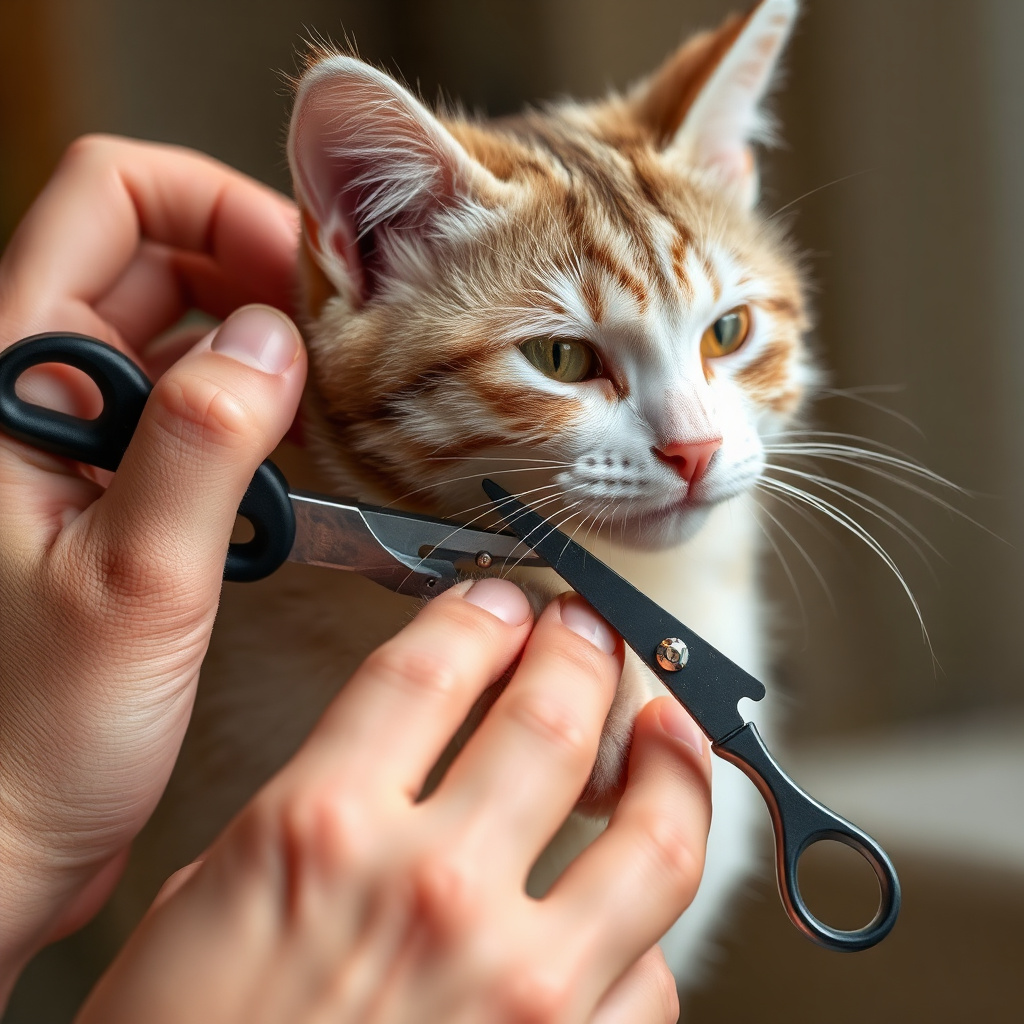
Regular Cat Nail Trimming
Keeping your cat’s nails trimmed reduces furniture damage by minimizing sharpness. Regular clipping every few weeks helps maintain manageable claw length.
Begin trimming gradually and gently to build your cat’s comfort and acceptance of the process. Use proper nail trimmers designed for cats to avoid injury.
- Trim nails every 2-3 weeks
- Use sharp, cat-specific clippers
To deepen your understanding of why cats behave this way, explore detailed cat behavior insights. cat behavior insights.
Soft Nail Caps as a Protective Option
Soft plastic nail caps can be glued onto cat nails, preventing damage during scratching without hindering natural behavior. They typically last 4-6 weeks and require professional or careful application.
While not suitable for all owners, nail caps provide a humane way to keep furniture safe when other methods are insufficient.
- Apply by a vet or trained groomer
- Lasts about 1 to 2 months
Cat Deterrent Category Comparison
Here’s a quick comparison of popular cat deterrent options to help determine which suits your needs best.
| Category | Effectiveness | Cost | Maintenance | Appearance Impact |
|---|---|---|---|---|
| Sticky Tape | High | $ | Moderate (replacement required) | Low (visible but minimal) |
| Scent Sprays | Moderate | $$ | Frequent reapplication | None |
| Physical Mats | High | $$ | Moderate | Moderate (plastic mats visible) |
| Furniture Covers | Moderate | $$$ | Low (washable) | High (varies by cover) |
| Nail Caps | High | $$$ | Monthly reapplication | None |
| Training & Reinforcement | Variable | Free | Continuous time investment | None |
Frequently Asked Questions
Can I train my cat to stop scratching furniture without using sprays or tapes?
Yes, by providing attractive scratching alternatives like posts and rewarding your cat when it uses them, you can encourage good habits without physical deterrents. Consistency and patience are key.
Are sticky tapes safe for cats?
Yes, double-sided sticky tapes designed for cat deterrence are safe but should be monitored to ensure your cat doesn’t ingest any. They simply feel unpleasant on paws, discouraging furniture use.
How often should I trim my cat’s nails to protect furniture?
Trimming your cat’s nails every 2-3 weeks helps keep them blunt and reduces furniture damage, especially when combined with other deterrent methods or scratching posts.
Will scent deterrents bother my family or guests?
Most commercial repellents use mild, safe scents that are subtle for humans but unpleasant for cats. Natural sprays like citrus can be stronger and should be tested to avoid discomfort for people.
Are nail caps painful for cats?
No, nail caps are safe and painless when applied correctly. They simply cover the sharp part of the claws, preventing damage while allowing your cat to move and scratch normally.
Key Takeaways
- Cats scratch and climb furniture due to natural instincts that need redirection.
- Physical deterrents like sticky tape and mats are immediate but may need replacement.
- Positive reinforcement successfully redirects cat behavior when paired with alternatives.
- Nail care and environment enrichment significantly reduce destructive furniture habits.
Conclusion
Approaching the question of how to keep cat off furniture requires understanding your pet’s natural tendencies and offering respectful solutions. Behavior modification fueled by consistent deterrents and rewarding alternative scratching gives your cat clear guidance without stress. The combination of environmental enrichment, training, and protective measures creates a balanced home that satisfies both human and feline needs.
In practical terms, those dealing with a persistent furniture climber may find success through layering approaches: start with sticky tape or mats to discourage immediate access, while setting up appealing scratching posts nearby. For cats sensitive to scents, use repellents cautiously alongside training, and incorporate nail trimming or nail caps if damage continues. Each cat’s personality influences which method holds the longest, so patience is essential.
For your next step, assess your home setup and observe your cat’s habits carefully. Introduce one or two deterrents at a time and reward good behavior consistently. Protect valued furniture with covers until new habits form. By actively shaping your cat’s environment and reinforcing preferred behavior, you’ll safeguard your furniture and foster a more harmonious living space.