How to Restore Antique Wood Furniture: A Step-by-Step Guide
Restoring antique wood furniture involves careful cleaning, repairing damage, and refinishing surfaces to preserve its character while enhancing durability. You start by gently cleaning away dirt and grime, then address structural issues like loose joints or missing parts. Finally, you apply finishes that match the original or complement the piece’s patina.
Antique wood furniture has unique value and charm that can fade without proper care. Restoring these pieces preserves their historical significance and beauty, allowing them to be functional and appreciated for years to come. The right restoration approach respects the original craftsmanship and materials, preventing damage from harsh chemicals or inappropriate techniques.
This article will guide you through essential methods such as cleaning with gentle products, identifying and fixing common damage, choosing finishes, and understanding when professional help is advisable. By the end, you’ll feel confident in restoring your antique wood furniture with safe and effective practices.
Cleaning Antique Wood Furniture Safely
Choosing the Right Cleaning Materials
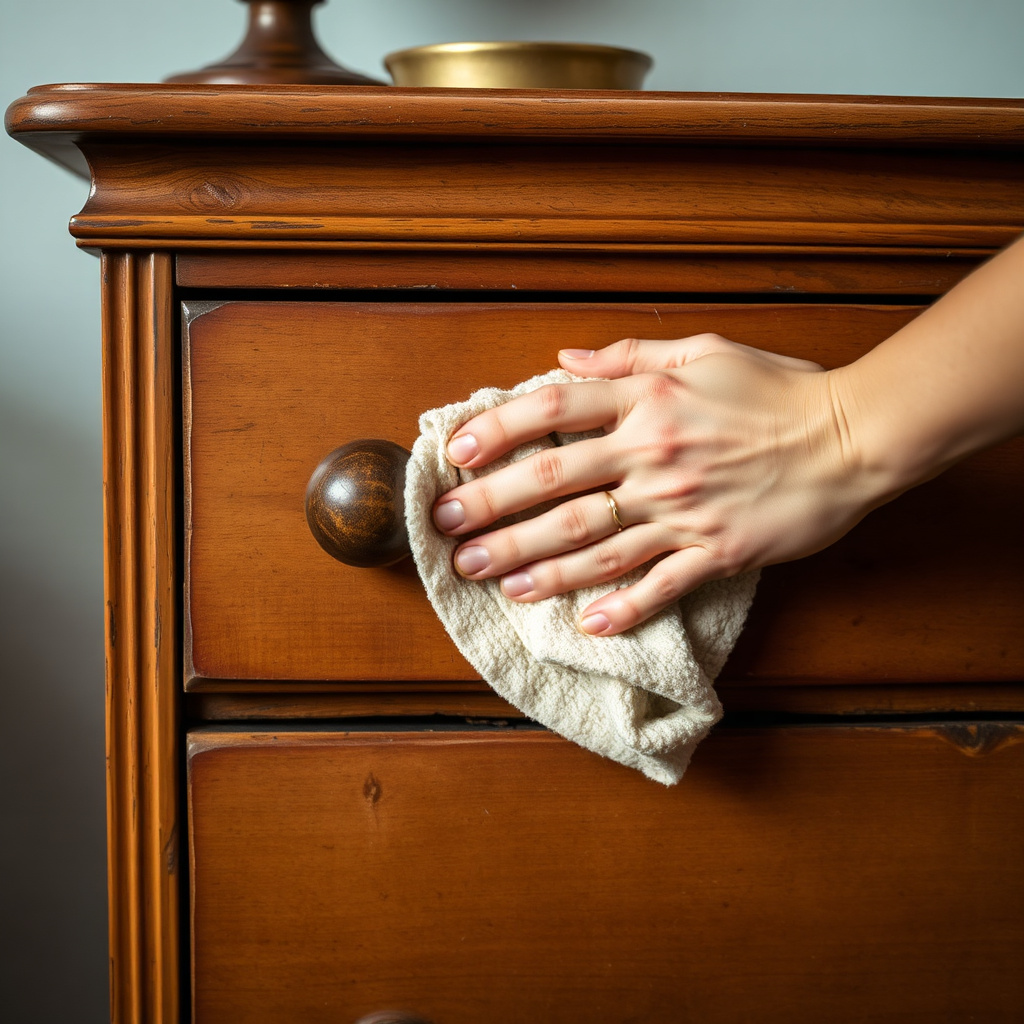
Using mild, non-abrasive cleaners is critical when cleaning antique wood furniture. Harsh chemicals can strip finishes or damage wood fibers, so opt for products like a solution of mild dish soap and warm water or commercial cleaners specifically designed for wood antiques.
Test any cleaner on a hidden area before proceeding on the entire piece. Soft cotton or microfiber cloths help remove surface dust and dirt without scratching the wood. Avoid excessive moisture which might cause swelling or warping.
- Mild dish soap diluted in water
- Commercial antique wood cleaner
- Soft microfiber cloths
- Soft brushes for crevices
Techniques for Deep Cleaning
For built-up grime, gently rub the surface in the direction of the grain using a lightly dampened cloth. In small crevices, a soft brush can loosen dirt without harming delicate carvings. Avoid using steel wool or scrapers that could scratch or remove original finishes.
Repeat the cleaning in sections, drying immediately with a clean cloth. Let the furniture dry naturally away from direct sunlight or heat sources to prevent cracking or discoloration.
Addressing Structural Damage and Repairs

Identifying Common Issues
Antique furniture often suffers from loose joints, missing veneer, cracks, or insect damage. Careful inspection is essential to determine the extent of repairs needed. Identifying old repairs can also help avoid using incompatible materials during restoration.
Pay attention to unstable legs, warped components, and detached decorative elements that require stabilization or replacement with matching materials.
- Loose or wobbly joints
- Cracked wood or split veneer
- Broken hardware or missing parts
- Insect damage such as small holes or frass
Repair Methods and Materials
Wood glue is typically used for reattaching joints, followed by clamping until fully dry. Veneers can be re-glued or patched using matching wood pieces to blend with the original surface. Filling cracks requires special wood fillers tinted to match wood tones or natural wood inserts.
When dealing with hardware, sourcing period-appropriate replacements or refinishing original metal parts can maintain authenticity. Avoid over-tightening screws, which could split the wood.
- Use hide glue or PVA wood glue
- Clamp joints firmly during drying
- Fill cracks with tinted wood filler
- Match veneer repairs carefully
Restoring the Finish on Antique Wood Furniture
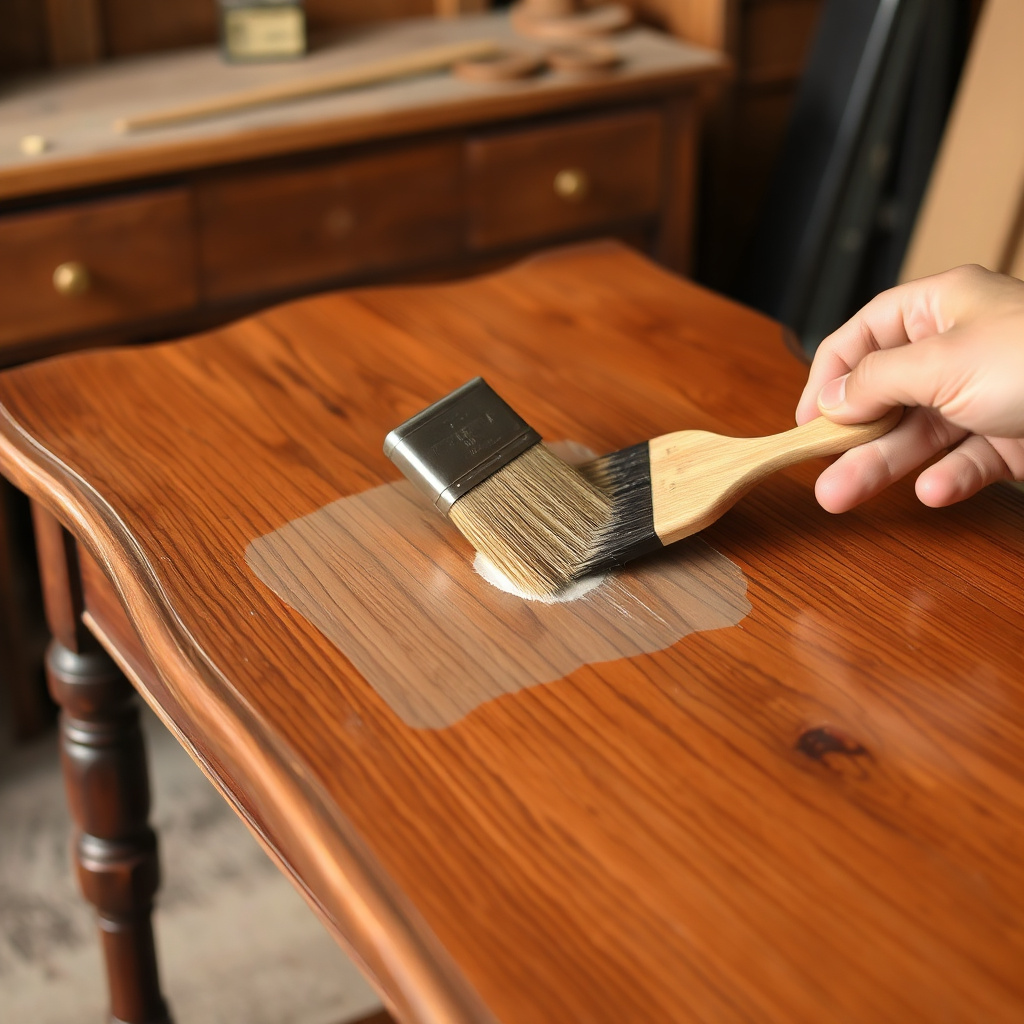
Stripping Old Finish Safely
If the original finish is heavily damaged, it might be necessary to strip it before refinishing. Select chemical strippers specifically formulated for antiques to avoid damage. Apply stripper evenly and remove softened finish with plastic scrapers and steel wool gently.
Work in a ventilated area and use personal protective equipment. Test stripper effectiveness on an inconspicuous area to gauge the reaction and adjust application time accordingly.
- Use antique-friendly chemical strippers
- Avoid metal scrapers that gouge wood
- Test on hidden spots
- Work in well-ventilated spaces
Applying New Finishes
Traditional finishes like shellac, tung oil, or wax are common choices that highlight wood grain without hiding patina. Apply in thin coats with a natural bristle brush or lint-free pad, allowing adequate drying between coats. Sand lightly with fine steel wool between coats for smoothness.
Avoid modern polyurethane finishes when preserving antique authenticity unless heavily worn pieces require durable protection. Always choose finishes that suit the wood type and provenance.
- Shellac for warm, glossy finish
- Tung oil for natural matte sheen
- Paste wax for protective layering
- Sand lightly between coats
Preserving Antique Value During Restoration

Why Maintaining Originality Matters
Preservation-minded restorers avoid removing original materials that contribute to the piece’s historical and monetary value. Over-restoring can reduce authenticity and desirability among collectors. Keeping visible wear consistent with age respects the furniture’s story.
Patina — the natural finish evolved from years of use — adds character. Restoring carefully means cleaning and stabilizing without erasing this visual marker.
When to Consult Professionals
Severe damage, delicate inlays, or high-value antiques may require expert restoration to prevent accidental loss of value. Professional conservators use specialized techniques suited for rare woods and finishes. They also document and justify interventions for provenance.
Consider a professional opinion if unsure about techniques or materials to use. Affordable initial consultations can save costly mistakes.
Tools and Supplies Needed for Antique Furniture Restoration
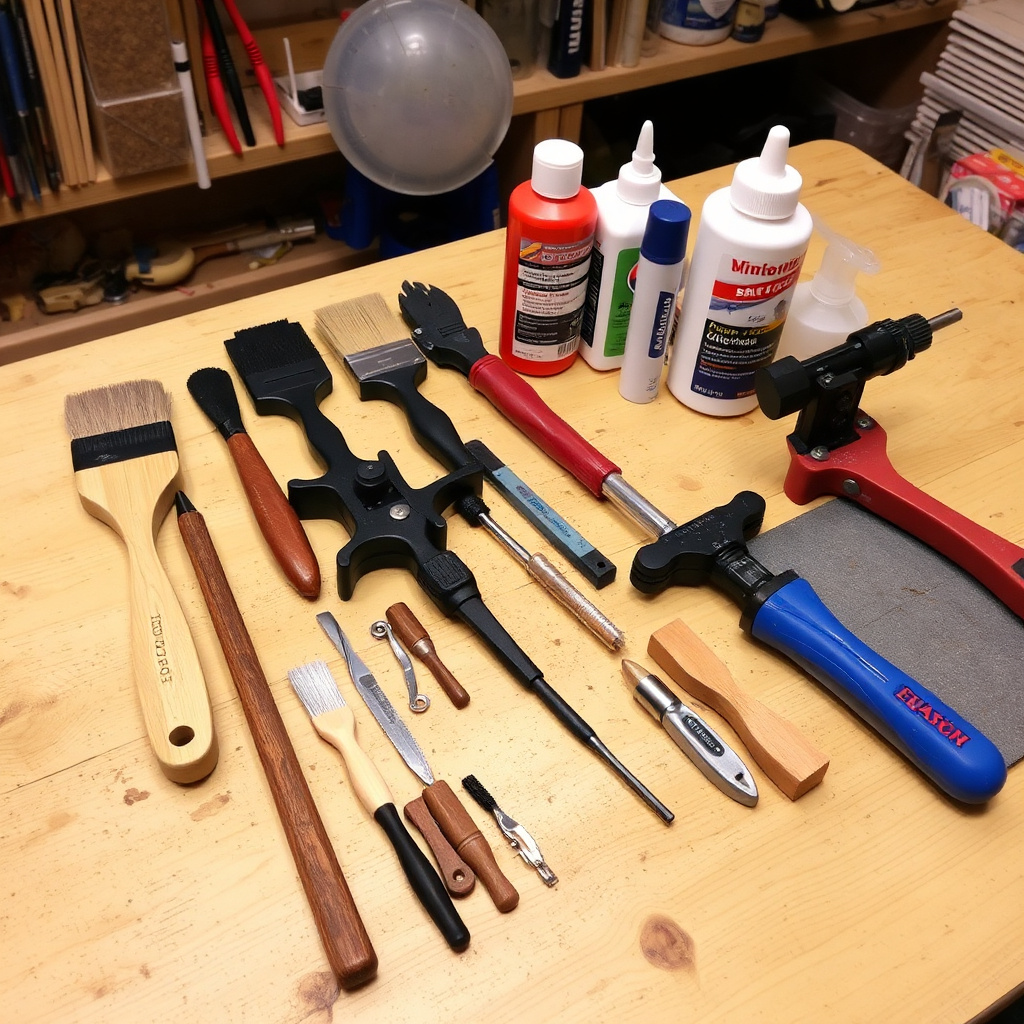
Essential Hand Tools
A variety of hand tools helps manage cleaning, repairing, and refinishing tasks. Supplies typically include soft cloths, brushes of various sizes, clamps for gluing, fine sandpaper or steel wool, putty knives, and scrapers designed for gentle use.
Sharp knives or scalpels aid precise veneer repairs, while small screwdrivers assist in hardware removal. Organizing these tools promotes efficient workflow and care.
- Soft microfiber cloths
- Clamps for joint repairs
- Fine steel wool (#0000 grade)
- Plastic scrapers and putty knives
- Small screwdrivers and utility knives
Restoration Products and Finishes
Important restoration products include specialized wood glue (PVA or hide glue), wood fillers tinted to wood types, shellac flakes or pre-mixed solutions, tung or linseed oil, paste waxes, and mild cleaners. Each product suits specific restoration phases and should be selected carefully to match the wood and finish.
Using high-quality materials prevents future deterioration and ensures lasting beauty.
- Hide glue or PVA wood glue
- Tinted wood fillers
- Shellac or oil finishes
- Paste wax for protection
- Mild soap-based cleaners
Common Mistakes to Avoid When Restoring Antique Wood Furniture

Avoiding Over-Sanding and Harsh Chemicals
Excessive sanding removes original wood layers and patina, which reduces value and damage historical surfaces. Use fine sanding only between coats and sparingly to smooth freshly applied finishes. Strong solvents or abrasive cleaners can irreversibly harm antique wood.
Gentle products and minimal surface disturbance preserve structural integrity and appearance.
- Never sand aggressively
- Test cleaners before use
- Avoid chemical strippers on delicate finishes
- Maintain original patina
For a detailed overview of furniture restoration techniques and history, see the Wikipedia article on Antique furniture restoration. Antique furniture restoration.
Recognizing When Not to Restore
In some cases, leaving antiques ‘as is’ is preferable, especially if restoration would remove valuable markings or historical repairs. Over-restoring can also mismatch materials, reducing authenticity. Consulting a specialist about critical or valuable pieces avoids costly mistakes.
Patience and assessing risks before restoring prevents unintended damage.
Antique Wood Furniture Restoration Methods Comparison
The following table contrasts common restoration methods to help select the best approach based on damage type, value, and finish preferences.
| Method | Best For | Materials Used | Impact on Value | Skill Level Required |
|---|---|---|---|---|
| Cleaning Only | Light dirt, high-value antiques | Mild soaps, microfiber cloths | Preserves value | Beginner |
| Spot Repairs | Minor cracks and loose joints | Wood glue, filler, veneer patches | Maintains value | Intermediate |
| Full Refinishing | Heavily worn or damaged finish | Strippers, sandpaper, new finish | May lower value if improper | Advanced |
| Professional Restoration | Severe damage or valuable pieces | Specialty materials and tools | Protects or increases value | Expert |
Frequently Asked Questions
Can I use regular furniture polish on antique wood?
Regular furniture polish may contain silicone or waxes that build up and obscure antique finishes. It’s safer to use cleaners and polishes formulated specifically for antiques to avoid damage.
How do I remove water stains from antique wood?
Light water stains can sometimes be removed by gently rubbing with a mixture of baking soda and water or using a mild abrasive like toothpaste. For deeper stains, professional advice is recommended.
Is it necessary to strip old finishes before restoration?
Stripping is only needed if the finish is badly damaged or incompatible with new coatings. If the finish is intact, it’s best to clean and restore it to preserve the original surface.
What finish is best for antique wood furniture?
Traditional finishes such as shellac, tung oil, or wax are preferred because they protect while maintaining the wood’s natural beauty and patina compared to modern synthetic finishes.
How do I know when to call a professional restorer?
If the antique has significant structural damage, rare materials, or high value, professional restoration ensures the piece is handled with appropriate techniques to maintain worth and integrity.
Key Takeaways
- Clean antique wood furniture with gentle, non-abrasive products.
- Repair loose joints and veneer carefully to maintain stability.
- Use traditional finishes like shellac or oil to preserve patina.
- Consult professionals for valuable or severely damaged pieces.
Conclusion
Restoring antique wood furniture requires a balanced approach that prioritizes preserving the piece’s historical character while addressing functional issues. By carefully cleaning, repairing structural damage, and choosing finishes that honor original craftsmanship, you enhance longevity and appeal. Keeping restoration minimal preserves the patina and authenticity that collectors and enthusiasts value most, making every step important to the piece’s future.
For lightly soiled or structurally sound antiques, simple cleaning and spot repairs with wood glue or fillers can yield excellent results without risking diminished value. In cases where the finish is severely worn, a cautious refinish using shellac or natural oils suits many traditional pieces. However, antiques with complex damage or significant monetary or family value merit consultation with professional restorers who have the tools and expertise to protect fragile details and provenance.
Before starting any restoration project, assess the furniture’s condition and research suitable restoration methods. Equip yourself with the right tools, adhere to gentle techniques, and focus on preserving originality. Doing so will let you bring out the natural beauty and craftsmanship inherent in antique wood furniture, ensuring these treasured items continue to be admired and enjoyed.