How to Scotchgard Furniture: A Step-by-Step Protection Guide
Applying Scotchgard to furniture involves cleaning the fabric thoroughly, spraying an even coat from about 6-8 inches away, and allowing it to dry completely to create a protective barrier against stains and liquids. This method is designed to safeguard most upholstery materials without altering texture or color.
Protecting your furniture with Scotchgard matters because everyday accidents like spills, pets, or dirt can quickly degrade fabric quality and appearance. A Scotchgard treatment helps repel liquids and prevent stains from setting, extending the life and look of your upholstery. How to Scotchgard Furniture.
This article will walk through how to prepare your furniture for Scotchgard application, the correct application techniques, curing times, and maintenance tips. We will also cover what fabrics are suitable and compare Scotchgard with other fabric protectors.
Preparing Your Furniture for Scotchgard Application
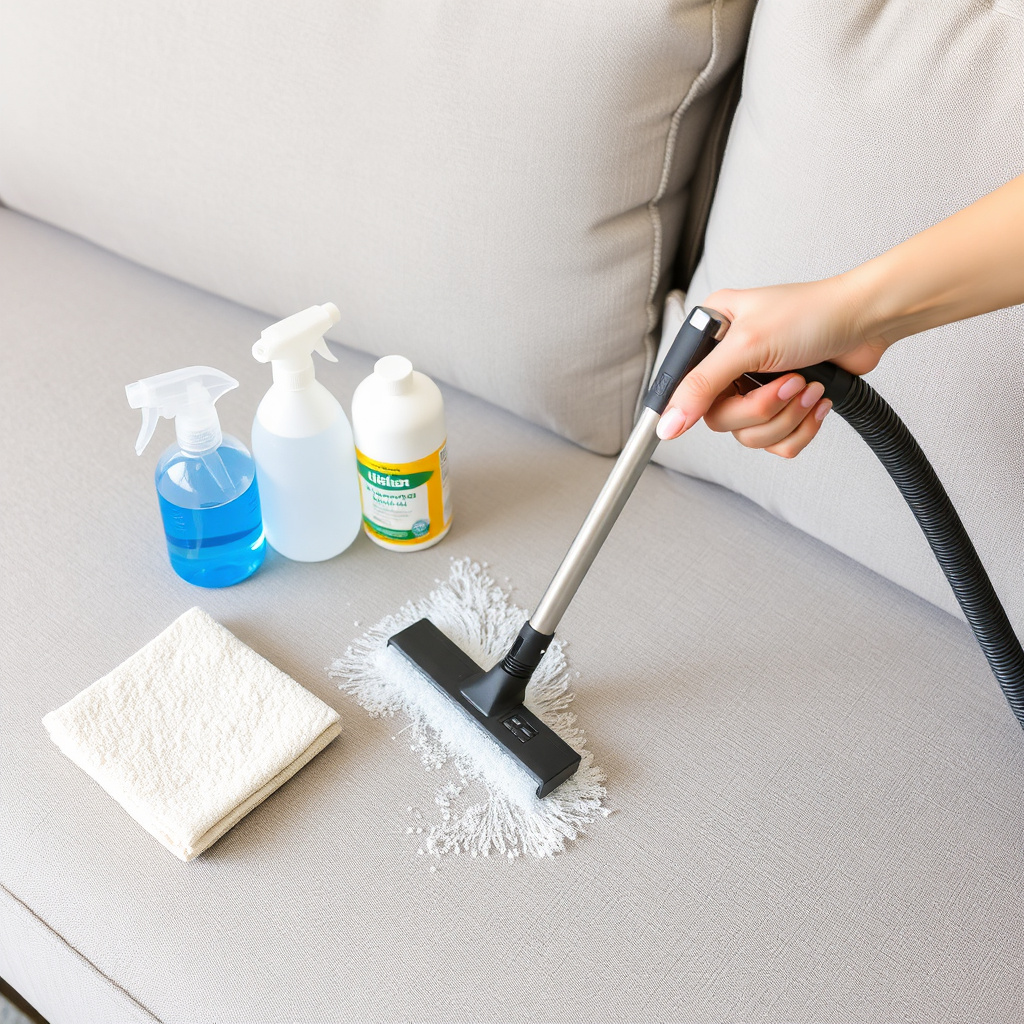
Cleaning Upholstery Before Application
Before applying Scotchgard, it’s critical to clean the furniture to remove dust, dirt, and oils that can prevent the product from adhering properly. Use a vacuum with an upholstery attachment to clean all fabric surfaces thoroughly.
For deeper spots or stains, spot clean using a mild detergent or fabric cleaner recommended by the manufacturer. Let the upholstery dry fully, as moisture can interfere with the Scotchgard’s protective performance.
- Vacuum furniture using an upholstery tool
- Spot clean stains with mild detergent
- Allow fabric to dry completely before spraying
Testing for Fabric Compatibility
Scotchgard works best on natural fibers like cotton, wool, and polyester blends but is not safe for all fabrics such as silk or velvet. Check the furniture’s care tag to confirm compatibility.
Perform a small patch test on an inconspicuous area by spraying a light coat and observing any discoloration or texture change after drying. This test helps avoid damage on visible areas.
- Check care labels for fabric type
- Test spray on a hidden spot
- Wait for 24 hours to observe any change
Applying Scotchgard to Furniture

Spraying the Furniture Properly
Hold the Scotchgard can about 6-8 inches away from the fabric and spray in a steady, even motion to avoid over-saturating any spot. Overlapping passes help cover the entire surface uniformly.
Avoid soaking the fabric; a light mist is enough to create an effective protective layer without changing the texture or feel of the upholstery.
- Spray from 6-8 inches distance
- Use steady, overlapping passes
- Avoid saturating the fabric
Coverage Tips for Different Furniture Types
For sofas with cushions, remove them and spray each separately for complete coverage. On recliners or armchairs, pay special attention to high-contact areas like armrests and seats where stains are more likely.
Consider applying two light coats rather than one heavy coat for larger pieces to improve durability without causing stiffness.
- Spray cushions separately
- Focus on high-contact zones
- Apply two light coats if needed
Drying and Curing Times for Scotchgard Treatment

Initial Drying Period
After spraying, allow the furniture to dry for at least 2 hours in a well-ventilated area to let the solvents evaporate. Avoid using the furniture during this period to prevent spots from forming.
If possible, position fans or open windows to create airflow which speeds up drying.
- Keep furniture ventilated for 2 hours minimum
- Avoid sitting or placing objects until dry
- Use fans or open windows to aid drying
Complete Cure Time
Although dry to the touch quickly, Scotchgard continues curing for up to 24 hours. Full curing allows the protective barrier to bond tightly to fibers, maximizing stain resistance.
Plan to keep fabric dry and free from heavy use during this period for best results.
- Allow 24 hours for full cure
- Avoid spills or heavy use during curing
- Enhanced protection develops over this time
Maintenance and Reapplication of Scotchgard

Cleaning Treated Furniture
Once Scotchgard is applied, clean your furniture gently to preserve the protective layer. Vacuum regularly and immediately blot spills instead of rubbing them.
Use mild upholstery cleaners rather than harsh chemicals or bleach to avoid degrading the Scotchgard barrier.
- Vacuum fabric regularly
- Blot spills promptly
- Avoid strong chemicals on treated fabric
When and How to Reapply Scotchgard
Reapply Scotchgard every 6 to 12 months depending on usage, especially in high-traffic homes or if stains appear more easily. Always follow the initial preparation and application steps again.
Re-treatment restores water and stain repellency without affecting fabric integrity if done properly.
- Reapply every 6-12 months
- Prepare fabric clean and dry before reapplication
- Use same spraying technique for best results
Alternatives to Scotchgard for Furniture Protection

Other Popular Fabric Protectors
Several brands offer fabric protectors similar to Scotchgard, using water- or solvent-based formulas with comparable stain resistance. Some contain additional antimicrobial or UV protection features.
Choosing an alternative may be beneficial for sensitive fabrics or specific odors.
- 3M Scotchgard vs. Nano-based sprays
- Water-based vs. solvent-based options
- Additional features like UV or odor control
Professional Fabric Protection Services
Professional upholstery cleaners often provide fabric protection treatments that complement deep cleaning. These services can apply specialized sealants that last longer than aerosol sprays.
Consider professional options for expensive or delicate furniture requiring expert care and protection.
- In-depth stain and soil removal
- Application of industrial-grade protectors
- Suitable for delicate or luxury fabrics
Fabric Types and Scotchgard Suitability
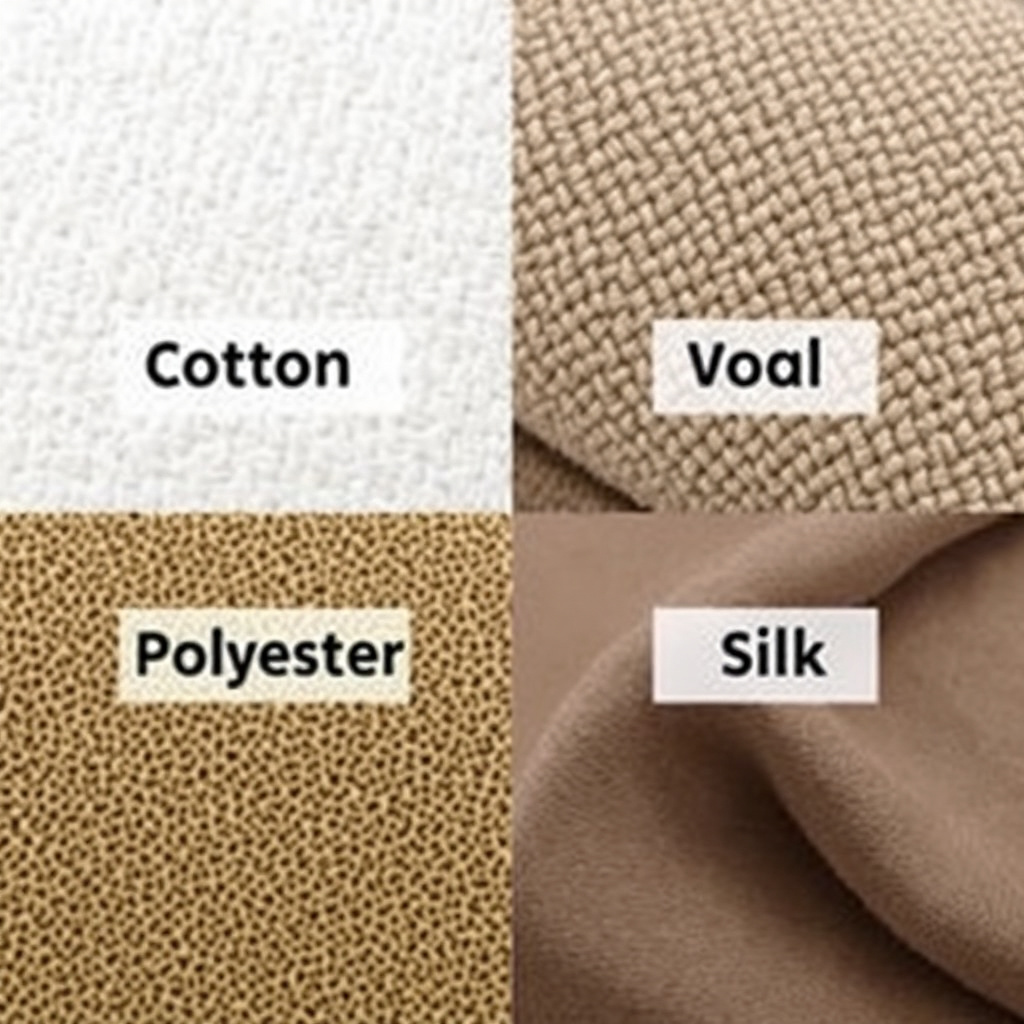
Natural vs. Synthetic Fabrics
Natural fabrics like cotton and wool absorb liquids quickly and benefit greatly from Scotchgard’s staining prevention. Synthetic fibers like polyester blends generally accept Scotchgard well without damage.
Some 100% synthetic fabrics may already have stain-resistant treatments, so verify compatibility before application.
- Scotchgard effective on cotton, wool, polyester
- Check for pre-treated synthetic fabrics
- Avoid application on very delicate synthetics
For additional technical details on Scotchgard and its development, see the Scotchgard fabric protector information on Wikipedia. Scotchgard fabric protector information.
Fabrics to Avoid Scotchgard On
Silk, velvet, and leather are generally not suitable for Scotchgard sprays due to their sensitivity or existing protective finishes. Using Scotchgard may cause discoloration or texture changes on these materials.
For those fabrics, consult manufacturer recommendations or specialists.
- Avoid silk, velvet, and leather
- Use fabric-type specific protectors
- Consult care instructions or professionals
Fabric Protector Category Comparison
Here’s how Scotchgard compares with other common fabric protection options in terms of performance and usability.
| Fabric Protector | Application Method | Durability | Suitable Fabrics | Price Range |
|---|---|---|---|---|
| Scotchgard Fabric & Upholstery Protector | Spray aerosol | 6-12 months | Cotton, wool, polyester blends | Moderate ($10-$20 per can) |
| Water-based Nano Fabric Protector | Spray or wipe | 8-12 months | Synthetic and natural fabrics | Moderate to high ($15-$30 per bottle) |
| Professional Fabric Sealants | Professional application | 12-24 months | All except delicate silks | High (varies by service) |
| DIY Wax or Oil Based Protectors | Manual application | 3-6 months | Heavy-duty or outdoor fabrics | Low to moderate ($5-$15) |
| No Treatment | N/A | None | All fabrics | Free |
Frequently Asked Questions
Can Scotchgard be applied on leather furniture?
Scotchgard is not recommended for leather as it can cause discoloration or damage. For leather, use a specialized leather protector designed for its unique properties.
How often should I reapply Scotchgard on my sofa?
Typically, reapplication every 6 to 12 months is advised, depending on use and exposure, to maintain effective stain and water resistance on furniture.
Will Scotchgard alter the color or texture of my furniture fabric?
When applied correctly on compatible fabrics, Scotchgard should not change the color or feel of the upholstery, leaving texture and appearance virtually unchanged.
Is Scotchgard safe for pets and children?
After fully drying and curing, Scotchgard is non-toxic and safe for homes with pets and children. During application, ventilate the area well and avoid direct inhalation.
Can I apply Scotchgard to outdoor furniture fabrics?
Yes, Scotchgard can protect certain outdoor fabrics, but ensure the fabric is compatible and reapply more frequently due to weather exposure.
Key Takeaways
- Clean and dry furniture thoroughly before applying Scotchgard.
- Test on a hidden area to check fabric compatibility.
- Spray evenly from 6-8 inches for balanced coverage.
- Reapply every 6-12 months depending on use.
Conclusion
Deciding how to Scotchgard furniture involves understanding your fabric type, proper surface preparation, and careful application to create an effective stain-resistant barrier. Prioritizing fabric compatibility and following drying and curing recommendations are essential to protect upholstery without compromising its look or texture. This process helps maintain furniture appearance and prolongs its lifespan against daily wear.
For most homes with cotton, wool, or polyester furniture, DIY Scotchgard application is a practical and accessible protection method. Those with delicate fabrics like silk or velvet should avoid Scotchgard and consider professional services or fabric-specific protectors. Regular maintenance paired with annual reapplication keeps fabric defenses strong against spills and dirt, particularly for high-use pieces like sofas and armchairs.
If you want to protect your furniture from stains and wear effectively, start by reading your upholstery care label, conducting a patch test, and applying Scotchgard carefully following the outlined steps. This straightforward routine can save you costly cleaning or replacements, making your investment in furniture last comfortably longer.