How to Clean Bamboo Furniture for Lasting Beauty and Durability
Cleaning bamboo furniture involves gentle techniques to avoid damaging its natural fibers while removing dirt, dust, and stains effectively. Start by using a soft brush or cloth with warm water and mild soap for regular cleaning. For tougher stains, a mixture of vinegar and water or a specialized bamboo cleaner can restore its finish without harsh chemicals.
Maintaining bamboo furniture properly matters because this material, while durable, is sensitive to moisture and abrasive cleaning agents that can cause cracking or discoloration. Regular dusting combined with occasional deep cleaning preserves its appearance and extends its lifespan, making bamboo furniture a practical and attractive choice indoors or on sheltered patios.
This article will guide you through detailed steps on how to clean bamboo furniture safely, including daily maintenance, stain removal, and protective care. We will also cover common mistakes to avoid and recommend effective tools and products tailored specifically for bamboo surfaces.
Daily Cleaning Techniques for Bamboo Furniture
Regular Dusting and Wiping
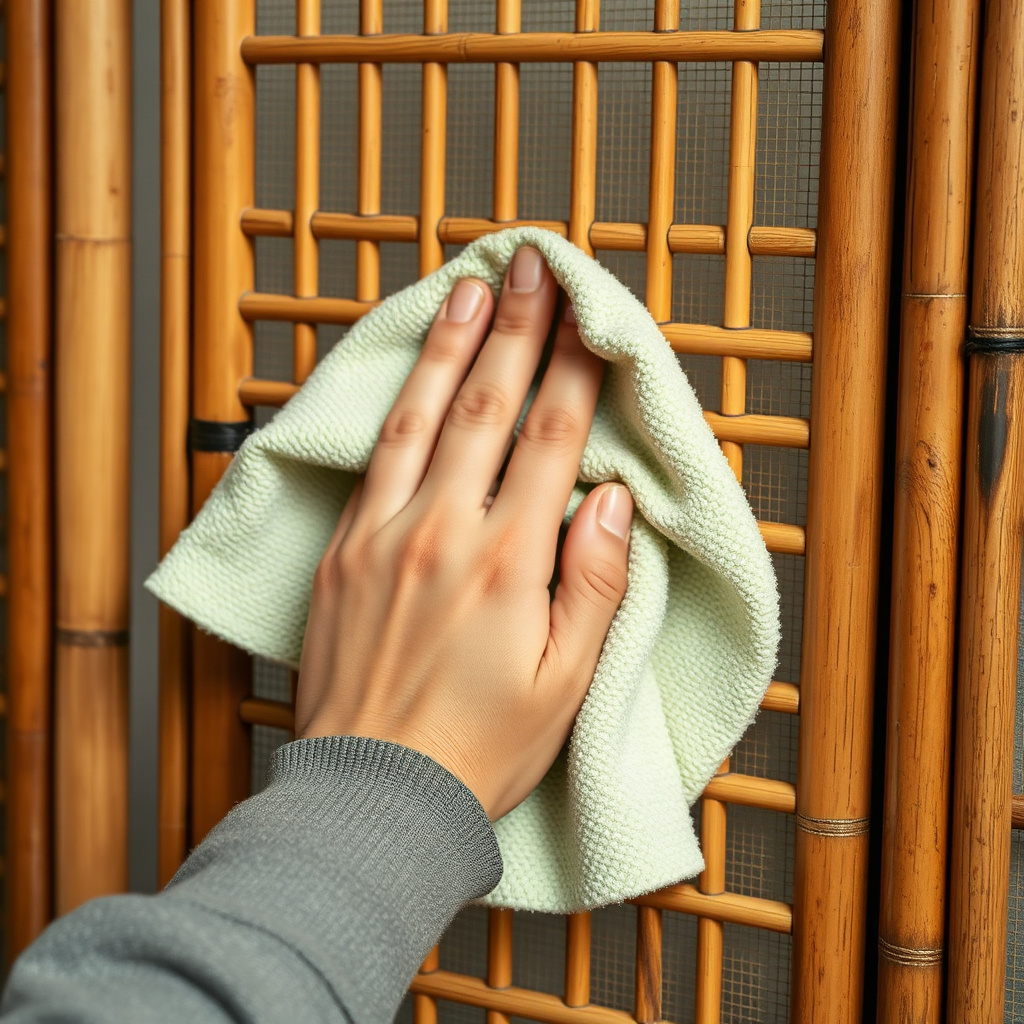
Regular dusting is crucial for bamboo furniture because it prevents buildup that can scratch the surface over time. Use a soft microfiber cloth or a soft-bristled brush to remove dust and loose dirt daily or at least weekly.
For gentle cleaning, dampen a cloth with warm water mixed with a small amount of mild dish soap. Wipe the furniture following the grain of the bamboo to avoid damaging the fibers.
- Use microfiber cloths for dusting
- Avoid abrasive brushes that can scratch
- Wipe gently in the direction of bamboo grain
Avoid Using Excessive Water
Bamboo is naturally porous and can absorb water, which may lead to swelling, warping, or mold growth if the furniture is soaked. Always use a damp, not wet, cloth and dry the surface promptly after cleaning.
Avoid soaking or pressure washing bamboo furniture. Instead, clean small sections at a time and follow up with a dry towel to absorb residual moisture.
- Never let water pool on bamboo surfaces
- Dry immediately after cleaning with a dry cloth
Removing Stains and Spots from Bamboo Furniture
Treating Water and Food Stains
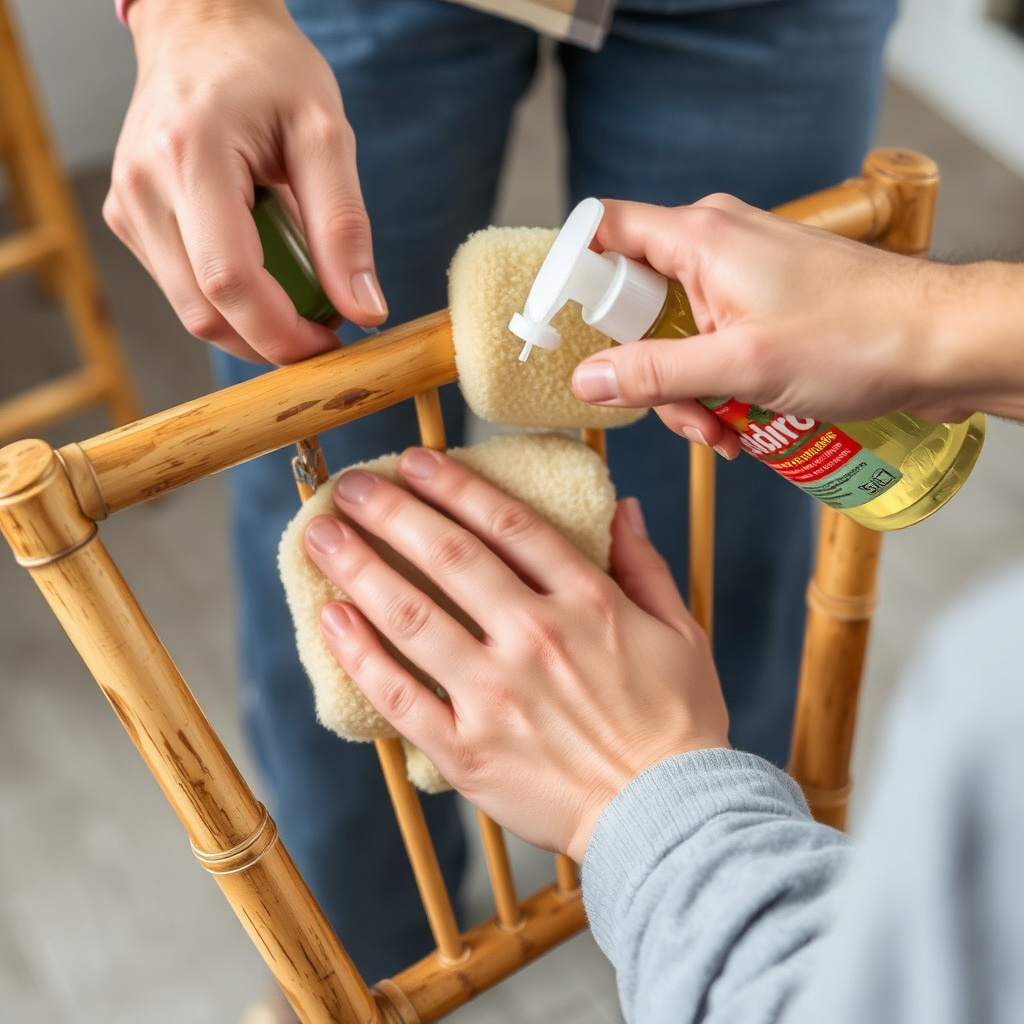
Water rings and food stains are common on bamboo furniture but can be treated with mild solutions. Mix equal parts white vinegar and water to create a natural cleaning solution that helps break down mild stains without damaging the bamboo.
Apply the solution with a soft cloth, gently rubbing the stained area, then wipe with a damp cloth and dry immediately to prevent water absorption.
- Use vinegar-water mix for mild stains
- Test solution on a hidden area first
Dealing with Mold and Mildew
Mold and mildew can develop if bamboo furniture is kept in damp environments. To clean these, mix a teaspoon of bleach with a cup of water or use a commercial mold remover safe for wood materials.
Apply carefully with a soft cloth or sponge, then rinse lightly with water and dry completely. Ensure the furniture is kept in a well-ventilated area afterward to prevent recurrence.
- Use diluted bleach solutions for mold
- Always dry furniture after cleaning mold
Protective Care and Maintenance for Bamboo Furniture
Applying Natural Oils and Waxes
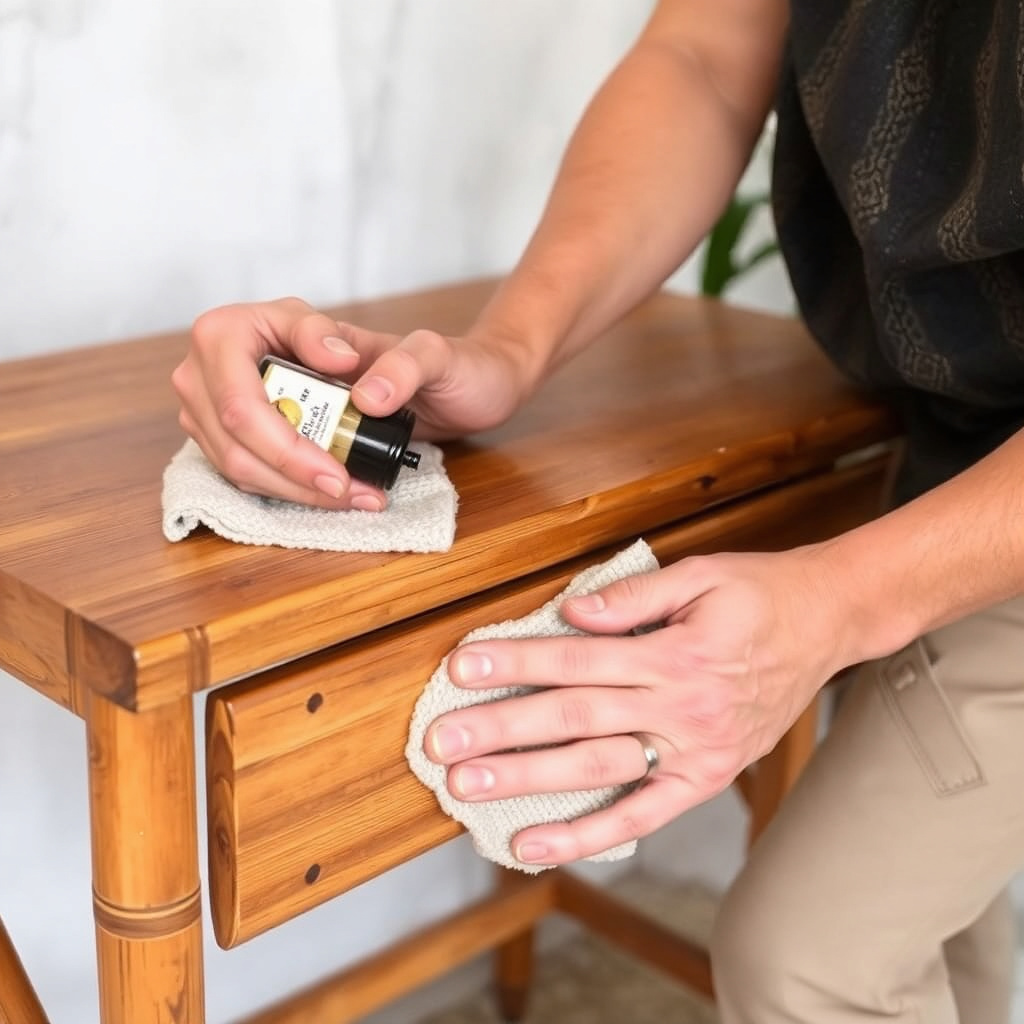
Bamboo furniture benefits from occasional oiling to maintain its sheen and prevent drying. Natural oils like linseed or tung oil penetrate bamboo fibers, enhancing durability and moisture resistance.
After cleaning, apply a thin layer of oil using a soft cloth, following the grain, and buff gently. Wax can also be used for a polished finish but should be applied sparingly.
- Use natural oils such as linseed or tung oil
- Buff after oiling for shine and protection
For more on this, see our related guide: 10 Tips how to Choose Furniture for a Room.
Avoiding Sunlight and Humidity Damage
Direct sunlight can cause bamboo to fade and dry out, leading to cracks. Similarly, high humidity or damp conditions encourage mold.
Place bamboo furniture in indoor or shaded outdoor areas and use protective covers during wet weather. Using a dehumidifier can help in humid climates.
- Keep furniture out of direct sunlight
- Use covers and dehumidifiers if needed
Tools and Cleaning Products Suitable for Bamboo
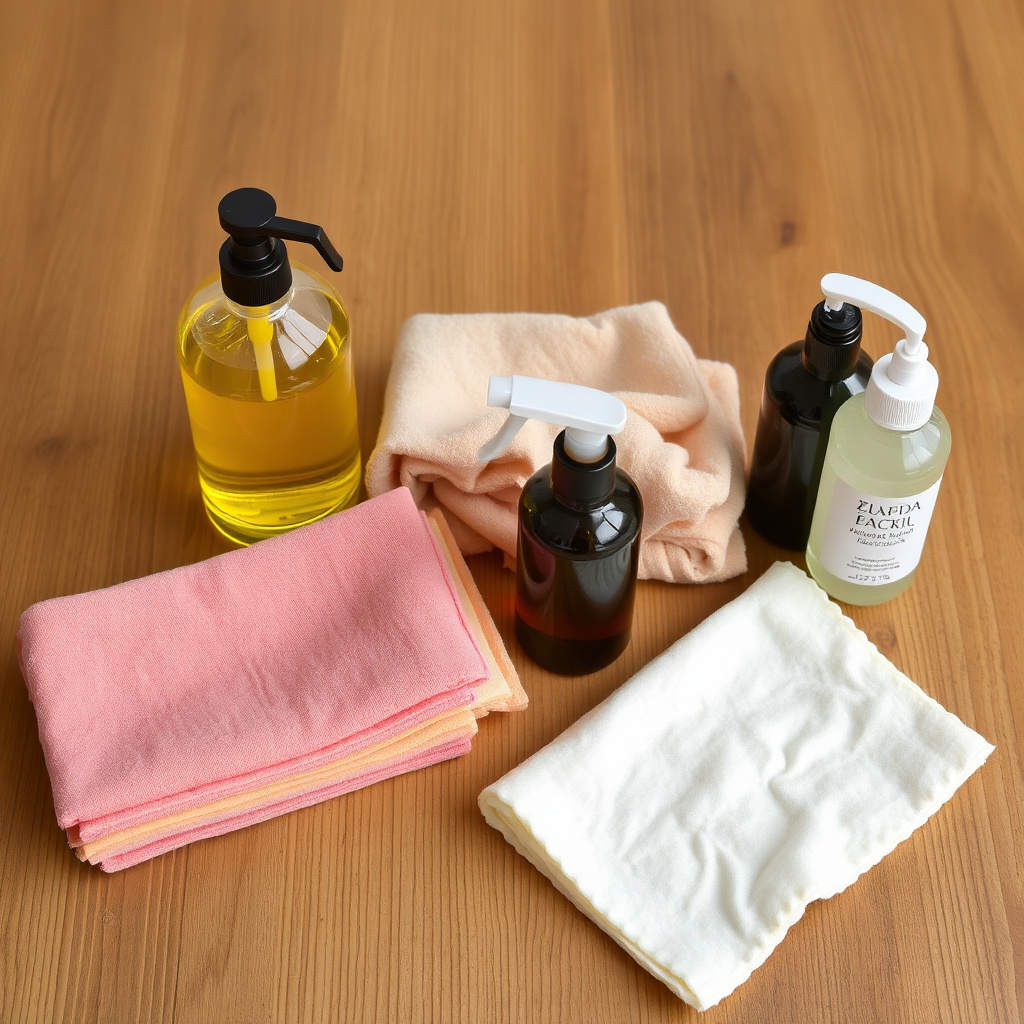
Choosing the Right Cleaning Cloths and Brushes
Soft microfiber cloths are ideal for dusting and wiping bamboo furniture because they clean effectively without scratching delicate surfaces. Avoid steel wool or stiff-bristled brushes.
For textured bamboo patterns, a soft-bristled toothbrush can help clean grooves gently.
- Microfiber cloths for daily cleaning
- Soft-bristled brushes for crevices
Selecting Safe Cleaning Agents
Mild dish soap diluted in water is usually sufficient for everyday cleaning. Avoid ammonia-based or abrasive cleaners, which can damage bamboo’s finish.
For special treatments, opt for vinegar solutions or commercial bamboo cleaners designed to preserve natural wood and bamboo materials.
- Mild dish soap for general cleaning
- Vinegar solution for stain removal
- Avoid harsh chemicals and ammonia
Common Mistakes to Avoid When Cleaning Bamboo Furniture

Overusing Water or Harsh Chemicals
Excess water can lead to swelling and warping, while harsh chemicals erode bamboo’s natural finish. Using too much cleaner or soaking the furniture can cause irreversible damage.
Always use minimal moisture and test cleaning solutions on a hidden spot before full application.
- Avoid soaking bamboo furniture
- Never use bleach undiluted or abrasive cleaners
For more on this, see our related guide: How Do You Buy Furniture in 7 Easy Steps.
Neglecting Regular Maintenance
Skipping routine dusting and occasional oiling causes bamboo to dry out and lose its protective layer, making it more prone to cracking and dullness.
Consistent lightweight maintenance keeps bamboo furniture vibrant and durable over years.
- Dust regularly with gentle cloths
- Apply protective oils every few months
How to Store Bamboo Furniture During Off-Season
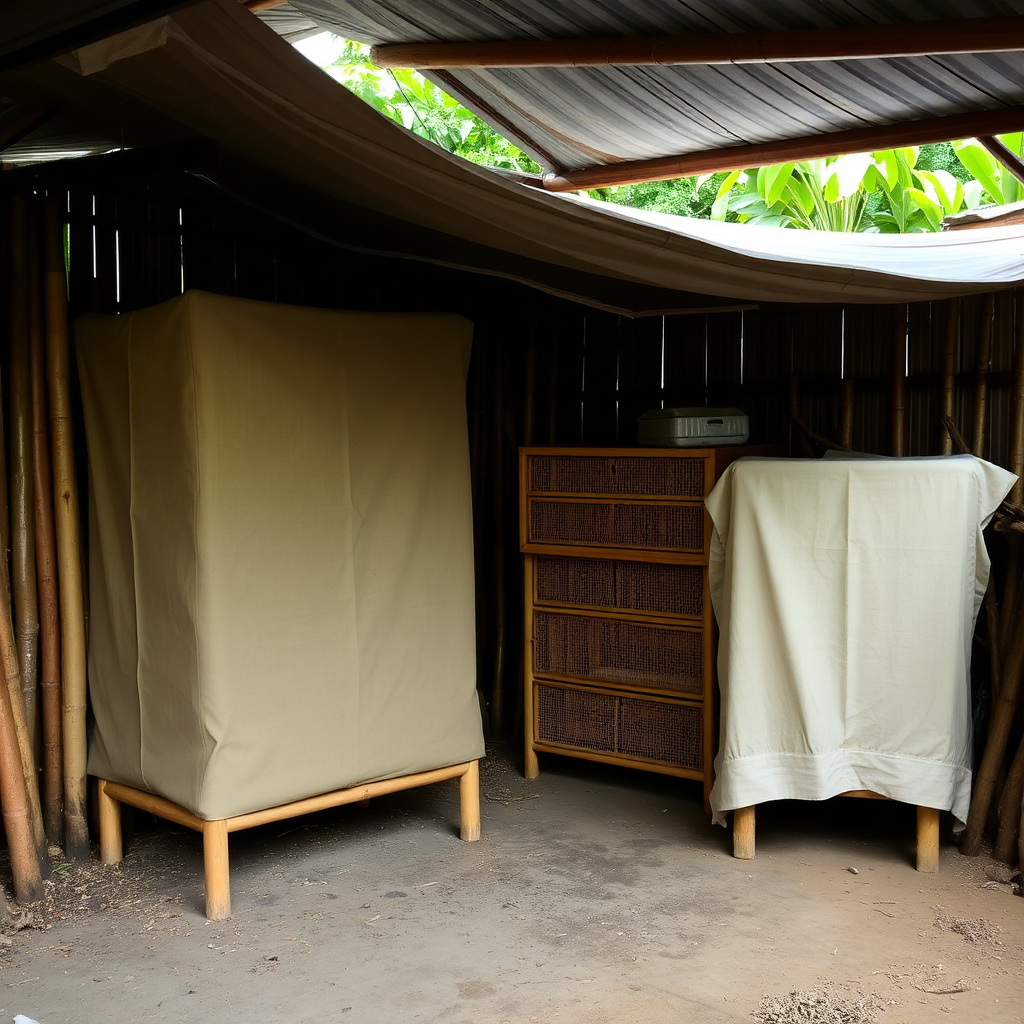
Preparing Furniture for Storage
Before storing, clean bamboo furniture thoroughly, remove oils or dirt, and let it dry completely to prevent mold growth. Cover with breathable fabric covers rather than plastic to allow moisture to escape.
Avoid stacking heavy items on top to prevent deformation.
- Clean and dry furniture completely
- Use breathable covers instead of plastic
For more detailed botanical and material information, visit the bamboo furniture care on Wikipedia. Bamboo furniture care on Wikipedia.
Choosing the Right Storage Environment
Store bamboo furniture in a dry, cool area indoors away from direct sunlight or dampness. A well-ventilated space prevents mold and insect damage during off-season periods.
Avoid basements or garages prone to moisture accumulation.
- Select dry, shaded, and ventilated storage spaces
- Avoid humidity-prone locations
Bamboo Furniture Cleaning Methods Comparison
Here’s a comparison of common cleaning methods to help you choose the best approach for your bamboo furniture’s needs.
| Method | Effectiveness | Safety for Bamboo | Ease of Use | Cost |
|---|---|---|---|---|
| Damp Cloth with Mild Soap | High | Very Safe | Easy | Low |
| Vinegar and Water Solution | Medium-High | Safe if Diluted | Moderate | Low |
| Commercial Bamboo Cleaner | High | Safe | Easy | Medium |
| Bleach Solution for Mold | High for Mold | Use with Caution | Moderate | Low |
| Pressure Washing | High | Unsafe – Damaging | Difficult | Low |
Frequently Asked Questions
Can I use regular wood polish on bamboo furniture?
While some wood polishes are safe, many contain chemicals that can damage bamboo. It’s better to use natural oils like linseed or tung oil specifically recommended for bamboo.
How often should I clean bamboo furniture?
Light dusting should be done weekly, while deeper cleaning and oiling every few months helps maintain the bamboo’s condition and appearance.
Is it okay to leave bamboo furniture outside in the rain?
No, exposure to rain can cause bamboo to absorb moisture, leading to swelling, warping, and mold. Use covers or store furniture indoors during wet weather.
What causes bamboo furniture to develop mold?
Mold typically grows due to excess moisture and poor ventilation. Cleaning, drying, and storing bamboo in dry areas prevents mold formation.
Can I restore faded bamboo furniture’s color?
Faded bamboo can often be revitalized by light sanding followed by applying natural oils, which nourish the fibers and restore color.
Key Takeaways
- Use gentle, damp cloths with mild soap to clean bamboo furniture regularly.
- Avoid excess water and harsh chemicals to prevent damage.
- Treat stains with natural solutions like diluted vinegar and keep bamboo well-oiled.
- Store furniture in dry, ventilated places and protect from sunlight and moisture.
Conclusion
Cleaning bamboo furniture requires careful attention to gentle methods that protect its natural fibers while effectively removing dirt and stains. By consistently using soft cloths and mild soaps, plus occasional natural oil treatments, bamboo can retain a vibrant and durable finish. Awareness of potential issues like mold or water damage helps avoid costly replacements.
If your bamboo furniture accumulates tough stains or mold, turning to diluted vinegar solutions or commercial bamboo cleaners offers effective options without risking finish damage. For maintenance, applying oils such as tung or linseed gives moisture resistance and enhances appearance. Protect bamboo pieces from direct sunlight and wet conditions, especially in outdoor settings, to prolong their life.
Start with regular dusting and spot cleaning to maintain your bamboo furniture’s look, then move on to oil treatments and seasonal inspections to catch potential issues early. If storing for an extended period, prepare and cover pieces properly to avoid moisture-related damage. This approach keeps bamboo furniture attractive and functional for years to come.