How Old Is Antique Furniture? Understanding Age and Value
Antique furniture is generally defined as furniture that is at least 100 years old, placing its origin in the early 20th century or before. This age threshold is widely accepted by collectors, appraisers, and industry experts, distinguishing true antiques from vintage or collectible furniture items.
The age of antique furniture matters because it influences the piece’s historical significance, craftsmanship quality, and potential value. Older pieces often feature hand-crafted details and rare materials, reflecting the styles and practices of their era. Identifying the approximate age can help in authenticating and appropriately pricing an item. How Old Is Antique Furniture.
This article explores what defines antique furniture age, how it differs from related categories like vintage and reproduction, and tips for estimating and verifying the age of furniture. Understanding these points can help collectors, sellers, and buyers appreciate and evaluate antique pieces more accurately.
Defining Antique Furniture Age
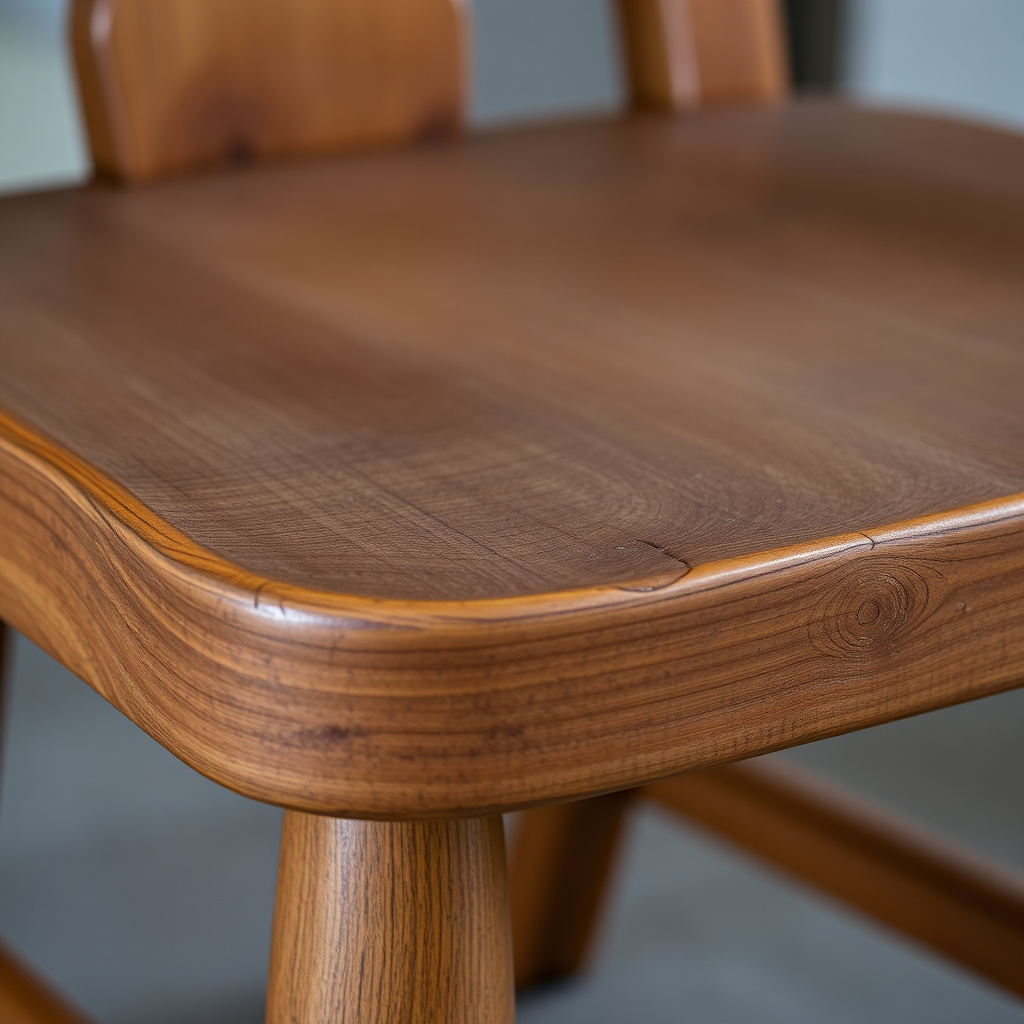
What Age Qualifies Furniture as Antique?
The standard benchmark for antique furniture is that it must be at least 100 years old. This century-old age mark is accepted internationally and is used by major auction houses and appraisal organizations. Furniture that does not meet this age is usually classified as vintage or collectible, which affect its categorization and value.
However, different institutions might have slight variations. For instance, some dealers may consider pieces from the 1900s as antiques, particularly if the craftsmanship is notable. The 100-year criterion is a practical guideline to separate genuine antiques from stylistically similar newer reproductions.
Distinguishing Between Antique, Vintage, and Reproduction
Vintage furniture typically refers to pieces that are between 20 and 99 years old and reflect styles from the mid-20th century. These items are collectible but don’t meet the age requirement for antiques. Reproductions mimic older styles but are made recently with modern manufacturing techniques.
Understanding these categories is important for buyers and sellers to set expectations and value accurately. While vintage furniture can be valuable, antique pieces usually carry a premium due to their rarity, condition, and historic craftsmanship.
- Antique: 100+ years old
- Vintage: 20-99 years old
- Reproduction: recently made copies
Factors Affecting Furniture Age Identification

Key Features and Construction Techniques
Age estimation often relies on analyzing the construction techniques visible in joints, nails, and finishes. Older pieces tend to feature hand-cut dovetail joints, wooden pegs, and finishes made from natural oils or waxes rather than modern varnishes.
Variations in hardware, wood types, and craftsmanship also provide clues. For example, machine-cut nails replaced hand-forged nails after the mid-19th century. Being familiar with these details helps in dating furniture more accurately.
- Hand-cut dovetails vs. machine-cut
- Hand-forged nails vs. machine-cut nails
- Natural finishes vs. modern varnishes
Maker’s Marks, Labels, and Provenance
Identifying labels, stamps, or signatures from known furniture makers can pinpoint the production era. Many antique furniture pieces bear these marks, helping trace back their origin and approximate age.
Provenance, or the documented history of ownership, adds credibility and may confirm the period of furniture. Collectors highly value provenance, especially for rare or designer pieces.
Assessing Condition and Restoration Impact

How Condition Reflects Age But Can Be Misleading
While aged furniture often shows signs of wear like faded finishes or minor cracks, condition alone isn’t a reliable age indicator because some antiques have been heavily restored or refinished.
Conversely, some pieces have been preserved exceptionally well, showing little visible aging. Thus, balancing condition observations with structural and stylistic analysis is vital for proper dating.
For more on this, see our related guide: 3 Best White and Gold Nightstands for Stylish Bedrooms.
Recognizing Restoration and Its Effect on Value
Restorations can range from minor repairs to full refinishing, sometimes altering original features. Though these interventions preserve usability and appearance, they might reduce a piece’s value to purist collectors seeking originality.
Understanding the extent and quality of restoration work helps buyers judge whether a piece remains a true antique or has become more of a decorative reproduction.
- Identify replaced hardware or veneers
- Look for inconsistent stain or finish
- Note non-original carvings or additions
Determining Age with Scientific Techniques
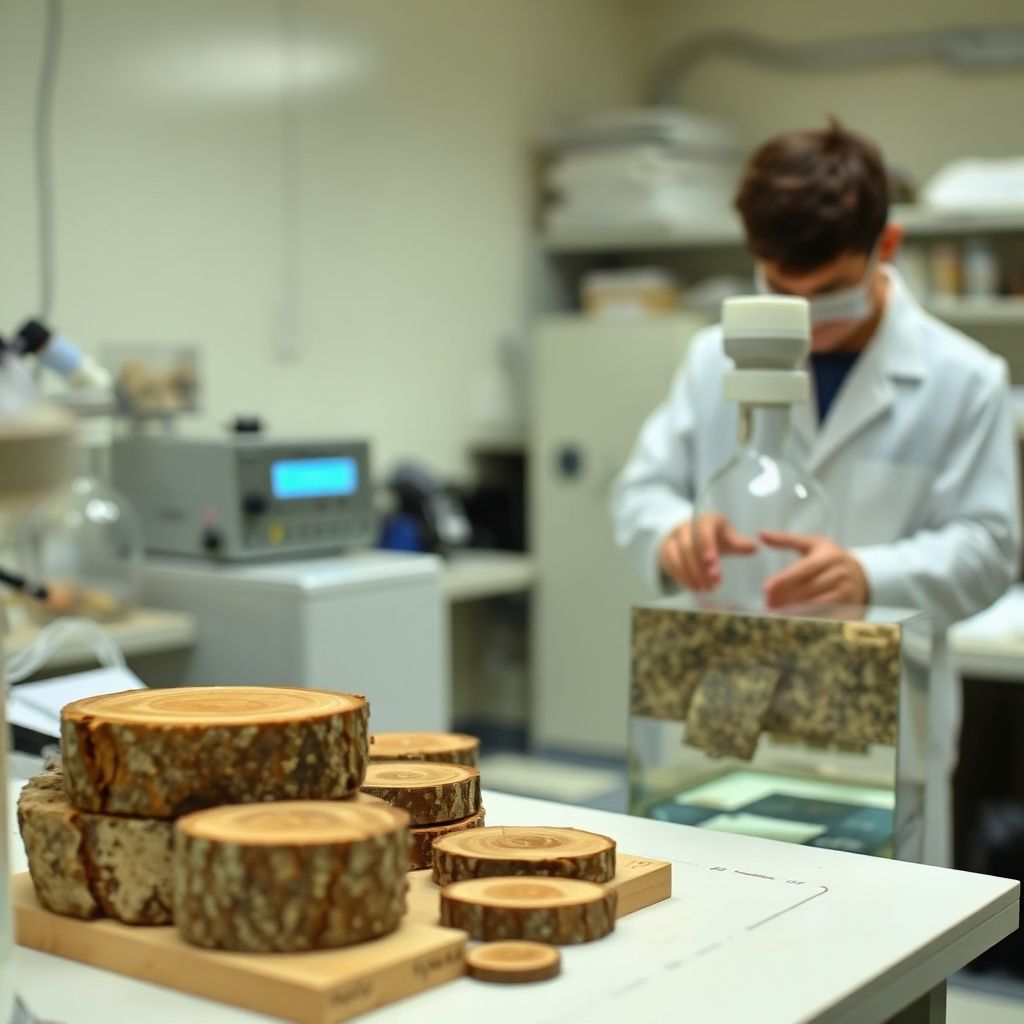
Dendrochronology: Tree Ring Dating
Dendrochronology analyzes tree ring patterns in wooden components to date when the wood was harvested. This method helps confirm furniture age with precision but requires accessible wood grain and expert analysis.
It is highly reliable for pieces made from solid wood planks and commonly used in museum studies or high-value appraisals, although it can be costly and is not practical for every collector.
Radiocarbon Dating and Other Tests
Radiocarbon dating measures the decay of carbon isotopes in organic materials to estimate age but has a wide margin of error and is best suited for very old, archaeological pieces rather than typical antiques.
Other chemical and microscopic tests inspect finish composition or wood fiber to support age assessments and detect modern materials pointing to reproduction furniture.
Historical Furniture Styles and Timeframes
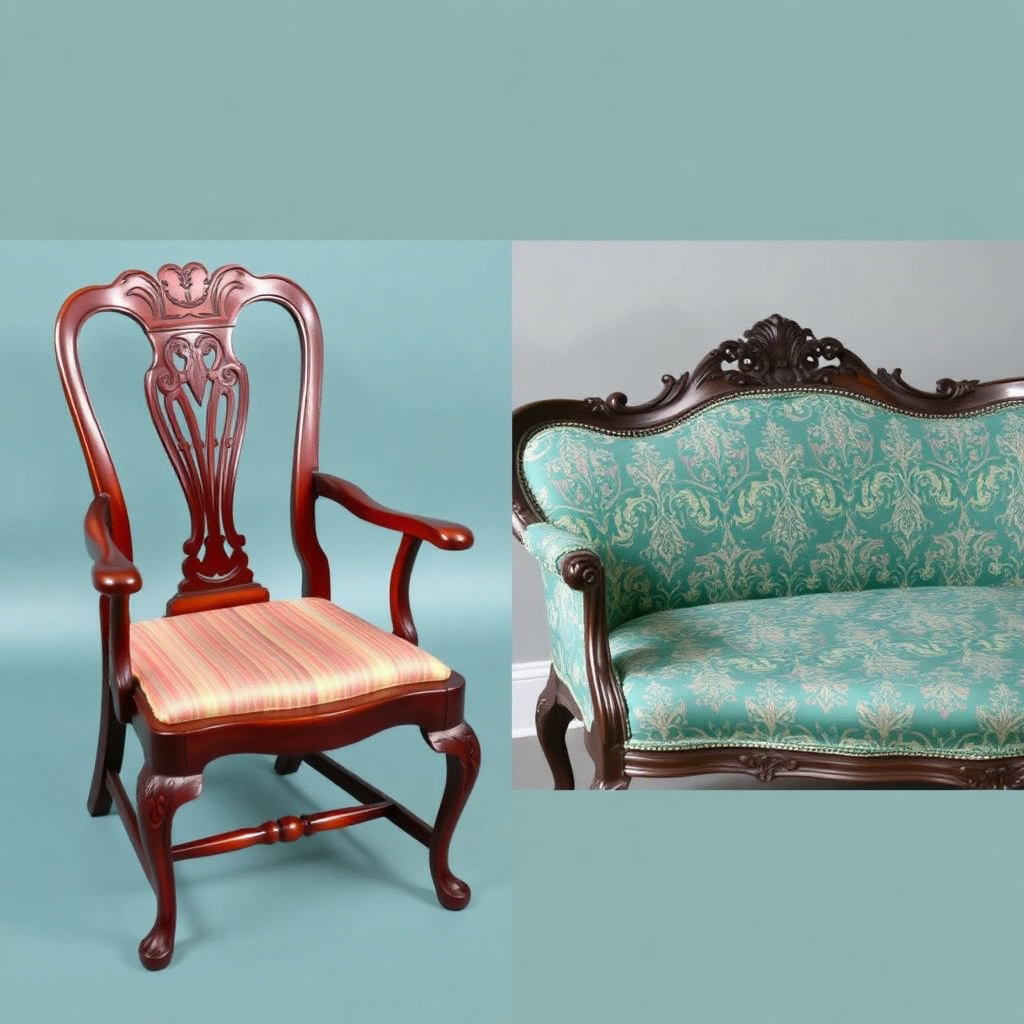
Recognizing Styles to Estimate Age
Familiarity with major antique furniture styles like Queen Anne, Georgian, Victorian, or Art Nouveau assists in roughly dating pieces based on design elements and construction.
Style recognition complements other age-identifying methods and often guides collectors toward the correct historical period.
- Queen Anne: early 18th century
- Georgian: mid 18th to early 19th century
- Victorian: mid to late 19th century
- Art Nouveau: late 19th to early 20th century
For more on this, see our related guide: 5 Common How wide are Nightstand.
Regional Variations in Furniture Age
Furniture styles and manufacturing periods differ across regions; for example, American colonial furniture dates to the 17th and 18th centuries, while French Rococo comes from the 18th century.
Knowing these regional styles helps place pieces geographically and chronologically, supporting accurate antique age estimations.
Buying and Selling Based on Antique Furniture Age

Price Influences of Age and Authenticity
Generally, older and authenticated antique furniture commands higher prices, especially when provenance and condition support its authenticity. Age helps set rarity levels, which are crucial in determining market value.
Understanding age distinctions, including vintage versus antique, empowers buyers and sellers to negotiate fairly and avoid mispriced items.
For deeper historical context on antique furniture, the Antique furniture Wikipedia article provides detailed information. Antique furniture Wikipedia article.
Tips for Verifying Age Before Purchase
Before acquiring antique furniture, research maker’s marks, request provenance documentation, and consult experts if possible. Physical inspection for construction techniques and materials offers significant clues about age.
Engaging with reputable dealers and appraisers ensures trustworthiness and helps avoid common pitfalls linked to reproduction or misidentified vintage pieces.
- Check for hand-crafted joinery
- Ask for historical documentation
- Seek expert appraisal
- Compare stylistic details
Antique vs. Vintage vs. Reproduction Furniture Comparison
This table highlights key differences between antique, vintage, and reproduction furniture to clarify age distinctions and characteristics.
| Category | Age Range | Typical Characteristics | Market Value Range |
|---|---|---|---|
| Antique | 100+ years | Handcrafted, authentic patina, period styles | High, varies by condition and provenance |
| Vintage | 20-99 years | Mid-century designs, collectible but newer | Moderate, based on style rarity |
| Reproduction | Less than 20 years | Modern materials mimicking older styles | Low to moderate, decorative focus |
| Modern Antique-Style | Variable, recent | Machine-made copies of antique designs | Generally low, aesthetic value only |
Frequently Asked Questions
Why is 100 years the cutoff for antique furniture?
The 100-year mark is a widely accepted standard distinguishing true antiques from vintage pieces, reflecting historical craftsmanship and rarity.
Can furniture under 100 years be considered antique?
Typically no, but some exceptionally crafted pieces just shy of 100 years may be valued highly, though they are classified as vintage.
How can I tell if my furniture is a reproduction?
Look for modern construction methods, new hardware, uniform finishes, or lack of authentic wear that indicate recent manufacture mimicking antique style.
Is restored furniture still considered antique?
Yes, if the piece is over 100 years old, restoration doesn’t change its antique status but may affect value depending on the extent of intervention.
What scientific methods help verify furniture age?
Dendrochronology and chemical analyses can date wood and finishes precisely, supporting authentication of furniture age.
Key Takeaways
- Antique furniture is defined as at least 100 years old.
- Construction techniques and maker’s marks help determine age.
- Restoration affects value but not antique status.
- Scientific methods like dendrochronology can verify age precisely.
Conclusion
Deciding how old antique furniture is involves combining knowledge of accepted age thresholds with careful examination of construction, style, and provenance. The 100-year rule is the most straightforward way to differentiate antiques from vintage or reproduction furniture. Applying multiple identification methods reduces the risk of misclassifying pieces, providing confidence to collectors and sellers alike.
For someone exploring classic furnishings, understanding the distinctions between antique, vintage, and reproduction furniture is highly practical. Collectors should focus on sourcing fully authentic antiques with original craftsmanship and proven provenance when aiming for higher value acquisitions. Enthusiasts seeking charming period styles at a more accessible price may consider vintage furniture, while those interested in aesthetics without age concerns might explore reproduction pieces.
A good next step when evaluating furniture age is to consult experts, verify maker’s marks, and research construction techniques. Buying from reputable dealers can also minimize uncertainty. With these approaches, anyone can develop a sharper eye for the authentic age of furniture, enriching their appreciation and investment in historical pieces.