How to Get Rid of Furniture: Effective Methods and Tips
To get rid of furniture effectively, you can donate, sell, recycle, or dispose of it through specialized services. Identifying the furniture’s condition helps determine the best option, whether gifting to charity, listing online, or scheduling a pickup with removal professionals.
Getting rid of furniture responsibly matters because it impacts the environment and community. Disposing of bulky items improperly can cause waste and clutter, whereas donating or recycling supports sustainability and helps others in need.
This article will cover practical methods to get rid of furniture, including donation centers, selling platforms, recycling opportunities, and professional removal services. Additionally, it explains preparation tips and how to choose the best approach based on your situation.
Donating Furniture for a Good Cause
Finding Local Donation Centers
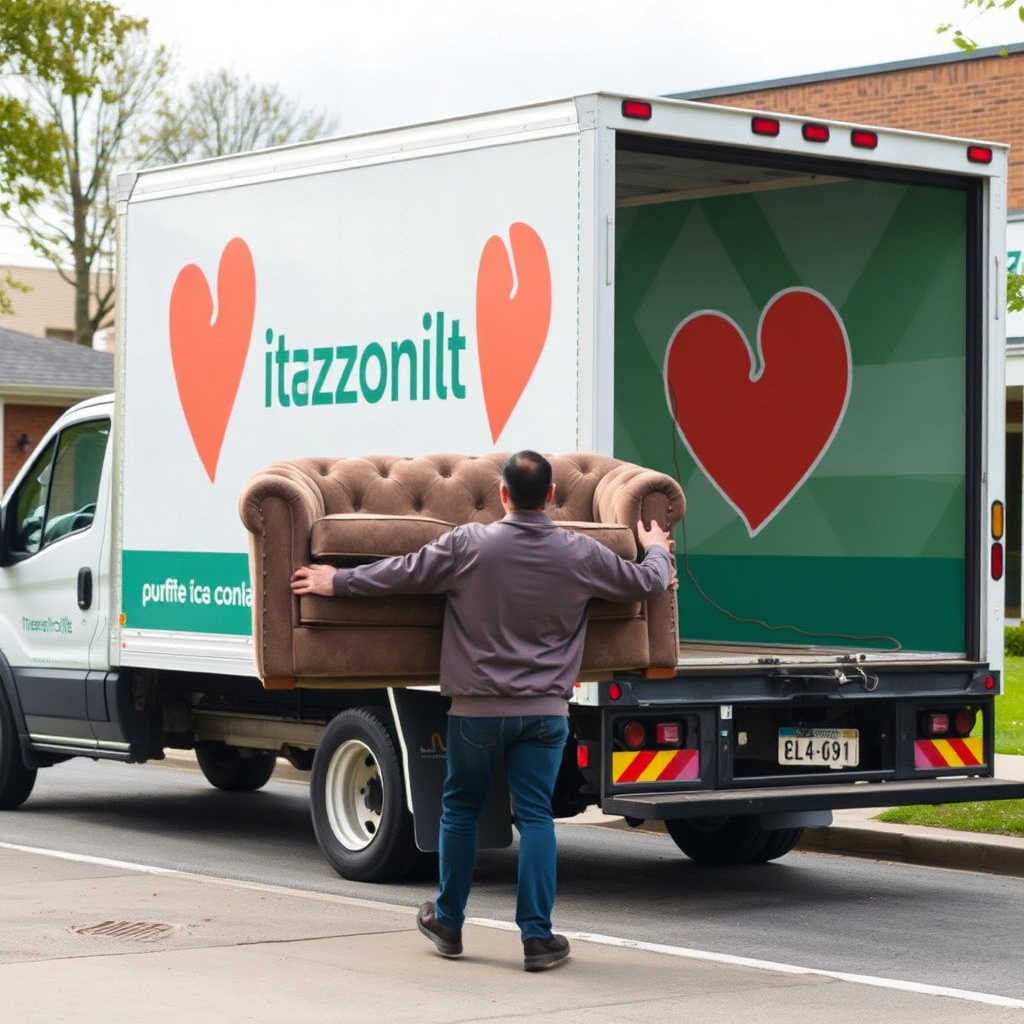
Many charities accept gently used furniture to help families in need. Organizations like Goodwill, The Salvation Army, and Habitat for Humanity often have donation centers or pick-up services for larger items.
Before donating, confirm the organization’s accepted items list and condition requirements. Some only accept furniture that’s clean and in good repair; others offer refurbishment for donations.
- Check local listings and charity websites
- Call ahead to schedule donations or pickups
- Prepare furniture by cleaning and minor repairs
Benefits of Donating Furniture
Donating furniture prevents waste by giving items a second life and supports community programs. It also provides potential tax deductions if you keep donation receipts.
Charity donations often make disposal easier since furniture is removed from your premises without extra cost or hassle, saving you time and effort.
Selling Furniture Online or Locally

Best Platforms to Sell Used Furniture
Online marketplaces like Facebook Marketplace, Craigslist, and OfferUp are popular for selling furniture. They connect sellers with local buyers and offer easy posting and communication.
Specialized apps or websites for furniture resale can target more interested buyers. Pricing competitively and including clear photos helps accelerate sales.
- Post detailed descriptions and multiple images
- Respond promptly to buyer inquiries
- Negotiate prices fairly
Preparing Furniture for Sale
Cleaning and minor repairs boost furniture appeal and value. Consider disassembling large pieces for easier transport by buyers.
Providing measurements and condition notes improves buyer confidence and reduces time spent answering questions.
- Clean surfaces thoroughly
- Fix loose parts or scratches
- Measure items accurately
Professional Furniture Removal Services

When to Use Removal Services
Hiring professional removal services is ideal for large, heavy, or multiple pieces that are difficult to move. Providers handle loading, transport, and disposal efficiently.
This option suits those short on time or without suitable vehicles and tools. Some companies also recycle or donate items on your behalf.
- Large furniture items
- Multiple pieces removal
- Limited personal transport options
For more on this, see our related guide: How Much Does a King Size Bed Cost – 7 Price Options Compared.
Choosing a Reliable Removal Company
Check reviews, ask for quotes, and verify that the company is licensed and insured. Transparent pricing and clear pickup schedules help avoid surprises.
Inquire whether the company offers recycling or donation partnerships to minimize environmental impact during disposal.
- Look for local, licensed providers
- Read customer feedback
- Ask about disposal methods
Recycling and Eco-Friendly Disposal Options

How to Recycle Furniture Materials
Some furniture parts like metal frames, wood, and fabric can be recycled at specialized centers. Separating components helps recycling facilities process items effectively.
Check with local recycling authorities for accepted items. In some areas, bulky item drop-off events allow eco-friendly disposal of unwanted furniture.
- Separate materials by type
- Locate eco-friendly drop-off sites
- Attend community recycling events
Environmental Benefits of Recycling Furniture
Recycling reduces landfill waste and recovers valuable raw materials, minimizing natural resource consumption and pollution.
This approach supports a circular economy by extending product life cycles and reducing the carbon footprint linked to new manufacturing.
DIY Furniture Removal and Disposal Tips

Preparing Furniture for DIY Disposal
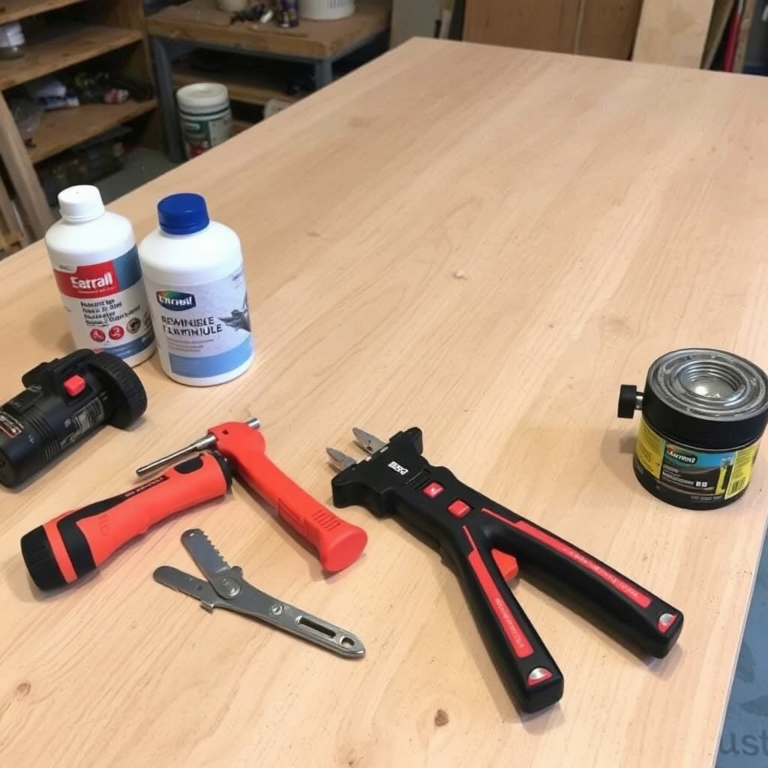
Disassembling furniture into smaller parts makes transport easier. Use basic tools like screwdrivers and pliers and keep hardware organized.
Wear protective gear when handling heavy or old pieces, and use blankets or padding to avoid damage during moving.
- Gather necessary tools
- Disassemble bulky items
- Use safety gloves and gear
For more on this, see our related guide: How Much Does a Full Size Bed Cost in 3 Price Ranges?.
Options for DIY Disposal
You can haul furniture to landfill facilities or recycling centers if accessible. Many municipalities have scheduled bulky waste pickups—check your local regulations.
Selling or donating nearby reduces effort and supports reuse, but when not feasible, responsible DIY removal reduces clutter effectively.
- Check municipal bulky waste schedules
- Use rental trucks or trailers
- Explore local donation opportunities
Legal and Safety Considerations When Removing Furniture
Complying with Local Waste Regulations
Many areas restrict how and where furniture can be disposed of. Violating these rules might result in fines or delays in pickup.
Always check local government websites or call waste management offices to understand approved disposal or recycling methods.
- Review local waste guidelines
- Use approved disposal sites
- Follow pickup schedules properly
For a detailed overview of furniture disposal and recycling, consult trusted furniture disposal guidelines. furniture disposal guidelines.
Ensuring Safety During Furniture Removal
Proper lifting techniques prevent injuries when moving heavy items. Working with a partner is recommended to manage bulky furniture safely.
Avoid damage to floors, walls, and doorways by measuring furniture and planning removal paths before starting.
- Lift with legs, not back
- Use moving straps if possible
- Clear obstacles in removal paths
Furniture Disposal Options Comparison
Here is a comparison of common methods to get rid of furniture, highlighting pros and cons for each approach.
| Method | Cost | Effort Required | Environmental Impact | Timeframe |
|---|---|---|---|---|
| Donation | Low or free | Moderate | High (reuse) | 1 day to 1 week |
| Selling Online | Potential profit | Moderate to high | Moderate (reuse) | Few days to weeks |
| Professional Removal | Moderate to high | Low | Variable | Within days |
| Recycling | Usually free | Moderate | High (recycle materials) | Varies by location |
| DIY Disposal | Low to moderate | High | Low to moderate | Varies |
Frequently Asked Questions
Can I just leave my old furniture on the curb for pickup?
Some municipalities offer scheduled bulky waste pickups for furniture, but rules vary. Always verify your local waste services’ policies before leaving items on the curb to avoid fines or missed collections.
Is it better to donate or sell old furniture?
Donating benefits the community and environment, while selling offers potential income. Choose based on your priorities, furniture condition, and how quickly you want it gone.
How do professional furniture removal services dispose of items?
Many removal companies sort items for recycling, donation, or landfill disposal. Ask providers about their disposal practices to select an eco-friendly option.
Are there fees associated with donating furniture?
Donation is typically free, especially for drop-offs. Some charities offer free pickup for large donations, while others might charge a small fee depending on location or scheduling.
What safety precautions should I take when moving heavy furniture myself?
Use proper lifting techniques by bending your knees, work with a partner, clear pathways of obstacles, and wear gloves to protect your hands.
Key Takeaways
- Donate or sell usable furniture to reduce waste and support community needs.
- Professional removal services offer convenience for large or multiple items.
- Recycling furniture parts helps minimize environmental impact.
- Follow local regulations and safety practices when disposing of furniture.
Conclusion
Choosing how to get rid of furniture involves considering your furniture’s condition, available resources, and local rules. By weighing options like donating, selling, recycling, or hiring removal services, you can find a solution that matches your priorities and convenience.
For those with high-quality or gently used pieces, donating to local charities or selling online can be rewarding choices. If you need quick removal of bulky items, professional furniture removal services simplify the process. Recycling centers offer eco-conscious disposal for damaged furniture parts, while DIY methods suit those with time and vehicles.
Start by assessing your furniture’s state and checking local waste policies. Contact donation centers or removal companies for details, and clear your space responsibly. This practical approach makes getting rid of furniture less stressful and more beneficial for your community and the environment.