How to Take Care of Teak Furniture for Long-Lasting Beauty
Teak furniture requires specific care to maintain its natural beauty and durability. Regular cleaning combined with periodic oiling or sealing helps prevent damage from weather and wear, ensuring the wood retains its rich color and smooth texture over time. How to Take Care of Teak Furniture.
This matters because teak is an oily hardwood known for its resistance to rot and insects, but exposure to sunlight and moisture can cause it to fade and crack if neglected. Proper care not only extends the furniture’s life but also keeps its appearance fresh and inviting.
This article will cover essential steps including cleaning techniques, protective treatments, storage advice, and signs of wear to watch for. Whether your teak furniture is indoors or outdoors, these guidelines will help you maintain it effectively.
Cleaning Teak Furniture

Routine Dusting and Wiping
Regular dusting prevents dirt buildup that can scratch or dull teak surfaces. Use a soft cloth or brush to remove dust weekly, especially in crevices where debris tends to collect.
Wiping with a damp cloth can be effective if dust has settled, but avoid soaking the wood. Light cleaning maintains the wood’s natural oils and top layer without stripping essential moisture.
Deep Cleaning Procedures
For accumulated grime or stains, mix mild soap with warm water and gently scrub the wood using a soft-bristle brush. Avoid harsh detergents or steel wool, as these can damage the teak’s surface.
After cleaning, rinse with clean water and dry thoroughly with a soft towel. This step prevents water damage and prepares the wood for any subsequent treatments.
- Use mild, pH-neutral soap
- Avoid abrasive tools
- Dry immediately after rinsing
Protecting Teak Furniture

Applying Teak Oil and Sealants
Teak oil nourishes the wood and enhances its golden color. Applying teak oil once or twice a year helps protect against drying and cracking, especially for outdoor furniture exposed to sun and rain.
Sealants form a protective barrier against moisture and UV rays. Choose a product compatible with teak; sealants often require reapplication annually to maintain effectiveness.
- Apply with a lint-free cloth
- Allow adequate drying time
- Test on a small area first
Natural Aging and Weathering
Some owners prefer the natural silvery-gray patina that teak develops over time due to weathering. Leaving teak untreated will gradually shift its color but won’t harm its durability.
Deciding whether to treat teak depends on your aesthetic preference. Regular maintenance preserves the fresh teak look, while natural aging provides a rustic charm without damaging the wood.
Preventing and Repairing Damage

Avoiding Common Damage
Exposure to extreme weather, excessive moisture, or sharp objects can cause cracks, stains, and scratches. Position furniture in shaded areas or use covers during harsh weather to extend its lifespan.
Use coasters and pads to prevent marks from cups or heavy items. Avoid dragging furniture on rough surfaces to keep legs and joints intact.
- Use protective furniture covers
- Place pads under heavy objects
- Keep furniture dry
For more on this, see our related guide: 10 Tips How to Style an Accent Chair.
Repairing Surface Imperfections
Minor scratches and discolorations can be sanded lightly with fine-grit sandpaper to restore the surface. Follow sanding by cleaning and reapplying teak oil or sealant to blend repairs smoothly.
For stains, a diluted bleach solution can sometimes lighten persistent spots but use caution and rinse thoroughly to avoid wood damage.
- Sand gently with 220-grit sandpaper
- Apply teak oil after sanding
- Test bleach on inconspicuous spot
Storing Teak Furniture Properly
Indoor Storage Tips
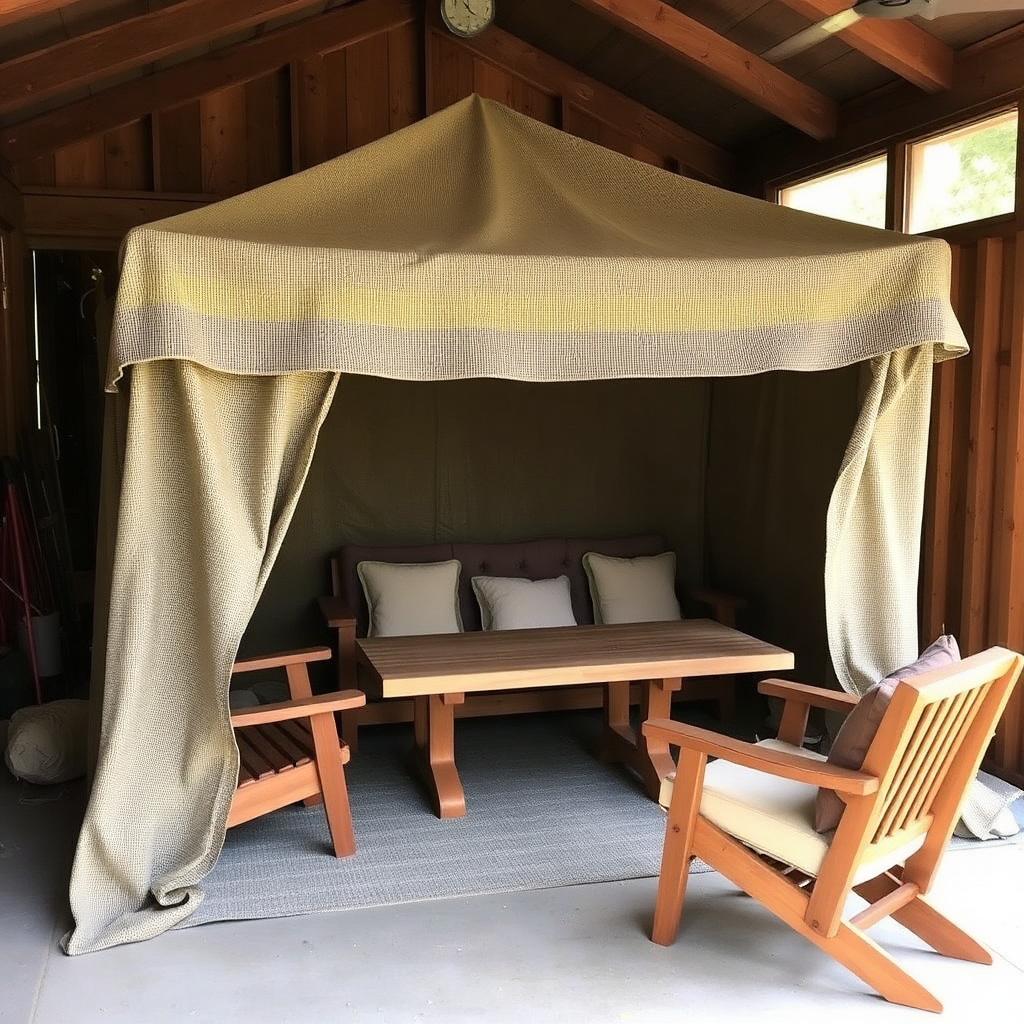
Storing teak furniture indoors during off-seasons prevents weather-related wear. Choose a dry, temperature-stable environment and cover pieces with breathable cloth to avoid moisture buildup.
Avoid plastic coverings unless in combination with proper ventilation, as trapped humidity can promote mildew and warp the wood.
- Use breathable furniture covers
- Keep away from heaters and damp areas
- Store off the floor if possible
Outdoor Storage Considerations
If indoor storage isn’t possible, use fitted covers made specifically for teak and secure them to prevent wind damage. Elevate furniture slightly to prevent bottom moisture absorption.
Regularly inspect covered items for signs of condensation or mold and air out as needed to keep the wood dry.
- Elevate furniture
- Check covers weekly
- Avoid plastic tarps without airflow
Choosing the Right Products for Teak Furniture
Teak Oils and Sealants Explained
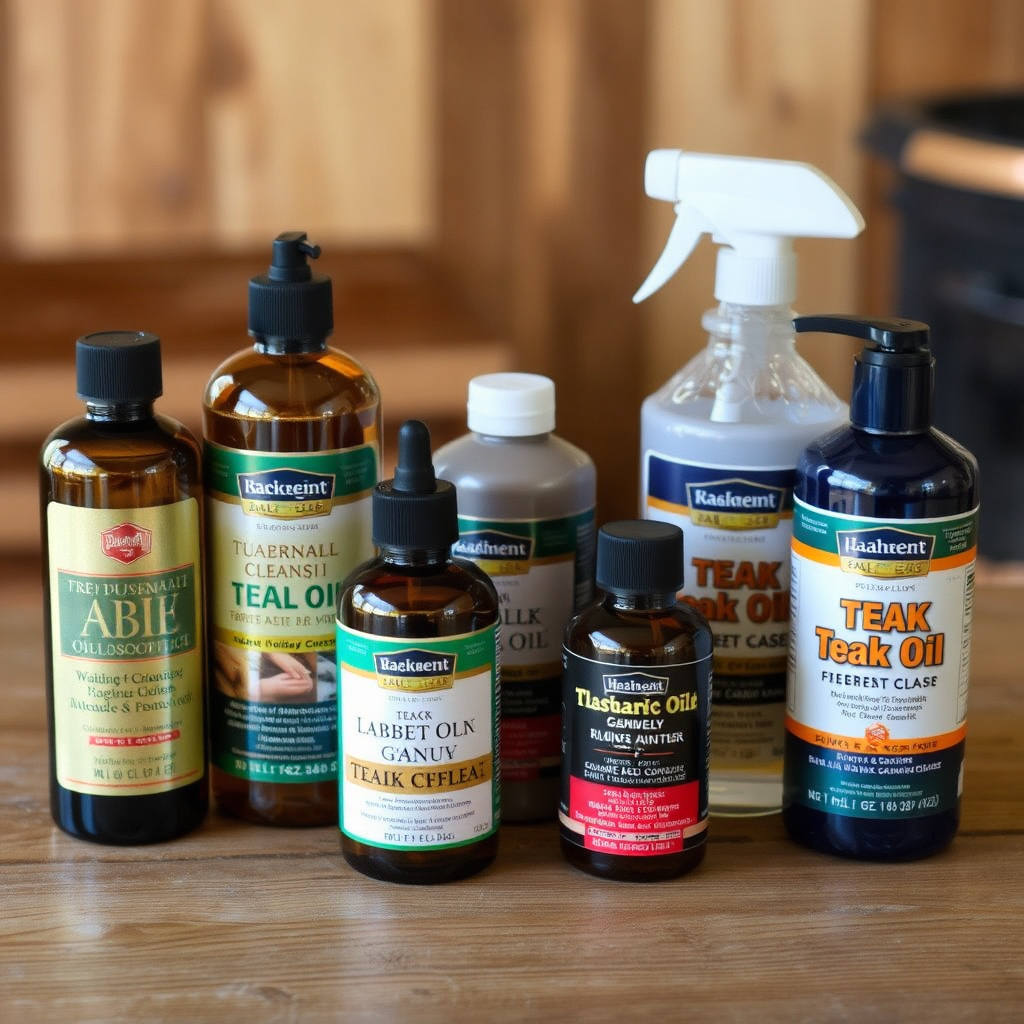
Teak oils penetrate deeply to replenish natural oils but don’t create a surface film. Sealants provide a stronger moisture barrier but require careful application to avoid buildup or peeling.
Select products formulated for outdoor woods to maximize durability and protection against UV damage.
- Check ingredients for natural oils
- Avoid silicone-based sprays
- Compare drying times
For more on this, see our related guide: 3 Essential Tips How to Choose a Dining Table.
Safe Cleaning Agents for Teak
Cleaning agents should be gentle and pH-neutral to avoid removing teak’s essential oils. Avoid bleach or ammonia unless used sparingly and rinsed immediately to prevent damage.
Commercial teak cleaners are available, but homemade mixes of mild soap and warm water often suffice for routine care.
- Use mild dish soap
- Avoid harsh chemical cleaners
- Rinse thoroughly after cleaning
Maintaining Teak Furniture Over Time
Developing a Maintenance Schedule
Establish a regular schedule for dusting, cleaning, and applying protective products to keep teak looking its best year-round. Twice yearly deep care sessions aligned with seasonal changes work well for outdoor pieces.
Frequent inspections allow early detection of damage, preventing costly repairs later by addressing minor issues promptly.
- Dust weekly
- Clean deeply twice a year
- Apply oil or sealant annually
For more detailed botanical and material properties of teak, see this informative page on teak wood. Teak wood information on Wikipedia.
Recognizing When to Refinish
Signs like deep cracks, persistent stains, or flaking finishes indicate that refinishing may be needed to restore structural integrity and aesthetics. This process involves sanding the entire surface and applying a fresh finish.
Refinishing should be done by experienced individuals to avoid over-sanding or uneven treatment, which can harm teak furniture.
- Watch for cracking and peeling
- Sand before refinishing
- Consider professional help
Teak Furniture Care Product Comparison
This table compares common teak care products by type, protection level, and ease of application to help you choose the best fit.
| Product Type | Protection Level | Application Ease | Longevity |
|---|---|---|---|
| Teak Oil | Moderate | Easy | 6-12 months |
| Sealant | High | Moderate | 12 months |
| Teak Cleaner | N/A (cleaning only) | Easy | N/A |
| Homemade Soap Solution | N/A (cleaning only) | Easy | N/A |
| Bleach Solution (diluted) | N/A (stain removal) | Moderate | N/A |
Frequently Asked Questions
How often should I oil my teak furniture?
Oiling should be done once or twice a year, depending on exposure levels. More frequent applications may be needed for furniture in direct sunlight or harsh outdoor conditions.
Can I leave teak furniture outdoors all year?
Yes, teak is durable outdoors but covering it during harsh weather and regular maintenance helps prevent fading, cracking, and moisture damage.
Is it necessary to sand teak before treating it?
Sanding is only needed if the surface is rough, stained, or peeling. Smooth teak without damage can be treated without sanding.
What causes the silvery-gray patina on teak?
The patina forms naturally as teak weathers and oxidizes over time when exposed to sunlight and rain. It is a cosmetic change and does not harm the wood.
Are commercial teak cleaners better than homemade solutions?
Commercial cleaners are specially formulated but mild soap and water are usually sufficient for routine cleaning, making them a cost-effective alternative.
Key Takeaways
- Regular cleaning and dusting preserve teak’s surface and natural oils.
- Teak oil and sealants protect against drying, cracking, and UV damage.
- Proper storage and cover use extend furniture lifespan.
- Minor damage can be repaired with light sanding and refinishing.
Conclusion
Taking care of teak furniture revolves around a balance of regular cleaning, protective treatments, and attentive storage. By responding early to wear signs and following a predictable maintenance schedule, you solidify the furniture’s robustness and aesthetics. Understanding that teak’s natural oils provide inherent protection reinforces why harsh chemicals and neglect should be avoided.
For those prioritizing a fresh teak look, applying teak oil biannually enhances color and moisture resistance. Outdoor furniture exposed year-round benefits from both oiling and sealants to manage exposure to sun, rain, and temperature swings. Conversely, if your preference is for the silvery-gray patina, minimal treatment combined with cleaning suffices to maintain surface integrity. Accessories like covers and careful placement also support longer-lasting furniture.
Whether you own a few key pieces or a full teak set, beginning with proper cleaning methods and choosing suitable care products sets the foundation for years of enjoyment. Evaluate storage options during colder months to minimize weathering and plan refinishing projects only when needed to address damage. These steps make protecting and preserving your teak furniture natural and manageable.