How to Paint Rattan Furniture for a Fresh New Look
To paint rattan furniture successfully, start by thoroughly cleaning the surface, sanding any rough spots, and applying a suitable primer. Choose a flexible paint designed for wicker or outdoor furniture for durable coverage and a smooth finish. Allow each coat to dry completely before applying the next to avoid peeling or cracking.
Rattan furniture’s intricate weave and natural flexibility demand careful preparation and the right materials. Painting rattan not only revitalizes old or faded pieces but also lets you customize colors to fit your décor. This refinishing process extends the furniture’s life and protects it from weather effects if used outdoors.
This article covers necessary tools, step-by-step procedures for prepping and painting rattan furniture, advice on paint types, finishing touches, and maintenance tips. You’ll learn how to tackle the unique challenges of painting rattan without compromising its texture or flexibility.
Preparing Rattan Furniture for Painting
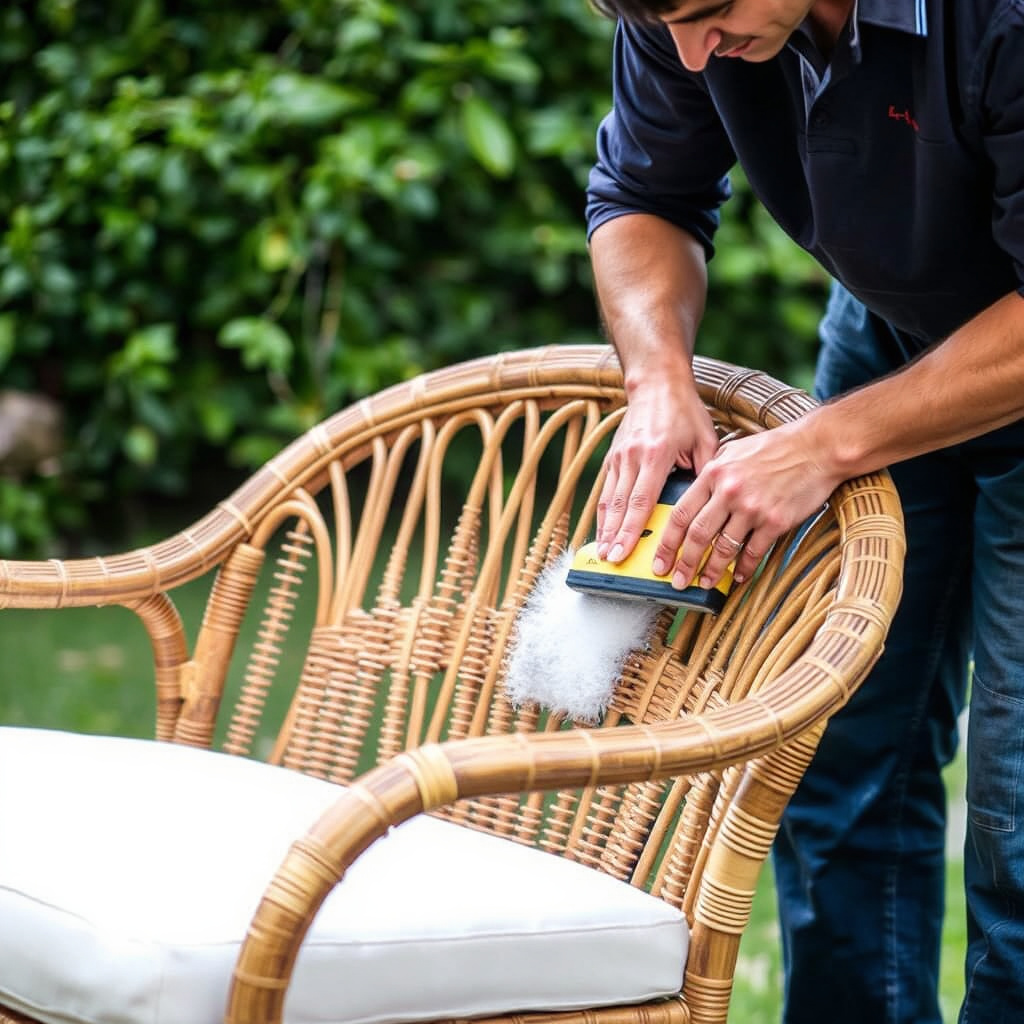
Cleaning and Removing Old Finish
Begin by removing dirt, dust, and grease from the rattan surface using a mild detergent mixed with water and a soft brush. Deep cleaning is crucial because paint adheres poorly to dusty or oily surfaces. Rinse thoroughly and let it dry completely before moving on.
If the furniture has an old, flaking finish, use a chemical stripper or gently sand these areas to expose bare rattan. Avoid aggressive sanding that might weaken the thin strands. Proper cleaning and stripping create a smoother base to ensure long-lasting paint adhesion.
Sanding Tips for Rattan Surfaces
Light sanding with fine-grit sandpaper (around 220 grit) removes loose fibers and rough patches without damaging the woven fibers. Focus on areas where paint will be applied and any splintered spots. A sanding sponge can help reach grooves and curves.
After sanding, wipe the furniture with a damp cloth to remove dust. This step prevents imperfections under the paint and helps the primer bond better, ensuring a flawless finish that highlights the texture of the rattan.
- Use fine-grit sandpaper (220 grit)
- Sand gently to avoid damage
- Focus on rough spots and edges
- Clean dust after sanding
Choosing the Best Paint for Rattan Furniture
Types of Paint Suitable for Rattan
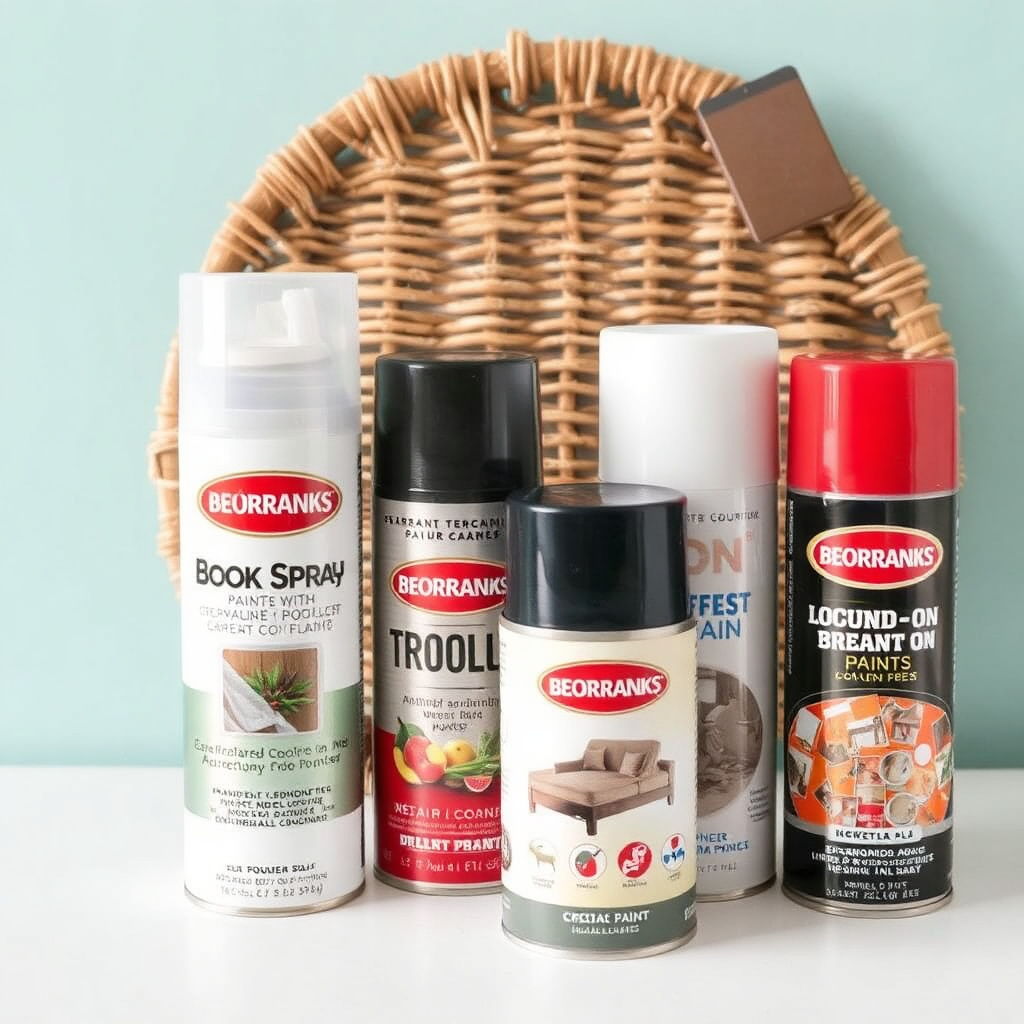
Latex and acrylic paints are popular for indoor rattan furniture because they offer good coverage, flexibility, and ease of cleanup. For outdoor pieces, oil-based or specially formulated outdoor paints provide tougher protection against UV rays and moisture.
Spray paints formulated for wicker offer even coverage and get into crevices where brushes can’t reach. However, brush-on paints give more control and thicker coats. Choose paints labeled as flexible or designed for furniture to prevent cracking as the rattan bends.
- Latex or acrylic for indoor use
- Oil-based or outdoor paint for exterior
- Spray paint for detailed areas
- Flexible paint to avoid cracking
For more on this, see our related guide: 7 Best Console Tables With Baskets.
Primer Options and Importance
Applying a primer before painting improves adhesion and durability, especially on bare or stripped rattan. Use a bonding primer compatible with the final paint type. For outdoor furniture, a rust-resistant primer may be helpful if your rattan has metal frames.
Primers also seal the porous rattan surface, preventing uneven spots and reducing the number of paint coats needed. Look for spray primers for even application on the textured surface of rattan furniture.
- Bonding primer for bare rattan
- Rust-resistant primer for metal parts
- Spray primer for uniform coverage
- Primer reduces paint coats
Step-by-Step Painting Process for Rattan Furniture
Applying Primer and Base Coats
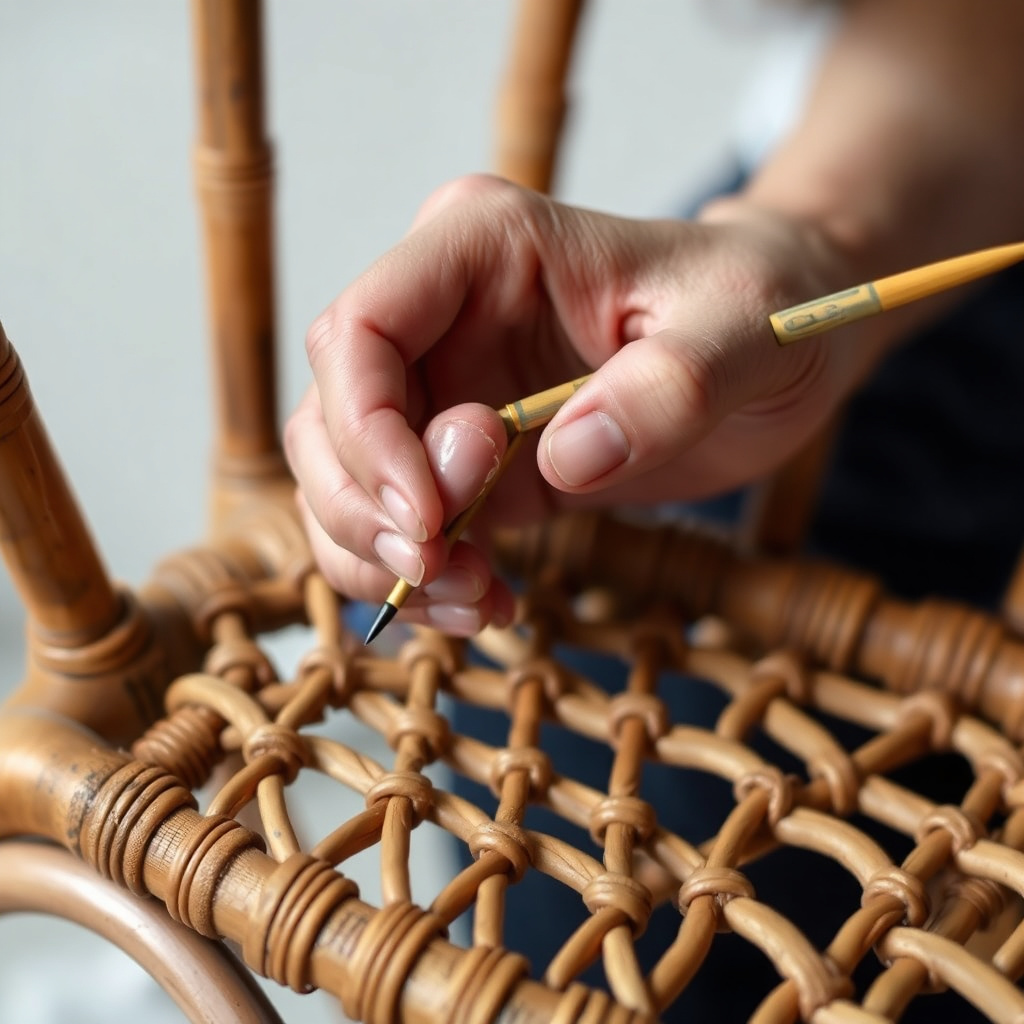
Spray or brush primer onto the rattan evenly, covering all woven crevices. Apply multiple thin coats rather than one heavy one to avoid dripping. Let the primer dry fully according to manufacturer instructions before proceeding.
Once primed, apply your chosen paint in thin, even layers. Use a small brush or spray can for narrow spaces. Wait for each coat to dry completely — usually a few hours — before adding the next to build an even, durable finish.
- Use thin, even coats
- Cover all nooks and crannies
- Dry fully between coats
- Avoid heavy paint buildup
Finishing and Sealing Painted Rattan
After the paint has dried completely, apply a clear sealer to protect the surface, especially for outdoor furniture. Polyurethane varnish or a clear acrylic sealer adds durability and resists chips and UV damage.
Choose a matte or satin finish sealer to preserve the natural look of rattan’s texture. Apply two to three thin coats, allowing ample drying time between layers. Finished and sealed furniture lasts longer and requires less maintenance.
- Use clear polyurethane or acrylic sealer
- Apply multiple thin coats
- Choose matte or satin finish
- Allow full drying time
Handling Common Challenges when Painting Rattan Furniture

Avoiding Paint Peeling and Cracking
Peeling or cracking paint on rattan usually results from poor surface prep or using inflexible paint. Making sure the rattan is clean, dry, and primed is critical. Pick paints that can flex with the woven fibers to handle movement without damage.
Applying paint in thin layers and letting each fully dry reduces stress on the finish. Avoid painting in very humid or cold conditions to ensure proper curing. Touch up areas showing wear promptly to prevent peeling from spreading.
For more on this, see our related guide: 10 Best Accent Cabinets With Doors.
Managing Paint Build-Up in Tight Weaves
Rattan’s intricate weave can trap excess paint, causing lumps or drips that obscure its texture. Use thin coats and a fine brush or spray paint for better control. Wipe excess paint immediately with a cloth dampened with the proper solvent if necessary.
Avoid heavy layers especially in crevices, and consider taping off areas you want to keep paint-free. Patience and gentle brushwork preserve the airy look of rattan while providing full coverage.
Maintaining Painted Rattan Furniture
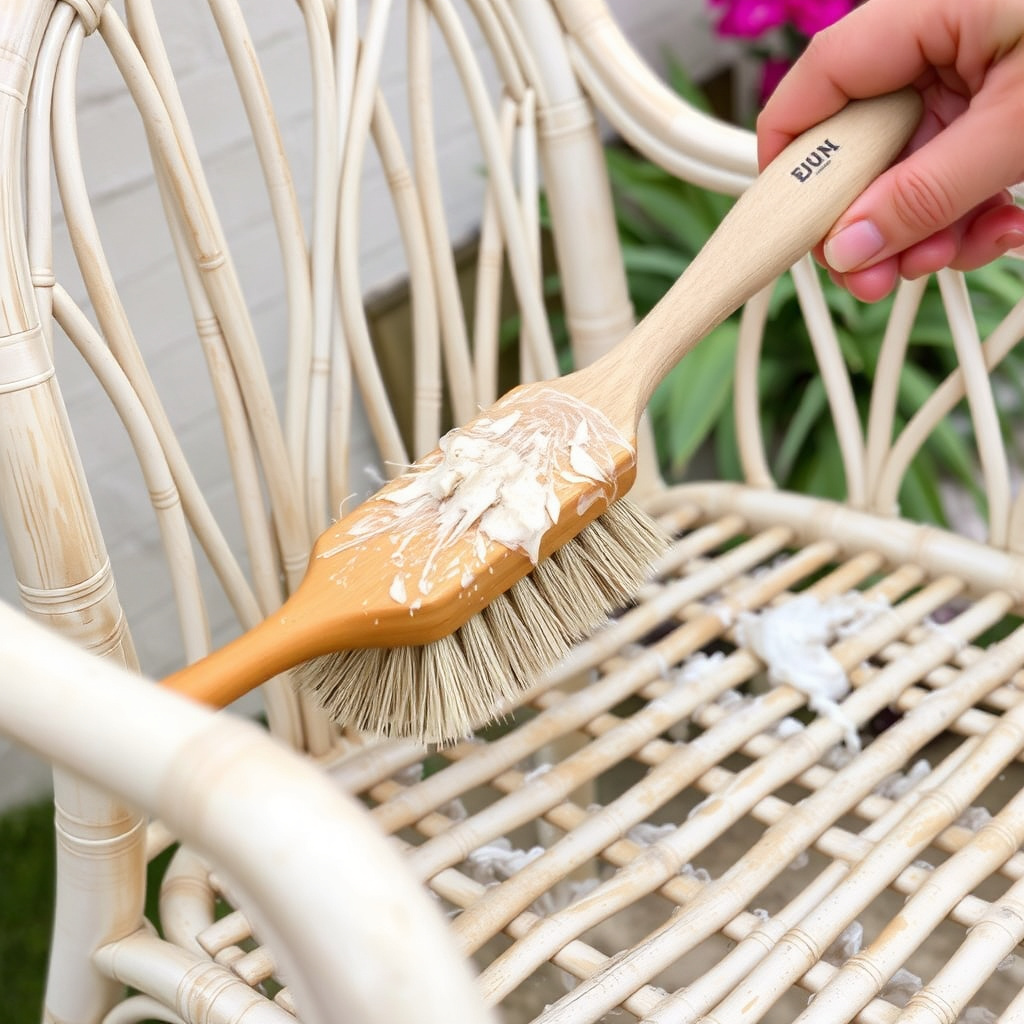
Cleaning Painted Rattan Without Damage
Use a soft brush or cloth with mild soapy water to clean painted rattan furniture. Avoid harsh chemicals or abrasive scrubbing that might wear down paint layers. Regular gentle cleaning keeps furniture looking fresh and prolongs paint life.
Dry the surface completely after cleaning to prevent moisture damage. For outdoor furniture, storing covered or indoors during harsh weather will prevent accelerated paint wear.
- Soft brush or cloth only
- Mild soap and water
- Avoid abrasives and harsh chemicals
- Dry fully after cleaning
For more background on rattan materials and their uses, see the detailed rattan furniture care on Wikipedia. rattan furniture care on Wikipedia.
Touch-Ups and Long-Term Care
Inspect furniture regularly for chips or peeling paint. Small areas can be touched up with a matching paint applied with a small brush. Keep sealer refreshed every couple of years to maintain protection, especially outdoors.
Maintain proper humidity levels indoors to avoid rattan drying and cracking, which can damage the paint. Gentle handling and avoiding heavy loads preserve the finish and structure.
Types of Paint for Rattan Furniture Comparison
This table compares popular paint types for rattan furniture, highlighting durability, ease of use, and best applications.
| Paint Type | Durability | Application Method | Best Use | Cost |
|---|---|---|---|---|
| Latex | Moderate | Brush or roller | Indoor furniture | $ |
| Acrylic | High | Brush, spray | Indoor and some outdoor | $$ |
| Oil-Based | Very High | Brush | Outdoor furniture | $$$ |
| Spray Paint (Flexible) | High | Spray | Intricate areas, outdoor | $$ |
Frequently Asked Questions
Can I paint rattan furniture without sanding?
While you can paint without sanding, lightly sanding rough or glossy areas improves paint adhesion and durability. For best results, clean and sand before priming and painting.
Is spray paint better than brush paint for rattan?
Spray paint covers hard-to-reach areas and weaves well, but brush paint provides thicker coats and precision. A combination can be ideal depending on your furniture’s complexity.
How many coats of paint should I apply on rattan?
Typically, two to three thin coats yield good coverage and durability. Rushing with thick coats may cause drips or cracking, so patience improves the finish.
Should outdoor rattan furniture be sealed after painting?
Yes, sealing painted outdoor rattan protects the paint from moisture and UV damage, extending the furniture’s lifespan and appearance.
How long should I wait between paint coats?
Wait at least 2-4 hours or as per the paint manufacturer’s instructions to ensure each coat is thoroughly dry before applying the next.
Key Takeaways
- Thorough cleaning and light sanding improve paint adhesion on rattan.
- Choose flexible paint types designed for wicker or outdoor furniture.
- Apply primer and multiple thin paint coats for durability.
- Seal outdoor pieces to protect against weathering and UV damage.
Conclusion
Choosing to paint rattan furniture involves careful preparation and selecting the right products to suit its delicate texture and flexible structure. The main decision factors include cleaning thoroughly, sanding gently, applying a bonding primer, and choosing flexible paint designed for wicker or outdoor use if needed. Following these steps leads to a resilient finish that renews worn pieces without compromising strength or appearance. Paying attention to drying times and layering techniques ensures the paint adheres well and lasts without cracking or peeling over time.
For indoor rattan projects, latex or acrylic paints paired with a compatible primer provide good coverage and flexibility. Outdoor rattan furniture benefits from oil-based or specialized outdoor paints combined with clear sealers for weather resistance. Spray paints designed for wicker help cover tight weaving, while brush-on paints offer thicker coats and control. Consider your furniture’s environment and usage to choose between these options. Proper maintenance, including gentle cleaning and timely touch-ups, will protect your painted rattan and extend its service life.
To give your rattan furniture a fresh appearance, start with cleaning and prepping surfaces carefully, then select paint and primer suited for your piece’s location and usage. Apply paint in thin, even layers and finish with a suitable sealer for long-term protection. Regular upkeep and gentle care will keep your refinished rattan furniture looking revived and stylish for years to come. For detailed guidance on rattan and wicker furniture care, consulting expert resources can provide extra insights tailored to your specific needs.