How to Get Mold Off Wood Furniture: Effective Cleaning and Prevention Tips
Mold on wood furniture can be removed by carefully cleaning the affected area with a solution that kills mold spores without damaging the wood finish. Start by vacuuming any loose mold spores, then wipe down the surface with a mixture of mild detergent and water or a specialized wood cleaner. For stubborn mold, a diluted vinegar or rubbing alcohol solution usually works well to disinfect and remove stains.
Addressing mold on wood furniture matters because mold not only causes unsightly discoloration but can also degrade the wood over time and pose health risks through airborne spores. Wood’s porous texture means mold can penetrate beneath the surface, so an effective cleaning technique must reach deep without harming the integrity or appearance of the furniture. How to Get Mold Off Wood Furniture.
This article will explain various practical methods to get mold off wood furniture, including different cleaning solutions, how to safely treat mold damage, and ways to prevent mold’s return. You’ll also find comparisons of home remedies versus commercial products and tips for identifying mold early to protect your investment.
Understanding Mold Growth on Wood Furniture
Why Mold Forms on Wood Surfaces
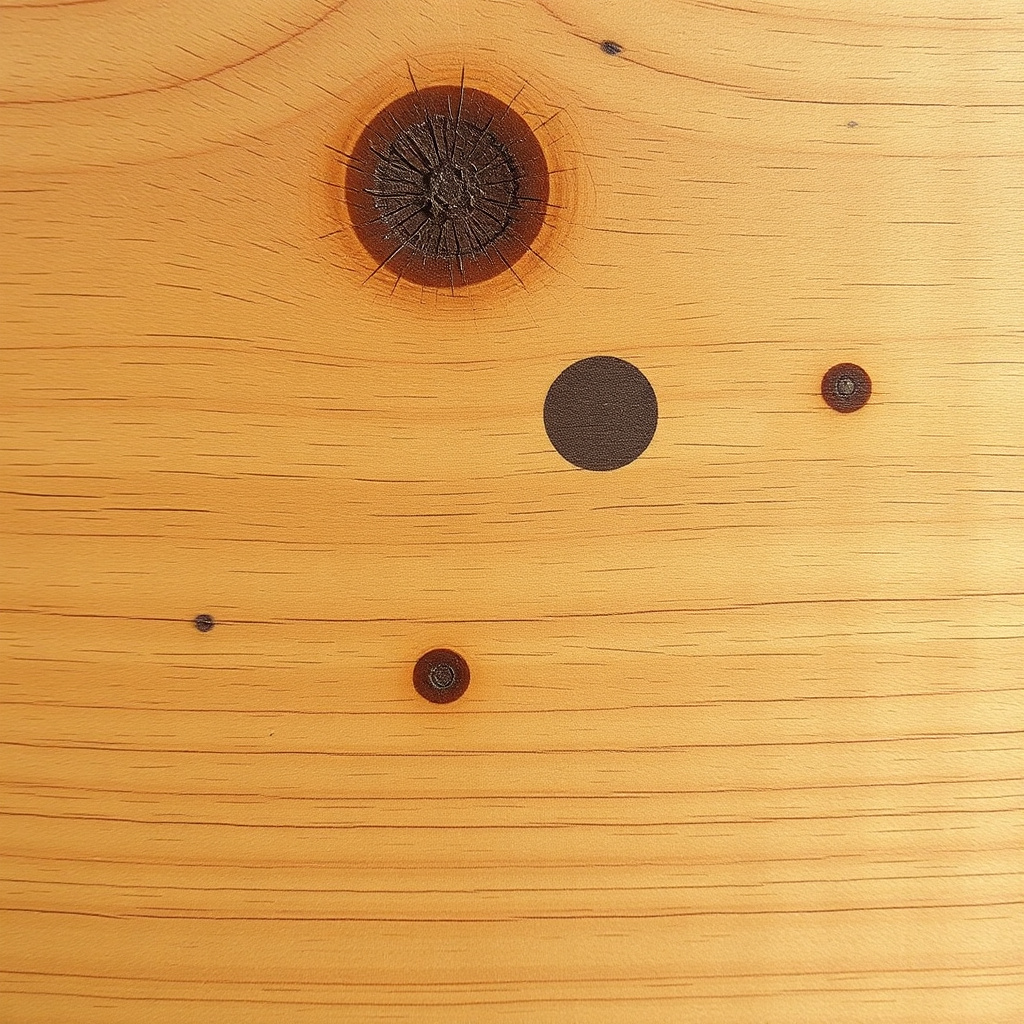
Mold thrives on wood because wood’s porous nature retains moisture, creating a favorable environment for fungus growth. Poor ventilation and high humidity further accelerate mold development, especially in basements or damp rooms.
Certain wood finishes can trap moisture beneath the surface, increasing mold risk. Mold spores can settle invisibly on wood, waiting for damp conditions to multiply, making timely detection critical to prevent damage.
Signs to Identify Mold on Wood Furniture
Mold typically appears as fuzzy patches in colors like white, black, green, or gray. It often has a musty odor that intensifies in confined spaces. Early signs include slight discoloration or a slick surface texture.
Distinguishing mold from dirt or stains involves testing the spot with a mild cleaner—mold tends to smear or lift when wiped. Left untreated, mold spots can expand and create a permanent nuisance.
Safe Cleaning Solutions to Get Mold Off Wood Furniture
Using Mild Soap and Water
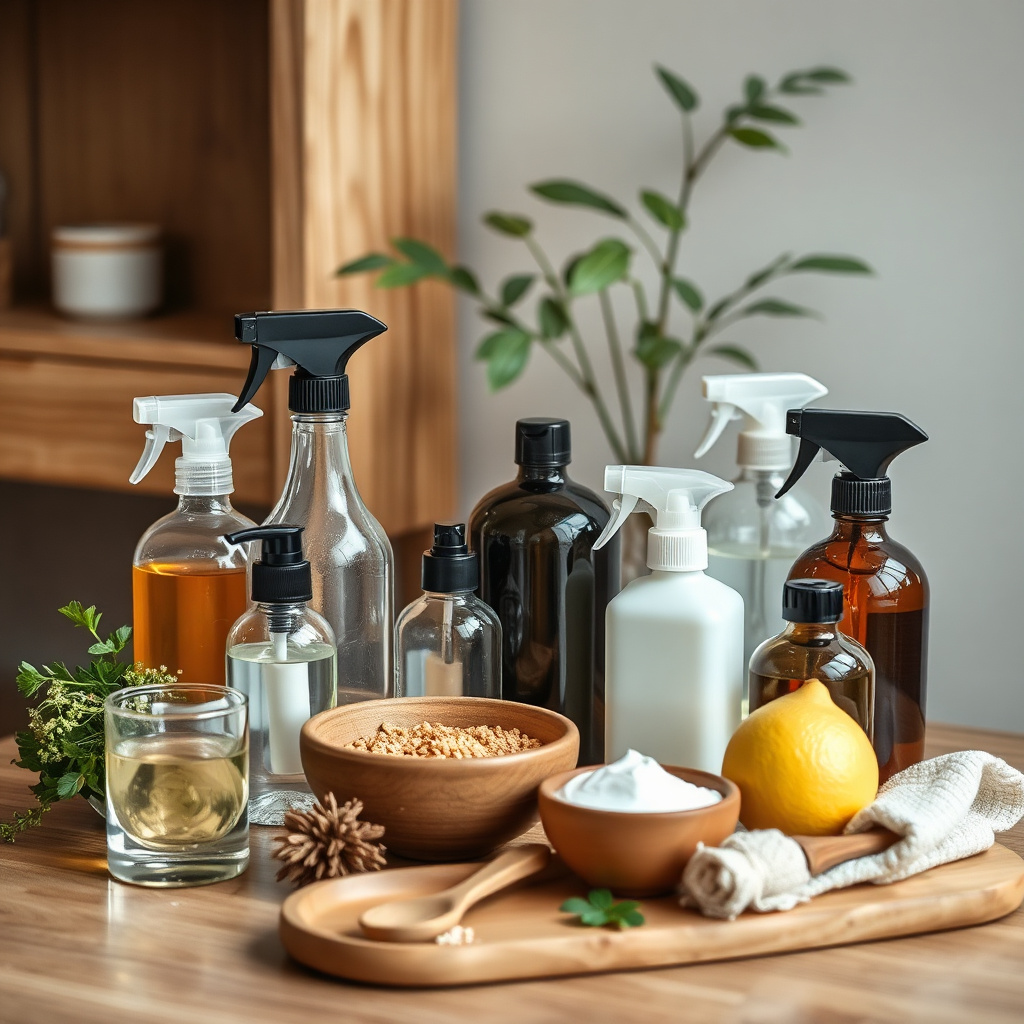
Mixing mild dish soap with warm water creates a gentle solution ideal for removing surface mold without stripping wood finishes. Use a soft cloth dipped in the solution to gently wipe moldy areas, then dry quickly to avoid moisture absorption.
This method is best for light mold growth and preventive maintenance rather than addressing heavy infestations which require stronger treatments.
For more on this, see our related guide: 3 Tips to Choose Durable Long-Lasting Furniture.
Vinegar and Alcohol-Based Remedies
White vinegar’s acidity can kill most mold species without bleaching wood. Spray undiluted vinegar, let it sit for an hour, then wipe clean. Rubbing alcohol diluted with water works similarly but evaporates faster, reducing moisture exposure.
While effective, these solutions should be tested in a hidden area to avoid discoloration. They are popular natural options that offer mold removal combined with mild disinfectant properties.
Advanced Mold Removal Techniques for Wood Furniture
Using Commercial Mold Removers
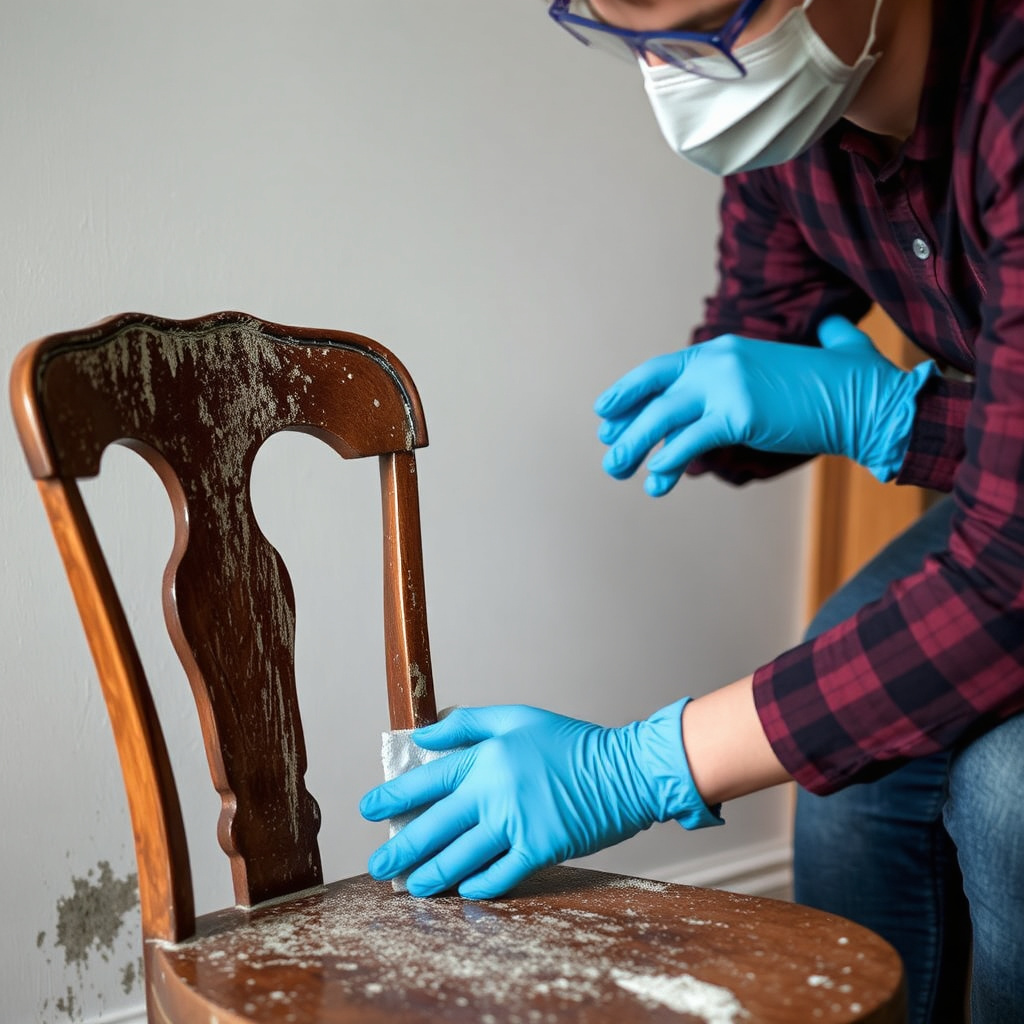
Specialized commercial mold removers formulated for wood can break down tough mold while conditioning the surface. They often contain fungicides and sealants to prevent regrowth, ideal for severe infestations or valuable furniture pieces.
Apply according to the product instructions, ensure good ventilation, and wear protective gear to avoid inhaling spores or chemicals. Suitable products balance effectiveness with wood safety.
Sanding and Refinishing Wood
If mold has penetrated deeply or left staining, sanding the affected wood layer may be necessary. Use fine-grit sandpaper to carefully remove the damaged surface, then clean and refinish the area with appropriate sealants to restore appearance and protect the wood.
This approach requires skill to avoid uneven surfaces and should be a last resort for persistent or extensive mold damage.
Preventing Mold on Wood Furniture
Controlling Indoor Humidity and Ventilation
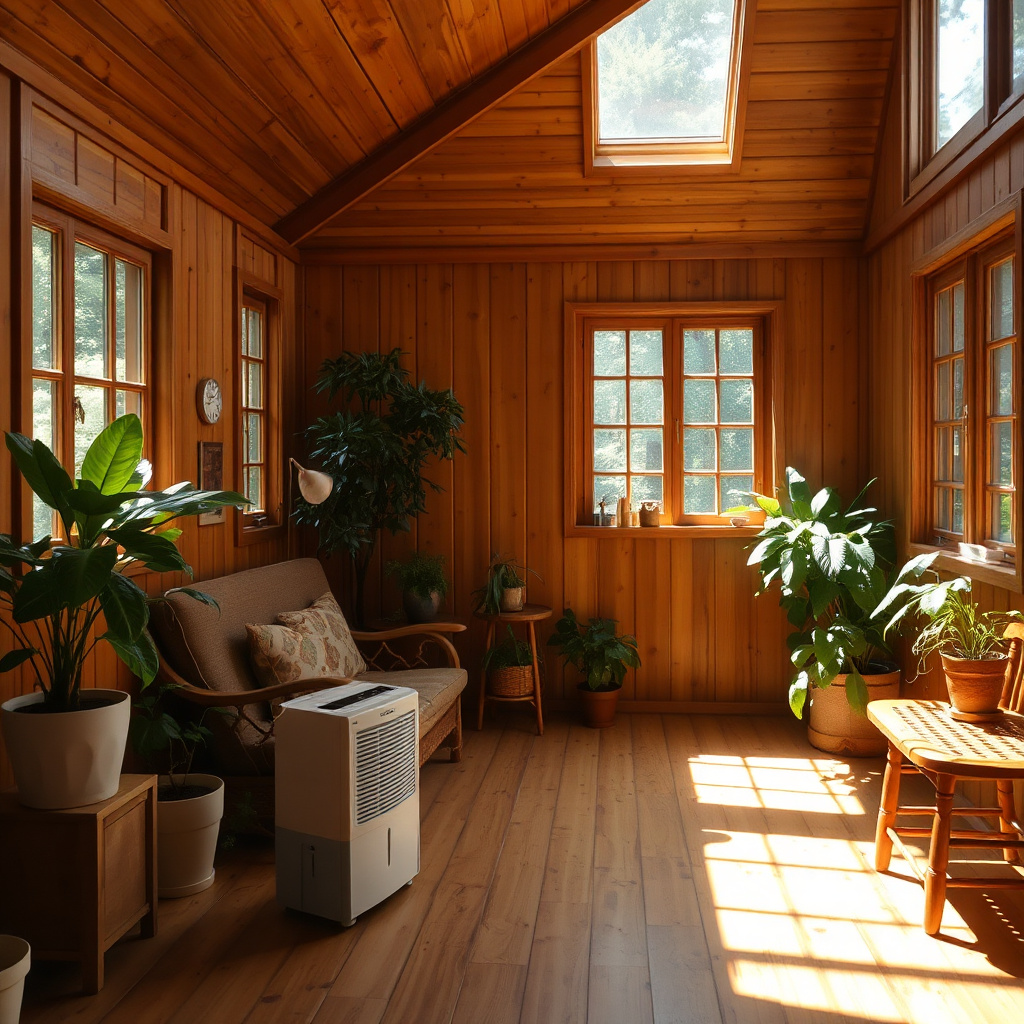
Maintaining indoor humidity below 60% and ensuring proper airflow are key to preventing mold growth. Use dehumidifiers, air conditioners, or fans in rooms with wood furniture to reduce moisture buildup that encourages mold formation.
Keeping windows open when weather permits and avoiding placing furniture against damp walls also helps wood stay dry and mold-free.
- Use a hygrometer to monitor humidity levels
- Position furniture away from external walls
- Utilize air circulation devices regularly
For more on this, see our related guide: 10 Tips to Choose Furniture for a Small Dining Area.
Routine Cleaning and Wood Treatment
Regularly dusting and wiping wood furniture with mold-inhibiting wood cleaners lowers the chance of spores settling and growing. Applying wood sealants or finishes creates a protective barrier reducing moisture absorption.
Routine inspections, especially in seasons with higher humidity, help spot early mold growth so it can be addressed swiftly.
- Clean furniture monthly
- Apply wood sealants annually
- Inspect cracks and crevices carefully
Health and Safety Practices When Cleaning Mold

Protective Gear and Ventilation
Always wear gloves, a mask, and eye protection when cleaning mold to prevent skin irritation and inhalation of spores. Work in a well-ventilated area or outdoors if possible to minimize exposure to airborne mold particles.
Avoid disturbing large mold patches without containment, as this can release spores widely.
For authoritative details on mold health effects and safe cleanup, consult mold information from the EPA. mold information from the EPA.
Disposal of Cleaning Materials
After cleaning mold, discard used cloths or sponges in sealed bags to prevent spores from spreading. Clean tools with disinfectants after use and wash hands thoroughly, reducing the risk of cross-contamination.
Proper disposal limits mold spreading to other household surfaces or outdoor areas.
Comparison of Mold Removal Methods for Wood Furniture
Here’s a quick overview comparing common approaches to removing mold from wood, highlighting their effectiveness, ease, and safety.
| Method | Effectiveness | Wood Safety | Ease of Use | Cost |
|---|---|---|---|---|
| Mild Soap and Water | Moderate for light mold | High – gentle on finish | Easy | Low |
| Vinegar/Alcohol Solutions | Good for most mold | Moderate – test first | Moderate | Low |
| Commercial Mold Removers | High for severe mold | Varies – follow instructions | Moderate | Medium |
| Sanding and Refinishing | Very high, removes deep mold | Low if done improperly | Difficult | High |
| Professional Mold Removal Services | Very high | High if specialized | N/A | High |
Frequently Asked Questions
Is bleach recommended to remove mold from wood furniture?
Bleach is generally not recommended for wood furniture because it can bleach and damage the wood fibers, leading to discoloration and weakening. Gentler cleaners like vinegar or commercial wood-safe mold removers are preferred.
Can mold on wood furniture cause health problems?
Yes, mold spores from wood furniture can trigger allergic reactions, respiratory issues, or other health problems, especially for sensitive individuals, making timely removal important.
How often should I inspect wood furniture for mold?
Inspect wood furniture at least seasonally, especially in humid climates or damp rooms, to catch early signs of mold before it spreads.
Will mold return after cleaning wood furniture?
Mold can return if conditions remain favorable, such as high humidity and poor ventilation. Preventive measures like controlling moisture and sealing wood surfaces help stop regrowth.
Can I use essential oils to remove mold from wood?
Some essential oils like tea tree oil have antifungal properties and can aid mold cleaning, but they are usually less effective alone than vinegar or commercial removers and should be combined with thorough cleaning.
Key Takeaways
- Use gentle cleaning solutions like mild soap or vinegar to remove mold safely from wood furniture.
- Identify mold early by looking for discoloration, fuzzy patches, and musty odors.
- Control indoor humidity and ensure ventilation to prevent mold growth on wooden surfaces.
- When mold is severe, commercial removers or refinishing may be necessary for effective treatment.
Conclusion
Removing mold from wood furniture requires a balanced approach that eliminates mold spores without damaging the wood surface. Starting with gentle cleaning solutions allows safe removal for most cases, while more persistent mold may need commercial treatments or refinishing to restore the furniture’s appearance. Understanding how moisture and ventilation impact mold growth helps frame an effective strategy combining cleaning and preventive care.
For best results, begin by inspecting furniture regularly and cleaning with mild soap or vinegar to tackle early mold spots. In cases of severe infestations, commercial mold removers designed for wood or careful sanding and refinishing can eliminate deeply embedded mold. Routine maintenance through moisture control and proper sealing reduces the likelihood of mold returning, preserving your furniture over time.
Taking these steps will not only improve the healthiness of your indoor environment but also extend the life and beauty of your wood pieces. Start with simple cleaning, assess the severity of the mold, and consult professionals when needed to protect your investment effectively.